




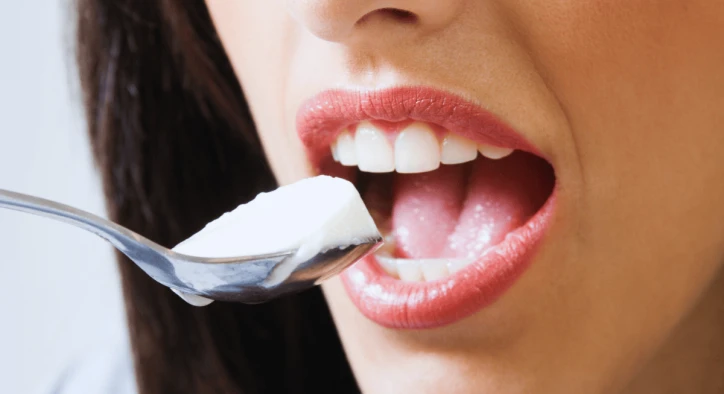

When it comes to Implant Surgery, one of the most common questions patients ask is surprisingly simple: can you eat yogurt afterward? While the procedure itself is a highly advanced dental solution, the recovery phase often raises practical concerns about diet, comfort, and healing. Yogurt, known for its soft texture and nutritional value, frequently enters this conversation.
Table Of Contents
- What Happens in Your Mouth After Implant Surgery?
- Why Yogurt Is Often Recommended After Implant Surgery
- Potential Concerns About Eating Yogurt After Implant Surgery
- Best Types of Yogurt to Choose After Implant Surgery
- How Soon Can You Eat Yogurt After Implant Surgery?
- Tips for Eating Comfortably After Implant Surgery
- Nutritional Role of Soft Foods in Implant Surgery Recovery
- Is Yogurt a Good Choice After Implant Surgery?
What Happens in Your Mouth After Implant Surgery?
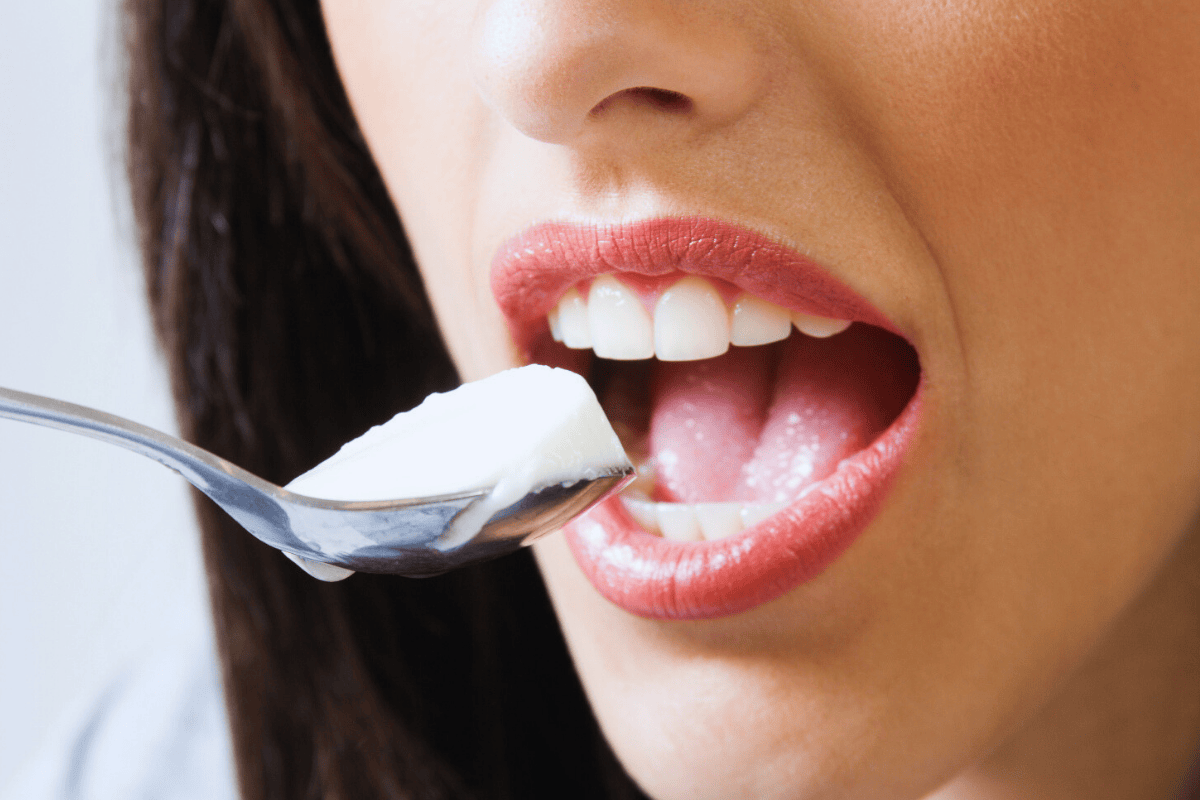
After Implant Surgery, your body begins a complex biological process known as osseointegration. This is where the dental implant gradually fuses with the jawbone, creating a stable foundation for a future crown or prosthetic tooth. The surrounding soft tissues also begin to heal, forming a protective barrier around the implant site.
During the first few days, the surgical area is sensitive and vulnerable. Blood clot formation is essential, as it protects the wound and initiates healing. Any disruption to this clot can delay recovery or cause complications. This is why dietary choices after Implant Surgery are often discussed with caution.
Soft, non-irritating foods are generally considered more suitable during this period. Foods that require minimal chewing reduce pressure on the surgical site, helping maintain stability and comfort. This is where yogurt becomes a relevant option.
Why Yogurt Is Often Recommended After Implant Surgery
Yogurt is frequently mentioned in the context of Implant Surgery recovery due to its unique combination of softness, nutrients, and ease of consumption. Its smooth consistency makes it easy to eat without putting strain on the jaw or implant area.
From a nutritional standpoint, yogurt contains protein, calcium, and probiotics. Protein supports tissue repair, while calcium plays a role in bone health. These elements are particularly relevant after Implant Surgery, where both bone and soft tissue healing are involved.
Another advantage is temperature flexibility. Yogurt can be consumed cold, which may provide a soothing effect on the surgical area. However, extremely cold foods might cause sensitivity in some individuals, so moderation is key.
Potential Concerns About Eating Yogurt After Implant Surgery
Despite its benefits, yogurt is not entirely free from considerations following Implant Surgery. One point often discussed is its bacterial content. While probiotics are generally beneficial for gut health, their interaction with a fresh surgical site is sometimes debated in dental contexts.
Another factor is sugar content. Flavored yogurts can contain added sugars, which may contribute to bacterial growth in the mouth. After Implant Surgery, maintaining oral hygiene becomes even more important, and sugary foods might complicate this balance.
Texture also matters. While most yogurts are smooth, those with added fruits, seeds, or granola can introduce unwanted hardness. These elements could irritate the surgical site or require chewing, which is typically minimized after Implant Surgery.
Best Types of Yogurt to Choose After Implant Surgery
Not all yogurts are created equal, especially in the context of Implant Surgery recovery. Choosing the right type can make a noticeable difference in comfort and convenience.
Here is a quick comparison:
Yogurt Type | Suitability After Implant Surgery | Notes |
Plain Yogurt | High | Low sugar, smooth texture |
Greek Yogurt | Moderate to High | Higher protein, thicker consistency |
Flavored Yogurt | Moderate | Watch for added sugars |
Yogurt with Add-ins | Low | May contain hard or chewy pieces |
Plain or lightly sweetened yogurt is often considered a more neutral option after Implant Surgery. Its simplicity reduces the risk of irritation while still offering nutritional value.
Greek yogurt, while thicker, provides more protein. However, its density may require slightly more effort to consume, which could vary depending on individual comfort levels.
How Soon Can You Eat Yogurt After Implant Surgery?
Timing is another important aspect when discussing Implant Surgery and diet. Many patients wonder whether yogurt can be consumed immediately after the procedure or if they should wait.
In general, soft foods are introduced relatively early in the recovery phase. Yogurt often falls into this category due to its texture. However, the exact timing can depend on factors such as the complexity of the Implant Surgery, the number of implants placed, and individual healing responses.
During the first 24 hours, some individuals prefer to stick to liquids or very smooth foods. Yogurt may be introduced gradually as comfort increases. Listening to your body and observing how the surgical area responds can provide useful guidance.
Tips for Eating Comfortably After Implant Surgery
Adapting your eating habits after Implant Surgery can enhance comfort and reduce potential irritation. Yogurt can be part of this approach when consumed mindfully.
Here are a few practical considerations:
- Use a spoon instead of slurping to avoid suction pressure
- Eat slowly and avoid contact with the surgical site
- Choose room temperature or mildly cool yogurt
- Maintain oral hygiene after eating
These small adjustments can make a noticeable difference in the overall experience after Implant Surgery. Even soft foods can cause discomfort if consumed too quickly or carelessly.
Nutritional Role of Soft Foods in Implant Surgery Recovery
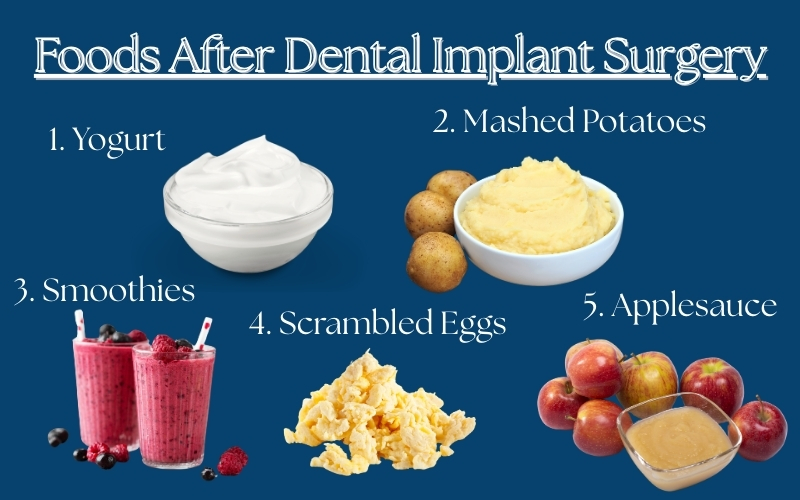
Soft foods like yogurt play a broader role in recovery from Implant Surgery. They help maintain energy levels while minimizing physical strain on the mouth. Balanced nutrition supports the body’s natural healing mechanisms.
A typical soft-food diet after Implant Surgery may include:
- Yogurt
- Mashed potatoes
- Smooth soups
- Scrambled eggs
- Soft fruits like bananas
Each of these foods contributes different nutrients. Yogurt stands out for its combination of protein and probiotics, making it a versatile option during the healing phase.
Is Yogurt a Good Choice After Implant Surgery?
So, can you eat yogurt after Implant Surgery? In many cases, yogurt is considered a practical and comfortable option due to its soft texture and nutritional profile. However, like any food consumed after a surgical procedure, it comes with nuances that depend on individual circumstances.
Choosing plain, smooth yogurt and consuming it carefully can align well with the needs of someone recovering from Implant Surgery. Paying attention to texture, temperature, and ingredients helps reduce potential concerns.
At DentPrime, we believe that understanding the small details of recovery can make a big difference in overall experience. While yogurt may seem like a simple food, its role after Implant Surgery reflects the importance of thoughtful choices during healing.
About the Author