


Dental reconstruction is a transformative branch of modern dentistry, focusing on restoring both the function and appearance of teeth that have been weakened, damaged, or lost. While it is often associated with cosmetic enhancement, the scope of dental reconstruction extends far beyond aesthetics. It plays a vital role in improving oral health, maintaining jaw stability, and ensuring long-term comfort in daily activities like chewing and speaking. Understanding what dental reconstruction entails and recognizing when it becomes necessary is essential for anyone curious about comprehensive dental care.
Table Of Contents
- Understanding the Basics of Dental Reconstruction
- Recognizing When Dental Reconstruction Is Needed
- Core Procedures in Dental Reconstruction
- Technological Advancements in Dental Reconstruction
- The Comprehensive Approach of Dental Reconstruction
- Restoring Function and Strength
- Enhancing Aesthetic Outcomes
- Long-Term Maintenance and Care
- Psychological and Quality-of-Life Benefits
- Emerging Trends and Research in Dental Reconstruction
- Common Questions About Dental Reconstruction
- The Science Behind Material Choices
- Case Examples and Outcomes
- The Role of Preventive Care in Supporting Reconstruction
- Future Directions and Innovations
- Why Dental Reconstruction Matters
Understanding the Basics of Dental Reconstruction
At its essence, dental reconstruction is a multidisciplinary approach that combines restorative, cosmetic, and sometimes surgical techniques to rebuild teeth and supporting structures. The process may involve a single procedure or a coordinated series of treatments aimed at addressing both structural and functional concerns. Unlike simple dental repairs, reconstruction focuses on long-term durability, balancing the patient’s oral health with aesthetic goals.
Modern dental reconstruction leverages advancements in materials and technology. Innovations such as high-strength ceramics, bio-compatible composites, and 3D imaging allow clinicians to plan and execute treatments with exceptional precision. These scientific advancements not only enhance the appearance of restored teeth but also ensure that restorations integrate seamlessly with natural oral functions. The result is a restoration that looks natural, feels comfortable, and supports the overall health of the mouth.
Recognizing When Dental Reconstruction Is Needed
Determining the need for dental reconstruction involves a careful assessment of both visible dental issues and subtle functional challenges. Obvious indicators include severe tooth decay, fractured teeth, extensive enamel erosion, or missing teeth. Beyond these visible signs, many patients experience difficulties such as impaired chewing, chronic jaw discomfort, or heightened sensitivity, which may signal deeper structural problems.
In addition to physical symptoms, lifestyle factors and medical history play a significant role. Individuals who grind their teeth, have suffered oral trauma, or have a history of extensive dental procedures often face accelerated wear or damage that necessitates reconstruction. Identifying these needs early can prevent complications, reduce the complexity of treatments, and enhance the longevity of restorative solutions.
Core Procedures in Dental Reconstruction
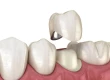
Dental reconstruction incorporates a wide array of techniques, each tailored to address specific structural or aesthetic challenges. These procedures work together to restore teeth to their optimal condition while safeguarding the surrounding oral environment. For example, dental implants replace lost tooth roots and provide a stable foundation for crowns or bridges, restoring both function and appearance. Crowns and bridges reinforce weakened teeth and close gaps, preventing misalignment and further deterioration. Veneers are often used for front teeth to correct cosmetic imperfections, creating a natural and harmonious smile. In cases where jawbone loss is present, bone grafting can rebuild the underlying structure, preparing the mouth for further restorative treatments. Full-mouth reconstruction combines multiple approaches, integrating functional, structural, and cosmetic restoration for a comprehensive solution.
The selection and combination of these procedures are highly individualized. Factors such as the patient’s oral health, bite alignment, age, and lifestyle influence the treatment plan. The overarching goal is to create a mouth that not only looks healthy but also functions efficiently and comfortably for years to come.
Technological Advancements in Dental Reconstruction
Technological progress has revolutionized dental reconstruction, making it more predictable, precise, and patient-centered. Digital imaging allows for accurate mapping of the teeth and jaw, facilitating detailed planning and simulation before any procedure begins. This ensures that restorations fit perfectly and function in harmony with the natural bite.
Materials have also seen remarkable improvements. Modern ceramics and composites combine strength, durability, and lifelike aesthetics, enabling restorations that are almost indistinguishable from natural teeth. In complex cases, such as full-mouth reconstruction, technology reduces uncertainty, shortens treatment duration, and enhances patient comfort. The integration of scientific research, clinical expertise, and innovative materials has elevated dental reconstruction from a purely functional procedure to a sophisticated art form in dentistry.
The Comprehensive Approach of Dental Reconstruction
Dental reconstruction is rarely a one-size-fits-all solution. Each patient’s oral structure, medical history, and aesthetic goals create a unique blueprint for treatment. In practice, a comprehensive approach begins with a meticulous evaluation of the teeth, gums, jawbone, and bite. Advanced imaging techniques, such as 3D cone-beam scans, allow dentists to assess the precise condition of the oral cavity, detect hidden structural weaknesses, and simulate the outcomes of various procedures before any intervention occurs. This level of planning ensures that the reconstruction will not only restore the smile but also maintain long-term functionality.
The philosophy behind reconstruction goes beyond superficial fixes. While cosmetic improvements are often the most visible outcome, the underlying priority is functional stability. Misaligned teeth or untreated structural damage can lead to chronic jaw pain, temporomandibular joint disorders, and accelerated wear of remaining teeth. A well-executed dental reconstruction addresses these potential complications proactively, combining structural repairs with aesthetic enhancements to achieve a balanced, healthy oral environment.
Restoring Function and Strength
One of the primary goals of dental reconstruction is to restore the function and strength of the teeth. When teeth are damaged, the ability to bite and chew efficiently diminishes, often leading to digestive issues or dietary limitations. Reconstructive procedures aim to rebuild the enamel and supporting structures so that the restored teeth can withstand the forces of daily use.
This process often involves multiple layers of treatment. For example, teeth weakened by decay may first require fillings or root canal therapy to stabilize internal structures. Following stabilization, crowns or bridges can be applied to restore the tooth’s external form and biting strength. In cases where teeth are missing entirely, dental implants offer a permanent solution that mimics natural roots, preventing bone loss and preserving the integrity of surrounding teeth. Each step is carefully coordinated to ensure that the mouth functions as a cohesive system rather than a series of isolated repairs.
Enhancing Aesthetic Outcomes
While function is critical, aesthetics remain a central aspect of dental reconstruction. Advances in materials science allow restorations to closely mimic the color, translucency, and texture of natural teeth. This is particularly important for visible teeth, where even minor imperfections can affect self-confidence and social interactions.
Cosmetic considerations are integrated into the reconstruction plan from the outset. For example, veneers can subtly adjust the shape, size, and color of teeth, while crowns and bridges restore both function and appearance. Even in full-mouth reconstructions, careful attention is paid to symmetry, alignment, and the natural contours of the teeth and gums. This integration of science and artistry ensures that patients receive results that are both visually pleasing and functionally robust.
Long-Term Maintenance and Care
Dental reconstruction does not end with the completion of procedures; long-term maintenance is essential to preserve the outcomes. Regular dental check-ups, proper oral hygiene, and lifestyle adjustments are critical in maintaining the integrity of restorations. Advanced restorations, while durable, are still susceptible to wear, damage, or complications if not properly cared for.
Patients are often guided through personalized maintenance plans, which may include specialized cleaning techniques, dietary recommendations, and periodic evaluations of the bite and jaw alignment. This ongoing care ensures that the benefits of dental reconstruction extend well into the future, protecting the investment in oral health while preventing the recurrence of previous issues.
Psychological and Quality-of-Life Benefits
The impact of dental reconstruction extends beyond physical health. Restoring damaged or missing teeth can profoundly affect self-esteem, social interactions, and overall quality of life. People often report increased confidence when smiling, improved communication, and greater comfort in everyday activities such as eating and speaking.
Moreover, addressing functional problems such as misalignment, jaw strain, or difficulty chewing can alleviate chronic discomfort and prevent long-term health issues. The holistic benefits of dental reconstruction demonstrate that the procedure is not purely cosmetic but a comprehensive intervention that supports both physical and emotional well-being.
Emerging Trends and Research in Dental Reconstruction
Recent research in dental materials, regenerative medicine, and digital dentistry continues to push the boundaries of dental reconstruction. Studies on bioengineered dental tissues and advanced bone grafting techniques suggest the possibility of even more natural and long-lasting restorations in the near future. Digital workflows, including AI-assisted design and 3D printing, are improving precision, reducing treatment times, and enhancing patient experiences.
These emerging trends indicate a future where dental reconstruction becomes even more individualized, minimally invasive, and efficient. By integrating scientific research, technological innovation, and clinical expertise, modern dentistry is creating solutions that were once thought impossible, enabling patients to achieve fully functional and aesthetically pleasing oral health.

Common Questions About Dental Reconstruction
Dental reconstruction often raises numerous questions among patients, ranging from procedure details to recovery expectations. One of the most frequently asked questions is how long a full reconstruction process might take. The timeline varies significantly depending on the complexity of the case. Simple reconstructions may require just a few appointments over several weeks, while full-mouth reconstructions can span several months, especially if bone grafts or multiple implants are involved. Each step is carefully scheduled to allow proper healing and ensure the durability of the restorations.
Another common question concerns pain or discomfort during and after procedures. Modern dentistry employs advanced anesthesia techniques and minimally invasive approaches to reduce discomfort. Post-procedure sensitivity is normal, particularly after extensive work, but it typically subsides as healing progresses. Patients are guided with care instructions to optimize recovery and maintain oral hygiene without compromising the restoration.
The Science Behind Material Choices
Materials used in dental reconstruction are carefully selected for their strength, biocompatibility, and aesthetic qualities. High-quality ceramics, such as zirconia and lithium disilicate, mimic the translucency and texture of natural teeth while offering exceptional durability. Composite resins are often used for fillings and minor repairs due to their versatility and ability to blend seamlessly with natural tooth color.
The choice of material is guided by both functional needs and aesthetic considerations. For example, anterior teeth restorations prioritize appearance, while molar restorations emphasize strength to withstand biting forces. This scientific approach ensures that every reconstruction is tailored to the patient’s oral environment, achieving results that are both functional and visually harmonious.
Case Examples and Outcomes
Consider a patient with multiple missing teeth and severe enamel erosion. A comprehensive dental reconstruction might involve stabilizing remaining teeth, placing dental implants, restoring bite alignment, and finally applying crowns and veneers to achieve a natural, symmetrical smile. Clinical studies have shown that patients undergoing full-mouth reconstructions report significant improvements not only in chewing efficiency but also in confidence and social interaction.
Another scenario involves patients with chronic bruxism and fractured teeth. Reconstruction in such cases focuses on rebuilding the structural integrity of teeth, often using crowns or overlays that resist wear, combined with bite adjustments to prevent further damage. These tailored interventions demonstrate how dental reconstruction addresses both underlying causes and visible symptoms, creating long-term functional and aesthetic improvements.
The Role of Preventive Care in Supporting Reconstruction
Even the most advanced dental reconstruction relies on ongoing preventive care to ensure lasting results. Regular dental visits, consistent oral hygiene, and lifestyle adjustments such as reducing acidic food intake or avoiding excessive teeth grinding are essential. Preventive measures help maintain both natural teeth and restored structures, minimizing the risk of complications like decay, fractures, or gum disease.
Patients are often educated on specialized cleaning techniques, including the use of interdental brushes, flossing aids, and antimicrobial rinses, to maintain optimal oral health. By integrating reconstruction with preventive care, dentistry ensures that patients enjoy functional and aesthetic benefits for many years, making the investment in oral health sustainable.
Future Directions and Innovations
The field of dental reconstruction continues to evolve rapidly. Emerging technologies such as regenerative dental tissue, bioactive materials, and AI-assisted planning are shaping the next generation of treatments. Researchers are exploring ways to stimulate natural tooth and bone regeneration, potentially reducing the need for synthetic materials.
Digital workflows and 3D printing are also making reconstruction more precise and efficient, allowing for patient-specific designs that match both the functional and aesthetic demands of each individual. These innovations promise a future in which dental reconstruction becomes more predictable, less invasive, and more closely aligned with natural oral physiology.
Why Dental Reconstruction Matters
Dental reconstruction is far more than a cosmetic intervention; it is a comprehensive solution that restores health, function, and confidence. By addressing structural weaknesses, aesthetic concerns, and functional impairments, reconstruction transforms the oral health of patients in a holistic manner. Scientific research, technological advances, and skilled clinical execution converge to create outcomes that are durable, natural, and life-enhancing.
Whether addressing isolated dental issues or undertaking full-mouth restoration, understanding the intricacies of dental reconstruction allows patients to make informed decisions and appreciate the profound impact it can have on daily life. The combination of science, artistry, and preventive care ensures that modern dental reconstruction delivers results that are both practical and inspiring.