







When you walk into a dental office hoping to restore your smile with a dental bridge, you might not realize there's an entire coding system working behind the scenes. These codes, known as CDT (Current Dental Terminology) codes, serve as the universal language between dentists, insurance companies, and patients. Understanding these codes can help you navigate your treatment plan and insurance coverage with confidence. At DentPrime, we believe informed patients make better decisions about their oral health, which is why we're diving deep into the world of dental bridge coding.
The journey to replacing missing teeth often leads patients to consider fixed prosthetic solutions. A dental bridge represents one of the most time-tested and reliable options available. But before any treatment begins, your dental provider must document everything using standardized codes. These codes determine what your insurance covers, how procedures are billed, and ultimately what you pay out of pocket.
Understanding CDT Codes for Dental Bridge Procedures
CDT codes function like a detailed map of every possible dental procedure. The American Dental Association maintains and updates these codes annually to reflect advances in dental care. For fixed prosthetics like a dental bridge, the codes fall primarily within the D6200 to D6999 range.
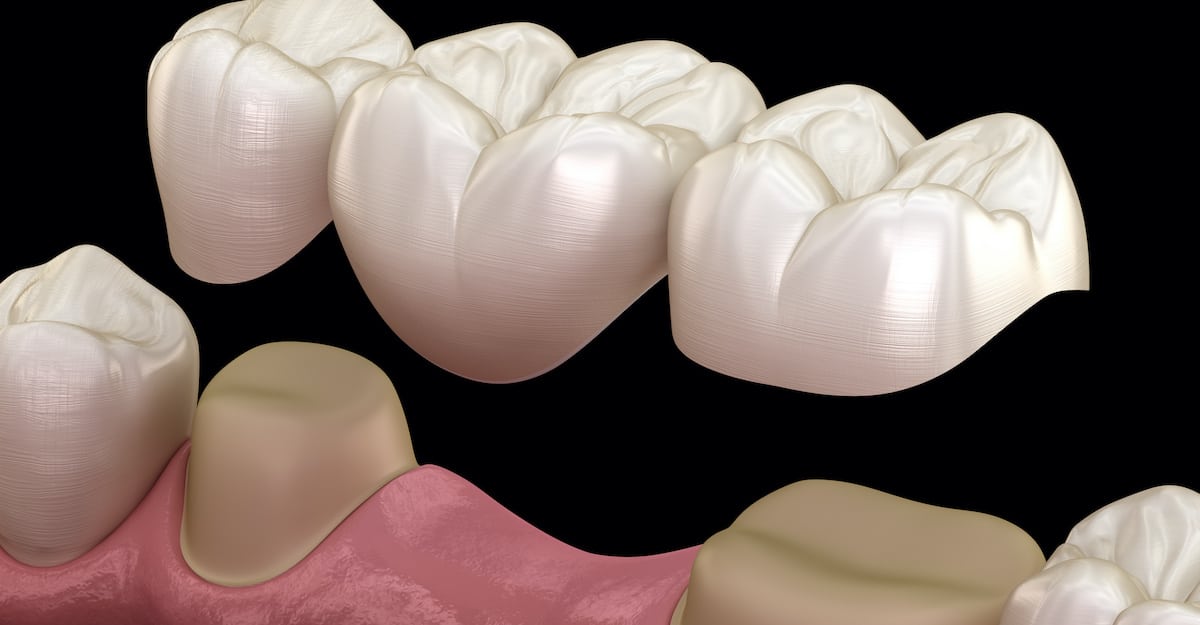
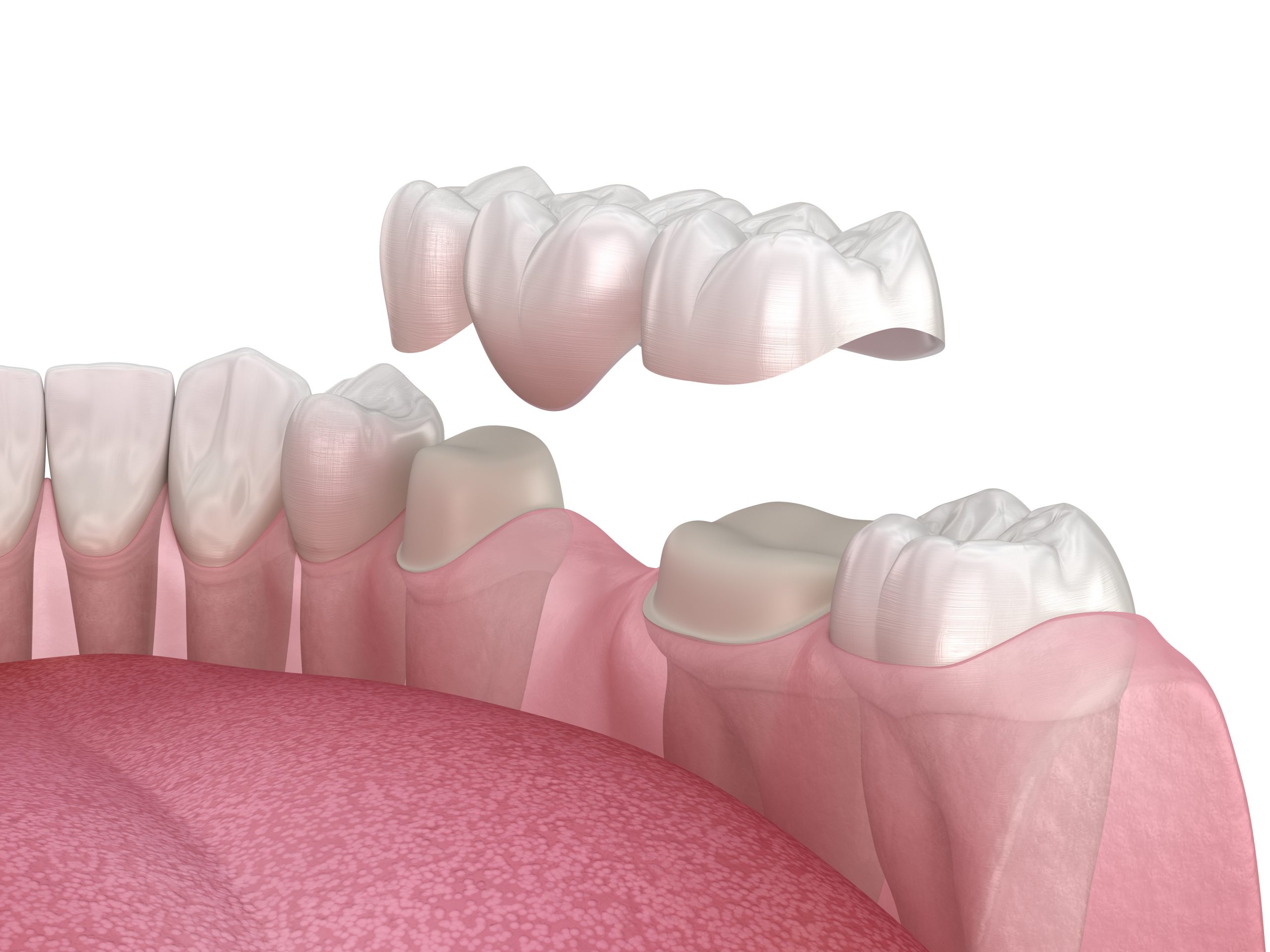
Each component of your tooth replacement has its own specific code. The pontic, which is the artificial tooth that fills the gap, carries different codes than the retainer crowns that anchor the entire structure. This level of detail ensures accuracy in billing and helps insurance companies understand exactly what treatment you received.
When your dentist prepares a treatment plan involving a fixed partial denture, they'll typically list multiple codes. These might include codes for the abutment crowns, the pontic material, and sometimes additional procedures needed before placement. Understanding this breakdown helps you see exactly where your money goes.
Types of Dental Bridge CDT Codes You Should Know
The coding system categorizes fixed prosthetics based on materials and design. Here's a breakdown of common codes you might encounter:
| Code Range | Description | Common Use |
|---|---|---|
| D6210 | Pontic - cast high noble metal | Traditional metal bridges |
| D6211 | Pontic - cast predominantly base metal | Cost-effective metal option |
| D6212 | Pontic - cast noble metal | Mid-range metal choice |
| D6240 | Pontic - porcelain fused to high noble metal | Popular aesthetic choice |
| D6245 | Pontic - porcelain/ceramic | All-ceramic restorations |
| D6250 | Pontic - resin with high noble metal | Alternative material option |
The retainer crowns that support your dental bridge have their own corresponding codes. These typically mirror the pontic codes but fall under different number sequences. For instance, D6750 represents a retainer crown made of porcelain fused to high noble metal.
Material selection impacts both the code used and your final cost. Noble metals contain higher percentages of precious metals like gold, while base metals offer durability at lower costs. Your dentist can explain which materials work best for your specific situation.
How Insurance Companies Use Dental Bridge Coding
Insurance providers rely heavily on CDT codes to process claims and determine coverage. When your dentist submits a claim for a fixed partial denture, the insurance company reviews each code to verify medical necessity and covered benefits.
Most dental insurance plans cover tooth replacement prosthetics, but coverage percentages vary widely. Some plans cover 50% of major restorative work, while others might offer more or less. The specific codes submitted can sometimes affect how quickly your claim processes.
Pre-authorization represents a smart step before beginning any significant dental work. Your provider can submit the proposed codes to your insurance company beforehand. This gives you a clear picture of expected costs and prevents surprise bills later.
Understanding your dental bridge codes also helps if you need to appeal a denied claim. You can speak more knowledgeably with insurance representatives when you understand what each code represents. Knowledge truly becomes power in these situations.
The Complete Dental Bridge Procedure and Associated Codes
Creating a fixed prosthetic involves multiple appointments and procedures, each potentially carrying its own code. The process typically begins with preparatory work and ends with final cementation.
Initial appointments often involve tooth preparation. Your dentist shapes the abutment teeth to receive the retainer crowns. This preparation might include codes for core buildups (D2950) if significant tooth structure needs replacement before crown placement.
Impression taking follows preparation, though this step doesn't always carry a separate code. Many practices include impressions within the overall prosthetic fee. However, digital impressions using intraoral scanners may sometimes appear as separate line items.
Try-in appointments allow your dentist to verify fit and aesthetics before final cementation. While often included in the overall fee, complex cases might show additional codes for adjustments. The final cementation appointment typically falls under the main dental bridge codes already listed.
Temporary restorations protect your prepared teeth while the laboratory creates your permanent prosthesis. Code D6793 covers temporary fixed partial dentures. This code appears when temporaries require separate billing outside the main procedure fee.
Comparing Dental Bridge Options Through CDT Codes
Different bridge designs serve different clinical needs, and the coding reflects these variations. Traditional fixed bridges, Maryland bridges, and cantilever designs each have appropriate code applications.
Traditional three-unit bridges require two retainer crowns and one pontic. A typical claim might show:
- One pontic code (such as D6240 for porcelain fused to metal)
- Two retainer crown codes (such as D6750 for each abutment)
Maryland bridges, also called resin-bonded fixed partial dentures, use metal wings that bond to adjacent teeth. These conservative options appear under codes D6545 (retainer - cast metal) and appropriate pontic codes. This design preserves more natural tooth structure.
Cantilever bridges anchor on only one side, requiring just one retainer crown. While less common, these still utilize standard pontic and retainer codes. Your dentist recommends specific designs based on your oral anatomy and functional needs.
Implant-supported dental bridge options have grown increasingly popular. These combine implant codes (D6010 for surgical placement) with specially designed abutment and crown codes. The result provides exceptional stability without affecting adjacent natural teeth.
What Affects Your Final Dental Bridge Cost
Several factors influence what you'll ultimately pay for tooth replacement, and understanding these helps with financial planning. Material selection represents perhaps the most significant variable.
High noble metals cost more than base metals, reflected in both the codes used and laboratory fees. All-ceramic options often command premium prices due to superior aesthetics. Your dentist can show you samples and explain the benefits of each material choice.
Geographic location plays a role in pricing. Dental fees vary significantly across different regions and even between practices in the same area. Urban practices often charge more than rural offices due to higher overhead costs.
Laboratory fees represent a substantial portion of any dental bridge cost. Complex cases requiring specialized techniques increase these fees. Some practices work with overseas laboratories to reduce costs, while others prefer domestic labs for quality control and communication.
Insurance coverage dramatically affects out-of-pocket expenses. Patients with robust dental insurance paying 50% or more of major services face much lower personal costs. Those without insurance or with limited coverage must budget more carefully.
Payment plans and dental financing options help many patients afford necessary treatment. DentPrime works with patients to find manageable payment solutions. No one should delay necessary dental care due to financial concerns.
Ensuring Accurate Coding for Your Dental Bridge Treatment
Accuracy in dental coding protects both patients and providers. Incorrect codes can lead to claim denials, payment delays, or even accusations of fraud. Reputable practices maintain strict coding standards.
Your treatment plan should clearly list all anticipated codes before treatment begins. Don't hesitate to ask questions if anything seems unclear. A good dental team welcomes patient questions and provides clear explanations.
Keep copies of all submitted codes and insurance correspondence. These records prove invaluable if disputes arise later. Organized patients can advocate more effectively for themselves when needed.
Review your Explanation of Benefits statements carefully after treatment. These documents show what codes were submitted, what insurance paid, and what you owe. Discrepancies should be addressed promptly with both your dental office and insurance company.
Choosing a reputable provider like DentPrime ensures proper coding practices from the start. Our team stays current on coding updates and maintains meticulous records for every patient.
The world of dental coding might seem complex at first glance, but understanding the basics empowers you as a patient. Whether you're considering a dental bridge or simply planning for future dental needs, this knowledge serves you well. At DentPrime, we prioritize transparency in all aspects of care, from treatment planning through final billing. Your smile restoration journey should feel clear and manageable every step of the way.
About the Author

Similar Posts
Content similar to this post could not be found.