






The question “Can I eat chicken after Dental Implant surgery?” is one of the most common concerns patients have after undergoing a Dental Implant procedure. Nutrition plays a subtle yet crucial role in how the body adapts to the implant, and food choices during recovery can influence comfort, healing perception, and overall experience.
Table Of Contents
- What Happens After a Dental Implant Procedure?
- Can You Eat Chicken After Dental Implant Surgery?
- Why Texture Matters More Than the Food Itself
- When Is the Right Time to Eat Chicken?
- Nutritional Benefits of Chicken in Dental Implant Recovery
- Common Mistakes When Eating After a Dental Implant
- Smart Ways to Prepare Chicken After Dental Implant Surgery
- Psychological Comfort and Food Choices After Dental Implant
- Balance, Timing, and Awareness
What Happens After a Dental Implant Procedure?
A Dental Implant is placed into the jawbone through a carefully planned surgical process. After placement, the body initiates a biological response known as osseointegration. This is when the implant gradually bonds with the surrounding bone tissue.
During the early healing phase, the surgical site is sensitive. The gums may feel tender, and the area around the Dental Implant requires minimal disturbance. This is why dietary adjustments are often discussed. It is not only about what you eat, but how your food interacts with the healing tissues.
From a biological perspective, chewing pressure, temperature, and food texture can influence how comfortable the healing phase feels. While the implant itself is stable, the surrounding soft tissues are still adapting.
Can You Eat Chicken After Dental Implant Surgery?
The short answer is yes, but timing and preparation matter. Eating chicken after a Dental Implant procedure is generally possible once the initial healing phase has progressed. However, immediately after surgery, softer alternatives are typically preferred.
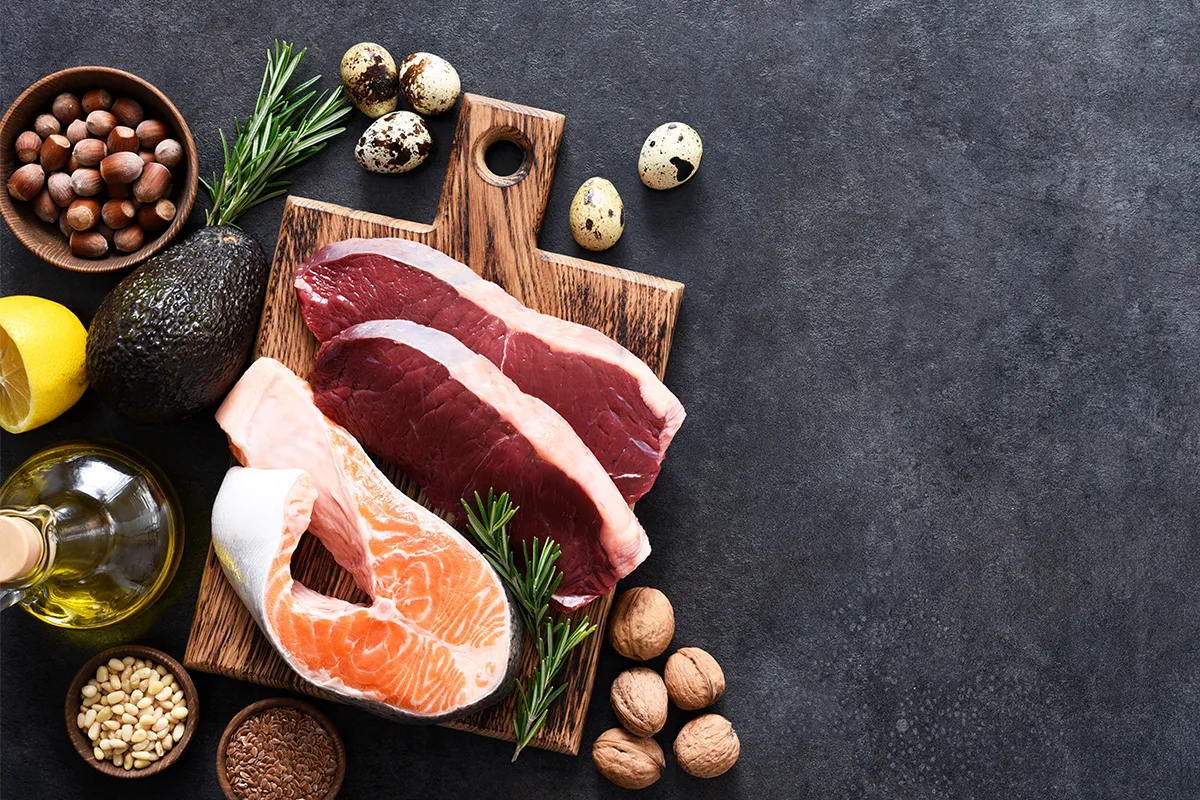
Chicken, as a protein-rich food, supports tissue repair. Protein contributes to collagen formation, which is essential for gum recovery. This makes chicken a valuable part of a post-Dental Implant diet when introduced appropriately.
The key factor is texture. Soft, well-cooked chicken that is easy to chew is far more suitable than fried or tough cuts. Shredded or finely chopped chicken reduces mechanical stress on the implant site and enhances comfort during eating.
Why Texture Matters More Than the Food Itself
After a Dental Implant procedure, the body is not rejecting food types, but responding to physical interaction. Hard, crunchy, or fibrous foods can create pressure or irritation around the implant site.
Chicken can vary greatly in texture depending on how it is prepared. Consider the difference:
Chicken Type | Suitability After Dental Implant |
Boiled and shredded | Highly suitable |
Grilled (soft) | Moderately suitable |
Fried or crispy | Not recommended early on |
Tough roasted cuts | Less suitable |
The more tender the chicken, the easier it is for the mouth to process it without unnecessary strain. This makes preparation method more important than the ingredient itself when recovering from a Dental Implant procedure.

When Is the Right Time to Eat Chicken?
The timeline for reintroducing foods like chicken after a Dental Implant varies between individuals. Factors such as bone density, surgical complexity, and personal healing response all play a role.
Generally, the recovery timeline can be viewed in phases:
- First 24 to 72 hours
Focus on liquids and very soft foods. Chicken is usually avoided in this stage. - Days 3 to 7
Soft foods are gradually introduced. Finely shredded chicken may be tolerated if chewing is minimal. - After the first week
More variety is possible. Soft chicken dishes become easier to consume. - After several weeks
Normal textures can slowly return, depending on comfort levels.
This progression is not a strict rule but a general observation of how patients adapt after a Dental Implant procedure.
Nutritional Benefits of Chicken in Dental Implant Recovery
Chicken is often highlighted in post-surgical diets for good reason. After a Dental Implant, the body requires nutrients that support tissue regeneration and immune function.
Key benefits include:
- High protein content: Supports tissue repair and recovery
- Rich in B vitamins: Helps maintain energy levels during healing
- Contains essential minerals: Such as phosphorus, which contributes to bone health
While chicken is not the only source of these nutrients, it is a practical and accessible option. When prepared correctly, it aligns well with the dietary needs following a Dental Implant procedure.
Common Mistakes When Eating After a Dental Implant
Patients often focus on what they can eat but overlook how they eat. After a Dental Implant, small habits can make a noticeable difference in comfort.
Some common mistakes include:
- Chewing directly on the implant side too early
- Eating food that appears soft but requires significant chewing
- Consuming very hot meals that may increase sensitivity
- Eating too quickly, which increases pressure on the surgical site
Even when eating something as simple as chicken, these factors can influence the overall experience after a Dental Implant.
Smart Ways to Prepare Chicken After Dental Implant Surgery
Preparation techniques can transform chicken into a recovery-friendly meal. After a Dental Implant, simplicity is often the best approach.
Consider these preparation ideas:
- Boiled and shredded chicken mixed with soft rice or mashed vegetables
- Chicken soup with finely broken pieces for easy swallowing
- Slow-cooked chicken that naturally becomes tender and easy to chew
Avoid heavily seasoned or spicy versions in the early phase, as they may cause discomfort around the Dental Implant area. Mild flavors tend to be better tolerated.
Psychological Comfort and Food Choices After Dental Implant
Interestingly, food choices after a Dental Implant are not purely physical. There is also a psychological component. Patients often feel more confident when they return to familiar foods like chicken.
This sense of normalcy can positively influence the recovery experience. Feeling comfortable with food reduces stress, which indirectly supports overall well-being during the healing process.
However, balancing comfort with caution is key. While it is reassuring to eat familiar meals, adapting texture and eating habits ensures that the Dental Implant site remains undisturbed.
Balance, Timing, and Awareness
Eating chicken after a Dental Implant procedure is not only possible but can be beneficial when approached thoughtfully. The focus should be on timing, preparation, and awareness rather than strict restrictions.
At DentPrime, the goal is to empower patients with knowledge rather than overwhelm them with limitations. Recovery after a Dental Implant is a gradual process, and dietary choices are just one part of that journey.
Understanding how your body responds, choosing softer textures, and progressing at your own pace can make the experience smoother and more comfortable. Chicken, when prepared appropriately, fits naturally into this process.
About the Author