





Undergoing a Dental Implant procedure often triggers a wave of very human questions, and food is usually at the top of that list. Among the soft, comforting options people think about, oatmeal stands out as a familiar favorite. In the very first days after a Dental Implant, eating is not just about hunger; it is also about texture, temperature, timing, and comfort.
Rather than offering medical advice, this guide looks at how people commonly experience eating after a Dental Implant, what oatmeal represents nutritionally and culturally, and how these two ideas intersect. The goal is to answer the kinds of questions real people ask, using a scientific yet enjoyable tone, while keeping the discussion practical and thoughtful.
Table Of Contents
- Dental Implant Recovery and the First Foods People Think About
- Why Oatmeal Comes Up So Often After Dental Implant Procedures
- Texture, Temperature, and Dental Implant Awareness
- Nutritional Perspectives on Oatmeal and Dental Implant Healing
- Dental Implant Experiences and Individual Differences
- How Preparation Style Changes the Dental Implant Experience
- Psychological Comfort Foods and Dental Implant Recovery
- Dental Implant Myths Around Soft Foods Like Oatmeal
- Finding Balance With Dental Implant Friendly Eating
- Oatmeal, Dental Implant Awareness, and Real Life Choices
Dental Implant Recovery and the First Foods People Think About
After a Dental Implant, many people rethink food in ways they never had before. Meals become quieter, slower, and more intentional. Instead of crunch and chew, the focus often shifts toward softness and ease. In this context, oatmeal is frequently mentioned because it is associated with warmth, comfort, and simplicity.
From a behavioral perspective, this makes sense. Soft foods are easier to manage when chewing feels unfamiliar or slightly awkward. A Dental Implant can temporarily change how the mouth feels, even if pain is not a central issue. Texture awareness becomes sharper, and foods that require little effort feel safer.
At the same time, people often wonder whether soft automatically means suitable. With a Dental Implant, the concern is not only about chewing but also about how food interacts with the surgical area. Oatmeal, while soft, has its own characteristics that deserve closer attention.
Why Oatmeal Comes Up So Often After Dental Implant Procedures
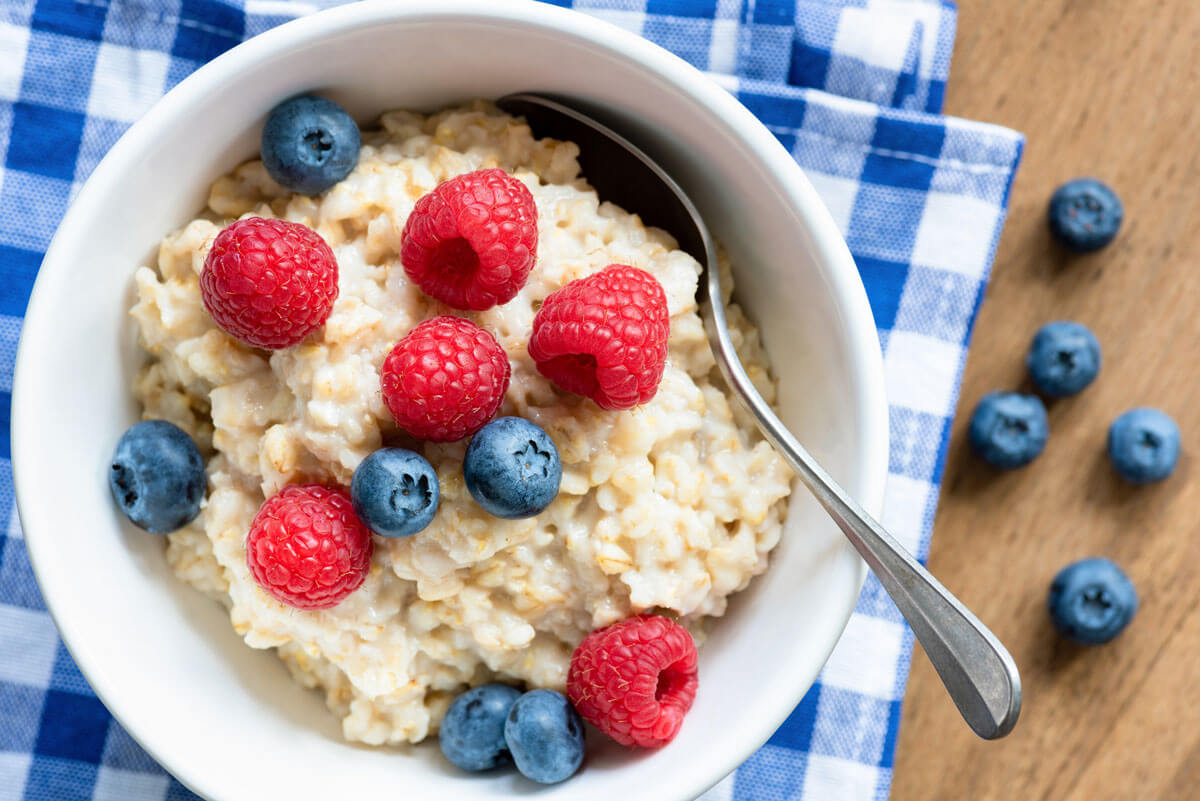
Oatmeal has a strong reputation as a recovery food across many medical and dental contexts. After a Dental Implant, people gravitate toward it because it is widely perceived as gentle, filling, and adaptable. It can be eaten plain or customized, warm or at room temperature.
Another reason oatmeal is frequently discussed after a Dental Implant is its cultural positioning as a “safe” food. Many people grew up eating oatmeal when they were sick or tired, so it carries an emotional sense of reliability. This psychological comfort can be just as important as physical ease during recovery periods.
However, oatmeal is not a single, uniform product. Rolled oats, steel cut oats, instant oats, and overnight oats all behave differently in the mouth. Understanding these differences helps explain why experiences with oatmeal after a Dental Implant vary from person to person.
Texture, Temperature, and Dental Implant Awareness
When people talk about eating after a Dental Implant, they are often really talking about sensation. Texture plays a major role here. Oatmeal is generally soft, but it can also be sticky or slightly grainy depending on how it is prepared.
Stickiness matters because foods that cling can feel more noticeable around a Dental Implant site. Even without discomfort, this awareness can be distracting. Some people report that smoother preparations feel easier, while thicker or undercooked oatmeal feels more present in the mouth.
Temperature is another factor people often consider after a Dental Implant. Warm foods are typically described as soothing, yet very hot foods may feel overwhelming. Oatmeal’s flexibility in temperature allows people to adjust based on personal comfort rather than strict rules.
Nutritional Perspectives on Oatmeal and Dental Implant Healing
From a nutritional standpoint, oatmeal is often associated with balance. It contains carbohydrates, fiber, and small amounts of protein, which can be appealing when appetite is inconsistent after a Dental Implant.
People recovering from a Dental Implant often look for foods that provide energy without demanding much chewing. Oatmeal fits that expectation for many. It is also easy to combine with other soft ingredients, which allows variety without introducing hard textures.
That said, some individuals notice that high fiber foods feel heavier in the mouth after a Dental Implant. This does not make oatmeal unsuitable, but it highlights how individual digestion and oral sensitivity influence food choices during recovery.
For a deeper look at oats as a food source, some readers explore general nutrition resources such as whole grain information from Harvard T.H. Chan School of Public Health, which discuss oatmeal beyond a dental context.
Dental Implant Experiences and Individual Differences
No two Dental Implant experiences are identical. Some people return to normal eating patterns quickly, while others move more cautiously. Oatmeal can feel completely natural for one person and oddly uncomfortable for another.
These differences often come down to personal sensitivity, previous dental experiences, and even habits like how quickly someone eats. A Dental Implant can heighten awareness of routine actions, making familiar foods feel unfamiliar for a short time.
It is also common for people to experiment gradually. Someone might try a few spoonfuls of oatmeal, pause, and then decide whether it feels right. This exploratory approach reflects how people intuitively adapt after a Dental Implant, using their own feedback rather than rigid instructions.
How Preparation Style Changes the Dental Implant Experience
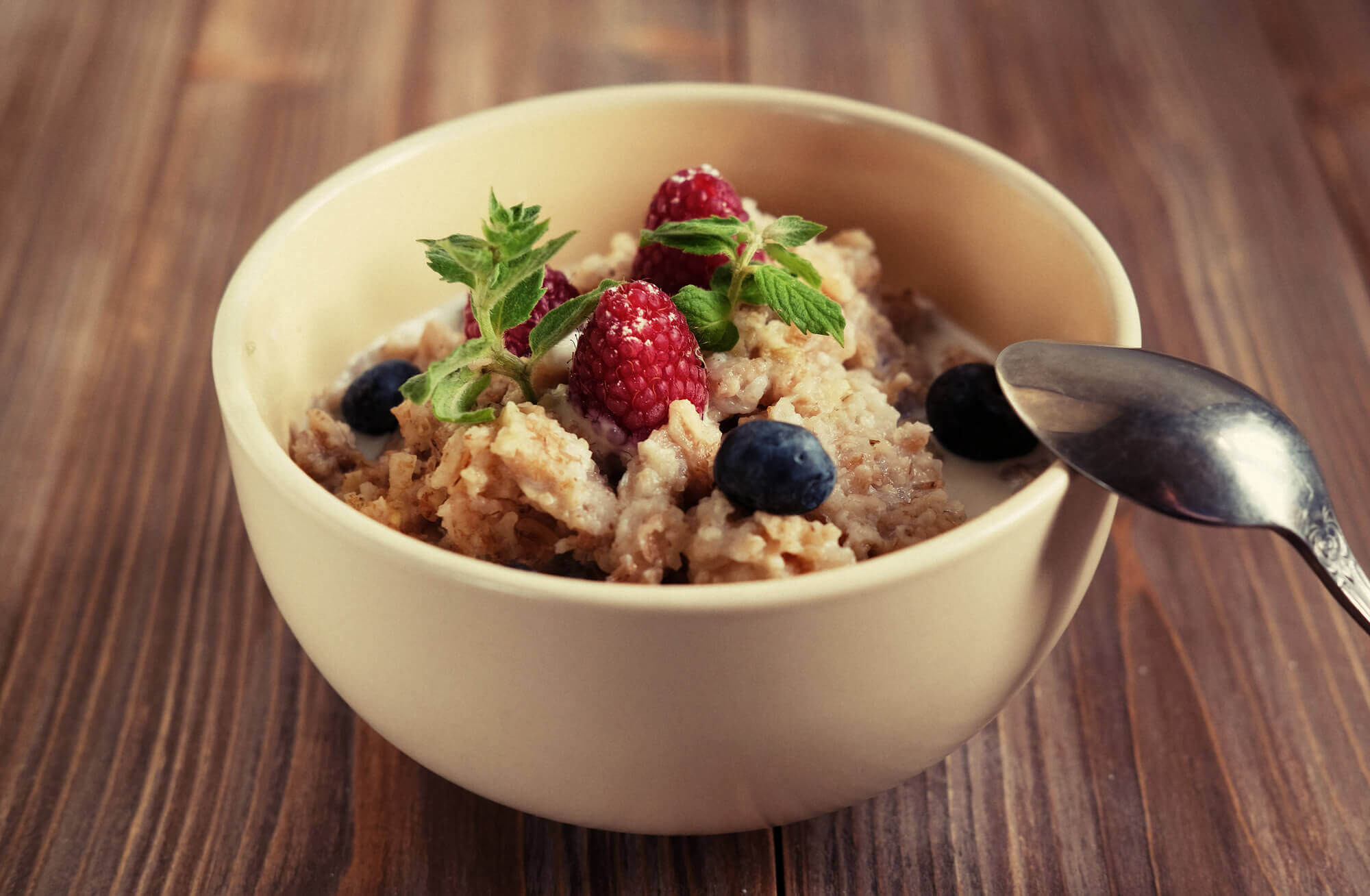
Preparation makes a noticeable difference when eating oatmeal after a Dental Implant. Finely cooked oats with extra liquid tend to feel smoother, while thicker versions require more tongue and jaw involvement.
Some people choose to blend oatmeal into a near porridge consistency, especially in the early days after a Dental Implant. Others prefer overnight oats because they are softer and cooler. These choices are less about rules and more about comfort.
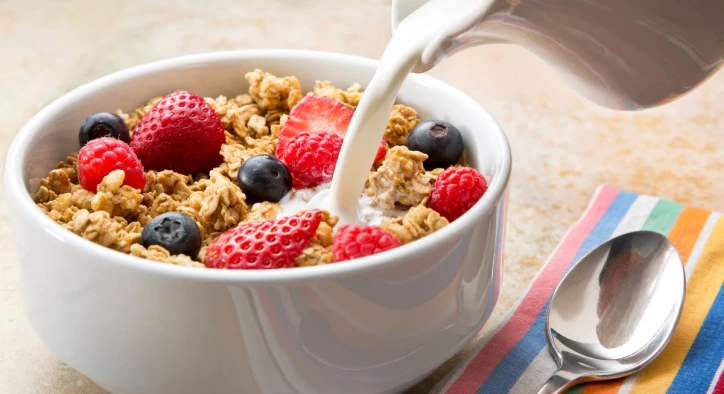
Add-ins also matter. While plain oatmeal is common, people often wonder about fruits, seeds, or sweeteners. After a Dental Implant, many naturally avoid anything that adds crunch or sharp texture, not because it is forbidden, but because it simply feels less appealing.
Psychological Comfort Foods and Dental Implant Recovery
Food is not just fuel. After a Dental Implant, it can also be reassurance. Oatmeal’s role as a comfort food should not be underestimated. Familiar flavors can reduce stress and help people feel more normal during recovery.
This emotional aspect is often overlooked in discussions about Dental Implant care. Feeling relaxed while eating can influence how the body responds to the entire experience. When a food feels safe and comforting, people tend to eat more slowly and mindfully.
That sense of calm can be valuable, especially in the first few days after a Dental Implant, when routines are still adjusting. Oatmeal often earns its place not because it is perfect, but because it feels predictable.
Dental Implant Myths Around Soft Foods Like Oatmeal
There is a common assumption that all soft foods are automatically ideal after a Dental Implant. Oatmeal challenges this idea slightly because softness alone does not determine comfort.
Some people worry that grains might interfere with a Dental Implant, while others assume oatmeal is universally recommended. In reality, experiences fall along a spectrum. Oatmeal is neither a miracle food nor a problem food.
Understanding this helps reduce unnecessary anxiety. A Dental Implant does not require perfection in food choices, especially when people listen to their own comfort cues. Oatmeal becomes one option among many, not a mandatory or forbidden item.
For broader context on dental implants as a concept, readers sometimes consult general educational sources like the American Academy of Implant Dentistry, which explain implants without focusing on specific foods.
Finding Balance With Dental Implant Friendly Eating
Ultimately, eating after a Dental Implant is about balance. People often seek foods that are easy, familiar, and satisfying. Oatmeal meets many of these expectations, which explains its popularity in post procedure conversations.
Rather than asking whether oatmeal is allowed, many find it more helpful to ask how it feels. A Dental Implant recovery period invites experimentation within personal comfort zones. Oatmeal’s flexibility makes it adaptable to many preferences.
As routines normalize, foods like oatmeal often fade back into their usual role. For some, it becomes a short term staple. For others, it is simply one meal among many. In both cases, the Dental Implant journey continues without being defined by a single bowl of oats.
Oatmeal, Dental Implant Awareness, and Real Life Choices
So, can you eat oatmeal after a Dental Implant? In real life, many people do, and many feel comfortable doing so. The experience depends on texture, preparation, timing, and individual sensitivity rather than absolute rules.
This article, created for DentPrime, aimed to explore the question from multiple angles without turning it into rigid guidance. A Dental Implant is a significant step, but it does not remove personal choice from everyday life.
Oatmeal remains what it has always been: a flexible, familiar food that people adapt to their own needs. In the context of a Dental Implant, that adaptability is exactly what makes it worth discussing.
About the Author