
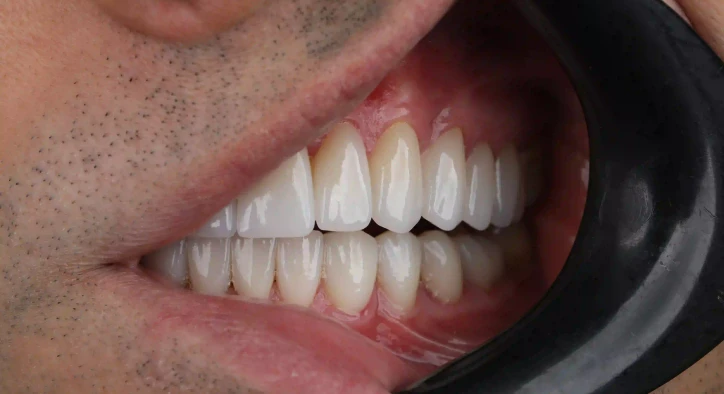

Výběr správného materiálu pro zubní náhradu je rozhodnutí, které ovlivní vaše zdraví ústní dutiny, pohodlí a sebevědomí na dlouhá léta. V minulosti si pacienti často museli vybírat mezi pevností kovu a krásou porcelánu. Nástup zirkonových korunek však způsobil revoluci v záchovné stomatologii tím, že nabídl jediné řešení, které vyniká v obou kategoriích. Ať už potřebujete opravit jeden zlomený molár, nebo uvažujete o kompletní proměně úsměvu, pochopení vlastností této „superkeramiky“ je klíčové.
Odklonem od kovových základů zajišťujeme, že váš úsměv zůstane jasný, zdravý a biokompatibilní. Tato příručka zkoumá vědu, která stojí za zirkonovými korunkami, jejich výhody oproti tradičním materiálům a důvody, proč se Istanbul stal globální destinací pro vysoce kvalitní a cenově dostupné zirkonové ošetření.
Obsah
- Co je to zirkonová korunka?
- Proč si vybrat zirkon místo tradičního porcelánu?
- Vypadají zirkonové korunky přirozeně?
- Zirkon vs. E-max: Kterou korunku si vybrat?
- Digitální pracovní postup: Jak vytváříme vaši zirkonovou korunku
- Co můžete očekávat během návštěvy
- Cena zirkonových korunek v Turecku: Průvodce cenami 2026
- Životnost a péče: Jak udržet zirkonový úsměv desetiletí
- FAQ - často kladené otázky
Co je to zirkonová korunka?
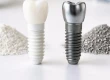
Abychom pochopili, co jsou zirkonové korunky, musíme se podívat na unikátní vlastnosti oxidu zirkoničitého ($ZrO_2$). Jedná se o bílý, práškový oxid kovu, který patří do rodiny keramiky. V dentální formě se zpracovává do pevných bloků, které jsou neuvěřitelně husté a houževnaté. Díky své krystalické struktuře odolává intenzivnímu tlaku při drcení a žvýkání bez praskání, což je vlastnost často nazývaná „lomová houževnatost“.
Klinicky působí zirkonová korunka jako ochranný kryt, který zcela uzavírá poškozený nebo zkažený zub. Jelikož je tento materiál výjimečně pevný i při malé tloušťce, umožňuje konzervativnější přípravu zubu, což znamená, že váš zubní lékař může zachovat více z vaší přirozené zubní struktury. Kromě toho je zirkon chemicky nereaktivní, což z něj činí ideální volbu pro pacienty s citlivostí na kovy.
Proč si vybrat zirkon místo tradičního porcelánu?
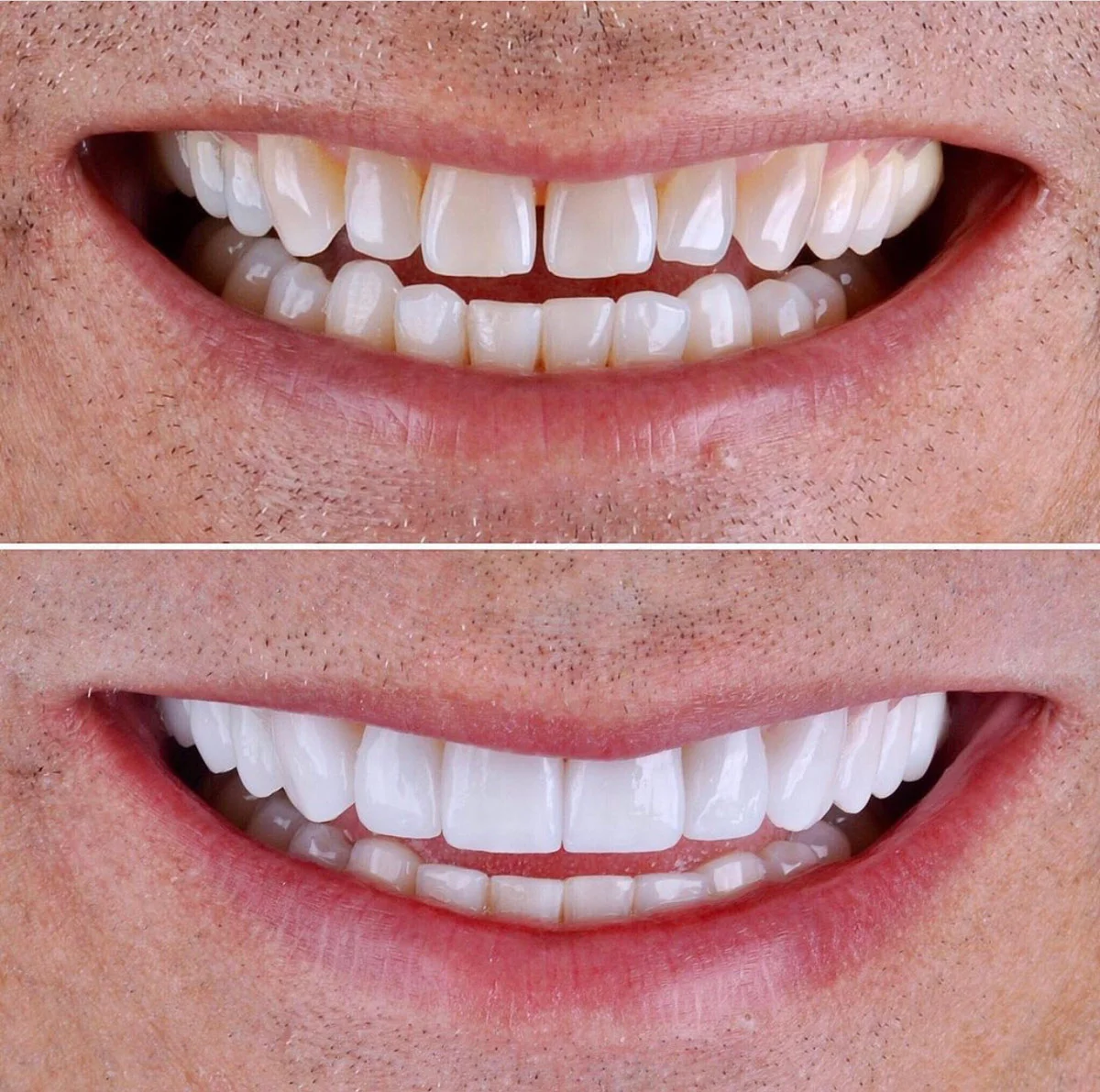
Po celá desetiletí byla standardem pro zubní korunky metalokeramika (PFM). Přestože je funkční, PFM korunky mají několik estetických a biologických nevýhod, které zirkonové korunky efektivně řeší.
- Žádná „tmavá linie“ u dásní: PFM korunky vyžadují kovový základ kvůli pevnosti. Časem, jak dásně přirozeně ustupují, se u okraje dásní často objevuje prozrazující šedá nebo černá linie. Jelikož je zirkon bílý v celém svém objemu, takový stín nikdy nevznikne.
- Vynikající odolnost: Tradiční porcelán je náchylný k odštípnutí, zejména na žvýkacích hranách. Zirkon je výrazně odolnější vůči opotřebení, díky čemuž je preferovaným materiálem pro zadní zuby (stoličky).
- Tepelná izolace: Kov rychle vede teplo a chlad, což může vést k citlivosti zubů. Zirkon má nízkou tepelnou vodivost, což poskytuje pohodlnější zážitek při konzumaci horkých nebo studených nápojů.
- Biokompatibilita: Někteří pacienti pociťují alergické reakce nebo podráždění dásní z niklových nebo chromových slitin používaných v kovových korunkách. Zirkon je 100% biokompatibilní, což znamená, že tělo jej přijímá jako přirozenou součást úst, což podporuje zdravější přilnutí dásní.
Vypadají zirkonové korunky přirozeně?
Jednou z nejčastějších otázek pacientů je: „Vypadají zirkonové korunky jako skutečné zuby?“ Odpověď spočívá v optických vlastnostech materiálu. Přirozené zuby jsou průsvitné (translucentní), což znamená, že světlo se od povrchu jen neodráží, ale proniká přes sklovinu a odráží se zevnitř.
Moderní zirkonové zuby jsou navrženy tak, aby imitovaly tuto průsvitnost. Špičkové zubní laboratoře dnes používají „vrstvený“ nebo „vícevrstvý“ (multilayer) zirkon. Tyto bloky mají v rámci jedné jednotky různé stupně barvy a průsvitnosti – tmavší a opáknější u krčku (blízko dásní) a světlejší a průsvitnější na žvýkací hraně. Tento „chameleonský efekt“ umožňuje, aby zirkonová korunka plynule splynula s okolními přirozenými zuby.
Zirkon vs. E-max: Kterou korunku si vybrat?
Ačkoliv jsou zirkonové korunky vynikající, nejsou jedinou estetickou možností. Mnoho pacientů se rozhoduje mezi zirkonem a E-maxem (lithium disilikát). Výběr obvykle závisí na tom, kde se zub v ústech nachází.
- Zirkon (volba pevnosti): Nejlepší pro zadní zuby (stoličky a třenové zuby) a můstky s dlouhým rozpětím. Jeho vysoká pevnost v ohybu (často přesahující 1000 MPa) jej činí téměř nezničitelným při silném žvýkacím zatížení.
- E-max (volba krásy): Nejlepší pro přední zuby (řezáky a špičáky). E-max má o něco vyšší průsvitnost než zirkon, díky čemuž je „zlatým standardem“ pro zónu úsměvu. Není však tak pevný jako zirkon a nemusí být vhodný pro pacienty, kteří skřípou zuby (bruxismus).
Vlastnost | Zirkonová korunka | E-max korunka |
Materiál | Oxid zirkoničitý | Lithium disilikát |
Odolnost | Extrémně vysoká („keramická ocel“) | Střední až vysoká |
Průsvitnost | Dobrá | Vynikající (jako sklovina) |
Nejlepší využití | Stoličky, můstky, bruxismus | Přední zuby, fazety |
Bez obsahu kovu? | Ano | Ano |
Digitální pracovní postup: Jak vytváříme vaši zirkonovou korunku
Vytvoření korunky zahrnuje vysoce přesný digitální proces známý jako CAD/CAM (Computer-Aided Design / Computer-Aided Manufacturing). Tato technologie eliminuje potřebu nepříjemných otisků a výrazně snižuje míru lidské chyby.
- 3D digitální skenování: Používáme intraorální skener k vytvoření digitální mapy vašeho připraveného zubu s vysokým rozlišením.
- CAD návrh: Pomocí specializovaného softwaru naši technici navrhnou tvar, velikost a zarovnání skusu korunky tak, aby dokonale odpovídaly vaší přirozené anatomii.
- CAM frézování: Návrh se odešle do frézovacího stroje. Robotické rameno vyřeže vaši korunku z pevného bloku zirkonu s mikroskopickou přesností.
- Sintrování a glazování: Vyfrézovaná korunka se umístí do vysokoteplotní pece (sintrování), aby dosáhla své konečné tvrdosti. Nakonec se ručně dobarví a naglazuje.
Co můžete očekávat během návštěvy
Standardní postup pro zirkonové korunky v Turecku obvykle vyžaduje dvě setkání v průběhu 5 až 7 dní.
- První setkání (Příprava): V lokální anestezii se zub vytvaruje, aby se vytvořil prostor pro korunku. Jelikož je zirkon tak pevný, musíme odstranit jen minimální množství skloviny. Když je zub připraven, uděláme digitální sken a nasadíme kvalitní dočasnou korunku.
- Druhé setkání (Finální nasazení): O několik dní později se vrátíte na kliniku. Odstraníme dočasnou korunku a vyzkoušíme zirkonovou náhradu. Zkontrolujeme body kontaktu, skus a barvu na přirozeném světle. Když jste na 100 % spokojeni, použijeme permanentní cement k upevnění korunky k vašemu zubu.
Cena zirkonových korunek v Turecku: Průvodce cenami 2026
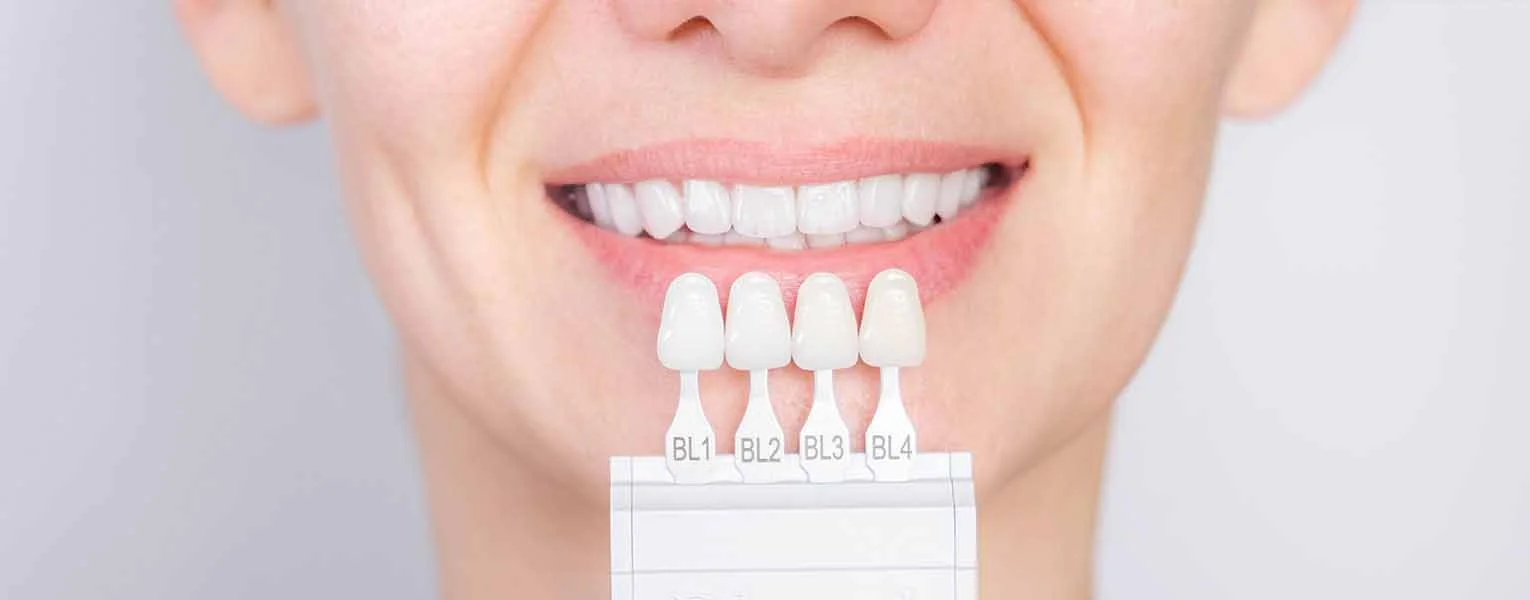
V roce 2026 se Turecko pevně etablovalo jako centrum pokročilé digitální stomatologie, které nabízí prémiové materiály za zlomek západních nákladů.
Průměrná cena za zirkonovou korunku v Turecku v roce 2026 se pohybuje od 160 € do 250 € za zub. Pro srovnání, stejná vysoce kvalitní rekonstrukce v USA nebo Německu může stát od 800 € do 1 500 €.
Proč je cena zirkonových korunek o tolik nižší?
- Nižší režijní náklady: Nájemné, laboratorní poplatky a administrativní náklady jsou v Turecku nižší.
- Přímé investice do technologií: Mnohé kliniky v Istanbulu vlastní své CAD/CAM frézy, čímž eliminují zprostředkovatele.
- Objem péče: Jako globální dentální uzel Turecko zpracovává vysoký objem mezinárodních případů, což umožňuje konkurenceschopnější ceny.
Životnost a péče: Jak udržet zirkonový úsměv desetiletí
Klinické studie ukazují, že při správné péči mají zirkonové náhrady 10letou míru přežití více než 92 %. Mnoho pacientů se z korunek těší 15 až 20 let nebo i déle.
Tipy pro údržbu:
- Používejte neabrazivní zubní pastu: I když je zirkon tvrdý, je nejlepší se vyhnout „bělicím“ pastám s vysokým obsahem siliky, které mohou vytvářet mikroškrábance.
- Denně používejte mezizubní nit: Samotná korunka se nezkazí, ale přirozená zubní struktura pod ní ano. Plak se stále může hromadit na okraji (kde se korunka setkává s dásní).
- Vyhněte se kousání extrémně tvrdých předmětů: Zirkon je houževnatý, ale není nezničitelný. Vyhněte se kousání ledu nebo otevírání obalů zuby.
- Noční chrániče pro „skřípače“: Pokud máte ve zvyku v noci zatínat zuby, noční chránič na míru je nejlepší pojistkou pro vaši investici.
FAQ - často kladené otázky
Jsou zirkonové korunky lepší než porcelánové?
Ano, pokud jde o pevnost a odolnost, zirkon je nadřazený. Je mnohem méně pravděpodobné, že se odštípne nebo praskne. Esteticky je také lepší než metalokeramika, protože neobsahuje šedé kovové jádro.
Vypadají zirkonové korunky jako skutečné zuby?
Ano. Díky moderním vícevrstvým blokům a softwaru pro digitální sladění barev tyto korunky imitují průsvitnost, texturu a světlo odrážející vlastnosti přirozené skloviny.
Jaké jsou nevýhody zirkonových korunek?
Hlavní „nevýhodou“ je, že jelikož je materiál tak tvrdý, pro zubaře může být těžké jej odstranit, pokud by byla někdy potřebná výměna.
Jsou zirkonové korunky vhodné pro přední zuby?
Ano, je to vynikající volba, zejména pro pacienty se silným skusem. Pro ty s extrémně vysokými estetickými nároky se často upřednostňuje E-max, ale zirkon je nejlepší všestranný pomocník.
Mohou zirkonové korunky změnit barvu?
Ne. Na rozdíl od přirozených zubů je zirkon neporézní keramika. Je vysoce odolný vůči skvrnám od kávy, čaje nebo červeného vína. Svou barvu si zachovává doživotně.
O autorovi