



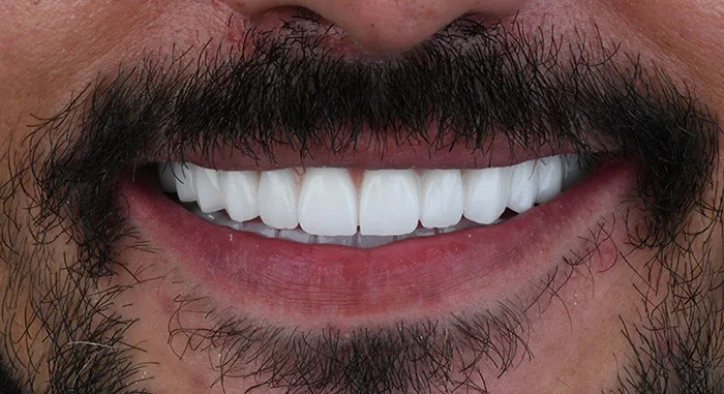

Achieving a flawless, natural looking smile is no longer an exclusive luxury. For individuals dealing with persistent tooth discoloration, minor misalignments, structural chips, or asymmetrical spacing, advanced cosmetic dentistry offers a permanent solution. Among the most popular options worldwide, receiving porcelain veneers in turkey has become a premier choice for patients seeking top tier clinical expertise combined with highly competitive financial packages.
However, opting for a smile transformation abroad requires a clear understanding of the underlying medical protocols, raw material qualities, and technological execution. This comprehensive guide outlines the biological advantages of dental porcelain, the exact clinical timeline, direct cost structures, and crucial safety criteria required to ensure a lifetime of confidence.
Table Of Contents
- What Are Porcelain Veneers?
- Advantages of Porcelain Veneers in Turkey
- Material Decisions: Laminate Veneers vs Porcelain Veneers in Turkey
- The Clinical Protocol: What to Expect?
- Safety Protocols: Is It Safe to Get Veneers in Turkey?
- Porcelain Veneers in Turkey Cost Analysis
- Long Term Care and Maintenance
- Frequently Asked Questions
What Are Porcelain Veneers?
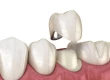
In modern aesthetic dentistry, a porcelain veneer is a custom fabricated, ultra thin shell of medical grade ceramic that is permanently bonded to the forward facing surface of a tooth. These restorations are engineered to replicate the structural properties, natural translucency, and light reflecting characteristics of biological enamel.
Unlike temporary cosmetic fixes, premium dental ceramics are highly biocompatible and exceptionally resistant to surface staining from dark pigments like coffee, tobacco, and red wine. They serve as a durable shield that simultaneously enhances the shape, alignment, shade, and overall proportions of your teeth.
Advantages of Porcelain Veneers in Turkey
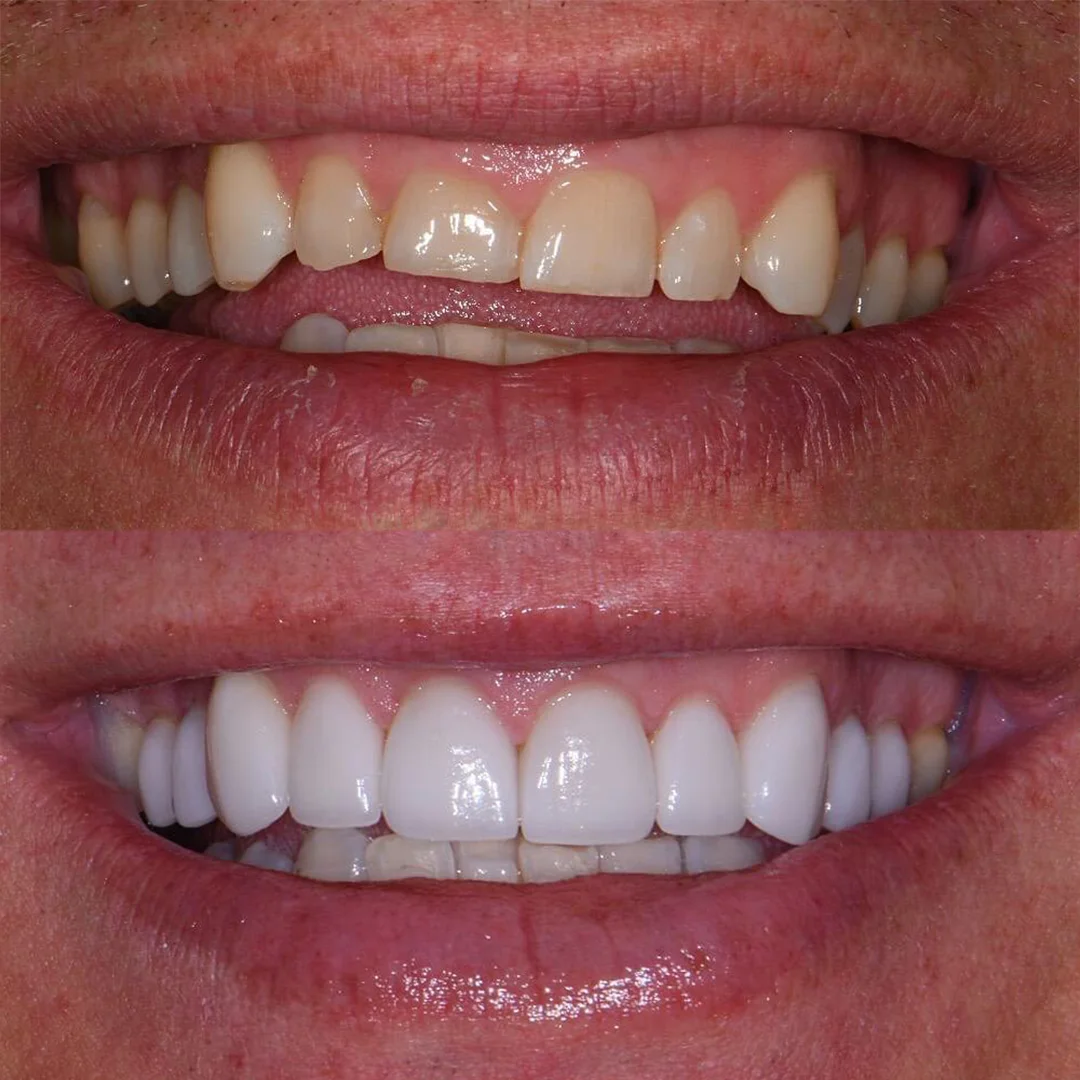
Choosing high grade porcelain over alternative dental materials yields significant long term benefits. When evaluating the advantages of porcelain veneers in turkey, patients gain access to advanced global laboratory standards alongside structural excellence.
- Biocompatibility and Enamel Mimicry: Feldspathic porcelain and lithium disilicate (E-Max) mirror the natural depth and translucent grading of genuine human teeth, preventing a chalky or artificial appearance.
- Exceptional Stain Resistance: The glazed ceramic surface lacks the microscopic pores present in composite resin, meaning your bright shade remains stable for decades.
- Structural Durability: Once chemically fused to the underlying tooth structure, porcelain can easily withstand everyday biting and chewing forces.
- Minimal Invasiveness: Modern preparations require the removal of only a microscopic layer of enamel, usually between 0.3mm and 0.7mm, preserving the internal vitality of the tooth.
Material Decisions: Laminate Veneers vs Porcelain Veneers in Turkey
Patients exploring treatment options often encounter conflicting terminology regarding dental restorations. Understanding the breakdown of laminate veneers vs porcelain veneers in turkey is essential for selecting the correct clinical pathway.
Restoration Category | Traditional Porcelain Veneers | Premium Laminate Veneers (e.g., E-Max) |
Material Base | High durability pressed feldspathic ceramic | Lithium Disilicate or nanocrystalline ceramic |
Thickness Range | 0.5mm to 0.8mm | 0.3mm to 0.5mm (Ultra thin profiles) |
Enamel Reduction | Moderate reshaping required for seating | Ultra minimal or sometimes zero preparation |
Primary Indication | Severe discoloration, significant chips, gaps | Subtle alignment fixes, premium color transitions |
Structural Longevity | 15 to 20 years with flawless care | 20+ years due to higher flexural strength |
The Clinical Protocol: What to Expect?
A professional smile reconstruction using porcelain veneers requires precise clinical steps across a specialized stay in Antalya, typically spanning 5 to 7 days.
Phase 1: Digital Smile Design and Micro Preparation
- 3D Facial Architecture Mapping: Your cosmetic dental team takes high definition intraoral scans and multi angle digital photographs. Using specialized Smile Design software, the team simulates your ideal tooth proportions, matching them to your facial symmetry and lip line.
- Conservative Reshaping: The dentist gently prepares the front surface of the selected teeth. This step creates the precise clearance needed so the final ceramic shells sit flush with your natural gum line.
- Digital Impressions and Temporaries: A high precision intraoral digital impression is sent straight to the laboratory. While your custom restorations are crafted, custom temporary veneers are fitted to protect your prepared teeth.
Phase 2: Laboratory Artistry and Final Cementation
Over the next 3 to 4 days, master dental technicians use CAD/CAM milling technologies combined with hand-layered staining techniques to build your veneers.
Once ready, the temporary covers are removed, and the final porcelain shells are tried on to verify an exact fit and shade harmony. After your complete approval, the enamel is treated with a mild conditioning gel, a medical grade adhesive resin is applied, and a specialized curing light activates the chemical bond, permanently fusing the porcelain to your tooth.
Safety Protocols: Is It Safe to Get Veneers in Turkey?
A question frequently raised by international travelers is: is it safe to get veneers in turkey? The answer is a definitive yes, provided you select an accredited clinic staffed by credentialed professionals.
Medical tourism in Turkey is strictly regulated by the Turkish Ministry of Health. Accredited clinics must use international medical hardware, implement hospital grade sterilization protocols, and source raw materials with verifiable authenticity certificates (such as genuine Ivoclar Vivadent® systems). High success rates depend on avoiding cut-rate non-medical packages and prioritizing clinics that maintain transparent medical review systems.
Porcelain Veneers in Turkey Cost Analysis
When calculating the total financial plan, comparing the cost of porcelain veneers in turkey against European averages reveals clear structural advantages. This pricing difference does not stem from a compromise in material quality, rather, it is driven by lower operational overhead, lower laboratory running fees, and favorable currency exchange rates.
Treatment Configuration | UK & London Average | DentPrime (Turkey) Package |
Single Premium Porcelain Veneer | £800 to £1,200 | £250 (Genuine E-Max / Straumann Brands) |
Full Mouth Smile Makeover (20 Veneers) | £16,000 to £24,000 | From £4,800 to £5,500 (All-Inclusive) |
Top tier packages for porcelain veneers in turkey prices include your initial 3D digital smile design, all necessary local anesthetics, temporary veneers, premium laboratory fabrication fees, and professional interpretation services during your visits. This clear pricing approach removes hidden clinical fees.
Long Term Care and Maintenance
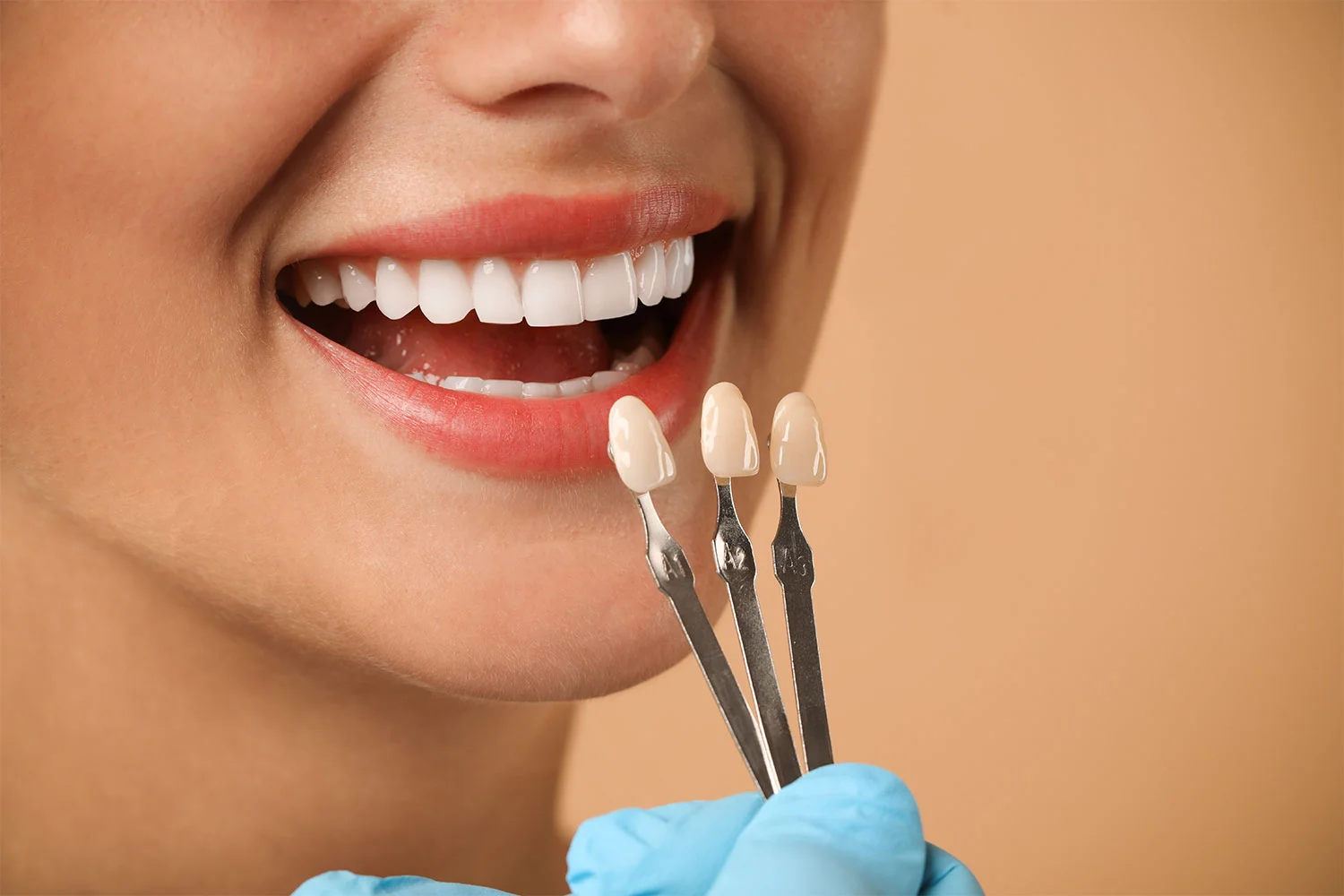
While high durability dental porcelain cannot experience biological decay, the natural tooth structure underneath and the supporting gum tissues still require diligent care to prevent localized issues like marginal staining or gum recession.
- Impeccable Brushing Habits: Brush twice daily using a non abrasive paste and a soft bristled brush. Avoid coarse charcoal or whitening pastes that can micro-scratch glazed surfaces.
- Daily Interdental Access: Floss every evening or use a high pressure water flosser to keep the boundaries between your restorations completely clean.
- Bite Protection Protocols: If you have a habit of grinding your teeth at night (bruxism), your clinical team will fabricate a custom transparent nightguard to cushion your porcelain and prevent structural stress fractures.
- Routine Professional Evaluation: Visit your local dental hygienist every 6 months for standard maintenance cleans and bite alignment monitoring.
Frequently Asked Questions
How long do porcelain veneers last?
With proper home hygiene and standard preventive checkups, premium porcelain restorations are designed to last between 15 and 25 years. While the chemical bond remains incredibly strong, the natural aging of your gums may eventually require a cosmetic update after a few decades.
Do porcelain veneers stain over time?
No. Unlike natural enamel or cheap composite materials, high quality glazed porcelain is non porous. It is highly resistant to surface discoloration from coffee, black tea, red wine, or tobacco use.
Does the procedure cause long term tooth sensitivity?
Mild sensitivity to hot or cold temperatures can occur for a few days immediately after your temporary or final placement. This is entirely normal as the tooth adapting to the reshaping process, and it resolves fully within a week.
What is the difference between dental crowns and veneers?
A veneer covers only the visible front surface of a tooth, requiring minimal alteration. A dental crown encloses the entire tooth 360 degrees and is reserved for teeth with major structural damage, heavy decay, or root canal treatments.
About the Author