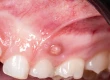





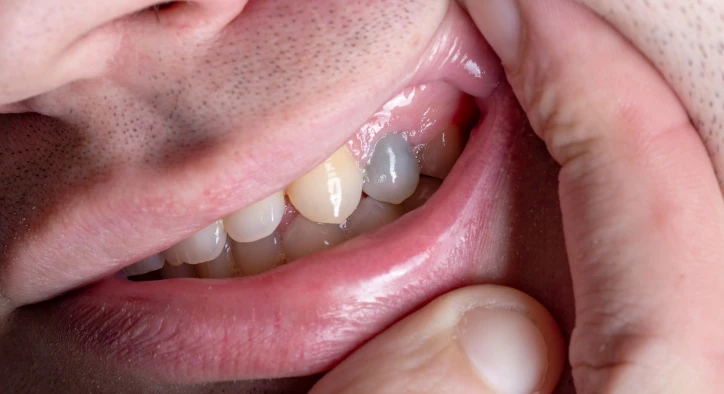

Blackened Teeth is a phrase that immediately sparks curiosity and concern. When teeth lose their natural shade and develop dark or black discoloration, people often wonder what this change means, how it happens, and whether it signals a deeper issue. From daily habits to biological processes, Blackened Teeth can emerge for many reasons, some obvious, some surprisingly complex.
Table Of Contents
- Understanding Blackened Teeth and Tooth Color Changes
- Common Causes Behind Blackened Teeth
- Lifestyle Factors That Influence Blackened Teeth
- Internal Factors Linked to Blackened Teeth
- How Blackened Teeth Are Evaluated and Classified
- Psychological and Social Perception of Blackened Teeth
- Scientific Approaches to Addressing Blackened Teeth
- Preventive Perspectives on Blackened Teeth
- The Role of Professional Observation in Blackened Teeth
- A Broader View of Blackened Teeth

Understanding Blackened Teeth and Tooth Color Changes
Teeth are not naturally pure white. Their color is influenced by enamel thickness, dentin shade, and even light reflection. Blackened Teeth often result when these delicate balances are disrupted.
Enamel is semi transparent, and when it thins or becomes porous, darker underlying dentin becomes more visible. Over time, this process can gradually transform normal tooth color into darker tones. In some cases, the black appearance is not within the tooth itself but on its surface, caused by external deposits.
From a biological standpoint, tooth color changes are cumulative. What starts as mild staining may evolve into more pronounced Blackened Teeth, especially when multiple factors interact over long periods.
Common Causes Behind Blackened Teeth
The causes of Blackened Teeth are rarely singular. Instead, they often reflect a combination of lifestyle, environment, and oral conditions.
One major contributor is chromogenic bacteria. These bacteria produce pigmented byproducts that adhere to tooth surfaces. Over time, these pigments darken and create black lines or patches. This phenomenon is studied extensively in microbiological research related to oral biofilms.
Another frequent factor is mineral interaction. Iron supplements, certain mouth rinses, or mineral rich water sources may react with sulfur compounds in the mouth. The result is a black residue that bonds to enamel, creating the appearance of Blackened Teeth without structural damage.
Lifestyle Factors That Influence Blackened Teeth
Daily habits play a significant role in the development of Blackened Teeth. Food and beverages such as coffee, tea, red wine, and dark berries contain chromogens that bind to enamel. Over time, repeated exposure can lead to stubborn discoloration.
Smoking and tobacco use are also closely associated with Blackened Teeth. Nicotine and tar compounds settle into microscopic enamel pores, gradually darkening the tooth surface. This type of staining is often layered, meaning it builds up slowly rather than appearing overnight.
Even oral hygiene routines can influence outcomes. Inconsistent brushing or irregular professional cleaning may allow pigmented plaque to remain longer, increasing the chance of darker staining.
Internal Factors Linked to Blackened Teeth
Not all cases of Blackened Teeth are surface related. Internal factors, sometimes called intrinsic discoloration, can alter tooth color from the inside out.
Dental trauma is one example. When a tooth experiences impact, internal bleeding may occur within the pulp chamber. As blood pigments break down, they can darken the tooth structure, resulting in localized Blackened Teeth that stand out from surrounding teeth.
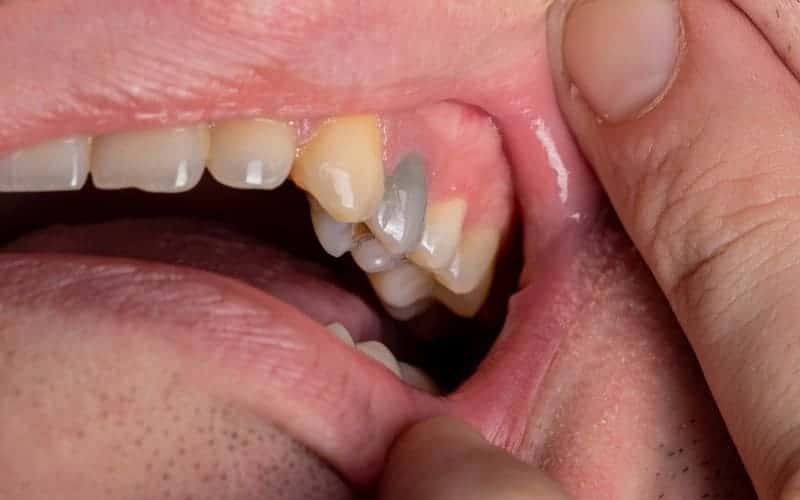
Another internal factor involves changes in tooth vitality. Teeth that lose their nerve supply may gradually darken due to chemical changes in dentin. This process is slow and often unnoticed until the color difference becomes pronounced.
How Blackened Teeth Are Evaluated and Classified
From an analytical perspective, Blackened Teeth can be categorized based on origin and depth of discoloration. This classification helps professionals understand patterns rather than dictate solutions.
Classification Type | Description | Typical Appearance |
Extrinsic | Surface related discoloration | Dark lines, patches |
Intrinsic | Internal structural changes | Uniform dark tone |
Combined | Both internal and external factors | Deep black shading |
This framework highlights that Blackened Teeth are not a single condition but a spectrum of visual changes. Each category reflects different underlying processes.
Psychological and Social Perception of Blackened Teeth
Beyond biology, Blackened Teeth carry social and psychological dimensions. Research in dental sociology shows that tooth appearance strongly influences first impressions, confidence, and perceived health.
Individuals with visible Blackened Teeth often report increased self awareness during social interactions. This response is not necessarily linked to pain or function but to aesthetic perception. In many cultures, darker teeth are subconsciously associated with aging or neglect, regardless of the actual cause.
Understanding this perception helps explain why the topic of Blackened Teeth attracts significant online interest and discussion, extending beyond purely clinical explanations.
Scientific Approaches to Addressing Blackened Teeth
When discussing treatments for Blackened Teeth, it is important to frame them as approaches studied in dental science rather than recommendations.
Research literature describes various methods that target surface stains, internal discoloration, or both. Surface focused approaches often aim to remove pigmented deposits without altering enamel structure. Internal discoloration studies explore how light, chemical agents, or material changes influence dentin color.
What unites these studies is the emphasis on customization. Scientific consensus suggests that Blackened Teeth vary widely in cause and severity, making universal solutions unrealistic.
Preventive Perspectives on Blackened Teeth
From an academic viewpoint, prevention of Blackened Teeth is often discussed in terms of risk reduction rather than guarantees.
Studies highlight the role of consistent oral hygiene, dietary awareness, and monitoring of environmental factors such as water composition. These elements collectively influence whether staining agents remain on tooth surfaces long enough to cause visible darkening.
Preventive discussions around Blackened Teeth focus on understanding patterns, not prescribing behavior. Awareness, rather than instruction, remains the central theme.
The Role of Professional Observation in Blackened Teeth
Observation and documentation play a key role in understanding Blackened Teeth. Dental case studies frequently analyze color progression through photographs, shade guides, and longitudinal tracking.
These observations help researchers differentiate between temporary discoloration and structural color change. Over time, such data contributes to a broader understanding of how Blackened Teeth develop across different populations and age groups.
DentPrime aligns its educational content with this evidence based approach, emphasizing knowledge over assumptions.
A Broader View of Blackened Teeth
Blackened Teeth are not a single problem with a single explanation. They represent a visible outcome of multiple interacting factors, biological, environmental, and social. By examining causes, classifications, perceptions, and scientific perspectives, it becomes clear that darkened teeth tell a complex story.
Rather than provoking alarm, Blackened Teeth invite curiosity and understanding. When approached with accurate information and contextual awareness, the topic becomes less about fear and more about insight. DentPrime continues to support informed discussions that value depth, nuance, and clarity.
About the Author