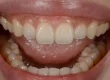





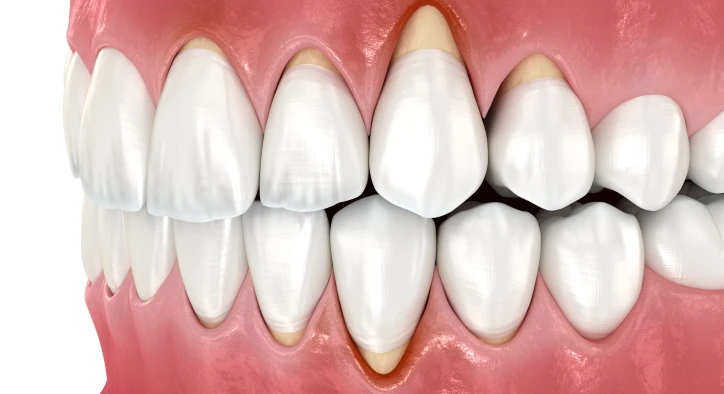

ЖвачкаВидимость во время улыбки – одна из тех мелких деталей, которые многие люди замечают о себе, часто не до конца понимая, почему это происходит. На первый взгляд это может показаться чисто эстетической чертой, но появлениежвачкаНа ткань при улыбке влияет сочетание анатомии, движений мышц и стоматологический пропорции. Эта тема находится на стыке биологии и восприятия, что делает ее одновременно интересной с научной точки зрения и социально значимой.
Улыбка – это не статичная поза. Это динамическое взаимодействие между губами, зубами, мышцами лица ижвачкасалфетка. Когда эти элементы выходят из равновесия, обнажается больше тканей десны, чем ожидалось. Понимание того, почему это происходит, помогает объяснить, почему некоторые улыбки кажутся «сфокусированными на зубах». в то время как другие, естественно, раскрывают большежвачкаструктура без какой-либо основной проблемы.
Оглавление
- Анатомия десен и ее роль в улыбке
- Видимость десен и динамика движения губ
- Пропорции десен в зависимости от размера зубов
- Восприятие жевательной резинки и культурная эстетика
- Развитие десен и закономерности роста лица
- Положение линии десен и прорезывание зубов
- Толщина десен и характеристики тканей
- Воздействие десен и координация мышц
- Восприятие десен в эстетических стандартах
- Видимость десен и эмоциональное выражение
- Баланс десен в пропорциях лица
- Внешний вид десен в разных возрастных группах
- Жвачка – естественная вариация, а не недостаток
- Заключительные мысли о видимости десен при улыбке
Анатомия десен и ее роль в улыбке
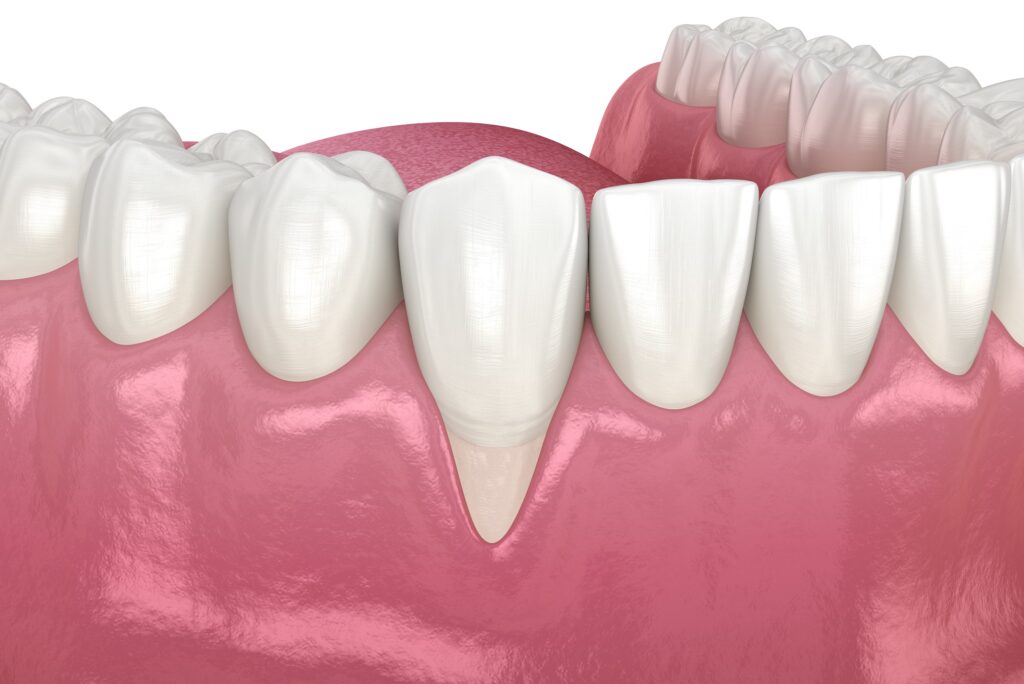
The жвачка, также известная как ткань десны, образует защитный каркас вокруг зубов. Его толщина, высота и контур значительно варьируются от человека к человеку. Некоторые люди от природы имеют более высокий десневой край, что означаетжвачкарасполагается ближе к жевательной поверхности зубов. Одно только это анатомическое изменение может привести кжвачкаболее заметно при улыбке.
Помимо защиты,жвачкаспособствует визуальной гармонии. Исследования в области эстетической стоматологии часто подчеркивают взаимосвязь между длиной зуба и внешним видом десен. Когдажвачказанимает больше места по вертикали, чем зубы, улыбка может выглядеть «клейкой». даже если зубы и ткани полости рта здоровы. Это не обязательно проблема, а скорее отражение естественного разнообразия структур лица.
Видимость десен и динамика движения губ
ЖвачкаВоздействие определяется не только анатомией. То, как движется верхняя губа во время улыбки, играет решающую роль. У некоторых людей более активная верхняя губа, которая поднимается выше при улыбке, открывая большую частьжвачкалиния. Такое мышечное поведение во многом заложено на генетическом уровне и может варьироваться в зависимости от эмоционального выражения.
Интересно, что исследования кинетики лица показывают, что подъем губ различается при позированной улыбке и спонтанной улыбке. При естественном смехе или искренней радости верхняя губа может втягиваться еще сильнее, увеличиваяжвачкавидимость. Это объясняет, почему кто-то может заметить ихжвачкапоказывая больше на фотографиях, сделанных в откровенные моменты, по сравнению с постановочными портретами.
Пропорции десен в зависимости от размера зубов
Визуальный баланс между длиной зуба ижвачкаВысота – еще один ключевой фактор. Зубы, которые кажутся короче, могут сделатьжвачкаболее заметен, даже если сама ткань десны находится в пределах типичного диапазона. Напротив, более длинные на вид зубы могут свести к минимуму визуальное воздействиежвачка, создавая иное эстетическое впечатление.
С аналитической точки зрения стоматологи часто оценивают пропорции улыбки, используя коэффициенты, а не абсолютные измерения. Эти соотношения помогают объяснить, почему два человека со схожимижвачкаАнатомия может иметь очень разный внешний вид улыбки. Освещение, толщина губ и симметрия лица дополнительно влияют на то, насколькожвачказамечается наблюдателем.
Восприятие жевательной резинки и культурная эстетика
КакжвачкаВосприятие видимости также определяется культурными и социальными нормами. В некоторых культурах улыбка раскрывает большежвачкаассоциируется с молодостью и выразительностью. В других минимальныежвачкаДисплей часто идеализируется в средствах массовой информации и рекламе. Эти меняющиеся стандарты могут повлиять на то, как люди относятся к своей улыбке.
Психологические исследования показывают, что люди склонны оценивать свои собственныежвачкак внешнему виду более критично, чем другие. Такое эгоцентричное восприятие может усилить беспокойство, которое может быть незаметным в повседневном социальном взаимодействии. Понимание нейтральных биологических причинжвачкавоздействие часто помогает поместить эти представления в более сбалансированный контекст.
Развитие десен и закономерности роста лица
ЖвачкаВидимость во время улыбки часто связана с тем, как лицо и челюсти развиваются с течением времени. В детстве и подростковом возрасте соотношение между верхней челюстью, нижней челюстью и окружающими мягкими тканями постоянно меняется. У некоторых людей вертикальный рост приводит к тому, что верхняя челюсть немного развивается вниз, что естественным образом может увеличитьжвачкаотображается при улыбке.
Такая модель роста не означает аномалии. Разнообразие лиц велико, и то, что кажется заметнымжвачкадисплей часто является результатом нормальных изменений скелета. Исследователи, анализирующие черепно-лицевой рост, подчеркивают, что небольшие различия в ориентации костей могут привести к заметным изменениям внешнего вида улыбки, даже если здоровье зубов является стабильным.
Положение линии десен и прорезывание зубов
Еще один фактор, влияющий нажвачкаВнешний вид – это то, как зубы прорезываются и становятся в нужное положение. Зубы не всегда появляются на одинаковую видимую длину. Когда извержение неполное или задерживается, болеежвачкаткань может покрывать поверхность зуба, из-за чего улыбка кажется доминирующей над десной.
С биологической точки зренияжвачкаадаптируется к положению зубов, защищая подлежащие структуры. Такое адаптивное поведение объясняет, почему края десны у разных людей различаются. В некоторых случаях зубы могут быть пропорционально нормальными, ножвачкаЛиния располагается ниже, меняя восприятие улыбки, а не указывая на какую-либо функциональную проблему.
Толщина десен и характеристики тканей
Не всежвачкаткань выглядит или ведет себя одинаково. Толщина, плотность и текстура широко варьируются и играют важную роль в эстетике улыбки. Толщежвачкаткань имеет тенденцию быть более заметной при движении губ, особенно когда верхняя губа приподнимается во время сцеживания.
Научные наблюдения показывают, что более толстые биотипы десен могут по-разному отражать свет, в результате чегожвачкаболее визуально заметен. Этот оптический эффект может привлечь внимание к области десен, даже если воздействие минимально. В результате некоторые улыбки кажутся более десневыми просто из-за характеристик ткани, а не из-за фактической площади поверхности.
Воздействие десен и координация мышц
Мышцы, отвечающие за улыбку, не работают изолированно. Несколько групп мышц взаимодействуют друг с другом, чтобы поднять губы, расширить рот и сформировать выражение лица. Вариации в этой координации могут влиять на то, насколькожвачкараскрывается.
Например, повышенная активность мышц, поднимающих верхнюю губу, может усилитьжвачкаотображать. Этот нервно-мышечный паттерн часто бессознателен и постоянен с течением времени. Исследования по анализу выражения лица показывают, что доминирование мышц может иметь такое же влияние, как и структура костей, на определение динамики улыбки.
Восприятие десен в эстетических стандартах
ПутьжвачкаВосприятие видимости развивалось вместе с культурными и эстетическими тенденциями. В некоторые эпохи более полная улыбка демонстрировала большежвачкаассоциировался с молодостью и выразительностью. В других случаях визуальным идеалом стала минимальная видимость десны. Эти сдвиги показывают, чтожвачкаВоздействие, это не объективная проблема, а субъективная интерпретация, сформированная временем, средствами массовой информации и социальными нормами.
Психологические исследования восприятия лица показывают, что наблюдатели часто сосредотачиваются на гармонии, а не на индивидуальных чертах. Улыбка с видимымжвачкавсе еще может восприниматься как привлекательный, если пропорции лица кажутся сбалансированными. Это объясняет, почему люди с подобнымжвачкаВоздействие может вызывать самые разные реакции в зависимости от общей симметрии и выражения лица.
Видимость десен и эмоциональное выражение
Улыбка – это не статичная поза. Это динамичный эмоциональный сигнал. НаличиежвачкаВо время улыбки часто отражается открытость, энтузиазм и эмоциональный накал. Некоторые исследователи предполагают, что улыбки демонстрируют большежвачкаинтерпретируются как более искренние, поскольку требуют более активного участия мышц.
С этой точки зренияжвачкаЭкспозиция становится частью невербального общения, а не визуальной деталью, которую нужно изолировать. Исследования движений лица показывают, что спонтанные улыбки обычно раскрывают большежвачкачем постановочные. Эта связь между эмоциями и проявлениями десен добавляет еще один уровень понимания улыбки в обществе.
Баланс десен в пропорциях лица
Вместо того, чтобы сосредоточиться на количествежвачкаодни только современные анализы подчеркивают пропорции. Взаимосвязь между губами, зубами ижвачкасоздает визуальный ритм. Когда эти элементы выровнены пропорционально, улыбка выглядит естественной, независимо от видимости десен.
Антропометрические исследования показывают, что ни одно соотношение не определяет идеальную улыбку. Вместо этого гармония между третями лица играет более важную роль. В этом контекстежвачкаВнешний вид, это одна из переменных в сложной системе, а не отдельный показатель эстетики.

Внешний вид десен в разных возрастных группах
Возраст также влияет на то, какжвачкавидимость интерпретируется. У молодых людей более высокийжвачкадисплей часто связан со стадиями роста и эластичностью лица. С возрастом изменения тонуса губ и мышечной активности могут естественным образом уменьшить воздействие на десны.
Этот постепенный сдвиг объясняет, почемужвачкаВидимость иногда рассматривается как юношеская черта. Продольные наблюдения показывают, что старение лица часто приводит к меньшему поднятию верхней губы, изменяя то, какжвачкапоявляется во время улыбки без каких-либо прямых изменений в структурах полости рта.
Жвачка – естественная вариация, а не недостаток
Если смотреть сквозь призму науки и общества,жвачкаВидимость возникает как естественная человеческая вариация. Различия в анатомии, поведении мышц и стилях выражения лиц создают широкий спектр улыбок. Ни одно из этих изменений по своей сути не сигнализирует о проблеме или недостатке.
ПониманиежвачкаВнешний вид как часть индивидуальной идентичности способствует более широкому пониманию разнообразия лиц. Вместо того, чтобы изолировать десны как нечто, что нужно корректировать или осуждать, современные взгляды рассматривают их как одну из многих особенностей, которые делают улыбку уникальной и выразительной.
Заключительные мысли о видимости десен при улыбке
Вопрос о том, почемужвачкапоявляется, когда улыбка не имеет ни одного ответа. Он отражает смесь анатомии, движения, восприятия и культурного контекста. Исследуя эти слои вместе, улыбка становится больше, чем просто визуальным результатом. Оно становится динамичным выражением, сформированным биологией и индивидуальностью.
В конечном итогежвачкаВидимость лучше всего понимать не как отклонение, а как вариацию в богатом спектре человеческого самовыражения.
Об авторе