


A Cavity is one of those dental topics almost everyone has heard of, yet very few people truly understand how it develops, how it feels in its early stages, or why it can progress quietly for a long time. From a scientific perspective, a Cavity is not a sudden event but a gradual biological process shaped by oral bacteria, enamel chemistry, diet patterns, and daily habits.
Table Of Contents
- What Is a Cavity and How Does It Form?
- Early Cavity Signs People Often Notice
- Visual Changes Linked to a Cavity
- Sensitivity and Discomfort in a Cavity
- Risk Factors That Increase Cavity Likelihood
- Scientific Perspectives on Cavity Prevention
- Why a Cavity Can Progress Silently
- Cavity Awareness and Long Term Oral Understanding
- Understanding the Story Behind a Cavity

What Is a Cavity and How Does It Form?
A Cavity is typically described as a localized breakdown of tooth structure. Scientifically, this process begins when oral bacteria metabolize sugars and release acids. These acids interact with tooth enamel, gradually weakening its mineral composition. Over time, repeated exposure can lead to microscopic damage that may evolve into a visible Cavity.
What makes a Cavity especially interesting is that it is not purely about sugar intake. Research highlights a complex interaction between saliva flow, enamel strength, bacterial diversity, and frequency of acid exposure. In other words, two people with similar diets may experience very different Cavity patterns.
From an analytical standpoint, a Cavity is best understood as an imbalance. When protective factors like saliva minerals and oral hygiene cannot keep up with acid challenges, enamel demineralization may dominate. This dynamic explains why a Cavity often develops slowly rather than overnight.
Early Cavity Signs People Often Notice
One of the most searched questions about a Cavity is how to recognize it early. Interestingly, early stage Cavity development may not always cause pain. Instead, people often report subtle sensory changes that feel easy to ignore.
These early Cavity signals may include slight sensitivity to temperature changes, a rough feeling on the tooth surface, or a faint discoloration that does not disappear with brushing. Scientifically, these sensations may relate to early enamel porosity rather than deep structural damage.
Another fascinating point is perception bias. Studies suggest people are more likely to notice a Cavity when it interferes with daily routines like eating or drinking. This delay can make the Cavity feel sudden, even though the biological process started much earlier.
Visual Changes Linked to a Cavity
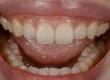
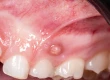
A Cavity does not always look dramatic. In many cases, early visual signs are subtle and easily confused with staining. White chalky spots may appear where minerals have been lost, while darker areas may signal deeper enamel involvement.
From a materials science angle, these color shifts reflect changes in light reflection on enamel surfaces affected by a Cavity. Healthy enamel reflects light evenly, while demineralized areas scatter light differently. This is why a Cavity can appear dull or opaque before it becomes visibly damaged.
People often assume that a Cavity must be black or brown. In reality, color varies depending on location, progression speed, and exposure to pigments. Understanding these visual nuances helps explain why a Cavity is not always easy to identify at a glance.
Sensitivity and Discomfort in a Cavity
Sensitivity is commonly associated with a Cavity, but its presence or absence can be misleading. Not every Cavity causes immediate discomfort. When sensitivity does occur, it may feel brief and situation specific.
From a physiological viewpoint, sensitivity linked to a Cavity is often related to fluid movement within microscopic channels in the tooth. When enamel thins due to a Cavity, temperature or osmotic changes may stimulate nerve endings indirectly.
It is also worth noting that sensitivity does not always scale with severity. A shallow Cavity may feel sharp, while a deeper Cavity can remain quiet for a surprisingly long time. This unpredictability is one reason scientific literature emphasizes monitoring rather than relying solely on sensation.

Risk Factors That Increase Cavity Likelihood
A Cavity rarely exists in isolation. Researchers often analyze risk factors rather than single causes. Diet frequency, oral microbiome composition, saliva quality, and even sleep patterns can influence Cavity development.
For example, frequent snacking creates repeated acid exposure, which may increase Cavity risk even if total sugar intake is moderate. Similarly, reduced saliva flow changes the oral environment in ways that favor Cavity formation.
Genetic factors also play a role. Enamel structure and saliva composition vary between individuals, helping explain why some people seem more prone to a Cavity despite similar habits. This multifactorial view frames a Cavity as a biological outcome rather than a simple hygiene failure.
Scientific Perspectives on Cavity Prevention
When discussing a Cavity, prevention is often mentioned alongside detection. Scientifically, prevention focuses on shifting the balance back toward remineralization. This concept refers to the natural repair process where minerals are redeposited into weakened enamel areas.
Rather than offering prescriptive advice, research literature explores how environmental changes influence Cavity dynamics. These include pH stabilization, mineral availability, and bacterial behavior. The goal is not to eliminate bacteria but to reduce conditions that allow a Cavity to progress.
Interestingly, prevention science emphasizes consistency over intensity. Small, repeated protective actions appear more influential than occasional aggressive measures. This insight reinforces why a Cavity is best understood as a long term process rather than a single moment of damage.
Why a Cavity Can Progress Silently
One of the most misunderstood aspects of a Cavity is its ability to progress without noticeable symptoms. Enamel lacks nerve endings, which means early Cavity activity may remain undetected until deeper layers are involved.
From an anatomical perspective, this silent phase explains why people are often surprised by a Cavity diagnosis. By the time discomfort appears, structural changes may already be significant.
This phenomenon has shaped modern dental research, which increasingly focuses on early detection technologies. The scientific goal is to identify a Cavity before it reaches a stage that affects daily comfort or tooth integrity.
Cavity Awareness and Long Term Oral Understanding
Understanding a Cavity goes beyond spotting signs. It involves recognizing patterns, biological mechanisms, and personal risk profiles. Awareness does not mean self diagnosis but rather informed observation.
From an educational standpoint, learning how a Cavity behaves over time helps people interpret changes more realistically. Not every sensation signals a problem, and not every problem announces itself loudly.
DentPrime approaches Cavity education as a knowledge sharing process. By combining scientific insight with clear language, the goal is to help readers feel informed rather than alarmed. A Cavity, after all, is a common biological event with well studied characteristics.
Understanding the Story Behind a Cavity
A Cavity is not simply a hole in a tooth. It is the visible result of a complex interaction between biology, behavior, and time. By exploring early signs, visual cues, sensitivity patterns, and scientific risk factors, this article highlights why a Cavity often develops quietly and gradually.
Rather than offering medical guidance, this DentPrime guide aims to answer real questions people ask about a Cavity. With a balanced, evidence informed tone, the focus remains on understanding rather than instruction. Knowledge, in this context, becomes the first step toward awareness.