






When patients first hear the term Dental Bone Graft, it often sounds complex and intimidating. Because it involves adding biological material to the jaw, some people naturally wonder whether a Dental Bone Graft could increase the risk of cancer. It is an understandable concern. Anytime a medical procedure interacts with living tissue, questions about long term safety follow.
Table Of Contents
- What Is a Dental Bone Graft and Why Is It Performed?
- How Cancer Develops: Understanding the Biological Context
- Dental Bone Graft Materials and Oncological Safety
- Can a Dental Bone Graft Cause Chronic Inflammation?
- Dental Bone Graft and Oral Cancer: What Research Shows
- Misconceptions About Dental Bone Graft and Cancer Risk
- Long Term Monitoring After a Dental Bone Graft
- Scientific Perspective: Risk Versus Theoretical Concern
- What You Should Know About Dental Bone Graft and Cancer

What Is a Dental Bone Graft and Why Is It Performed?
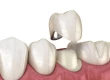
A Dental Bone Graft is a surgical procedure used to restore or increase bone volume in the jaw. It is most commonly performed before placing dental implants, especially when natural bone has been lost due to periodontal disease, trauma, or long term tooth absence.
In simple terms, a bone grafting procedure introduces graft material into areas where the jawbone is insufficient. Over time, this material integrates with existing bone through a biological process known as osseointegration. The result is improved structural support for future restorations.
Several types of graft materials may be used:
Graft Type | Source | Common Application |
Autograft | Patient’s own bone | High integration potential |
Allograft | Human donor bone | Widely used in implant dentistry |
Xenograft | Animal derived bone | Structural preservation |
Synthetic graft | Biocompatible materials | Controlled resorption rates |
Each Dental Bone Graft material undergoes sterilization and processing to ensure safety. Regulatory agencies and tissue banks follow strict screening protocols before graft materials are approved for clinical use.
How Cancer Develops: Understanding the Biological Context
To evaluate whether a Dental Bone Graft could lead to cancer, it is important to understand how cancer forms. Cancer typically arises from genetic mutations that disrupt normal cell growth regulation. These mutations may be influenced by environmental exposure, inherited traits, chronic inflammation, or radiation.
Cancer development is rarely linked to a single short surgical procedure. Instead, it involves complex cellular changes over time. Scientific literature consistently shows that malignancies arise from cumulative biological disruption rather than isolated mechanical interventions.
Bone graft materials are designed to be biocompatible. Biocompatibility means the material does not trigger abnormal cellular behavior or toxic reactions. Modern grafting substances are tested extensively in laboratory and clinical environments before being introduced into routine practice.
Dental Bone Graft Materials and Oncological Safety
One of the most common fears is whether foreign material placed in the body might trigger abnormal cell growth. Research examining Dental Bone Graft materials has primarily focused on infection risk, integration success, and inflammatory response.
Extensive peer reviewed studies have not established a direct causal link between Dental Bone Graft procedures and oral cancer. Human donor grafts undergo demineralization and sterilization processes that eliminate viable donor cells. This means no living cells capable of uncontrolled replication are transferred.
Synthetic graft materials are typically composed of calcium phosphate compounds or hydroxyapatite. These substances closely resemble the mineral composition of natural bone. They function as scaffolds rather than active biological agents.
Animal derived xenografts are also processed to remove organic components, leaving behind mineral structures. The result is a biologically inert matrix that supports bone regeneration without introducing cellular DNA capable of mutation.
Can a Dental Bone Graft Cause Chronic Inflammation?
Chronic inflammation is sometimes discussed as a theoretical pathway to cancer development. Persistent inflammatory states can increase cellular turnover, which may raise mutation probability in certain tissues.
A Dental Bone Graft, however, is typically associated with short term localized inflammation that resolves during healing. Post operative swelling and mild immune response are natural aspects of tissue repair. They do not equate to chronic inflammatory disease.

Complications such as infection are rare when proper surgical protocols are followed. Even in cases of graft failure, the issue generally involves insufficient integration rather than malignant transformation. Clinical records spanning decades of implant dentistry do not demonstrate a pattern of cancer emergence at graft sites.
Dental Bone Graft and Oral Cancer: What Research Shows
When evaluating whether a Dental Bone Graft leads to cancer, it is useful to examine epidemiological data. Oral cancer is strongly associated with risk factors such as tobacco use, excessive alcohol consumption, human papillomavirus infection, and genetic predisposition.
Large scale observational studies have not identified bone grafting as an independent risk factor for oral malignancies. In fact, the majority of oral cancer cases arise in mucosal tissues rather than within grafted bone structures.
It is important to differentiate between correlation and causation. If a patient who previously underwent a Dental Bone Graft later develops cancer, it does not automatically mean the procedure caused the disease. Statistical evaluation requires patterns across large populations, not isolated anecdotes.
Scientific reviews in implantology journals emphasize long term survival rates and biomechanical outcomes. Cancer risk is not identified as a consistent complication in these analyses.
Misconceptions About Dental Bone Graft and Cancer Risk
Public concern often emerges from misunderstandings about tissue donation or biomaterials. Some assume that using donor bone could transmit abnormal cells. In reality, processed allografts contain no viable donor cells after sterilization.
Another misconception involves synthetic materials being labeled as “foreign substances.” While technically correct, these materials are engineered to mimic natural bone minerals. They are designed to be osteoconductive rather than biologically active.
The term Dental Bone Graft itself may sound invasive, which can amplify anxiety. Yet, in clinical dentistry, it is considered a routine adjunctive procedure. Millions of grafting procedures are performed worldwide each year in preparation for implant therapy.
Fear often grows in the absence of accessible scientific explanation. When patients understand how graft materials are processed and how cancer biologically develops, the perceived link becomes less convincing.
Long Term Monitoring After a Dental Bone Graft
Even though evidence does not show a direct link between Dental Bone Graft procedures and cancer, regular dental examinations remain essential. Oral health monitoring allows clinicians to detect abnormalities early, regardless of their origin.
Post graft follow up typically involves:
- Radiographic imaging to assess bone integration
- Clinical evaluation of soft tissue healing
- Monitoring implant stability if placed
- Periodic oral cancer screenings
These steps are standard preventive measures in modern dentistry. They are not specific to grafting but are part of comprehensive care.
At DentPrime, transparency and documentation form the foundation of patient trust. Every Dental Bone Graft procedure is planned with diagnostic imaging and evidence based protocols. Material sourcing, sterilization standards, and procedural techniques follow internationally recognized guidelines.
Scientific Perspective: Risk Versus Theoretical Concern
In medicine, it is important to distinguish between theoretical possibility and demonstrated risk. Theoretically, any chronic cellular disturbance could contribute to disease. However, current data does not classify Dental Bone Graft treatment as a carcinogenic procedure.
Biomaterials used in oral surgery undergo toxicity testing, histological evaluation, and long term animal model studies. Regulatory bodies require documented safety before approval. If graft materials demonstrated carcinogenic potential, they would not remain in widespread clinical use.
The broader scientific consensus indicates that oral cancer risk is far more strongly influenced by lifestyle and viral factors than by reconstructive dental interventions.
What You Should Know About Dental Bone Graft and Cancer
The question “Can a Dental Bone Graft lead to cancer?” reflects a reasonable desire for clarity. Based on current research, there is no established evidence demonstrating a direct causal relationship between Dental Bone Graft procedures and cancer development.
Modern grafting materials are processed, sterilized, and extensively tested for safety. Cancer biology involves complex genetic and environmental factors that extend beyond localized surgical interventions. While ongoing research always refines medical understanding, existing data does not classify Dental Bone Graft treatment as an oncological risk factor.
For patients considering implant therapy, understanding both benefits and risks is essential. An open dialogue with experienced clinicians, combined with evidence based information, helps transform uncertainty into informed decision making.
DentPrime remains committed to scientific transparency, ethical practice, and patient centered care. If questions arise about graft materials, long term outcomes, or oral health monitoring, seeking detailed professional guidance ensures clarity rooted in research rather than speculation.
About the Author