






When it comes to dental procedures, understanding billing and coding can feel like navigating a labyrinth. One of the most frequently asked questions among patients and dental professionals alike is: what is the CDT Code for a dental bridge? This seemingly simple question actually opens a doorway to a complex yet fascinating system that organizes dental treatments, facilitates insurance claims, and ensures clarity in professional communication.
Table Of Contents
- Understanding the CDT Code System
- What a Dental Bridge Entails and Its CDT Code
- Why the CDT Code for Dental Bridges Matters
- How to Determine the Right CDT Code for Your Bridge
- Common Mistakes in Assigning CDT Codes for Dental Bridges
- The Future of CDT Codes in Dental Practice
- Tips for Patients Regarding CDT Codes and Dental Bridges
- Navigating the World of Dental Bridges and CDT Codes
Understanding the CDT Code System
The CDT Code, short for Current Dental Terminology, is a standardized set of codes published by the American Dental Association (ADA). These codes are meticulously designed to cover virtually all dental procedures, from routine cleanings to intricate restorative work like dental bridges.
Each CDT Code serves multiple purposes: it standardizes documentation, allows seamless insurance processing, and enables comparative analysis of dental treatments. For instance, a dental bridge has its unique code(s) depending on the material, complexity, and number of units involved. This precision ensures dentists can communicate effectively with insurance companies and fellow practitioners, reducing ambiguity.
Moreover, the CDT Code system is updated annually, reflecting technological advancements and new dental practices. Keeping up-to-date with the latest codes is crucial for dental offices and billing specialists, as outdated codes may lead to claim denials or miscommunications.
What a Dental Bridge Entails and Its CDT Code
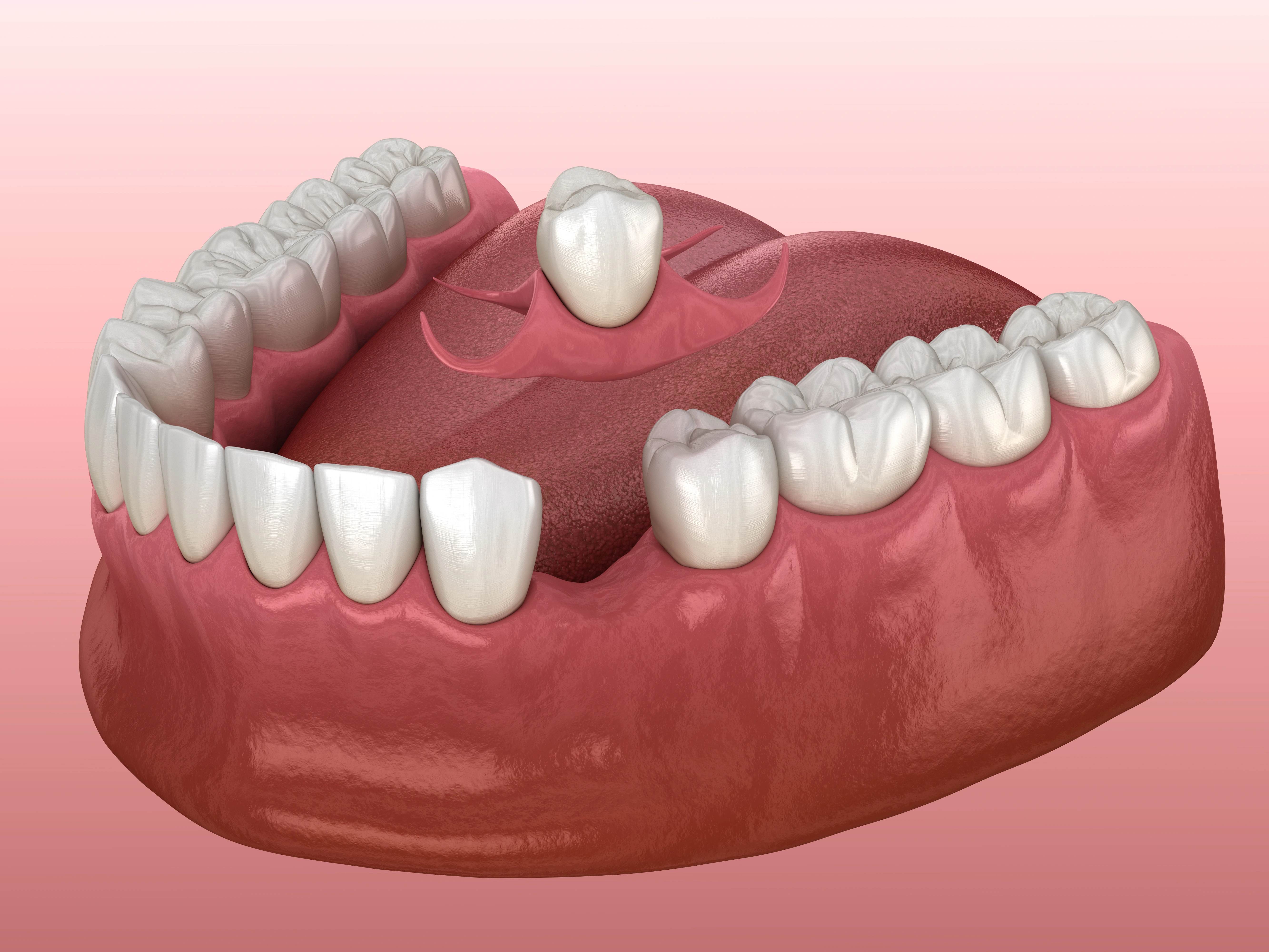
A dental bridge is a restorative solution used to replace missing teeth, filling the gap with a false tooth or a series of teeth anchored to adjacent natural teeth or implants. Understanding the CDT Code for a dental bridge requires attention to the type of bridge:
- Traditional bridge: anchored by crowns on natural teeth
- Cantilever bridge: anchored on only one side
- Maryland bridge: using a metal or porcelain framework bonded to existing teeth
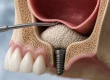
- Implant-supported bridge: attached to dental implants
Each variation corresponds to a specific CDT Code, which informs insurers and practitioners of the exact treatment performed. For example, codes D6740, D6750, and D6760 are commonly associated with bridges depending on materials and span. This level of specificity is essential for transparent documentation and claim approval.
Why the CDT Code for Dental Bridges Matters
Understanding the correct CDT Code for a dental bridge is not merely bureaucratic it carries practical consequences. First, insurance companies rely on accurate coding to process claims correctly. Incorrect codes can lead to delays or reduced reimbursements. Second, precise coding allows dentists to track treatment trends and outcomes, supporting evidence-based practice.
Furthermore, CDT Codes play a critical role in research and data analysis. Dental researchers use aggregated code data to identify treatment patterns, success rates, and emerging needs. A detailed understanding of which CDT Code applies to a specific bridge can therefore contribute to both clinical accuracy and scientific advancement.

How to Determine the Right CDT Code for Your Bridge
Determining the correct CDT Code for a dental bridge is not always straightforward. Several factors influence the code selection:
- Number of units: Single-tooth versus multi-tooth bridges
- Type of abutment: Natural tooth or implant-supported
- Material used: Porcelain, metal, or composite
- Complexity: Standard versus intricate restorations
A dental professional will evaluate these criteria and select the corresponding CDT Code. Maintaining a current ADA reference guide is critical in this process. Some dental offices integrate software that automatically suggests the correct code based on treatment details, reducing human error and ensuring compliance.
Common Mistakes in Assigning CDT Codes for Dental Bridges
Despite the structured system, misassignments happen. Some frequent pitfalls include:
- Using a generic restorative code instead of a specific bridge code
- Confusing bridge codes with crown or implant codes
- Ignoring the number of units or type of abutment
These errors may cause claim denials, patient confusion, or inaccurate records. Regular training and access to updated ADA guidelines mitigate these risks. Notably, strong attention to detail ensures that the selected CDT Code accurately reflects the performed procedure.
The Future of CDT Codes in Dental Practice
The CDT Code system is evolving alongside digital dentistry. Emerging technologies like 3D-printed bridges, digital impressions, and AI-assisted design are increasingly influencing coding practices. While the core principles remain, new procedures may introduce supplementary codes or modifiers to capture nuances in treatment.
Dental professionals are advised to monitor ADA announcements and integrate coding updates promptly. Doing so not only ensures correct billing but also contributes to data-driven insights and improved patient care.
Tips for Patients Regarding CDT Codes and Dental Bridges
Even if you are not a dental professional, understanding the CDT Code can empower you as a patient:
- Ask your dentist which CDT Code applies to your treatment
- Verify that your insurance coverage aligns with the code
- Keep copies of your treatment codes for personal records
Being informed allows patients to anticipate costs, prevent billing surprises, and engage more actively in their dental care decisions. The CDT Code is more than an administrative tool; it is a bridge pun intended between patient, dentist, and insurer.
Navigating the World of Dental Bridges and CDT Codes
The CDT Code for a dental bridge represents a microcosm of dental precision and professional communication. From understanding the type of bridge to assigning the correct code, each step ensures accuracy, transparency, and efficiency. Staying informed about coding updates, carefully documenting treatments, and consulting with dental professionals fosters a smoother dental experience for both practitioners and patients.
By mastering the nuances of CDT Codes, dental offices enhance operational efficiency, support research, and contribute to a higher standard of patient care. Ultimately, the right code turns a complex system into a comprehensible roadmap, helping everyone involved navigate the intricate world of dental restorations.
About the Author