





The question of whether you can brush your teeth before wisdom teeth removal is a common one among patients preparing for oral surgery. Understanding the science behind oral hygiene and surgical procedures can help you feel more confident and informed. In this article, we will explore various aspects of wisdom teeth extractions, preoperative oral care, and how brushing or not brushing may impact your procedure.
Table Of Contents
- Understanding Wisdom Teeth and Their Role in Oral Health
- Pre-Surgery Oral Hygiene for Wisdom Teeth Removal
- Can Brushing Affect Anesthesia or Surgery Outcomes?
- Alternatives and Supplements to Brushing Before Wisdom Teeth Extraction
- The Timing of Brushing Before Your Appointment
- Common Myths About Brushing Before Wisdom Teeth Surgery
- Preparing for Surgery: A Step-by-Step Oral Hygiene Routine
- Balancing Hygiene and Safety Before Wisdom Teeth Removal
Understanding Wisdom Teeth and Their Role in Oral Health
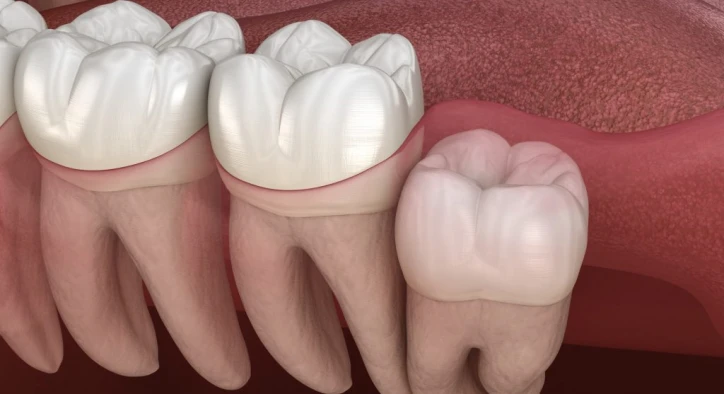
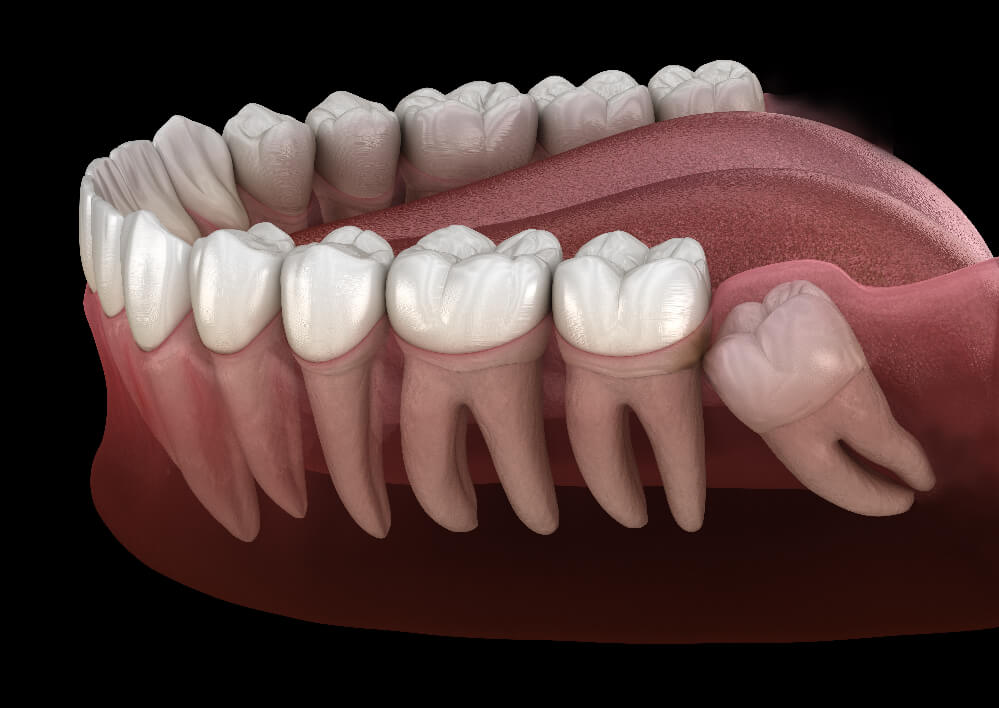
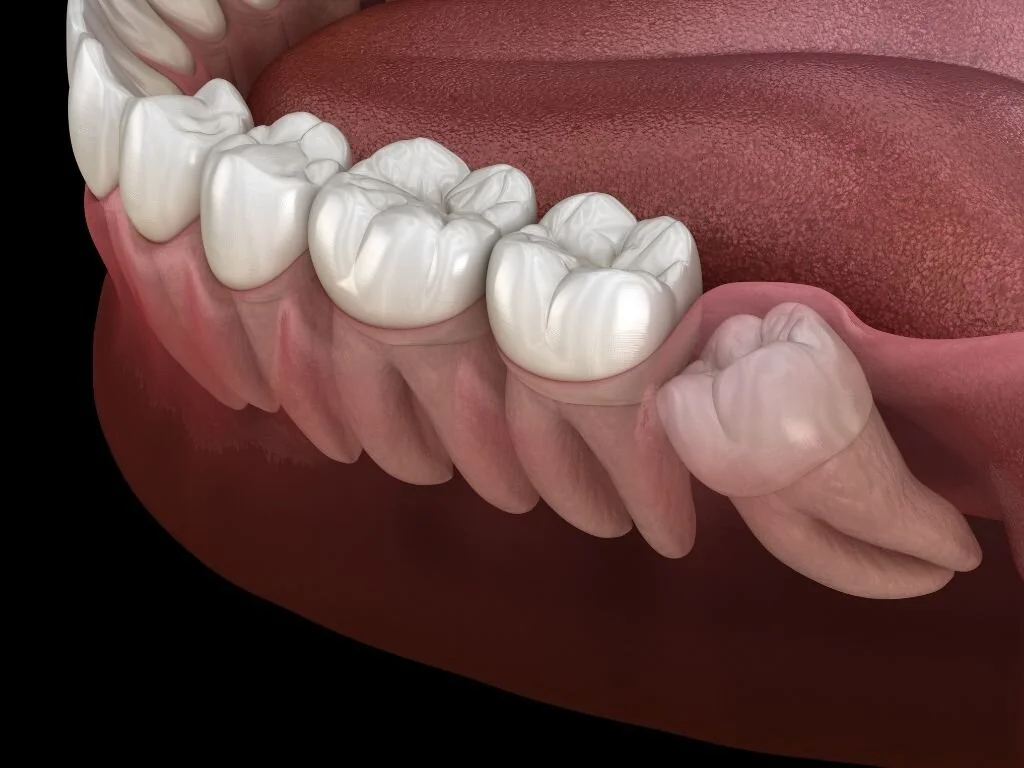
Wisdom teeth, also known as third molars, are the last set of molars that typically emerge in late adolescence or early adulthood. Their eruption can sometimes be problematic, leading to impaction, overcrowding, or alignment issues.
From a scientific perspective, wisdom teeth have little functional role in modern diets, which often require less chewing force than in prehistoric times. Yet, their removal remains a frequent surgical procedure worldwide. Proper oral hygiene before extraction is essential, not only for surgical precision but also for minimizing postoperative complications.
Pre-Surgery Oral Hygiene for Wisdom Teeth Removal
Brushing your teeth before wisdom teeth removal is generally recommended, but it must be done carefully. Removing plaque and food particles can reduce the bacterial load in the mouth, potentially lowering the risk of infection.
Some dentists suggest a gentle approach: using a soft-bristled toothbrush and avoiding vigorous scrubbing near the extraction site. This ensures the oral cavity is clean while minimizing irritation or accidental injury to sensitive gum tissues.
Can Brushing Affect Anesthesia or Surgery Outcomes?
One concern patients often have is whether brushing can interfere with anesthesia or surgical procedures. There is no evidence to suggest that normal tooth brushing affects anesthesia safety. However, swallowing toothpaste or excessive saliva during brushing should be avoided right before the operation.
Studies show that a clean oral environment may enhance the effectiveness of local anesthesia by reducing inflammation and ensuring better visibility of surgical landmarks. For patients undergoing complex wisdom teeth extractions, maintaining oral hygiene is an integral part of surgical preparation.
Alternatives and Supplements to Brushing Before Wisdom Teeth Extraction
Besides brushing, several adjunct methods can contribute to oral cleanliness before wisdom teeth surgery. These include:
- Mouth rinses: Alcohol-free antimicrobial rinses can reduce bacteria without irritating the gums.
- Dental floss or interdental brushes: These can remove debris in hard-to-reach areas.
- Professional cleaning: A preoperative dental cleaning by your dentist can ensure optimal hygiene before surgery.
While brushing is the most common approach, combining it with these techniques can provide a cleaner environment for the oral surgeon.
The Timing of Brushing Before Your Appointment
Timing plays a crucial role in preoperative oral hygiene. Most dentists recommend brushing approximately 30 to 60 minutes before arriving at the clinic. This timing ensures your mouth is clean, but the natural oral microbiome has enough time to stabilize without excessive saliva or foam interfering with the surgical procedure.
It is also advised to avoid eating immediately after brushing, as food particles may accumulate again. This simple timing strategy can make a measurable difference in the surgical field.
Common Myths About Brushing Before Wisdom Teeth Surgery
Several misconceptions exist regarding brushing before wisdom teeth extraction. Let’s address some of them:
- Myth 1: Brushing can dislodge anesthesia.
- Reality: Brushing does not affect local or general anesthesia administration.
- Myth 2: You should avoid brushing entirely to prevent bleeding.
- Reality: Gentle brushing reduces bacteria and does not significantly increase bleeding risk.
- Myth 3: Mouth rinses are harmful before surgery.
- Reality: Alcohol-free antiseptic rinses can be beneficial and safe.
By separating myths from facts, patients can approach wisdom teeth removal with better understanding and reduced anxiety.
Preparing for Surgery: A Step-by-Step Oral Hygiene Routine
Here is a suggested routine for patients before wisdom teeth removal:
Step | Action | Notes |
1 | Brush gently with a soft toothbrush | Focus on all teeth except the immediate surgical site |
2 | Floss carefully | Remove debris between teeth |
3 | Rinse with alcohol-free antimicrobial mouthwash | Optional but recommended |
4 | Avoid eating or drinking 30 min before surgery | Keeps the mouth clean and reduces anesthesia complications |
5 | Inform your dentist of any oral irritation | Critical for tailored surgical approach |
Following these steps can maximize oral cleanliness while ensuring comfort and safety.
Balancing Hygiene and Safety Before Wisdom Teeth Removal
Brushing before wisdom teeth removal is generally safe and can even be beneficial when done with care. A gentle approach, combined with adjunct methods like flossing and rinsing, ensures a cleaner surgical environment and may contribute to smoother procedures. Understanding timing, technique, and the science behind oral hygiene allows patients to approach surgery with confidence and preparation.
Maintaining proper oral hygiene is more than just a routine it’s a small yet powerful step toward a successful wisdom teeth extraction experience. While individual circumstances vary, the principles discussed provide a framework for informed decision-making and patient awareness.
About the Author