





Anyone who has been told they are not a candidate for traditional dental implants knows the frustration. When severe bone loss in the upper jaw leaves you without enough structural foundation, standard titanium posts simply have nothing to hold onto. Traditionally, the only answer was months of painful bone grafting, sinus lifts, and multiple surgeries before you could even think about getting new teeth.
Zygomatic dental implants change this timeline entirely. By completely bypassing the thin upper jawbone and anchoring directly into the dense, stable bone of your cheekbones, this specialized procedure provides an immediate foundation for a permanent smile without the need for a bone graft.
Table Of Contents
What Is a Zygomatic Dental Implant?
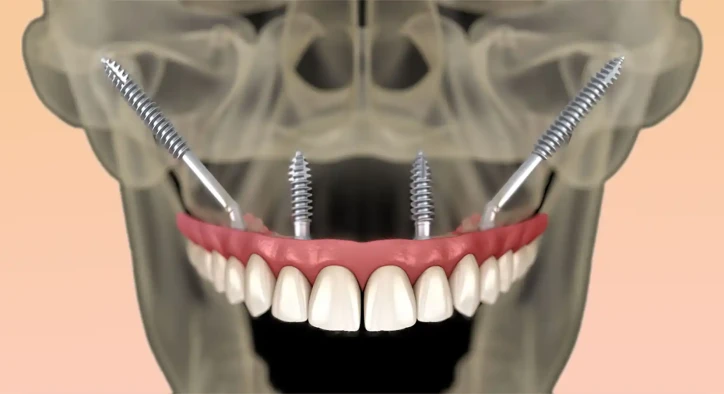
A zygomatic implant is a highly specialized, elongated titanium post designed specifically for patients with advanced upper jawbone shrinkage. While a standard dental implant is relatively short, usually measuring between 10mm and 15mm, a zygomatic implant is significantly longer, ranging from 30mm to 60mm long.
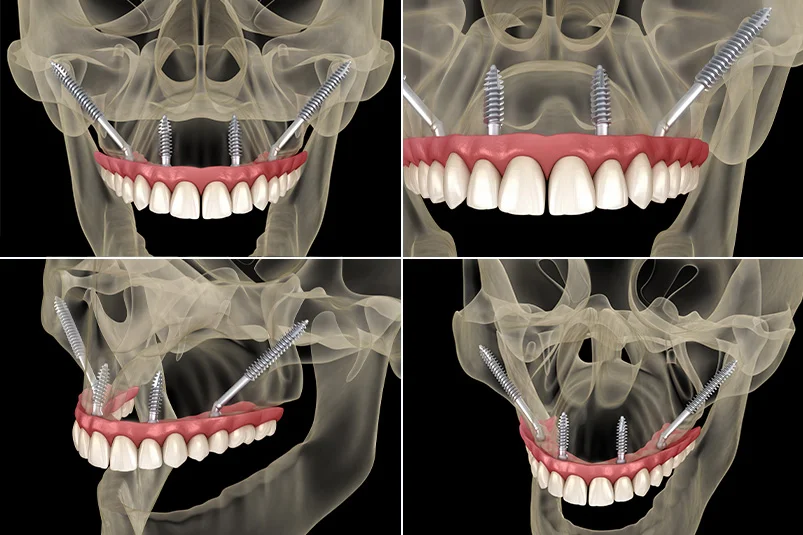
Instead of being placed vertically into the jawbone, these extra long implants are inserted at a precise angle by an oral and maxillofacial surgeon. The tip passes safely through the upper jaw area and anchors firmly into the zygomatic bone (your cheekbone). Because the cheekbone bone structure is incredibly dense and does not degrade over time like the jawbone, it provides a rock solid anchor for full mouth restorations like the All on 4 or All on 6 systems.
The Biomechanics: Why the Cheekbone Matters?
When you lose your natural teeth, the jawbone stops receiving the chewing forces that keep it healthy. Over time, the body naturally resorbs this unused bone, causing it to thin out and shrink. Trying to place a standard implant into a severely resorbed jaw is like trying to drive a screw into thin drywall, it lacks the mechanical support to withstand daily biting forces.
Zygomatic implants solve this through cortical anchorage. Your cheekbone is made of high density cortical bone that remains completely unaffected by tooth loss or aging. By tapping into this pristine skeletal foundation, surgeons can achieve immediate primary stability. This stability is what allows dental clinics to attach a fixed, comfortable temporary bridge on the exact same day as your surgery.
Clinical Indications: Who Needs Zygomatic Implants?
This procedure is not a first line treatment for standard tooth loss. It is a highly targeted reconstructive surgery reserved for specific clinical conditions.
- Severe Maxillary Resorption: Extreme bone loss caused by long term denture wear, periodontal disease, or genetic factors.
- Failed Traditional Implant Treatments: Cases where previous standard implants have loose integration or have been lost due to infection.
- Unsuccessful Bone Grafting: Patients whose bodies have rejected bone grafts or those who wish to avoid the high morbidity of donor bone harvesting.
- Tumor or Trauma Reconstruction: Patients recovering from maxillary tumor removals or major facial trauma.
The Treatment Journey Step by Step
The process of rebuilding your smile with zygomatic implants is highly efficient and is generally divided into two distinct phases.
Phase 1: Virtual Mapping and Surgery
- 3D Diagnostics: The clinical team uses advanced Cone Beam Computed Tomography (CBCT) scans to create a 3D digital map of your facial skeleton. This allows the surgeon to plot the exact path of the implants, avoiding sinus cavities and nerves.
- Surgical Placement: Under general anesthesia or deep intravenous (IV) sedation, the surgeon places two to four zygomatic implants into the cheekbone structure. If there is some usable bone left in the front of your mouth, standard implants may be used alongside them.
- Same Day New Teeth: Once the implants are securely in place, a customized, fixed temporary bridge is attached. You walk out of the clinic able to smile, speak clearly, and eat soft foods from day one.
Phase 2: Biological Fusion and Final Transformation
Over the next 3 to 6 months, your implants undergo a natural healing phase called osseointegration. This is where your living bone cells fuse directly onto the titanium surface, locking the posts permanently into your skeletal structure.
Once this healing window closes, you return to the clinic to have the temporary bridge removed. The team takes final digital impressions to craft your permanent, long term teeth, usually made from incredibly durable materials like Zirconia or high grade porcelain fused to metal (PFM), which are then permanently locked into place.
Potential Risks and Complications Management
While the success rate is remarkably high, patients must understand that zygomatic implantation is a major surgical procedure. Potential risks require expert clinical handling.
- Sinusitis: Because the implant body runs close to or through the maxillary sinus, microscopic tissue irritation can cause temporary inflammation. This is prevented via proactive antibiotic protocols and handled with mild nasal decongestants.
- Nerve Paresthesia: Temporary numbness in the cheek or upper lip area can occur if localized nerves experience minor traction during placement. This typically resolves naturally within a few weeks.
- Prosthetic Loosening: In rare instances, heavy biting forces can loosen the connection screws. Regular clinical tightening sessions completely mitigate this issue.
Long Term Maintenance Protocol
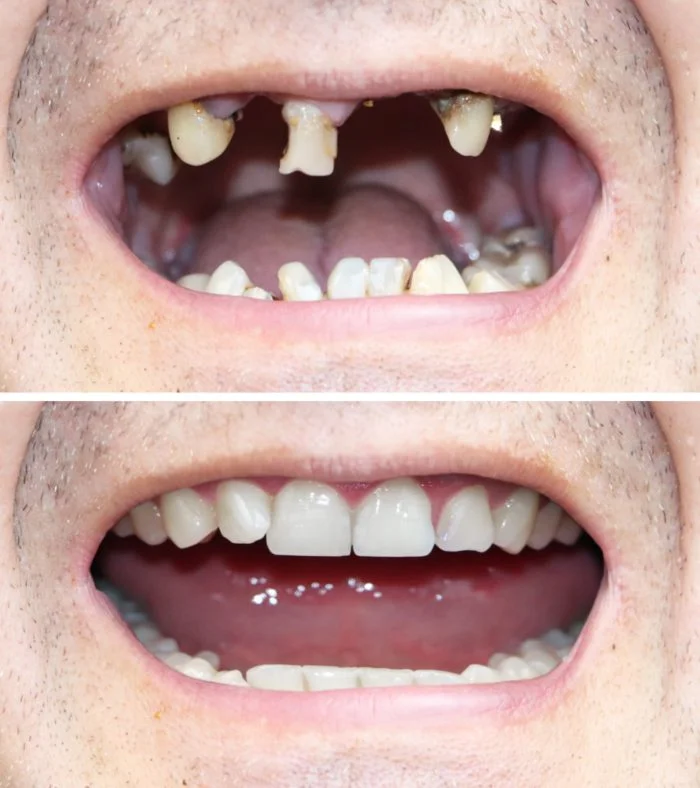
While zygomatic implants are made of premium titanium and cannot get cavities, the health of the gum tissue surrounding them is vital. To prevent inflammation or localized infections (peri implantitis), you must maintain a clean oral environment.
Daily Home Care | Clinical Maintenance |
• Brush twice daily using a soft-bristled brush | • Professional deep cleanings every 6 months |
• Clean beneath the bridge with interdental brushes | • Annual 3D CBCT imaging to monitor bone health |
• Use a water flosser (oral irrigator) after meals | • Routine checkups to evaluate your bite alignment |
Frequently Asked Questions
How long do zygomatic implants last?
Zygomatic implants are designed to be a permanent, lifelong solution. The titanium posts fuse permanently with your cheekbone skeletal structure. While the structural posts should last a lifetime, the custom outer prosthetic bridge may experience natural wear and tear and might require routine maintenance or replacement after 15 to 20 years.
Who is the ideal candidate for this procedure?
The ideal candidate is any adult who has suffered severe bone loss in the upper jaw and has been turned down for standard dental implants, or those who want to avoid the lengthy healing times and discomfort of traditional bone grafting. Candidates should be in good general health and free of active sinus infections.
Is the surgical procedure painful?
No. The entire surgery is performed under general anesthesia or deep IV sedation, meaning you will sleep through the process and feel absolutely nothing. During the first week of recovery, you will experience facial swelling and a dull ache around the cheekbones, which is easily managed with the recovery medications provided by your clinic.
Can I chew hard foods with my temporary bridge?
No. During the initial three month healing period, you must stick to a soft food diet. Your implants are integrating with the bone, and excessive structural forces from hard candies, raw carrots, or tough meats can disrupt this fragile biological fusion.
What happens if a zygomatic implant fails to integrate?
In the rare event of an integration failure, the implant is safely removed under local anesthesia. The area is allowed to heal for a few weeks, and a replacement implant can typically be positioned at a slightly adjusted angle once the tissue stabilizes.
About the Author