






Recovering after a Dental Implant procedure often brings up a surprisingly common question: can you eat spaghetti? While pasta seems soft and harmless, the answer is not as straightforward as it may appear. The healing process after a Dental Implant is delicate, and even familiar foods can influence comfort, recovery speed, and overall success.
Table Of Contents
- Understanding the Healing Process After a Dental Implant
- Is Spaghetti Safe After Dental Implant Surgery?
- How to Prepare Spaghetti for Dental Implant Recovery
- Foods to Avoid While Eating Spaghetti with a Dental Implant
- The Role of Nutrition in Dental Implant Success
- Common Mistakes When Eating After Dental Implant Surgery
- When Can You Return to a Normal Diet After Dental Implant?
- DentPrime Perspective on Post-Implant Eating Habits
- Should You Eat Spaghetti After Dental Implant Surgery?
Understanding the Healing Process After a Dental Implant
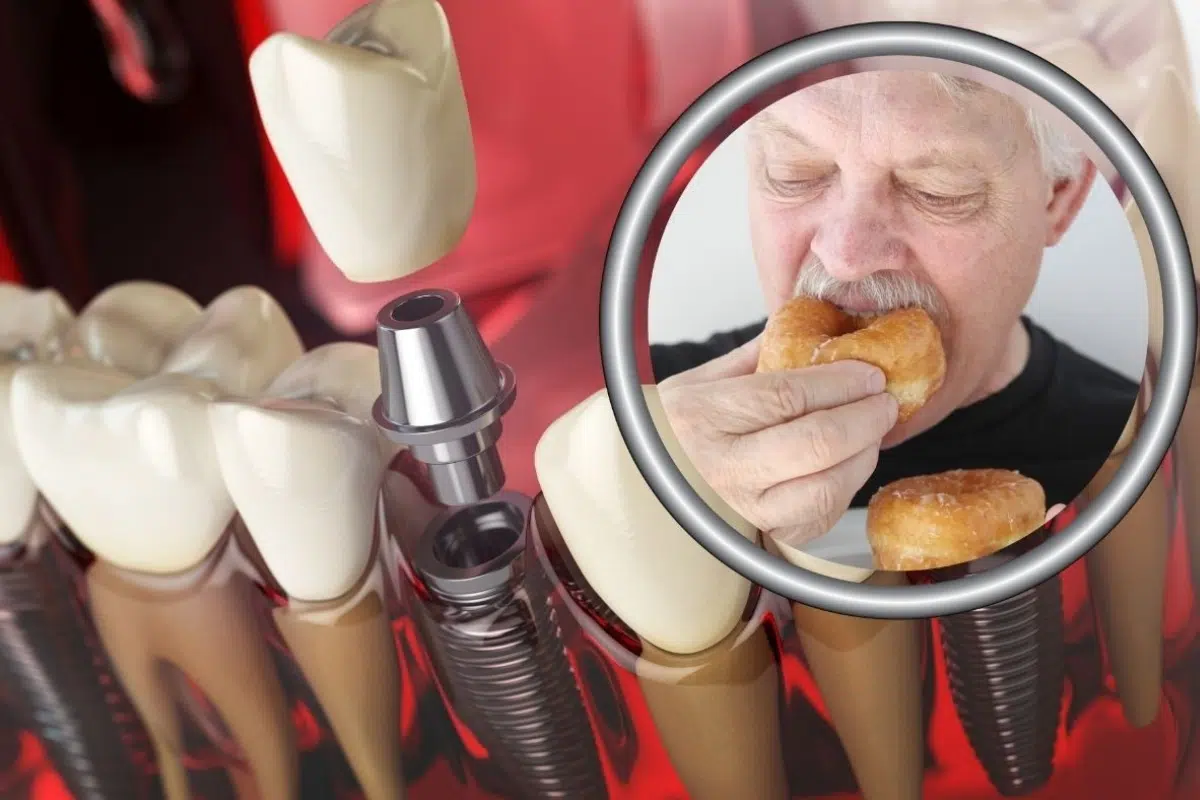
The placement of a Dental Implant initiates a biological process known as osseointegration. This is when the implant fuses with the jawbone, creating a stable foundation for future restorations. During this period, the surrounding tissues are highly sensitive.
In the first few days, inflammation, mild swelling, and tenderness are common. The surgical site is particularly vulnerable to pressure, heat, and irritation. Because of this, dietary choices play a crucial role in supporting the early phase of Dental Implant healing.
Soft foods are generally preferred, but texture is not the only factor. Temperature, acidity, and even how food is chewed can influence recovery. Spaghetti, while soft, can still pose certain challenges depending on how it is prepared and consumed.
Is Spaghetti Safe After Dental Implant Surgery?
Spaghetti can be compatible with a Dental Implant recovery diet, but timing and preparation matter significantly. In the immediate 24 to 72 hours after surgery, most experts suggest sticking to liquids or very soft foods like yogurt, mashed potatoes, or smoothies.
Spaghetti enters the picture slightly later. Once the initial sensitivity decreases, soft and well-cooked pasta may be introduced gradually. However, the key is to avoid strain on the implant site. Twirling spaghetti, chewing extensively, or consuming it with hard ingredients can increase discomfort.
Another factor is the sauce. Tomato-based sauces can be acidic, which might irritate healing tissues. Cream-based sauces may be a gentler alternative during early Dental Implant recovery.
How to Prepare Spaghetti for Dental Implant Recovery
Not all spaghetti dishes are equal when it comes to Dental Implant healing. The way pasta is cooked and served can make a significant difference.
Here are a few preparation tips:
- Cook pasta longer than usual to achieve a softer texture
- Cut spaghetti into shorter pieces to reduce chewing effort
- Avoid adding crunchy toppings like nuts or raw vegetables
- Choose mild, low-acid sauces
- Ensure the dish is warm, not hot
These adjustments can help align spaghetti with the dietary needs of someone recovering from a Dental Implant procedure.
A well-prepared dish reduces mechanical stress on the surgical area and minimizes the risk of irritation.
Foods to Avoid While Eating Spaghetti with a Dental Implant
Even if spaghetti itself is soft, the accompanying ingredients can complicate Dental Implant recovery. Certain additions may introduce unnecessary risks.
Ingredient Type | Why It May Be Problematic |
Hard vegetables | Require excessive chewing |
Spicy sauces | Can irritate sensitive tissues |
Sticky cheese | May cling to the implant area |
Meat chunks | Increase chewing pressure |
Seeds or grains | Can lodge near the implant |
Being mindful of these elements can help maintain a smooth recovery after a Dental Implant.
It is not about avoiding spaghetti entirely, but rather modifying it to suit the healing environment.
The Role of Nutrition in Dental Implant Success
Nutrition plays a fundamental role in how the body responds to a Dental Implant. Healing tissues require adequate protein, vitamins, and minerals to regenerate effectively.
Spaghetti, primarily a carbohydrate source, provides energy but lacks certain nutrients essential for tissue repair. Pairing pasta with soft protein sources like finely shredded chicken or blended legumes can create a more balanced meal.
Hydration is equally important. Drinking enough fluids supports circulation and helps maintain oral health during Dental Implant recovery.
While spaghetti can be part of the diet, it should not be the sole focus. A varied and nutrient-rich approach supports better outcomes.
Common Mistakes When Eating After Dental Implant Surgery
Many patients unintentionally slow their Dental Implant recovery by making small dietary mistakes. These are often linked to assumptions about what is considered safe.
Some common missteps include:
- Eating too soon after surgery
- Choosing foods that are soft but sticky
- Ignoring temperature sensitivity
- Chewing on the side of the implant
- Introducing complex meals too early
Spaghetti can fall into this category if consumed without proper adjustments. Even though it seems harmless, improper preparation or timing can lead to discomfort.
Awareness of these patterns helps create a smoother recovery experience.
When Can You Return to a Normal Diet After Dental Implant?
The transition back to a regular diet after a Dental Implant is gradual. While some individuals feel comfortable within a week, others may require more time depending on healing speed and overall oral health.
Spaghetti often becomes a “bridge food” during this transition phase. It is softer than many solid foods but still requires some chewing. This makes it a useful indicator of progress.
As healing continues, more complex textures can be introduced. However, caution is still advised until the implant is fully integrated. Patience during this stage contributes to long-term success.
DentPrime Perspective on Post-Implant Eating Habits
At DentPrime, patient experience shows that personalized dietary adjustments can significantly influence Dental Implant recovery. While general guidelines exist, individual responses vary.
Some patients tolerate soft pasta early on, while others prefer to wait longer. Factors such as implant location, surgical complexity, and personal comfort levels all play a role.
Rather than following a rigid rule, observing how your body reacts is often more informative. Spaghetti can be included, but it should align with your current stage of recovery.
Should You Eat Spaghetti After Dental Implant Surgery?
Spaghetti is not off-limits after a Dental Implant, but it requires thoughtful preparation and timing. In the early days, it may be best to avoid it altogether. As healing progresses, softer and carefully prepared versions can be introduced.
The key lies in minimizing stress on the implant site while supporting overall nutrition. Small adjustments in texture, ingredients, and eating habits can make a noticeable difference.
Ultimately, spaghetti can be part of a comfortable and balanced post-surgery diet when approached with awareness. Like many aspects of Dental Implant recovery, moderation and observation are essential.
About the Author