

Traveling abroad for comprehensive restorative, aesthetic, or surgical oral rehabilitation has transformed from a niche choice into a major global healthcare movement. Over the past decade, Turkey has established itself as an international hub for oral healthcare, attracting hundreds of thousands of international patients annually for dental implants, porcelain veneers, and full-mouth rehabilitations. However, the sheer abundance of private providers across major medical centers makes selecting the right facility a consequential decision. Learning how to choose a dental clinic in Turkey requires looking past promotional advertisements and evaluating the objective clinical standards that safeguard your health.
Prospective patients seeking world-class care must understand best dental clinic in Turkey vetting procedures to ensure exceptional clinical outcomes. Medical travelers routinely prioritize dental tourism Turkey safety protocols to minimize surgical risks and develop a strategic list of questions to ask Turkish dentists prior to booking travel. Knowing how to identify critical Turkey dental clinic red flags, utilizing an objective dental treatment abroad checklist, and focusing exclusively on legally verified dental clinics in Turkey protects patients from biological harm and financial regret. This clinical guide delivers transparent medical criteria to empower your decision.
Table Of Contents
- Regulatory Accreditation: Verifying Ministry of Health Authorization
- Professional Credentials: Evaluating Dentists vs. Cosmetic Technicians
- Technological Infrastructure: In-House CAD/CAM and 3D Imaging
- Red Flags: Identifying Warning Signs Before Booking
- Vetting Checklist: Essential Questions to Ask Turkish Dentists
- Comprehensive Comparison: Premium Clinical Facilities vs. Low-Cost Assembly Clinics
- Frequently Asked Questions
- How do I know if a dental clinic in Turkey is officially accredited?
- Is it safe to get dental implants in Turkey?
- Why are dental treatments more affordable in Turkey compared to the UK or US?
- What is the difference between an in-house dental lab and an outsourced lab?
- What happens if a dental implant fails after I return home?
Regulatory Accreditation: Verifying Ministry of Health Authorization
The foundational step when analyzing dental providers in Turkey is confirming regulatory legitimacy. In Turkey, private healthcare facilities are strictly governed by the Ministry of Health, which enforces clinical hygiene, equipment calibration, and patient safety standards.
- [ STATUTORY LEGAL AUTHORIZATION ]: Ministry of Health Operating License
- [ CLINICAL EXCELLENCE COMPLIANCE ]: Documented Patient Rights, Multilingual Staff & Protocols
To legally admit international traveling patients, a facility must hold an official International Health Tourism Authorization Certificate. This credential proves that the establishment meets rigorous state-mandated criteria, including dedicated patient rights coordinators, continuous emergency medical protocols, and verified infrastructure. When researching a provider, request their official accreditation license number. If an establishment cannot produce documentation verified through the official state portal, exclude them immediately.
Professional Credentials: Evaluating Dentists vs. Cosmetic Technicians
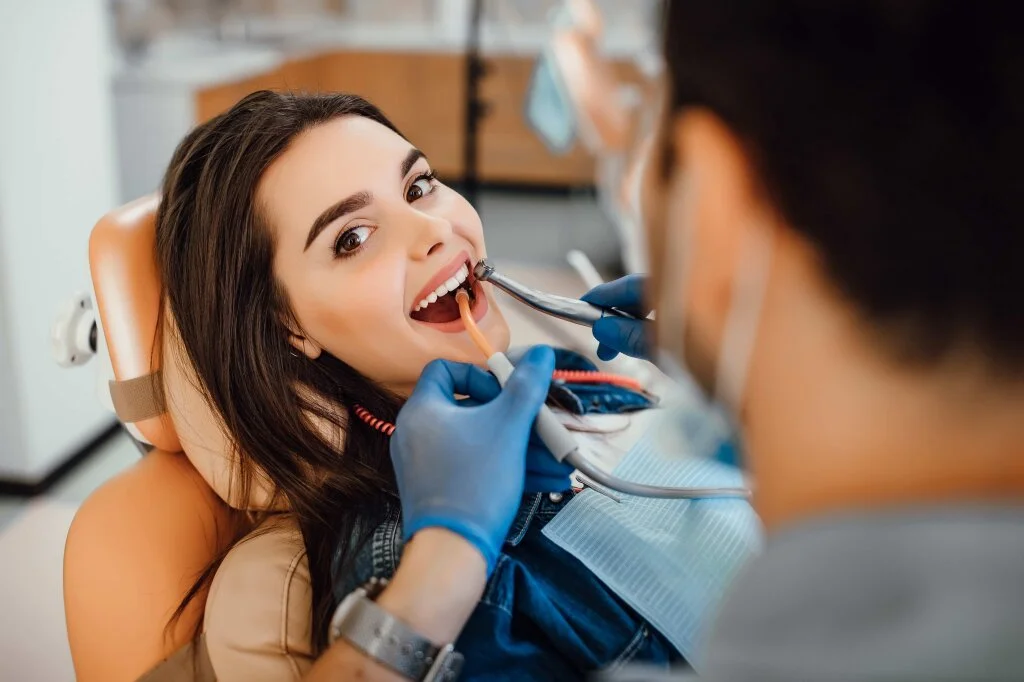
A crucial criterion in your evaluation is the academic training and specialized registration of the clinicians performing the work. In dentistry, expertise is strictly sub-specialized.
- Oral and Maxillofacial Surgeons: Complex surgical procedures, including sinus floor elevations, zygomatic implants, and All-on-4 surgical arches, should be performed by board-certified oral surgeons who completed doctoral degrees and five-year hospital residency training programs after graduating from dental school.
- Prosthodontists: Advanced full-arch bridge designs, smile makeover planning, and delicate porcelain veneer bonding require specialists in prosthetic dentistry who specialize exclusively in dental biomechanics and occlusal rehabilitation.
- Endodontists: Microscopic root canal therapy and complex canal re-treatments require certified endodontic specialists operating with high-power surgical microscopes.
- Chamber of Dentists Registration: Every treating clinician must hold active, verifiable registration with the Turkish Dental Association (Türk Dişhekimleri Birliği). Always request the full professional background, university degrees, and specialization certificates of your assigned clinicians.
Technological Infrastructure: In-House CAD/CAM and 3D Imaging
The physical diagnostic and technological capabilities within the dental clinic distinguish premier treatment centers from volume-driven dental shops. Modern dental rehabilitation demands cutting-edge digital workflows.
- [ 3D CONE BEAM COMPUTED TOMOGRAPHY ]: Micron-precise bone density mapping and nerve tracing
- [ IN-HOUSE CAD/CAM MILLING ]: Same-day robotic precision milling of zirconia blocks
Top-tier clinics utilize 3D Cone Beam Computed Tomography (CBCT) scanners on-site. Taking three-dimensional volumetric scans is mandatory prior to any implant placement to evaluate bone volume, locate the mandibular nerve canal, and prevent nerve damage. Furthermore, clinics that maintain in-house dental laboratories equipped with CAD/CAM 5-axis robotic milling machines and 3D printing equipment provide superior restoration quality. On-site dental technicians collaborate directly at your chairside, matching custom shades, micro-textures, and bite adjustments in real time.
Red Flags: Identifying Warning Signs Before Booking
Navigating promotional materials requires learning how to recognize deceptive marketing tactics. Protect yourself by recognizing major warning indicators during your consultation.
- Unregulated Sales-Driven Agencies: Avoid booking through third-party travel brokers or non-clinical marketing companies operating without a registered dental clinic address. Your communication should take place directly with clinical care teams.
- Immediate Guarantees Without 3D X-Rays: Be cautious of clinics that guarantee a fixed surgical plan or provide unconditional implant promises based merely on smartphone selfies. A definitive, legally binding treatment plan can only be formulated after evaluating a panoramic radiograph or 3D CBCT scan.
- Aggressive Invasive Tooth Preparation: Be cautious of marketing campaigns promoting "Turkey Teeth" that aggressively shave down healthy, intact natural teeth into tiny pegs to place crowns instead of offering conservative orthodontic aligners, composite bonding, or ultra-thin porcelain veneers.
- Lack of Material Authenticity Passports: Reputable clinics provide official manufacturer authenticity certificates and lot-number passports for every dental implant, abutment, and ceramic block used in your mouth.
Vetting Checklist: Essential Questions to Ask Turkish Dentists
Before transferring deposits or booking flights, systematically present this clinical questionnaire to prospective clinics to confirm their standard of care.
- What is the exact official name, address, and Health Tourism License number of your clinic? This confirms the facility is a fully licensed medical clinic rather than an unlicensed intermediary office.
- Who will perform my surgery and what are their specific specialization credentials? Request the named specialist who will place implants or prepare veneers, confirming their university background.
- Which international brands of dental implants and restorative ceramics do you use? Verify that implants are sourced from globally recognized manufacturers (such as Straumann, Nobel Biocare, or Osstem) and that crowns are authentic Ivoclar e.max or certified Katana zirconia.
- Is your dental laboratory in-house or outsourced to an external commercial lab? Facilities with on-site master technicians provide faster turnaround times, direct chairside shade matching, and immediate margin refinements.
- What specific warranty terms are provided in writing for implants and prosthetics? A transparent clinic provides written documentation detailing how complications, implant integration failures, or porcelain chipping are addressed.
- What is the comprehensive protocol if a biological complication arises back home? Inquire whether the clinic maintains partner clinics abroad or covers corrective travel costs under their warranty guidelines.
Comprehensive Comparison: Premium Clinical Facilities vs. Low-Cost Assembly Clinics
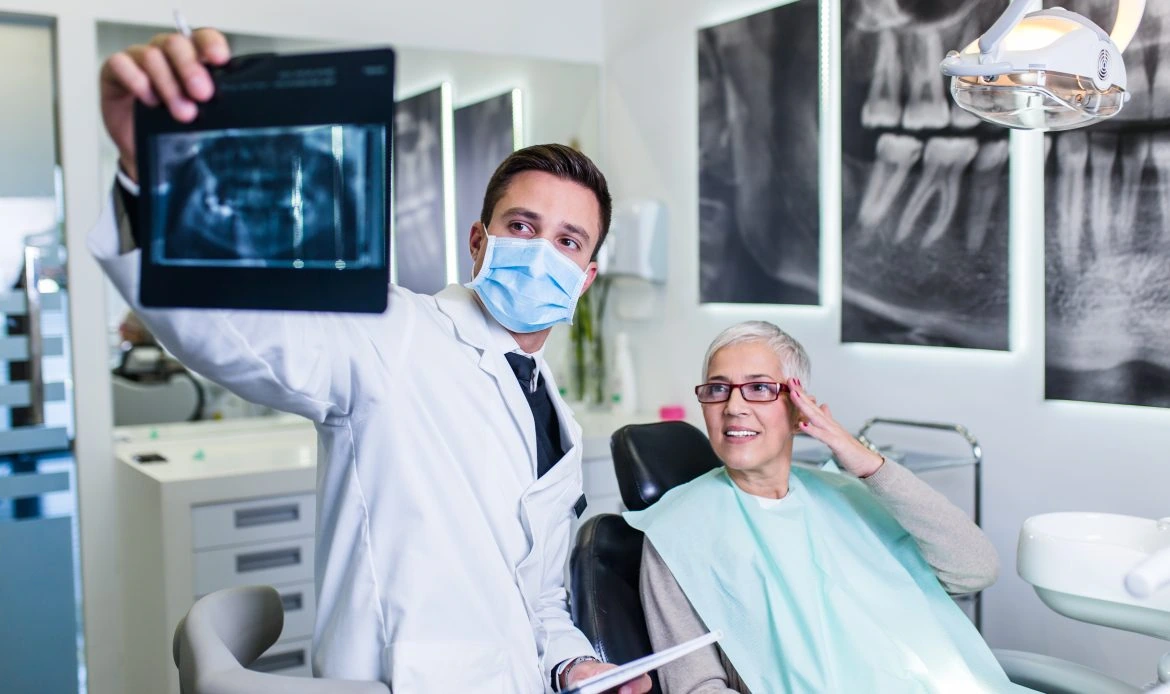
Evaluating the operational standards between clinical tiers ensures you choose a facility dedicated to lasting health rather than speed.
Clinical Parameter | Certified Premium Dental Clinic | High-Volume Assembly Clinic |
Surgical Operators | Board-certified maxillofacial surgeons | General dentists or rotating junior staff |
Diagnostic Imaging | On-site 3D CBCT scanners and digital sensors | Basic 2D panoramic X-ray or external referral |
Prosthetic Lab Support | In-house CAD/CAM lab with master technicians | External commercial lab with slow adjustments |
Treatment Philosophy | Minimally invasive tooth preservation | Aggressive full-mouth grinding for crowns |
Material Traceability | Global manufacturer passports with serial numbers | Unbranded generic components with no passports |
Consultation Process | Comprehensive medical review by doctors | Fast-closing quotes by non-medical sales reps |
Frequently Asked Questions
How do I know if a dental clinic in Turkey is officially accredited?
You can verify accreditation by asking for the clinic's International Health Tourism Authorization Certificate issued by the Turkish Ministry of Health. This certificate confirms the facility meets strict legal standards, undergoes regular state hygiene inspections, and has certified medical translation and patient care protocols.
Is it safe to get dental implants in Turkey?
Yes, getting dental implants in Turkey is exceptionally safe when performed in an accredited clinic by a certified oral and maxillofacial surgeon. Safety relies on having a 3D CBCT scan performed before surgery, utilizing internationally recognized implant brands with lifetime component warranties, and strictly observing bone healing timelines.
Why are dental treatments more affordable in Turkey compared to the UK or US?
Treatments are more affordable due to lower operating overhead costs, favorable currency exchange rates, reduced laboratory production expenses, and Turkish government incentives supporting medical tourism infrastructure. This allows clinics to offer world-class materials and advanced technology at lower operational costs.
What is the difference between an in-house dental lab and an outsourced lab?
An in-house dental lab is located directly inside the clinic, housing master dental technicians, 3D printers, and robotic milling machines. This allows the technician to evaluate your facial aesthetics chairside, perform immediate shade corrections, and deliver high-precision adjustments within hours rather than days.
What happens if a dental implant fails after I return home?
Reputable clinics provide written warranties covering dental implants. While biological integration failure occurs in less than three percent of cases worldwide, a dedicated clinic will replace the implant free of charge under warranty. High-tier clinics also provide aftercare coordination and partner support to ensure patient recovery.
O autorovi