




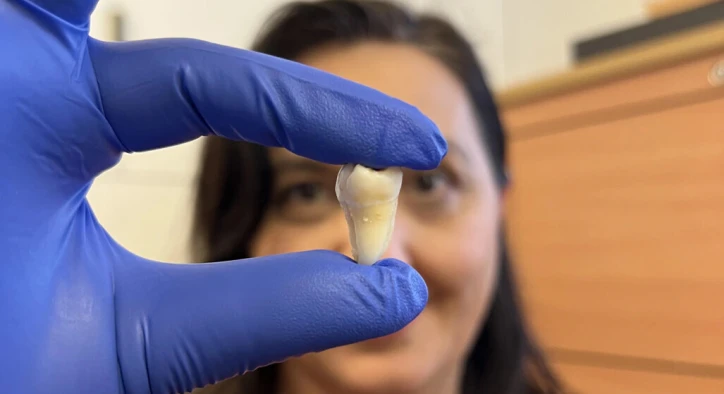

Lab-Grown Teeth are emerging as one of the most fascinating innovations in modern regenerative dentistry, reshaping how we imagine tooth replacement in the near future. Instead of relying only on implants or prosthetics, researchers are exploring biologically developed tooth structures that could behave more like natural enamel and dentin.
The idea of Lab-Grown Teeth is not just about replacing missing teeth but about recreating a living system inside the mouth. This concept blends stem cell biology, tissue engineering, and dental science into a single framework. While still evolving, it already challenges traditional assumptions about what dental restoration can achieve.
Table Of Contents
- Lab-Grown Teeth and Why They Matter in Modern Dentistry
- The Science Behind Lab-Grown Teeth
- How Lab-Grown Teeth Are Developed in Modern Dentistry
- Potential Advantages of Lab-Grown Teeth in Tooth Replacement
- Limitations and Scientific Challenges of Lab-Grown Teeth
- The Future of Dentistry with Lab-Grown Teeth
- DentPrime Perspective on Lab-Grown Teeth Innovations
Lab-Grown Teeth and Why They Matter in Modern Dentistry
Lab-Grown Teeth represent a conceptual leap in dentistry because they aim to restore what is lost in a biologically integrated way. Unlike traditional implants that act as artificial anchors, these structures are envisioned to grow and adapt within the oral environment. This makes them particularly interesting for long-term oral health studies.
From a clinical perspective, Lab-Grown Teeth could eventually reduce dependence on synthetic materials. Researchers suggest that natural tooth regeneration may one day minimize complications associated with prosthetics. According to discussions in regenerative medicine literature such as the research published by the NIH (https://www.nih.gov), tissue-based dental solutions are becoming a serious scientific focus.
A simplified comparison helps clarify the difference:
Method | Structure Type | Biological Integration | Future Potential |
Dental Implants | Titanium-based | Low | Stable but artificial |
Dentures | Acrylic/Composite | None | Temporary solution |
Lab-Grown Teeth | Biological tissue | High | Regenerative potential |
This comparison shows why Lab-Grown Teeth are gaining attention in research institutions and dental innovation centers like DentPrime.
The Science Behind Lab-Grown Teeth
The biological foundation of Lab-Grown Teeth relies heavily on stem cell engineering. Scientists aim to replicate the natural tooth development process by activating specific cell interactions that normally occur during early human growth.
In experimental settings, Lab-Grown Teeth are created by combining epithelial and mesenchymal cells. These cells communicate through molecular signals that guide enamel and dentin formation. Research published in journals like Nature (https://www.nature.com) highlights how these interactions are crucial for tooth morphogenesis.
Another important aspect is the microenvironment. The scaffold used in laboratory conditions acts as a structural guide. It allows cells to organize into tooth-like formations. Without this environment, Lab-Grown Teeth would not be able to achieve correct shape or function.
How Lab-Grown Teeth Are Developed in Modern Dentistry
The development process of Lab-Grown Teeth typically follows a multi-stage experimental approach. It begins with cell selection, followed by tissue structuring and controlled growth phases.
In many laboratory models, Lab-Grown Teeth are initiated using stem cells harvested from dental pulp or embryonic-like sources. These cells are then placed in a bioengineered scaffold that mimics the jaw environment. Over time, they begin to differentiate into tooth components.
A simplified step sequence looks like this:
- Cell extraction and preparation
- Genetic activation of tooth-forming signals
- Scaffold placement and structural alignment
- Tissue growth and mineralization
- Functional testing in simulated environments
This structured method demonstrates why Lab-Grown Teeth are considered a highly controlled scientific process rather than a spontaneous biological event.
At DentPrime, these developments are followed as part of broader regenerative dentistry research, especially as they may redefine future treatment models.
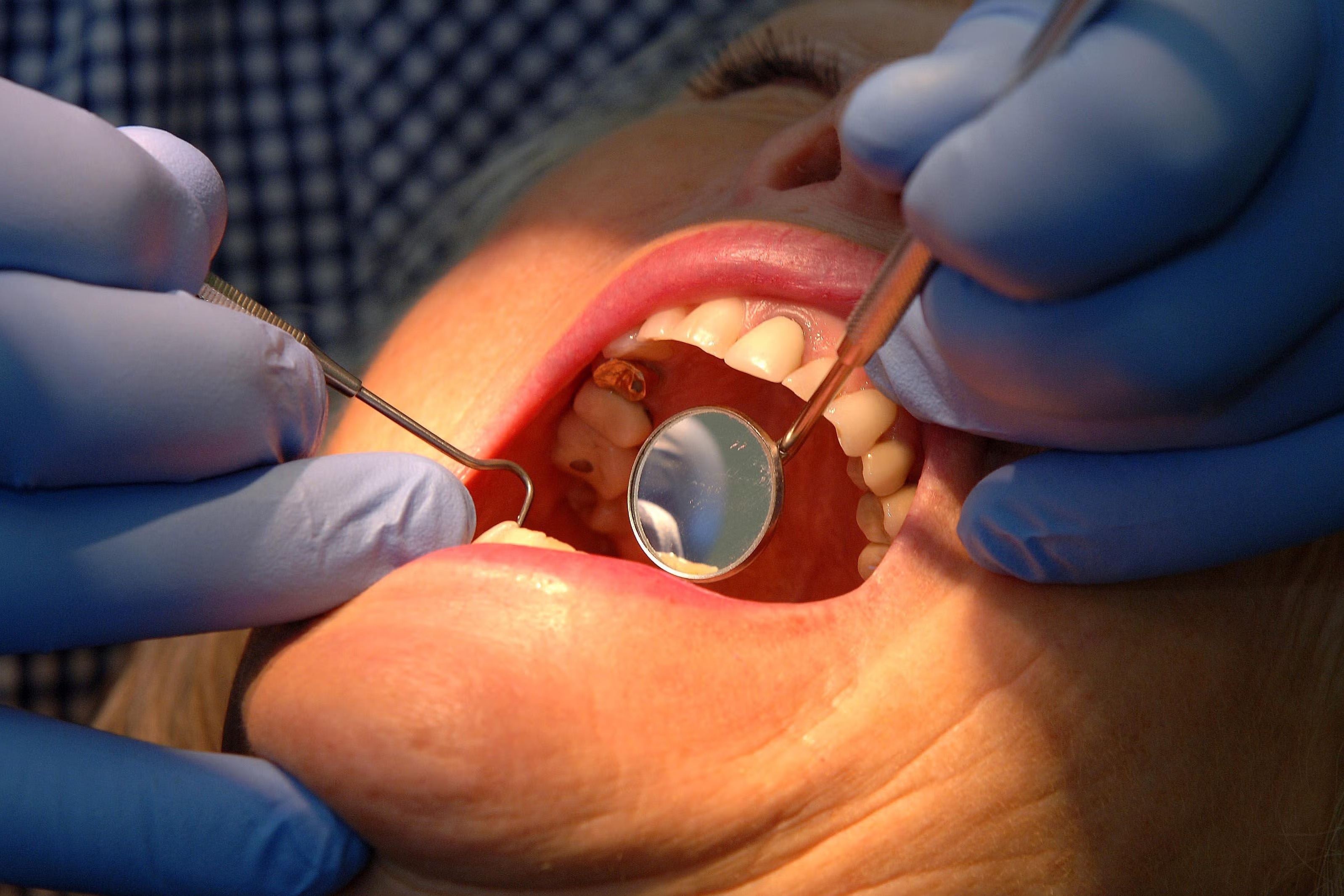
Potential Advantages of Lab-Grown Teeth in Tooth Replacement
One of the most discussed benefits of Lab-Grown Teeth is their potential biological compatibility. Since they are designed to originate from living cells, they may integrate more naturally with surrounding tissues.
Another theoretical advantage of Lab-Grown Teeth is adaptability. Unlike rigid implants, they could potentially respond to changes in the jaw structure over time. This dynamic interaction could improve long-term oral stability in ways that are still being studied.
Additional possible benefits include:
- Higher biological acceptance
- Reduced risk of rejection
- Natural aesthetic appearance
- Potential for self-repair mechanisms
These ideas remain under investigation, but they explain why Lab-Grown Teeth are seen as a transformative concept in dentistry.
Limitations and Scientific Challenges of Lab-Grown Teeth
Despite their promise, Lab-Grown Teeth still face significant scientific barriers. One of the main challenges is controlling precise tooth shape formation. Even small variations in cellular behavior can lead to unpredictable outcomes.
Another limitation of Lab-Grown Teeth is scalability. Producing fully functional biological teeth in a consistent and reproducible way remains complex. Researchers are still working on standardizing growth conditions across different biological samples.
There are also unresolved questions about durability. Scientists continue to investigate whether these structures can withstand long-term chewing forces and environmental exposure inside the mouth.
The Future of Dentistry with Lab-Grown Teeth
The future of Lab-Grown Teeth is often discussed in the context of full dental regeneration. Instead of replacing teeth, dentistry may eventually focus on regrowing them entirely.
In this vision, Lab-Grown Teeth could become part of personalized regenerative treatments. Each tooth could be biologically matched to the patient, potentially improving compatibility and long-term performance.
Experts believe that hybrid approaches may appear first, combining traditional implants with biological growth techniques. This gradual evolution reflects how complex dental innovation typically unfolds.
DentPrime views this future as a shift from repair-based dentistry to regeneration-based dentistry.
DentPrime Perspective on Lab-Grown Teeth Innovations
At DentPrime, Lab-Grown Teeth are considered one of the most promising areas in experimental dental science. While still in development, they represent a direction that could reshape restorative dentistry over the coming decades.
The ongoing study of Lab-Grown Teeth aligns with broader advancements in biotechnology and tissue engineering. As research progresses, new clinical models may emerge that combine biological growth with digital dental planning systems.
DentPrime continues to observe these developments as part of its commitment to understanding future-ready dental technologies and patient-centered innovation.
About the Author