





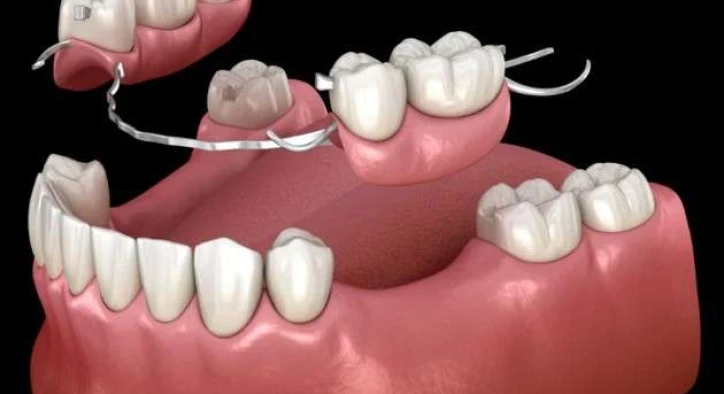

In modern dentistry, patients often seek temporary solutions to restore aesthetics and functionality after losing a tooth. One such solution is a Dental Flipper Code, a specific classification and treatment guideline for removable temporary dental prosthetics. This concept is crucial for both patients and dental professionals as it ensures that temporary tooth replacement is handled consistently, safely, and efficiently. Understanding the Dental Flipper Code involves exploring its design, purpose, cost factors, and impact on oral health, providing a comprehensive perspective for anyone navigating dental restoration options.
Table Of Contents
- What is a Dental Flipper Code?
- Understanding the Basics of Dental Flipper Code
- Materials and Design Considerations in Dental Flipper Code
- How Dental Flipper Code Impacts Treatment Planning
- Cost and Insurance Factors Related to Dental Flipper Code
- Advantages and Limitations of Dental Flipper Code
- Technological Advances and Innovations in Dental Flipper Code
- Choosing the Right Dental Flipper Code for Your Needs
Understanding the Basics of Dental Flipper Code
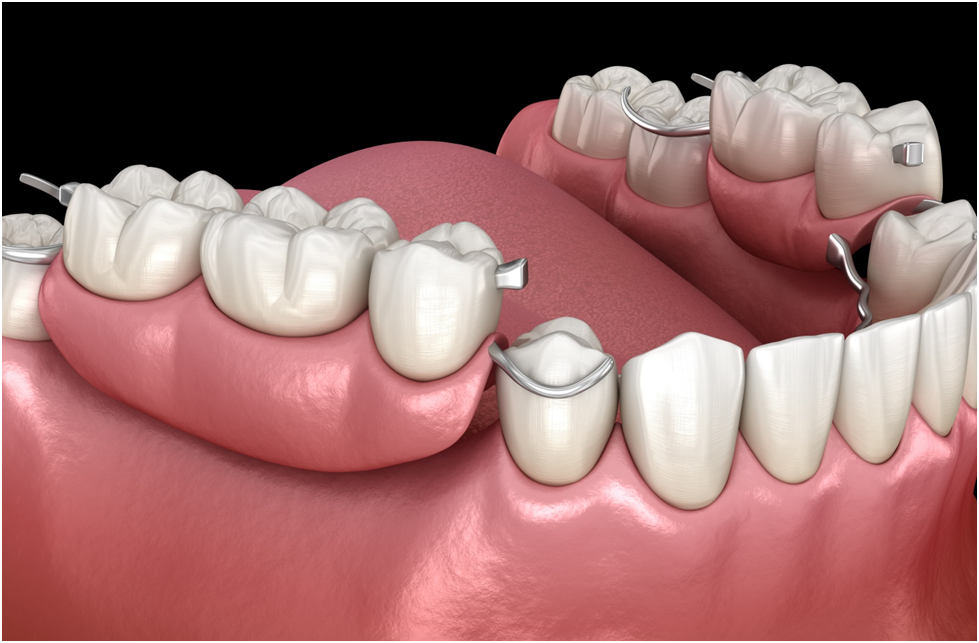
A Dental Flipper Code represents a standardized framework used by dental professionals to categorize removable partial dentures that replace one or more missing teeth temporarily. Unlike permanent prosthetics, these flippers are designed for short-term use, often while waiting for a more permanent solution like a bridge or implant.
The key characteristics of a Dental Flipper Code include the number of teeth replaced, material type, and the method of retention within the mouth. For example, codes may vary depending on whether the flipper replaces a single anterior tooth or multiple adjacent teeth, and whether it uses acrylic bases or flexible polymers. This coding system helps streamline treatment planning, insurance documentation, and patient communication.
Materials and Design Considerations in Dental Flipper Code
When exploring a Dental Flipper Code, material selection plays a significant role. Most flippers are made of lightweight acrylic resin, which is durable yet easy to adjust. Some advanced flippers incorporate flexible thermoplastic materials, allowing for a more comfortable fit and better gum adaptation.
Design considerations involve the number of teeth replaced, the position of missing teeth, and occlusal balance. Dentists rely on the Dental Flipper Code to determine the correct configuration. For instance, a single-tooth flipper may require minimal coverage, while a multi-tooth flipper might involve more complex design to maintain stability and prevent dislodgement during speech or eating.

How Dental Flipper Code Impacts Treatment Planning
The Dental Flipper Code is not merely a classification it directly informs treatment planning. By knowing the code, dentists can predict the time, cost, and potential complications of using a temporary flipper.
For example, patients with a high aesthetic demand in the anterior region may be assigned a different flipper code than those replacing molars, as visual impact and functional stress differ. Additionally, the code influences follow-up care. Certain codes require regular adjustments to avoid irritation or misalignment, ensuring the flipper remains comfortable and effective.
Cost and Insurance Factors Related to Dental Flipper Code
Cost analysis is another area where Dental Flipper Code proves essential. Insurance companies often require precise coding to approve coverage for temporary dentures. Different codes correspond to different reimbursement rates, reflecting the complexity and materials involved.
Patients should note that while flippers are generally affordable compared to permanent solutions, costs can escalate with advanced materials or additional features like precision clasps. Understanding the Dental Flipper Code helps anticipate expenses and clarify insurance claims, avoiding surprises in billing.
Advantages and Limitations of Dental Flipper Code
Using a Dental Flipper Code ensures that dental professionals provide predictable, high-quality temporary restorations. The main advantages include improved aesthetics, maintenance of occlusion, and the prevention of neighboring teeth shifting into gaps.
However, flippers are not without limitations. They are temporary solutions, prone to wear and fracture if used long-term. Proper patient education is crucial, and the code helps clinicians communicate expected lifespan, care instructions, and potential complications. A well-documented Dental Flipper Code allows for proactive management and fewer misunderstandings between patient and dentist.
Technological Advances and Innovations in Dental Flipper Code
Recent advancements in digital dentistry have enhanced the utility of the Dental Flipper Code. CAD/CAM technologies and 3D printing enable rapid production of highly customized flippers that match a patient’s natural teeth in shape and color.
These innovations reduce manual errors, improve fit, and allow for faster turnaround. Codes are increasingly integrated into digital workflows, linking the classification system with treatment software, patient records, and insurance documentation, creating a seamless experience from consultation to delivery.
Choosing the Right Dental Flipper Code for Your Needs
Selecting the appropriate Dental Flipper Code requires collaboration between patient and dentist. Factors like the number of missing teeth, oral health status, aesthetic goals, and budget all influence the decision.
A thorough assessment ensures that the temporary restoration meets functional and cosmetic requirements while minimizing risks. Dentists often discuss code options with patients, showing examples and explaining how each choice affects comfort, durability, and appearance. This transparency strengthens patient confidence and satisfaction.
The Dental Flipper Code is more than just a technical classification; it is a vital tool in modern restorative dentistry. By providing a standardized approach, it enhances communication between patients, dental professionals, and insurance providers. Whether considering material selection, design, cost, or technological integration, understanding the Dental Flipper Code allows for informed decisions and better outcomes in temporary tooth replacement.
About the Author