





Zahnmedizinische Fachbegriffe können oft wie eine eigene Sprache wirken, besonders wenn Patientinnen und Patienten in Behandlungsplänen, Versicherungsunterlagen oder klinischen Notizen auf Begriffe wie Nachtschiene stoßen. Der Ausdruck „Zahnschienen-Code für den Nachtschutz“ beschreibt in der Regel, wie Zahnärztinnen und Zahnärzte spezielle Schienen zur Behandlung von Zähneknirschen klassifizieren und abrechnen. Das Verständnis der Nachtschiene, ihrer Codierung und ihrer Funktion bietet wertvolle Einblicke in die moderne Zahnmedizin.
Table Of Contents
- Was ist eine Nachtschiene und warum wird sie verwendet?
- Das Zahnschienen-Code-System verstehen
- Materialien von Nachtschienen und ihre klinische Bedeutung
- Einfluss des Zahnschienen-Codes auf Kosten und Versicherung
- Wissenschaftliche Perspektive zur Wirksamkeit der Nachtschiene
- Maßgefertigte vs frei verkäufliche Nachtschiene
- Die Rolle von DentPrime bei Nachtschienen
- Langfristige Aspekte der Nachtschienen-Nutzung
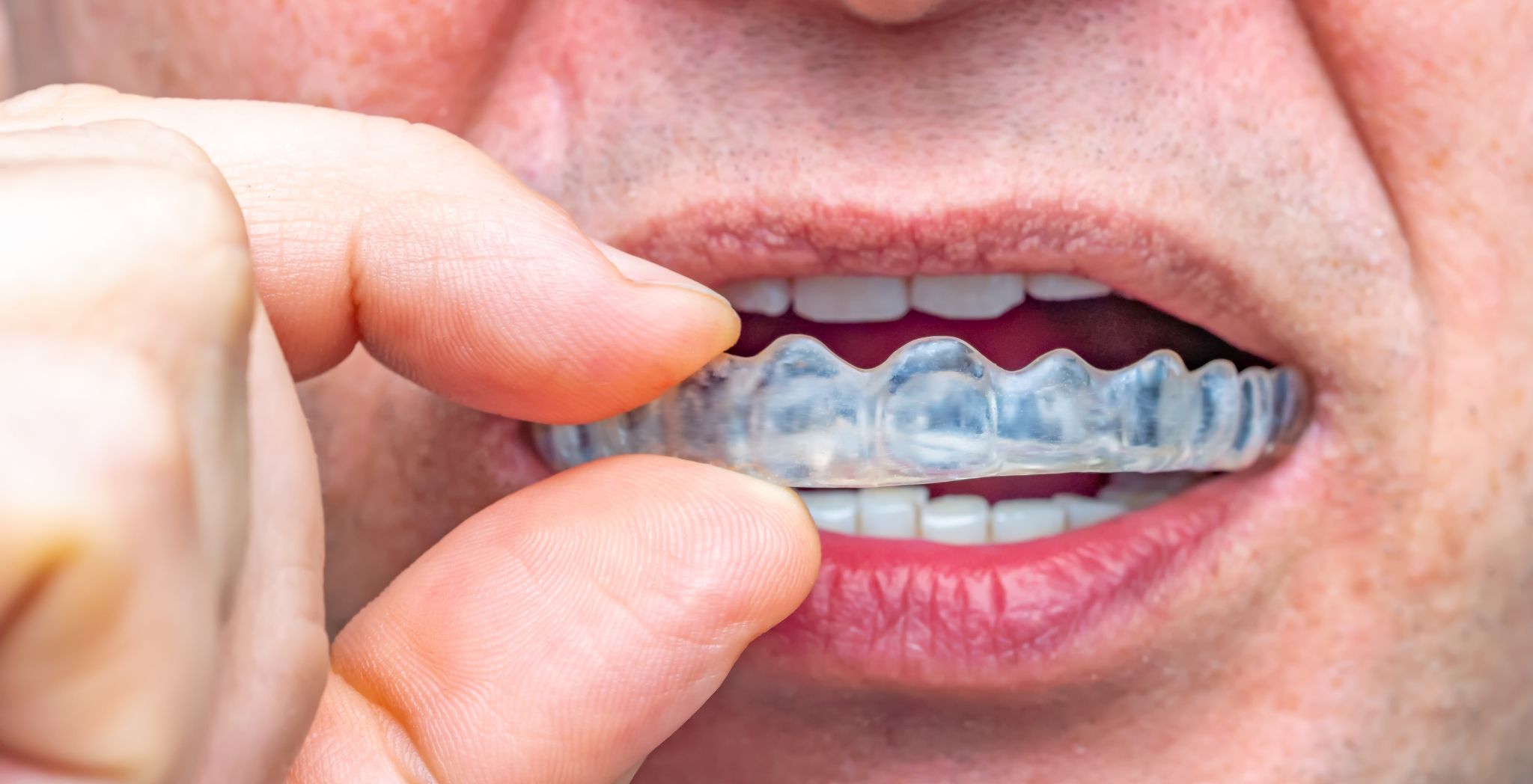
Was ist eine Nachtschiene und warum wird sie verwendet?
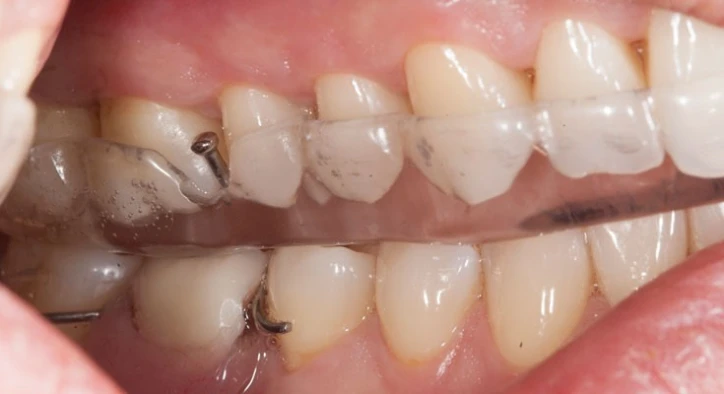
Eine Nachtschiene ist eine individuell angefertigte zahnmedizinische Apparatur, die meist während des Schlafs getragen wird. Sie dient dazu, die Zähne vor Schäden durch Bruxismus zu schützen, also unbewusstes Knirschen oder Pressen.
Aus biomechanischer Sicht wirkt die Nachtschiene als Schutzbarriere. Anstatt dass die Zähne direkt aufeinander reiben, verteilt die Schiene die entstehenden Kräfte gleichmäßig. Dadurch wird das Risiko für Zahnschäden und Kieferprobleme reduziert.
Forschungsergebnisse zeigen, dass Bruxismus durch verschiedene Faktoren beeinflusst wird, darunter Stress, Schlafstörungen und neurologische Prozesse. Eine Nachtschiene beseitigt zwar nicht die Ursache, spielt jedoch eine wichtige Rolle beim Schutz der Zahnsubstanz.
Das Zahnschienen-Code-System verstehen
Der Begriff „Zahnschienen-Code für den Nachtschutz“ bezieht sich auf standardisierte Abrechnungscodes in der Zahnmedizin. Diese Codes ermöglichen eine einheitliche Kommunikation zwischen Zahnarztpraxis und Versicherung.
Häufig verwendete Codes für eine Nachtschiene sind:
Code | Beschreibung |
D9944 | Okklusionsschiene, harte Ausführung |
D9945 | Okklusionsschiene, weiche Ausführung |
D9946 | Okklusionsschiene, hart, kompletter Zahnbogen |
Diese Codes unterscheiden die Nachtschiene nach Material und Umfang. Eine harte Schiene wird anders klassifiziert als eine weiche Variante, was sich auch auf Kosten und Anwendung auswirken kann.
Die Codierung spiegelt nicht nur administrative Prozesse wider, sondern auch klinische Entscheidungen. Die Wahl der passenden Nachtschiene hängt von individuellen Faktoren wie der Stärke des Knirschens oder der Bisslage ab.
Materialien von Nachtschienen und ihre klinische Bedeutung
Nicht jede Nachtschiene ist gleich. Die Materialwahl beeinflusst Komfort, Haltbarkeit und Funktion erheblich.
Harte Nachtschienen
Harte Nachtschiene-Modelle bestehen meist aus Acryl und werden im Labor gefertigt. Sie sind besonders langlebig und eignen sich für stärkeren Bruxismus. Ihre feste Struktur ermöglicht eine präzise Steuerung der Bisskräfte.
Weiche Nachtschienen
Weiche Nachtschiene-Varianten bestehen aus flexiblen Materialien und bieten einen hohen Tragekomfort. Sie werden oft bei leichterem Knirschen eingesetzt, können jedoch schneller verschleißen.
Duale Nachtschienen
Diese kombinieren eine weiche Innenschicht mit einer harten Außenschicht. Eine solche Nachtschiene verbindet Komfort mit Stabilität und wird häufig bei komplexeren Fällen verwendet.
Die Wahl der passenden Nachtschiene basiert auf einer individuellen Analyse und ist ein zentraler Bestandteil der Behandlungsplanung.
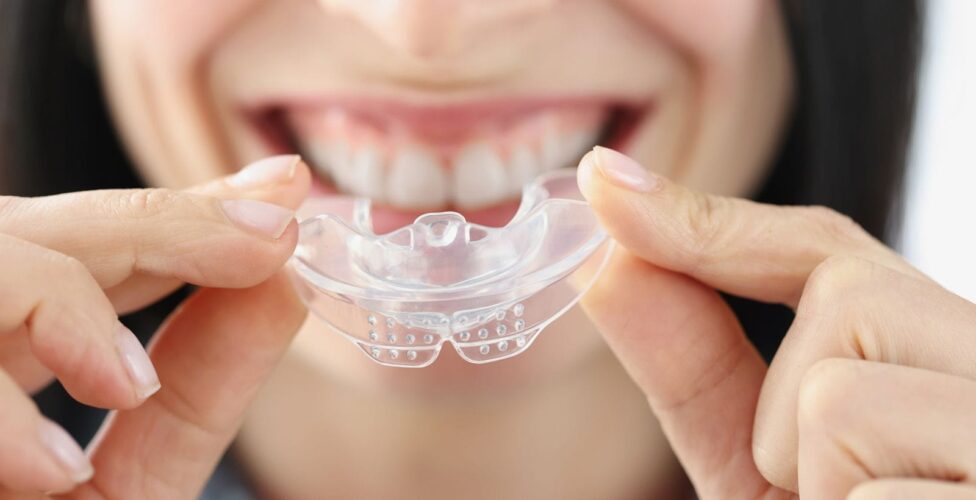
Einfluss des Zahnschienen-Codes auf Kosten und Versicherung
Der „Zahnschienen-Code für den Nachtschutz“ beeinflusst maßgeblich, ob und in welchem Umfang eine Nachtschiene von Versicherungen übernommen wird.
In vielen Fällen hängt die Kostenübernahme von der medizinischen Notwendigkeit ab. Zahnärzte dokumentieren dabei Symptome wie Zahnschäden oder Muskelverspannungen. Ohne korrekte Codierung kann die Erstattung einer Nachtschiene eingeschränkt sein.
Preisunterschiede entstehen durch verschiedene Faktoren:
- Materialqualität
- Herstellungsverfahren
- Standort der Praxis
- Fachliche Expertise
Weitere Informationen zu Abrechnungssystemen finden Sie hier:
https://www.ada.org/resources/practice/dental-coding
https://www.ncbi.nlm.nih.gov/pmc/articles/PMC6021016/
Wissenschaftliche Perspektive zur Wirksamkeit der Nachtschiene
Die Wirksamkeit der Nachtschiene wurde in zahlreichen Studien untersucht. Sie gilt als effektives Mittel, um Zahnschäden durch Bruxismus zu reduzieren.
Beobachtungen aus der Forschung zeigen:
- Verringerung von Zahnschmelzabrieb
- Weniger Zahnfrakturen
- Entlastung der Kaumuskulatur
- Schutz von Zahnersatz
Physiologisch verändert die Nachtschiene den Kontakt zwischen Ober- und Unterkiefer. Dadurch können Muskelspannungen reduziert werden, wobei die Ergebnisse individuell unterschiedlich ausfallen.
Maßgefertigte vs frei verkäufliche Nachtschiene
Ein zentraler Vergleich in der Zahnmedizin betrifft die maßgefertigte und die frei verkäufliche Nachtschiene.
Maßgefertigte Nachtschiene
Diese wird individuell anhand von Abdrücken oder digitalen Scans erstellt. Eine solche Nachtschiene bietet optimale Passform und Funktion.
Frei verkäufliche Nachtschiene
Diese Varianten sind günstiger und oft als „Boil-and-Bite“-Produkte erhältlich. Sie bieten jedoch weniger Präzision und können in manchen Fällen unbequem sein.
Eine schlecht angepasste Nachtschiene kann die gewünschte Schutzwirkung verringern oder sogar Beschwerden verstärken.
Die Rolle von DentPrime bei Nachtschienen
DentPrime verfolgt einen präzisen und patientenorientierten Ansatz bei der Herstellung jeder Nachtschiene. Moderne Technologien und individuelle Analysen stehen im Mittelpunkt.
Der Ansatz umfasst:
- Digitale Abformung
- Hochwertige Materialien
- Individuelle Planung
- Regelmäßige Kontrolle
So wird sichergestellt, dass jede Nachtschiene optimal auf die Bedürfnisse der Patientinnen und Patienten abgestimmt ist.
Langfristige Aspekte der Nachtschienen-Nutzung
Die Verwendung einer Nachtschiene ist oft Teil eines langfristigen Behandlungskonzepts. Mit der Zeit können Anpassungen notwendig werden.
Wichtige Punkte sind:
- Regelmäßige Kontrolltermine
- Überprüfung des Verschleißes
- Sorgfältige Reinigung
- Anpassung an Veränderungen im Gebiss
Eine Nachtschiene ist keine einmalige Lösung, sondern ein dynamischer Bestandteil der Zahngesundheit.
Der „Zahnschienen-Code für den Nachtschutz“ ist mehr als ein administrativer Begriff. Er verbindet klinische Entscheidungen mit organisatorischen Abläufen und trägt zur Transparenz in der Zahnmedizin bei.
Die Nachtschiene ist ein wichtiges Instrument zum Schutz der Zähne und zur Unterstützung der Mundgesundheit. Ihr Nutzen ergibt sich aus einer Kombination aus moderner Technologie, wissenschaftlichen Erkenntnissen und individueller Anpassung.
Über den Autor