







When we explore Maria Corina Machado Teeth, the transformation she has undergone over the years is both striking and educational. Early images of her smile show natural teeth with minor imperfections slight discoloration, small gaps, and uneven edges that are common in many adults. These initial characteristics, while subtle, provided the perfect foundation for cosmetic enhancements that would later create a polished, confident, and symmetrical smile. Her dental evolution highlights not just aesthetic improvement but also the scientific precision involved in modern dentistry. By understanding Maria Corina Machado Teeth, we can appreciate how dental interventions work in harmony with natural anatomy to produce results that appear effortless yet require meticulous planning.
Table Of Contents
- Early State of Maria Corina Machado Teeth
- Whitening and Brightness Enhancement
- Veneers and Cosmetic Bonding
- Alignment Adjustments Without Braces
- Impact of Lifestyle and Maintenance
- The Role of Digital Smile Design
- Subtle Functional Benefits of Cosmetic Changes
- Psychological Impact of a Refined Smile
- Comparing Before and After: A Visual Analysis
- Scientific Insights Behind the Transformation
- Lessons from a Cosmetic Evolution
- Maintenance and Longevity
- Final Thoughts on Transformation

Early State of Maria Corina Machado Teeth
In her early public appearances, Maria Corina Machado Teeth displayed a combination of natural alignment and minor imperfections. Archival photographs reveal teeth that were slightly uneven in size and spacing, with enamel showing the subtle yellowing typical of adulthood. Such characteristics are influenced by a combination of genetics, dietary habits, and natural wear over time. From a dental perspective, this baseline condition is crucial. It allows professionals to determine the most appropriate cosmetic procedures while preserving natural tooth structure. Even at this stage, her teeth had a functional bite and resilience, which made future aesthetic interventions more predictable and safe.
These early conditions are common for many individuals seeking cosmetic dentistry. Minor crowding, enamel wear, and slight discoloration are often addressed through targeted treatments rather than full reconstruction. For Machado, these small imperfections likely guided the choice of procedures, ensuring that any enhancements maintained the authenticity of her smile. Her natural dental foundation demonstrates how important preventive care and early attention are in achieving successful long-term transformations.
Whitening and Brightness Enhancement
One of the most noticeable changes in Maria Corina Machado Teeth is the dramatic improvement in brightness. Professional whitening treatments, often administered under careful supervision, can lighten enamel by several shades without compromising integrity. Machado’s teeth evolved from subtle yellowing to a radiant, uniform white, suggesting a combination of in-office whitening procedures and maintenance routines. Whitening is not only an aesthetic upgrade but also a psychological boost, enhancing confidence and public presence.
Scientific studies confirm that controlled whitening treatments using peroxide-based agents can safely remove surface stains and improve overall tooth brightness. In Machado’s case, the enhanced sheen complements her natural tooth shape, providing a harmonious and visually appealing result. This stage of transformation emphasizes that cosmetic dentistry is as much about subtle refinement as it is about dramatic change, and Maria Corina Machado Teeth serve as a clear example of this balance.
Veneers and Cosmetic Bonding
One of the most transformative steps in her dental journey appears to be the application of veneers or cosmetic bonding. These procedures allow for reshaping teeth, closing small gaps, and creating a uniform appearance that reflects both precision and artistry. Veneers, usually made from porcelain, are bonded to the front of teeth, offering durability while mimicking natural enamel. Composite bonding, on the other hand, uses tooth-colored resin to achieve similar aesthetic goals in a less invasive way.
The choice between these two methods depends on several factors including tooth health, alignment, and desired longevity. Observing the subtle symmetry and consistent shape in recent photos suggests careful planning rather than sudden changes. This kind of intervention highlights the intersection of art and science in dentistry. Not only do these enhancements improve visual appeal, but they also protect underlying tooth structures from wear, which is especially valuable for public figures who are constantly photographed and under scrutiny.
Alignment Adjustments Without Braces
Her smile also demonstrates remarkable alignment, which may be the result of non-traditional orthodontic methods. Clear aligners, a popular alternative to metal braces, gradually shift teeth into optimal positions while remaining discreet. Minor rotations and spacing issues can be corrected over months with minimal discomfort, making this approach ideal for adults seeking aesthetic improvement without dramatic interventions.
Scientific research indicates that aligners are effective for mild to moderate misalignment, and their success relies heavily on patient compliance. The subtle changes observed in her dental evolution suggest an approach that balances functional bite adjustments with aesthetic refinement. The end result is a smile that appears naturally perfect, reinforcing the importance of incremental, evidence-based dental strategies rather than abrupt procedures.
Impact of Lifestyle and Maintenance
Beyond clinical interventions, lifestyle and oral hygiene play critical roles in maintaining a polished smile. Regular dental check-ups, professional cleaning, and mindful dietary choices can prevent staining, enamel erosion, and other issues that undermine cosmetic efforts. High-profile individuals often combine these routines with targeted whitening and protective treatments to sustain results.
Studies show that consistent care, including brushing with fluoridated toothpaste, flossing, and limiting acidic or staining foods, significantly prolongs the aesthetic benefits of cosmetic procedures. In her case, the combination of professional treatments and careful at-home maintenance appears to have contributed as much to the overall transformation as the procedures themselves. This emphasizes that a remarkable smile is rarely the product of a single intervention; rather, it results from a sustained commitment to oral health and aesthetic balance.
The Role of Digital Smile Design
Modern cosmetic dentistry increasingly relies on technology to plan transformations. Digital smile design allows dentists to simulate results before any physical work is done. This technique involves scanning teeth, creating 3D models, and adjusting shapes, colors, and alignment virtually. By visualizing potential outcomes, professionals can make precise decisions that preserve natural tooth structure while achieving the desired aesthetic.
For someone in the public eye, this technology ensures that changes look authentic and harmonize with facial features. The evenness, brightness, and proportion observed in her current smile suggest careful digital planning, demonstrating how science and predictive modeling contribute to outcomes that appear effortless yet are highly technical.
Subtle Functional Benefits of Cosmetic Changes
While the focus is often on appearance, cosmetic interventions can improve functional aspects such as bite, speech, and overall oral comfort. Slight adjustments in alignment or the addition of veneers can redistribute forces during chewing, reduce excessive wear on certain teeth, and even make brushing and flossing more effective.
Dental research supports the notion that cosmetic and functional improvements are closely linked. In Machado’s transformation, the balance between aesthetics and oral mechanics seems meticulously managed, ensuring that enhancements do not compromise long-term dental health. This dual benefit underlines the sophistication behind professional dental planning, which prioritizes both beauty and function.
Psychological Impact of a Refined Smile
A final yet profound aspect of her dental evolution is the psychological effect of a confident smile. Studies indicate that individuals with well-aligned, bright teeth often experience improved self-esteem, social perception, and overall confidence. For public figures, this can influence everything from media appearances to personal interactions.
The progression from a naturally charming smile to one with enhanced brightness, symmetry, and shape illustrates how dental aesthetics intersect with perception and self-presentation. While the scientific aspects of whitening, bonding, and alignment are essential, the subtle psychological impact underscores why cosmetic dentistry remains a field of both art and evidence-based science.
Comparing Before and After: A Visual Analysis
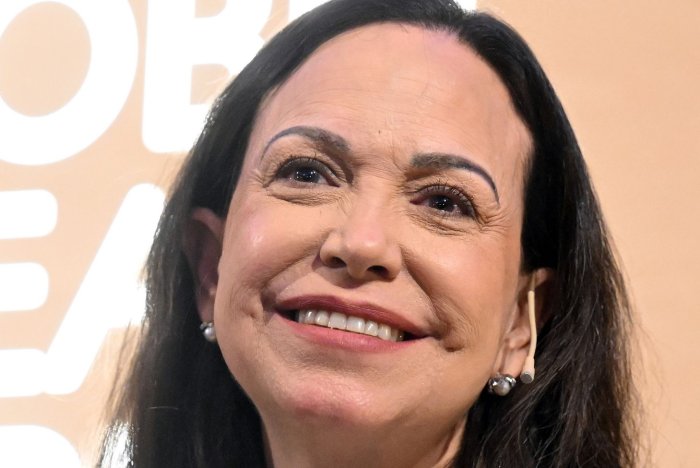
When analyzing Maria Corina Machado Teeth from a “before and after” perspective, the transformation becomes strikingly evident. Initially, her teeth displayed natural variations in color, slight misalignment, and minor spacing issues. In contrast, the most recent images reveal a uniform, bright, and symmetrical smile. This visual evolution highlights the impact of modern cosmetic dentistry techniques combined with consistent oral care.
To illustrate these changes clearly, the following table provides a simplified comparison of key features before and after interventions:
Feature | Before | After |
Tooth Color | Slightly yellowed | Bright, uniform white |
Alignment | Minor crowding | Evenly aligned |
Tooth Shape | Irregular edges | Smooth, consistent |
Gaps | Small spaces visible | Gaps closed or minimized |
Overall Symmetry | Moderate | Highly balanced |
This comparison underscores that aesthetic enhancements often involve incremental refinements rather than complete overhauls. The improvements are noticeable yet natural, suggesting that interventions were carefully planned and executed to harmonize with facial features.
Scientific Insights Behind the Transformation
From a scientific standpoint, several factors contribute to such a refined dental outcome. Enamel whitening, when performed professionally, can enhance color without structural damage. Veneers and bonding improve shape and symmetry while protecting underlying teeth. Orthodontic adjustments, even subtle ones, optimize bite and alignment, contributing to both aesthetic appeal and oral function.
Longitudinal studies indicate that individuals who maintain routine dental care alongside cosmetic treatments experience better durability of results. Machado’s smile transformation exemplifies this principle: consistent hygiene, combined with targeted interventions, produces outcomes that are sustainable and visually striking.
Lessons from a Cosmetic Evolution
Her journey provides valuable insights for anyone interested in dental aesthetics or transformations. First, starting with healthy natural teeth allows for safer and more effective enhancements. Second, small, targeted adjustments often yield the most harmonious results. Third, the psychological benefits of a confident smile reinforce the link between dental health and personal well-being.
Beyond aesthetics, this case illustrates how science, technology, and artistry converge in modern dentistry. The blend of digital planning, precision procedures, and ongoing maintenance ensures that changes are both functional and beautiful.
Maintenance and Longevity
Maintaining a refined smile requires ongoing care. Routine check-ups, professional cleanings, and mindful habits such as avoiding staining foods or using protective enamel treatments all contribute to the longevity of cosmetic results. Scientific research supports that preventive measures are just as crucial as the interventions themselves in preserving appearance, bite function, and oral health.
Public figures often combine clinical care with home maintenance strategies. In Machado’s case, the sustained brightness and alignment suggest disciplined routines that support long-term results, highlighting the importance of consistency alongside technical intervention.
Final Thoughts on Transformation
Ultimately, the evolution of her teeth reflects more than just cosmetic appeal. It demonstrates how careful planning, scientific understanding, and subtle interventions can create a smile that appears effortless yet is underpinned by precision and expertise. The transformation serves as an informative case study for cosmetic dentistry enthusiasts, illustrating that aesthetic enhancement is a journey that blends biology, technology, and artistry.
Her smile today is a model of balance: bright yet natural, symmetrical without appearing artificial, and refined without losing character. For anyone curious about the science behind a remarkable dental transformation, her example highlights how incremental, evidence-based approaches can yield results that are visually stunning, functional, and enduring.
About the Author

Similar Posts
Content similar to this post could not be found.