




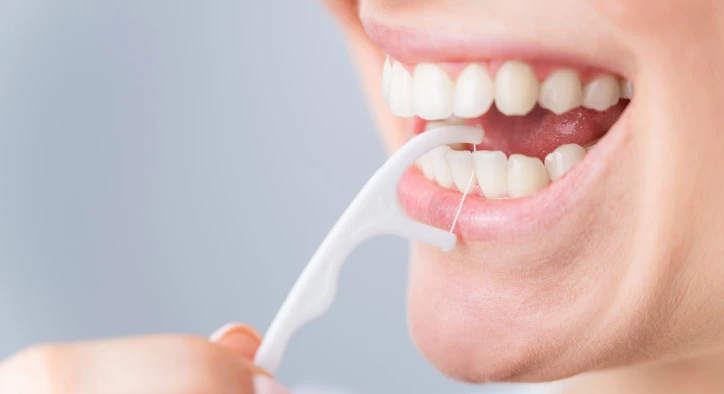

Floss Your Teeth is a phrase that appears everywhere in discussions about oral health, yet many people still wonder what truly shapes the value behind this daily ritual. The idea itself has evolved beyond a simple hygiene reminder and has become a topic that reflects habits, lifestyles, and even shifting scientific perspectives. In exploring how people understand flossing, it becomes clear that the act is not just mechanical but connected to long-term thinking about gum wellness, interdental cleanliness, and overall mouth comfort.
Table Of Contents
- The Deeper Meaning Behind Interdental Cleaning
- Why People Believe Flossing Shapes the Future of Healthy Teeth
- How Techniques and Preferences Influence the Way People Floss
- What People Often Observe When They Floss Their Teeth
- The Psychology of Interdental Habits
- Understanding How Often People Choose to Floss Your Teeth
- How the Mouth Responds When You Floss Your Teeth
- The Role of Technique in the Way You Floss Your Teeth
- Why People Use Different Tools to Floss Your Teeth
- Common Challenges People Face When Trying to Stay Consistent
- Interdental Cleaning and Its Influence on Mouth Sensation
- How Early Habits Shape Your Approach to Floss Your Teeth
- The Sensory Feedback Loop Behind Regular Flossing
- Why People Adjust Their Flossing Routine Over Time
- How Personal Interpretation Shapes the Meaning of Floss Your Teeth
- The Psychological Patterns Behind Regular Flossing
- Why Sensitivity Changes as You Continue to Floss
- The Subtle Impact of Lifestyle on Flossing Behavior
- Long-Term Behavior Changes Linked to Flossing Awareness
- How Flossing Becomes Part of a Person’s Oral Identity
- The Broader Meaning of Maintaining Interdental Care
- The Continuing Relevance of the Flossing Habit

The Deeper Meaning Behind Interdental Cleaning
When conversations encourage people to Floss Your Teeth, they usually point toward the hidden spaces where debris and buildup tend to settle. These areas develop a reputation for being more vulnerable, not because they are inherently problematic, but because they are out of sight and often overlooked. This creates a natural curiosity about why these tight spaces matter so much in oral care discussions.
Another reason this topic stays relevant is its connection to long-term habits. People often associate flossing with the idea of preserving a comfortable, fresh, and balanced environment inside the mouth. Even if different tools exist, the core purpose remains the same: understanding what happens between the teeth and why those spaces receive so much attention in scientific and public discussions.
Why People Believe Flossing Shapes the Future of Healthy Teeth
Although this article does not provide health advice, it’s easy to see why many individuals describe flossing as part of the broader picture of supporting strong, Floss Your Teeth habits. The cultural understanding is that the areas between the teeth play a role in how the mouth feels and functions. As a result, flossing becomes associated with maintaining order in spaces that brushing alone may not manage perfectly.
In various studies and reports, researchers often highlight how interdental spaces accumulate more residue compared to exposed surfaces. While these findings are general and not tailored to any individual, they help explain why flossing remains a topic of ongoing interest. The relationship between interdental activity and Healthy Teeth is frequently mentioned in scientific literature, which helps the public form their own interpretations of its significance.
How Techniques and Preferences Influence the Way People Floss
Although everyone hears the phrase Floss Your Teeth, not everyone imagines it the same way. Some prefer soft, flexible strands, while others believe sturdier floss provides better control. This range of personal choices adds a human dimension to flossing, transforming it from a rule into a ritual shaped by comfort, texture, and technique.
People also develop unique rhythms when working with floss. Some move slowly and carefully, while others create a quick routine that fits into their schedule. The movement between the teeth becomes more than a cleaning method; it becomes a moment of awareness. Reflecting on these small habits offers insight into how oral maintenance intertwines with everyday life.
What People Often Observe When They Floss Their Teeth
The act of flossing often reveals surprising details about the mouth. Food particles that were invisible before suddenly appear. The gums may feel slightly different after the floss passes through. These observations, while ordinary, contribute to the ongoing fascination with interdental care. Many people describe this process as a way to reconnect with the parts of their mouth they rarely think about.
Such discoveries help explain why Floss Your Teeth remains a repeating message. It’s not solely about what floss removes, but about what it teaches individuals about their own habits and oral environment. These small insights accumulate over months and years, forming the foundation for a lifetime understanding of mouth health.
The Psychology of Interdental Habits
Beyond the physical aspect, flossing also carries psychological meaning. The reminder to Floss Your Teeth often acts as a symbol of responsibility and self-care. People feel a sense of completion after tending to the less visible spaces in their mouth. It’s a gesture that aligns with the broader human tendency to maintain routines that contribute to long-term comfort.
At the same time, many people struggle with consistency. Flossing may feel tedious or time-consuming, even though the actual process is brief. This tension between intention and action makes it a rich subject for behavioral researchers who examine how daily rituals develop, fade, and return.
Understanding How Often People Choose to Floss Your Teeth
When people think about how often they should Floss Your Teeth, the answers tend to vary depending on routine, lifestyle, and personal interpretation of oral cleanliness. Some individuals make flossing a nightly habit, attaching it to their sense of winding down. Others incorporate it when they feel food particles or tension between their teeth. These differences show that flossing is often built on intuition rather than strict structure.
Studies that examine oral care habits highlight how frequency can be shaped by upbringing, dental education, or even the culture of a household. People who grew up seeing relatives floss tend to adopt the habit more naturally. On the other hand, those who learned about flossing only later in life may approach it with more curiosity, adjusting frequency depending on comfort, sensation, and personal preference.
How the Mouth Responds When You Floss Your Teeth
The mouth often sends subtle signals when you begin to Floss Your Teeth, especially if the habit is newly introduced. Some people describe a tightening sensation around the gums, while others notice a new awareness of the spaces between their teeth. These reactions can feel surprising at first but tend to become familiar as flossing becomes a regular part of the day.
Researchers analyzing gum responses point out that these early sensations often fade as the interdental tissues adapt. People naturally begin to adjust their technique, pressure, and rhythm. Over time, flossing becomes less about unfamiliar sensation and more about a conscious connection to oral comfort. This gradual shift explains why many eventually describe flossing as something their mouth "expects."
The Role of Technique in the Way You Floss Your Teeth
Technique plays a significant role in how someone experiences flossing. When you Floss Your Teeth, the angle, tension, and movement of the floss can change the entire process. Some people prefer a gentle glide, while others feel more confident making controlled up-and-down motions. These variations often arise instinctively as individuals experiment to find what feels most natural.
The type of floss also shapes technique. Waxed floss tends to slide more smoothly, which many people find helpful when navigating narrow spaces. Unwaxed floss offers a different tactile experience, giving users a stronger sense of contact against the tooth surface. These small distinctions may seem simple, but they contribute to the personalized nature of flossing.
Why People Use Different Tools to Floss Your Teeth
While traditional floss is the most recognizable tool, it isn’t the only method people rely on when they Floss Your Teeth. Interdental brushes, soft silicone picks, and water-based cleaning devices offer alternatives that match different preferences. This variety shows how oral care habits have evolved through innovation and choice.
People often choose tools based on comfort. Some prefer brushes because they offer a firmer structure, while others like water devices for their smooth and modern feel. The increasing availability of these options helps people customize their interdental routine. It transforms flossing from a one-size-fits-all practice into something that adapts to the individual.
Common Challenges People Face When Trying to Stay Consistent
Even with good intentions, many people find it difficult to Floss Your Teeth regularly. Time constraints, forgetfulness, or the belief that brushing alone is enough can interrupt the habit. These obstacles offer insight into why flossing remains a widely discussed and often misunderstood aspect of oral care.
Understanding these challenges helps explain the ongoing search for easier methods. Some individuals keep floss in multiple places as a reminder, while others try pairing it with a specific nightly routine. These small behavioral adjustments often play a crucial role in making flossing feel less like a task and more like a natural part of the day.
Interdental Cleaning and Its Influence on Mouth Sensation
One fascinating aspect of the Floss Your Teeth conversation is how interdental cleaning transforms the way the mouth feels. People often describe a sense of lightness or smoothness after flossing, an almost intangible shift in the internal atmosphere of the mouth. This change can become a quiet motivation, reinforcing the desire to maintain the habit.
The subjective nature of these sensations has been explored in various oral behavior studies. While reactions differ from person to person, the consistent theme is awareness. Flossing heightens attention to the spaces between teeth, connecting sensory experience with daily hygiene. This link between perception and habit is part of what keeps flossing relevant in discussions about oral routines.
How Early Habits Shape Your Approach to Floss Your Teeth
Many people’s tendencies regarding how they Floss Your Teeth can be traced back to early influences. Childhood routines often set the foundation for how individuals view oral hygiene later in life. Those who were taught to floss alongside brushing may feel more naturally inclined to include it in their daily practice.
For others, flossing becomes something they explore independently as adults. They approach it with curiosity or interest, guided by personal observation or self-taught technique. These different paths highlight how oral habits develop not only through instruction but through personal discovery and growing awareness of one's oral environment.
The Sensory Feedback Loop Behind Regular Flossing
Individuals who Floss Your Teeth consistently often describe a kind of sensory feedback loop. The cleaner feel encourages them to repeat the habit, while skipping flossing makes them more aware of its absence. This contrast is subtle yet powerful, shaping the psychological pattern behind regular oral care.
Behavioral researchers note that repeated sensory rewards, even mild ones, can strengthen routine formation. This helps explain why some people maintain flossing as a natural part of their day. It’s not just about hygiene; it’s also about the recognizable internal shift that flossing creates.
Why People Adjust Their Flossing Routine Over Time
Flossing habits are not static. As people continue to Floss Your Teeth, they often refine their approach based on trial, comfort, and evolving awareness. Some switch from traditional floss to brushes or water cleaners. Others integrate flossing into a different time of day as their schedule changes.
These shifts illustrate how oral care adapts to life. Rather than being a rigid routine, flossing becomes a flexible practice that accommodates new experiences, preferences, or levels of understanding. This adaptability explains its continued relevance across different ages and lifestyles.
How Personal Interpretation Shapes the Meaning of Floss Your Teeth
People often interpret the act of Floss Your Teeth through the lens of their own experiences, perceptions, and comfort preferences. What feels essential to one person may feel optional to another, not because of neglect, but because flossing is tied to how individuals sense cleanliness. This variability shows how oral habits are shaped less by rules and more by subjective understanding of what the mouth needs.
As researchers look at personal interpretation, they note how identity plays a subtle role. Some take pride in a meticulous routine, associating flossing with discipline or self-care. Others view it as a functional habit, focusing only on practicality. These differences reveal that flossing serves both emotional and sensory purposes, influencing the way people respond to the idea of interdental care.
The Psychological Patterns Behind Regular Flossing
For many, the motivation to Floss Your Teeth comes from psychological reinforcement rather than strict instruction. People often describe a sense of relief or completion when flossing at the end of the day. These internal rewards form patterns that encourage consistency. The ritual becomes symbolic, representing closure, routine, or even mindfulness.
Over time, these patterns evolve into a cognitive association. The absence of flossing can feel noticeable, prompting individuals to return to the habit out of instinct. This demonstrates how oral care, though physical in nature, is deeply intertwined with mental rhythms and personal routines. The mind and mouth form a feedback loop that keeps flossing relevant.
Why Sensitivity Changes as You Continue to Floss
As someone continues to Floss Your Teeth, sensitivity levels can change based on familiarity and technique. Early sensations may feel sharp or unexpected, especially in areas where floss has never reached before. Yet as the interdental spaces adapt, those heightened feelings often mellow into a gentle awareness.
This gradual shift reveals how the mouth acclimates to repeated motion. Studies examining oral sensation note that the gums develop a memory of touch, reducing tension over time. The more someone flosses, the more the gums recognize the pattern, making the experience less reactive and more intuitive. This adaptability explains why many eventually describe flossing as effortless.

The Subtle Impact of Lifestyle on Flossing Behavior
Lifestyle quietly influences how often individuals Floss Your Teeth. People with fast-paced schedules tend to incorporate flossing during moments of pause, while those with structured routines may attach it to morning or evening rituals. Diet also plays a role. Individuals who eat foods that frequently lodge between teeth often feel naturally inclined to floss more frequently.
Cultural influences add another layer. In some environments, oral care conversations are common, shaping how people perceive the importance of flossing. In others, the topic is more personal, making the habit something individuals discover on their own. These subtle distinctions build an intricate picture of how daily life affects the way people relate to flossing.
Long-Term Behavior Changes Linked to Flossing Awareness
Awareness plays a substantial role in how consistently people Floss Your Teeth over the years. Once someone becomes familiar with the feeling of cleaner interdental spaces, it becomes difficult to ignore the contrast on days they skip flossing. This sensitivity to change nudges individuals toward long-term consistency without the need for rigid rules.
Interestingly, people who maintain flossing for years often talk less about “habit” and more about “preference.” It is not simply something they feel obligated to do but something that aligns with their sense of personal comfort. This shift from obligation to preference is one of the strongest indicators of lasting behavioral change.
How Flossing Becomes Part of a Person’s Oral Identity
Over time, flossing can become intertwined with a person’s identity. People who regularly Floss Your Teeth may begin to see it as part of their overall self-image, associating it with being attentive, clean, or in tune with their own needs. This subtle sense of identity shapes how deeply the habit takes root.
This identity-driven motivation often carries individuals through phases of change, lifestyle shifts, and even periods of busy schedules. When flossing becomes part of how someone views themselves, the habit no longer feels external or forced. It becomes an integrated part of their daily rhythm, connected to comfort, confidence, and personal standards.
The Broader Meaning of Maintaining Interdental Care
Interdental care extends beyond the physical action itself. When people Floss Your Teeth, they also engage in a form of self-awareness. They become attuned to textures, sensations, and subtle changes within the mouth. This attention creates a deeper understanding of how oral environments shift throughout the day.
This broader meaning helps explain why flossing remains a timeless component of oral discussions. It holds practical, sensory, and emotional significance. It bridges the gap between routine and self-connection, reminding individuals that oral care is not only mechanical but also experiential.
The Continuing Relevance of the Flossing Habit
The enduring relevance of Floss Your Teeth lies in its unique blend of sensation, psychology, personal adaptation, and everyday practicality. Flossing may seem like a small action, but it carries layers of meaning shaped by perception, habit, and identity. These layers collectively make flossing a fascinating part of oral behavior studies.
As people navigate different stages of life, the role of flossing changes sometimes subtle, sometimes profound. Yet the thread that connects all groups is awareness. The more someone pays attention to how their mouth feels, the more they appreciate the subtle value of flossing. And in that awareness, the simple act continues to thrive.
About the Author