






Гигиена полости рта, одна из наиболее обсуждаемых тем в современной стоматологии, однако многие люди до сих пор недооценивают ее более широкое влияние на общее состояние здоровья. Во время чистки зубов и зубная нить может показаться рутинной привычкой, концепция гигиены полости рта выходит далеко за рамки простого ежедневного ритуала. Исследователи и стоматологи часто исследуют, как гигиена полости рта влияет на состояние зубов, десен и даже на здоровье всего организма. По этой причине поддержание надлежащей гигиены полости рта часто уделяется особое внимание в обсуждениях стоматологического образования и профилактического ухода.
В таких клиниках, как DentPrime, специалисты регулярно объясняют, что гигиена полости рта отражает баланс между бактериями, диетой, образом жизни и процедурами ухода за зубами. Научные исследования в области стоматологической микробиологии показывают, что во рту обитают сотни видов бактерий. Когда практика гигиены полости рта приходит в упадок, эти бактерии могут накапливаться и со временем влиять на состояние полости рта. Понимание того, как гигиена полости рта действует как защитный механизм, может помочь людям оценить ее роль в повседневной жизни.
Оглавление
- Наука, лежащая в основе гигиены полости рта
- Как гигиена полости рта влияет на здоровье зубов и десен
- Ежедневные привычки, которые формируют гигиену полости рта
- Гигиена полости рта и ее возможная связь с общим здоровьем
- Понимание микробиома и гигиены полости рта
- Профессиональная стоматология и роль гигиены полости рта
- Факторы образа жизни, влияющие на гигиену полости рта
- Долгосрочная ценность поддержания гигиены полости рта
Наука, лежащая в основе гигиены полости рта
С биологической точки зрения гигиена полости рта тесно связана с лечением зубного налета. Зубной налет, это тонкая биопленка, состоящая из бактерий, частиц пищи и белков слюны. Если соблюдать правила гигиены полости рта, накопление зубного налета обычно ограничено, что позволяет среде полости рта оставаться сбалансированной.
Если налет остается на зубах в течение длительного времени, он может затвердеть и превратиться в тартар. Этот процесс часто обсуждается в стоматологической литературе, поскольку зубной камень гораздо труднее удалить с помощью домашнего ухода. Исследователи, изучающие гигиену полости рта, часто подчеркивают, что микробный баланс во рту играет ключевую роль в предотвращении развития раздражения десен или разрушения эмали.
Еще один интересный элемент науки о гигиене полости рта касается слюны. Слюна естественным образом содержит ферменты и минералы, которые помогают защитить зубы. Однако при несоблюдении гигиены полости рта защитной способности слюны может быть недостаточно для противодействия росту бактерий.
Как гигиена полости рта влияет на здоровье зубов и десен
Здоровые зубы и десны часто являются наиболее заметными показателями хорошей гигиены полости рта. Стоматологи часто анализируют цвет, текстуру и твердость десен как признаки уход за полостью рта привычки. Когда правила гигиены полости рта сбалансированы, десны обычно кажутся розовыми и упругими.
Напротив, плохая гигиена полости рта может привести к размножению бактериальных колоний вдоль линии десен. Со временем это может привести к раздражению или отеку тканей десен. Хотя индивидуальные ответы различаются, многие стоматологические отчеты показывают, что улучшение процедур гигиены полости рта часто совпадает с более здоровым внешним видом десен.
Сами зубы также выигрывают от эффективной гигиены полости рта. Внешний слой зуба, называемый эмалью, постоянно подвергается воздействию кислот, вырабатываемых бактериями. Соблюдение гигиены полости рта может помочь уменьшить количество этих кислот и сохранить структуру эмали на более длительный период.
Ежедневные привычки, которые формируют гигиену полости рта
Концепция гигиены полости рта не ограничивается только чисткой зубов. Вместо этого обычно считается сочетанием нескольких ежедневных привычек, которые вместе поддерживают чистоту полости рта.
Общие процедуры, связанные с эффективной гигиеной полости рта, включают:
- Чистка зубов зубной пастой с фтором
- Чистка межзубных промежутков с использованием нити или межзубных щеток
- Ограничение воздействия сахара в течение дня
- Регулярные профессиональные стоматологические осмотры
- Использование средств для полоскания рта, когда это рекомендовано
Каждый из этих шагов способствует гигиене полости рта, воздействуя на различные области рта. Чистка щеткой удаляет поверхностный налет, а зубная нить обрабатывает места, куда щетина зубной щетки не может легко добраться. В программах стоматологического образования гигиену полости рта часто описывают как многоуровневый подход, а не как единое действие.
Гигиена полости рта и ее возможная связь с общим здоровьем
Одним из наиболее широко исследуемых аспектов гигиены полости рта является ее связь с общим состоянием здоровья. За последние несколько десятилетий ученые исследовали возможную связь между бактериями полости рта и системными заболеваниями. Хотя исследования продолжают развиваться, многие исследования показывают, что гигиена полости рта может влиять на воспалительные процессы в организме.
Рот действует как точка входа в пищеварительную и дыхательную системы. Из-за этой анатомической роли исследователи иногда исследуют, может ли плохая гигиена полости рта позволить бактериям полости рта выйти за пределы рта. Эти исследования подчеркивают, почему гигиена полости рта часто обсуждается не только в стоматологии, но и в более широких медицинских исследованиях.
Хотя окончательные выводы различаются, поддержание хорошей гигиены полости рта часто связано с улучшением комфорта полости рта, улучшением функции жевания и большей уверенностью в социальных взаимодействиях.

Понимание микробиома и гигиены полости рта
Рот человека содержит сложную экосистему, известную как микробиом полости рта. В это сообщество входят полезные и вредные бактерии, живущие вместе в хрупком равновесии. Ученые, изучающие гигиену полости рта, часто сосредотачивают внимание на том, как ежедневные привычки чистки влияют на эту микробную среду.
Если соблюдать правила гигиены полости рта, полезные бактерии могут доминировать в микробиоме полости рта. Этот баланс может ограничить рост вредных микроорганизмов, вырабатывающих кислоты или токсины. Однако, когда гигиеной полости рта пренебрегают, микробное разнообразие может сместиться в сторону видов, вызывающих кариес или раздражение десен.
Интересно, что исследователи обнаружили, что микробиом полости рта может измениться в течение нескольких часов после еды или питья. Такая динамичная природа делает гигиену полости рта важным фактором поддержания микробной стабильности.
Профессиональная стоматология и роль гигиены полости рта
Профессионалы-стоматологи часто подчеркивают, что гигиена полости рта включает в себя как личный уход, так и профессиональную оценку. Регулярные стоматологические осмотры позволяют стоматологам контролировать уровень зубного налета, здоровье десен и состояние эмали.
В таких учреждениях, как DentPrime, стоматологические бригады часто оценивают гигиену полости рта во время осмотров, исследуя накопление зубного налета и реакцию десен. Эти оценки дают представление о том, как повседневные привычки могут влиять на структуры полости рта.
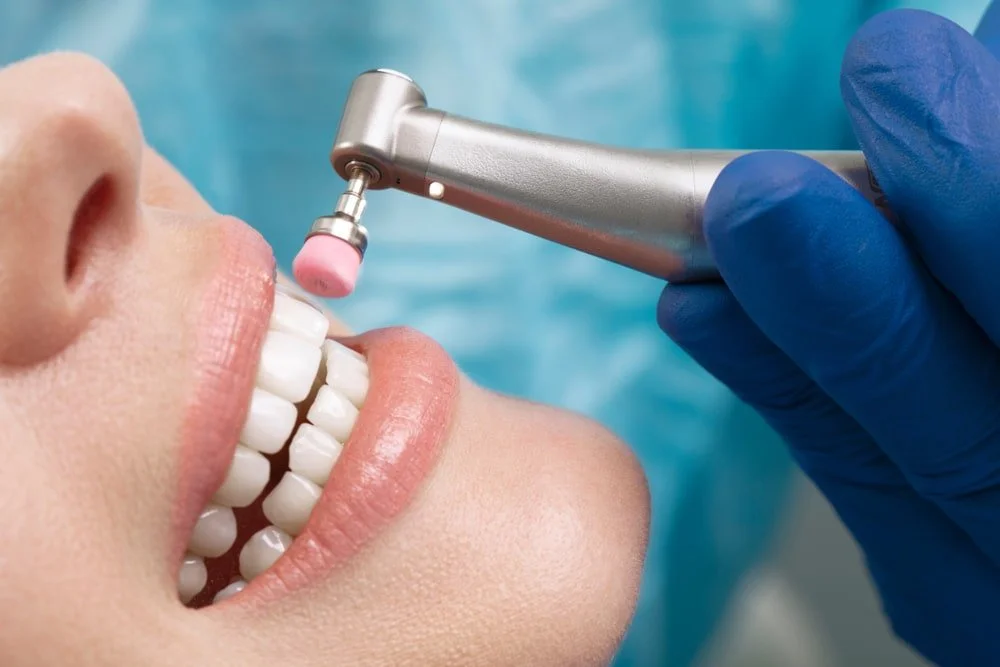
Профессиональная чистка также тесно связана с гигиеной полости рта. Во время этих процедур стоматологи-гигиенисты удаляют отложения зубного камня, которые невозможно удалить одной лишь чисткой зубов. Этот процесс помогает восстановить более чистую поверхность полости рта и обеспечивает долгосрочное поддержание гигиены полости рта.
Факторы образа жизни, влияющие на гигиену полости рта
Несколько элементов образа жизни могут влиять на эффективность практики гигиены полости рта. Диета – один из наиболее часто обсуждаемых факторов. Продукты, богатые сахаром или рафинированными углеводами, могут служить топливом для бактерий полости рта, которые могут производить кислоты, поражающие зубную эмаль.
Курение и воздействие табака также часто оцениваются при обсуждении гигиены полости рта. Исследования показывают, что табачные изделия могут изменять микробиом полости рта и влиять на реакцию тканей десен. По этой причине стоматологи часто анализируют образ жизни при обсуждении принципов гигиены полости рта.
Уровень гидратации, стресс и качество сна также могут косвенно влиять на гигиену полости рта. Эти факторы могут влиять на выработку слюны или иммунные реакции в полости рта полость.
Долгосрочная ценность поддержания гигиены полости рта
Поддержание постоянного режима гигиены полости рта часто рассматривается как инвестиция в долгосрочный комфорт полости рта. Люди, которые уделяют приоритетное внимание гигиене полости рта, со временем могут испытывать меньше стоматологических осложнений, хотя результаты могут варьироваться в зависимости от генетики и образа жизни.
С социальной точки зрения гигиена полости рта также может влиять на общение и уверенность. Чистая и здоровая улыбка часто играет важную роль в профессиональном общении и повседневных разговорах.
В конечном счете, гигиена полости рта, это больше, чем просто стоматологическая практика. Это отражает более широкую осведомленность о личном здоровье и профилактическом уходе. Поскольку стоматологические исследования продолжают развиваться, важность гигиены полости рта, вероятно, останется центральной темой здоровье полости рта дискуссии по всему миру.
Вопрос «Почему важна гигиена полости рта?» приводит к многогранному ответу, который охватывает биологию, образ жизни и профилактическую стоматологию. Гигиена полости рта играет центральную роль в здоровье полости рта: от поддержания баланса бактерий в полости рта до поддержания здоровья десен и эмали.
Хотя индивидуальные стоматологические состояния различаются, общая концепция гигиены полости рта по-прежнему подтверждается десятилетиями стоматологических исследований и клинических наблюдений. Понимание науки и привычек, лежащих в основе гигиены полости рта, может помочь людям принимать более обоснованные решения относительно своей повседневной жизни и долгосрочного ухода за зубами.
Для таких учреждений, как DentPrime, обучение пациентов гигиене полости рта остается ключевой частью повышения осведомленности о здоровье полости рта и поощрения профилактической стоматологической практики.
Об авторе