




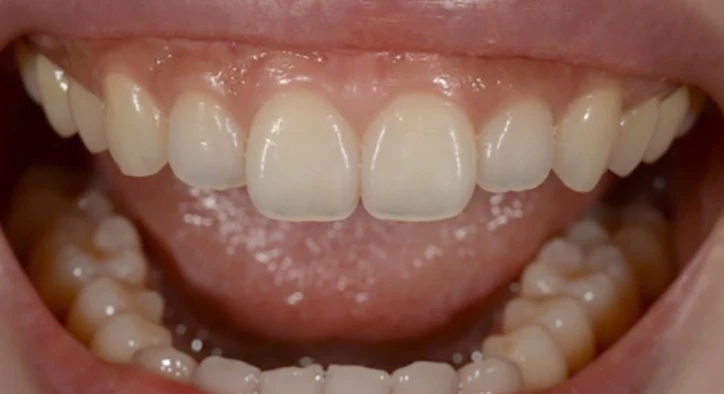

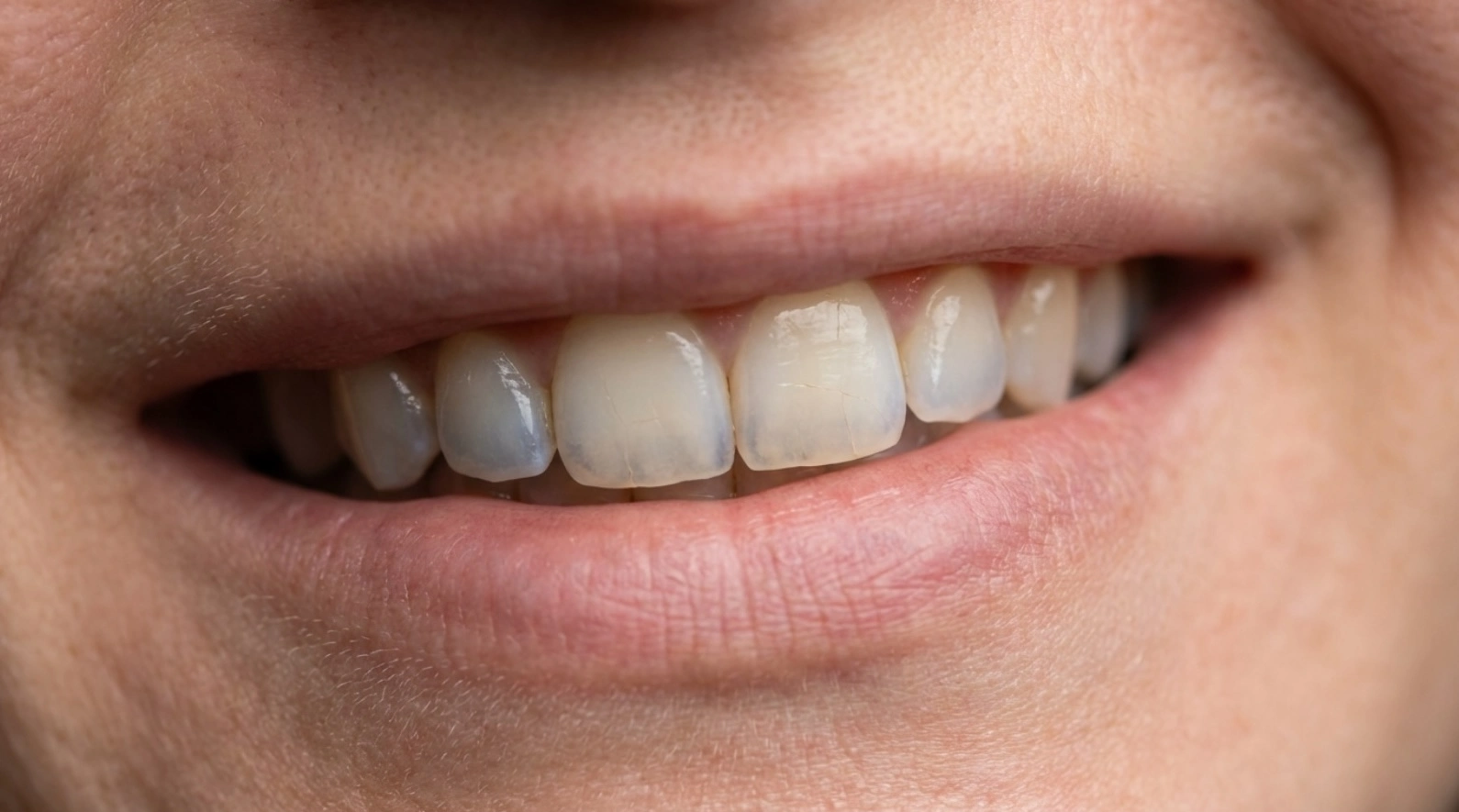
Looking closely into a mirror and noticing that the biting edges of your front teeth look see-through, bluish, or glassy is an alarming discovery. In clinical dentistry, observing transparent teeth is a clear indicator that the protective outer layer of tooth structure has lost density and volume. Because dental enamel is semi-translucent by nature, its thickness determines how light reflects across the smile. When enamel thins out, light passes straight through the tooth edge instead of bouncing back, creating a glass-like appearance that exposes the darker mouth interior.
Patients noticing incisal thinning frequently ask what causes transparent teeth and wonder is transparent teeth bad for long-term oral health. Many ask can transparent teeth be reversed using specialty toothpastes, while others evaluate aesthetic therapies to find an effective transparent teeth fix. Inquiries also arise regarding orthodontic appliances, including how transparent teeth braces and modern transparent teeth aligners fit into smile rehabilitation, alongside step-by-step guidance on how to fix transparent teeth with modern cosmetic dentistry. This clinical guide delivers transparent medical facts to safeguard your natural enamel.
Table Of Contents
- Biological Architecture: What Causes Transparent Teeth and Enamel Thinning?
- Etiology: Identifying Primary Drivers of Enamel Erosion
- Clinical Assessment: Is Transparent Teeth Bad and Can It Be Reversed?
- Orthodontic Considerations: Transparent Teeth Braces and Aligners
- Restorative Solutions: How to Fix Transparent Teeth Permanently
- Comprehensive Comparison: Restorative Approaches for Enamel Loss
- Frequently Asked Questions
Biological Architecture: What Causes Transparent Teeth and Enamel Thinning?
To understand why teeth become see-through, one must examine the histological structure of the dental crown. A natural tooth consists of three main layers: the outer enamel, the underlying dentin, and the central pulp nerve.
- [ INTACT DENTAL CROWN ]: Thick hydroxyapatite enamel covers warm, opaque dentin core
- [ ENAMEL DISSOLUTION ]: Enamel thins at the incisal edge, leaving a transparent glass-like rim
Enamel is composed of ninety-six percent inorganic hydroxyapatite crystals, making it the hardest biological substance in the human body. However, enamel contains no living cells and cannot regenerate once physically lost. Dentin, which sits beneath enamel, is yellowish, opaque, and provides the tooth with its primary color bulk. Near the incisal biting edge of incisors, the dentin core naturally terminates a millimeter or two before the enamel margin. When dietary acids, gastric reflux, or mechanical attrition wash away the surface enamel layers, this non-supported border becomes paper-thin, leading to the clinical emergence of see-through edges.
 Identifying Primary Drivers of Enamel Erosion
Analyzing the specific triggers behind what causes transparent teeth allows clinicians to stop destructive mineral loss before functional breakdown occurs.
- Extrinsic Acid Erosion: Frequent consumption of carbonated beverages, energy drinks, citrus fruits, kombucha, and wine exposes enamel to a pH below five point five. At this critical acidity threshold, hydroxyapatite crystals dissolve directly into saliva.
- Intrinsic Acid Exposure (GERD & Bulimia): Gastroesophageal reflux disease, chronic heartburn, morning sickness, and eating disorders bring hydrochloric stomach acid with a pH between one point zero and two point zero into the mouth, melting palatal and incisal enamel rapidly.
- Xerostomia (Chronic Dry Mouth): Saliva serves as a natural chemical buffer that neutralizes acids and supplies calcium and phosphate for ongoing re-mineralization. When medication, dehydration, or autoimmune conditions diminish salivary flow, enamel demineralizes unchecked.
- Mechanical Attrition and Bruxism: Clenching or grinding teeth during sleep shears away thin incisal enamel rods through intense micro-fracturing.
- Enamel Hypoplasia and Celiac Disease: Hereditary developmental defects or childhood nutritional deficiencies can result in thin, poorly mineralized enamel from the moment teeth erupt.
Clinical Assessment: Is Transparent Teeth Bad and Can It Be Reversed?
Patients discovering translucent edges often ask with urgency: is transparent teeth bad? The short answer is yes; translucency is an early warning sign of advanced enamel loss. Left untreated, thin edges chip under normal chewing forces, develop micro-cracks, turn dull or discolored, and expose dentinal tubules, leading to acute sensitivity to cold foods and sweet liquids.
- [ MINERAL LOSS STAGE ]: Early softening; reversible via calcium and fluoride uptake
- [ PHYSICAL THINNING STAGE ]: Permanent structural loss; requires restorative dental bonding
A subsequent question is: can transparent teeth be reversed? Biologically, lost enamel structure cannot regrow because the ameloblast cells that created enamel die upon tooth eruption. However, if the enamel is merely demineralized and softened without physical loss of volume, high-fluoride varnishes, nano-hydroxyapatite pastes, and casein phosphopeptide-amorphous calcium phosphate (CPP-ACP) can successfully re-mineralize the crystal matrix, hardening the layer. Once physical wear has made the tooth visibly translucent, restorative intervention is required to rebuild the lost thickness.
Orthodontic Considerations: Transparent Teeth Braces and Aligners
When planning aesthetic smile makeovers, patients often ask how orthodontic movement interacts with fragile, translucent enamel, searching for information regarding transparent teeth braces and transparent teeth aligners.
Orthodontic tooth alignment is frequently a vital preparatory phase before placing aesthetic restorations. When front teeth suffer from edge-to-edge bites or severe crowding, chewing forces accelerate incisal erosion. Correcting tooth position with clear aligners or clear ceramic braces eliminates abnormal bite pressures, ensuring future cosmetic bonding or veneers endure without fracturing.
Modern transparent teeth aligners made from medical-grade thermoplastic polyurethane offer distinct advantages for patients with thin enamel. Unlike traditional metal brackets that require acid-etching and chemical bonding onto the delicate facial enamel, smooth removable aligners permit meticulous oral hygiene and allow patients to apply remineralizing pastes directly inside the aligner trays overnight.
Restorative Solutions: How to Fix Transparent Teeth Permanently
Patients exploring clinical options for a definitive transparent teeth fix have several scientifically validated therapies available. A cosmetic dentist tailors the approach based on the severity of incisal loss.
[ RESTORATIVE EVALUATION ]: Measure remaining enamel depth and check occlusal clearance
- Direct Composite Bonding: For mild to moderate translucency, direct composite resin bonding represents the most conservative, cost-effective transparent teeth fix. The dentist slightly prepares the lingual and incisal bevels, applies an adhesive bonding agent, and sculpts layered, opaque nano-hybrid composite directly over the transparent edge. This restores natural opacity, tooth length, and light reflection in a single appointment without removing healthy tooth structure.
- Porcelain Veneers: For patients with extensive thinning, multiple chipped edges, or generalized discoloration, ultra-thin ceramic veneers crafted from lithium disilicate (E-max) or feldspathic porcelain provide the premier aesthetic standard. Veneers cover the front and biting surfaces, restoring ideal color, thickness, and strength for fifteen years or longer.
- Full Ceramic Crowns: If acid erosion has destroyed more than fifty percent of the total clinical tooth crown on both front and back surfaces, a full-coverage crown protects the remaining core from catastrophic fracture.
- Professional Fluoride and Desensitizing Varnishes: In cases of mild translucency without structural chipping, in-office applications of five percent sodium fluoride varnish occlude exposed dentin channels and arrest further acid softening.
Comprehensive Comparison: Restorative Approaches for Enamel Loss
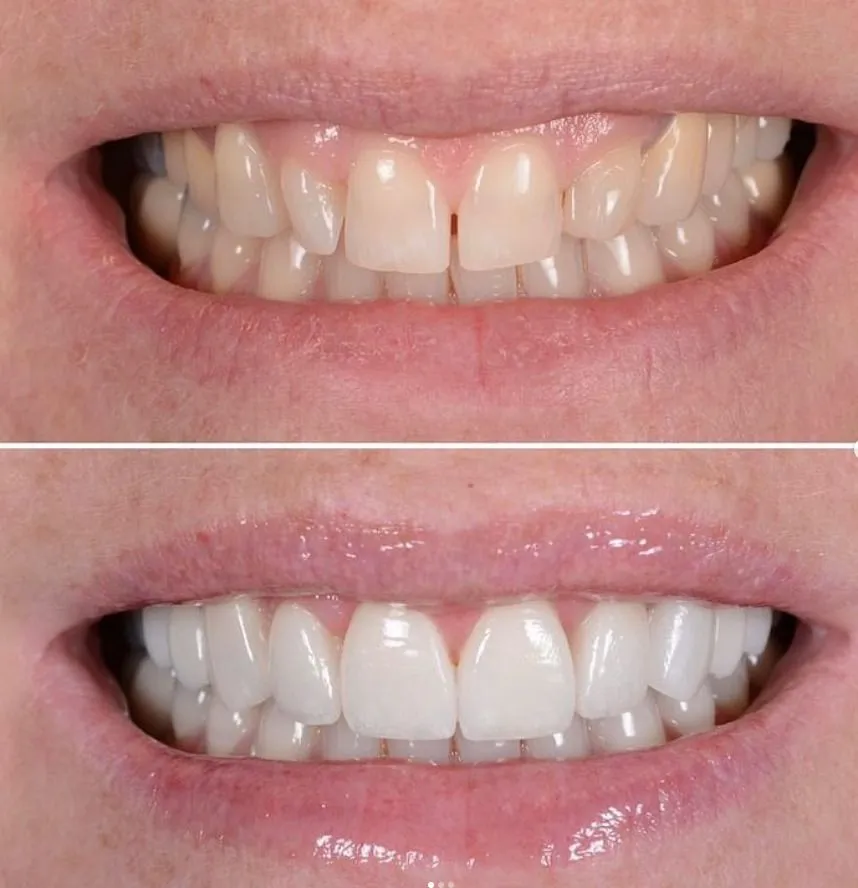
Evaluating the functional and longevity characteristics of each intervention helps patients select the ideal treatment pathway.
Clinical Parameter | Re-mineralization Therapy | Composite Resin Bonding | Porcelain Veneers (E-max) |
Enamel Loss Severity | Very mild, early mineral loss | Mild to moderate edge thinning | Moderate to severe structural loss |
Tooth Preparation | Zero drilling; chemical application | Zero to minimal micro-etching | Minimal micro-preparation (0.3 mm) |
Clinical Longevity | Requires ongoing maintenance | Five to eight years before repolishing | Fifteen to twenty years with proper care |
Restoration of Opacity | Minimal; hardens existing enamel | Excellent; fully masks transparency | Superior; mimics natural tooth anatomy |
Stain Resistance | Not applicable | Moderate; prone to surface stains | Outstanding; glazed ceramic resists stains |
Number of Visits | Multiple home applications | Single chairside appointment | Two clinical appointments |
Frequently Asked Questions
What causes transparent teeth to develop along the edges?
Transparent teeth develop when the protective outer enamel layer thins out due to acid erosion, stomach acid reflux, aggressive tooth brushing, dry mouth, or nighttime teeth grinding. Because enamel is naturally translucent, thinning allows light to pass completely through the incisal edge where no underlying dentin is present.
Can transparent teeth be reversed naturally at home?
No, physically lost enamel cannot regrow or regenerate naturally because enamel contains no living cells. However, if the enamel is only softened and demineralized, you can re-harden it using nano-hydroxyapatite or prescription fluoride toothpastes. If the tooth is already visibly see-through, a dentist must rebuild the lost thickness using composite bonding or porcelain veneers.
Is transparent teeth bad or just a harmless cosmetic issue?
Transparent teeth are bad because translucency is a direct symptom of severe enamel loss. Thin edges are structurally weak and chip easily while eating, develop hairline fractures, turn yellow as underlying dentin is exposed, and cause painful sensitivity to hot, cold, and sweet foods.
How to fix transparent teeth quickly and effectively?
The fastest and most conservative method is direct composite resin bonding, which can be completed in a single dental visit. The dentist applies tooth-colored composite to the see-through edge, restoring natural opacity and tooth shape without drilling away healthy natural enamel.
Are transparent teeth aligners safe to use if my enamel is already thin?
Yes. Clear aligners are generally safe and often beneficial because they align teeth to eliminate traumatic bite forces that cause edge chipping. Furthermore, smooth clear aligners do not require bonding brackets across the entire front of every tooth, and they can double as trays to hold remineralizing fluoride or calcium pastes against your teeth overnight.
About the Author