





Dental implants have a high success rate and many last for decades, but like any medical treatment they can occasionally run into trouble. Knowing the warning signs helps you act early, and early action often makes the difference between a problem that is simple to fix and one that is much harder to treat. Most people never experience a failure, yet it is sensible to know what to look out for.
This guide explains the signs of dental implant failure in plain language. It covers early and late problems, what is normal during healing, what may cause an implant to fail, how dentists diagnose the issue and which treatments are available. The information is general, and any concern about your own implant should be assessed by your dentist rather than judged from an article.
Table Of Contents
- How Common Is Dental Implant Failure?
- Early and Late Implant Failure
- Common Signs of Dental Implant Failure
- Pain and Swelling: What Is Normal and What Is Not
- Loose Implants and Gum Problems
- What Causes Dental Implant Failure?
- Who Is at Higher Risk?
- How Dentists Diagnose Implant Problems
- Treatment Options for a Failing Implant
- How to Lower the Risk of Implant Failure
- When to Contact Your Dentist
- Frequently Asked Questions
How Common Is Dental Implant Failure?
Studies generally report high success rates for dental implants, often above ninety percent over ten years, although the figure varies with the patient, the implant site and the way success is defined. This means that most implants do well, but a small share do not. The numbers describe groups of patients and do not predict what will happen to one person.
Failure does not always mean the implant falls out. Dentists use the word for a range of situations, from an implant that never bonded properly with the bone to one that gradually loses support years later. Understanding these different patterns makes it easier to recognise problems and to talk about them with your dentist.
Early and Late Implant Failure
Implant problems are usually grouped by when they appear. The table below gives a general overview. Individual cases differ, and only an examination can tell which pattern applies.
| Type | When it appears | Typical features |
|---|---|---|
| Early failure | Within the first weeks or months | The implant does not bond with the bone, persistent pain, movement of the implant |
| Late failure | After months or many years | Gradual bone loss, gum inflammation, loosening, sometimes pain |
| Mechanical problems | Any time | Loose or broken screw, cracked crown, damaged component |
Common Signs of Dental Implant Failure
Some symptoms are more worrying than others, and they often develop gradually. The signs most often described are:
- Pain or tenderness around the implant that continues or increases after the first healing weeks.
- An implant or crown that feels loose or moves when you press on it.
- Swollen, red or bleeding gums around the implant.
- Pus or a bad taste coming from the implant area.
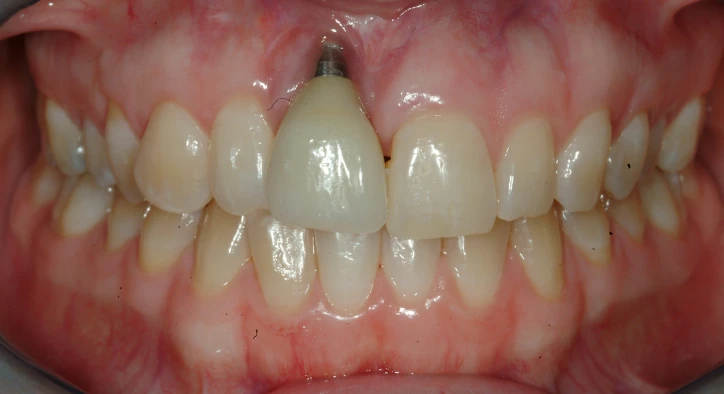
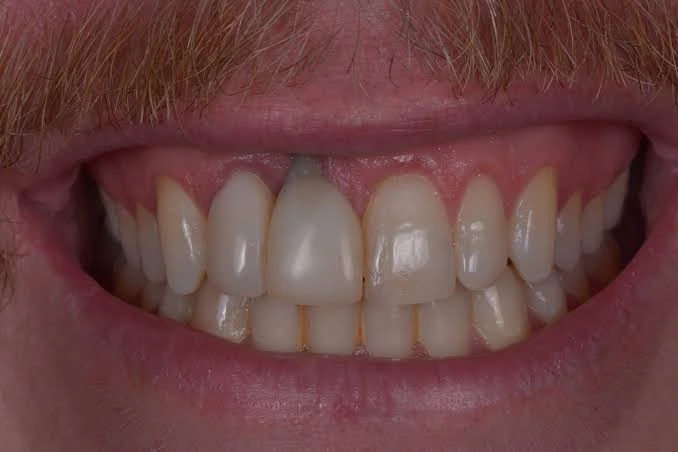
- Gums that recede so that the metal part of the implant becomes visible.
- Difficulty chewing or a change in how your teeth meet.
- A persistent bad smell that does not go away with cleaning.
Having one of these does not prove that the implant is failing, because a loose crown or a gum infection can often be treated successfully. Still, any of them deserves a prompt check.
Pain and Swelling: What Is Normal and What Is Not
Some discomfort is expected after implant surgery. Mild pain, swelling and a little bruising usually peak within the first few days and then settle. Most people feel steadily better as the weeks pass, and the dentist normally explains what to expect for your specific procedure.
What is not typical is pain that returns or gets worse after an initial improvement, swelling that spreads or does not go down, a fever or a discharge. These can point to infection or to an implant that is not healing as it should. If you are unsure whether what you feel is normal, it is better to call the clinic than to wait.
Loose Implants and Gum Problems
A properly integrated implant should feel firm and should not move. Looseness can have different causes. Sometimes the crown or the small screw that holds it has loosened, which is a mechanical problem that is usually simple to correct. In other cases the implant itself is moving because it has not bonded with the bone or because the bone around it has been lost.
Gum problems are another common warning. Peri-implantitis is an inflammatory condition that affects the gum and bone around an implant, in a way that resembles gum disease around natural teeth. It often begins with bleeding and redness and can progress to bone loss if it is not treated. Because it can develop without much pain, regular check ups are an important way to catch it early.
What Causes Dental Implant Failure?
There is rarely one single cause. Often several factors combine. Infection around the implant, whether during healing or later, is one of the main reasons. Poor oral hygiene allows bacterial plaque to build up around the implant just as it does around natural teeth.
Other causes include too little bone to hold the implant steadily, excessive force on the implant from teeth grinding or an uneven bite, and problems with the surgical technique or implant position. Healing can also be affected by general health conditions and by habits such as smoking. In a small number of cases the body simply does not bond with the implant well, and no clear reason is found.
Who Is at Higher Risk?
Certain factors are linked with a greater chance of problems. These are associations and not predictions, and many people with them have successful implants. Your dentist weighs them during planning. They include:
- Smoking, which affects blood flow and healing in the gums and bone.
- Poorly controlled diabetes.
- A history of gum disease or poor oral hygiene.
- Heavy teeth grinding or clenching.
- Radiation therapy to the head and neck area.
- Certain medicines or conditions that affect bone healing or the immune system.
None of these automatically rules out implants. With careful planning, good control of the condition and close follow up, many people in these groups still have good results.
How Dentists Diagnose Implant Problems
Diagnosis starts with a conversation about your symptoms and a careful examination. The dentist checks the gum around the implant for redness, swelling and bleeding, measures the depth of the pocket beside it and tests whether the implant or crown moves. The bite is also examined to see whether the forces on the implant are uneven.
X-rays are used to look at the bone around the implant and to see whether bone loss has occurred or is increasing. In some cases a 3D scan gives more detail. Comparing the images with earlier ones helps the dentist see whether the situation is stable or changing, and it guides the decision about which treatment is most suitable.
Treatment Options for a Failing Implant
Treatment depends on the cause and on how advanced the problem is. If the issue is a loose crown or screw, it can often be tightened or replaced. When the gums around the implant are inflamed, a professional deep cleaning, improved home care and sometimes antibacterial treatment can help bring the infection under control.
If bone has been lost, the dentist may suggest a procedure to clean the implant surface and rebuild the bone. When an implant cannot be saved, it is removed. After removal, the area is allowed to heal, and in many cases a new implant can be placed later, sometimes after a bone graft. Whether a replacement is suitable depends on the individual situation, and your dentist will explain the options.
How to Lower the Risk of Implant Failure
No one can promise that an implant will never have a problem, but good habits and careful planning improve the odds. A practical approach includes these steps:
- Choose an experienced clinic that plans treatment with a full examination and imaging.
- Follow the aftercare instructions carefully during the healing period.
- Brush twice a day and clean between your teeth and around the implant daily.
- Avoid smoking, or ask for support to stop, especially around the time of surgery.
- Wear a night guard if you grind your teeth.
- Attend regular check ups and professional cleanings, usually every six months.
If you have diabetes or another long term condition, keeping it well controlled supports healing. Tell your dentist about all medicines you take, since some of them can influence bone and gum health.
When to Contact Your Dentist
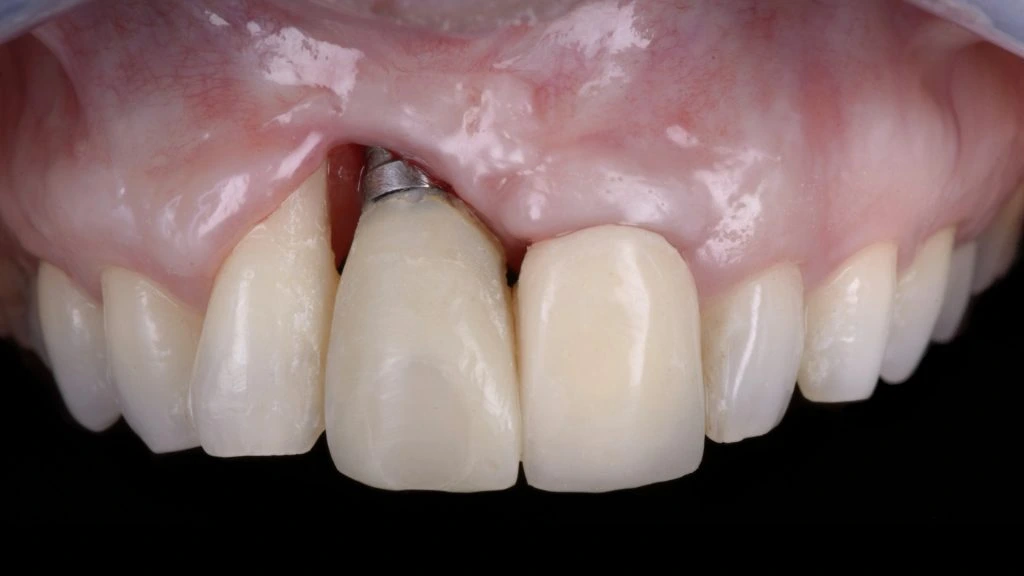
Contact your dentist if an implant or crown feels loose, if pain or swelling returns or worsens after the early healing period, if you notice pus, a bad taste or bleeding gums around the implant, or if the gum is receding. A fever together with swelling in the area also needs prompt attention. Waiting usually makes a problem larger, whereas early treatment gives more options and often a simpler solution.
Frequently Asked Questions
How do I know if my dental implant is failing?
Common warning signs are persistent pain, a loose implant or crown, swollen or bleeding gums, pus, a bad taste and receding gums that expose the implant. Only an examination and X-rays can confirm whether the implant is really failing.
Can a failed dental implant be replaced?
In many cases yes. The failed implant is removed, the area heals, and a new implant can often be placed, sometimes after a bone graft. Whether this is suitable depends on the cause of the failure and on your bone and general health.
Is it normal for an implant to hurt after surgery?
Mild pain and swelling are normal during the first days and should gradually improve. Pain that persists, returns or increases is not typical and should be checked by your dentist.
How long after surgery can an implant fail?
Failure can happen within the first weeks or months, when the implant does not bond with the bone, or years later because of infection or bone loss. This is why regular check ups matter long after the procedure.
Can I prevent peri-implantitis?
You cannot remove the risk completely, but thorough daily cleaning, regular professional check ups, not smoking and early treatment of any gum bleeding greatly reduce the chance of it developing.
Über den Autor