





A dental bone graft is meant to rebuild the jaw so that an implant has something solid to hold on to, and in most patients it does exactly that. When it does not, the first signs can be easy to mistake for ordinary healing, which is why many people only notice a problem weeks later. Swelling that does not settle, a bad taste, or a small piece of material that appears in the mouth can all be early clues, and each of them deserves a call to the clinic rather than a wait and see approach.
This guide explains what bone graft failure means, how to tell it apart from normal recovery, which factors make it more likely and how dentists confirm it. It also covers what happens next, including whether a graft can be redone and how the timing of implant treatment is adjusted so that the final result is not compromised.
Table Of Contents
- What Is Dental Bone Graft Failure?
- Bone Graft Failure Signs to Watch For
- Normal Healing or Failing Graft?
- What Causes Bone Graft Failure?
- Risk Factors That Raise the Chance of Failure
- How Do Dentists Confirm That a Graft Has Failed?
- Can a Failed Bone Graft Be Redone?
- Options After a Failed Graft
- How to Lower the Risk After a Bone Graft
- Bone Graft Failure and Dental Implants
- Planning Bone Graft Treatment Abroad
- Frequently Asked Questions
What Is Dental Bone Graft Failure?
A bone graft is placed when the jaw has lost height or width, usually after a tooth extraction, gum disease or long term tooth loss. The graft material acts as a scaffold, and over several months the body replaces it with its own living bone. Failure means that this process does not happen as planned, so the graft does not integrate and the volume of bone that was expected is not there when the implant is due.
Failure can be complete or partial. In a complete failure most of the material is lost or becomes infected and has to be removed. In a partial failure some bone forms but not enough, and the dentist may be able to add a small supplementary graft instead of starting again. Both situations are treatable, and neither means that implants are no longer possible.
Bone Graft Failure Signs to Watch For
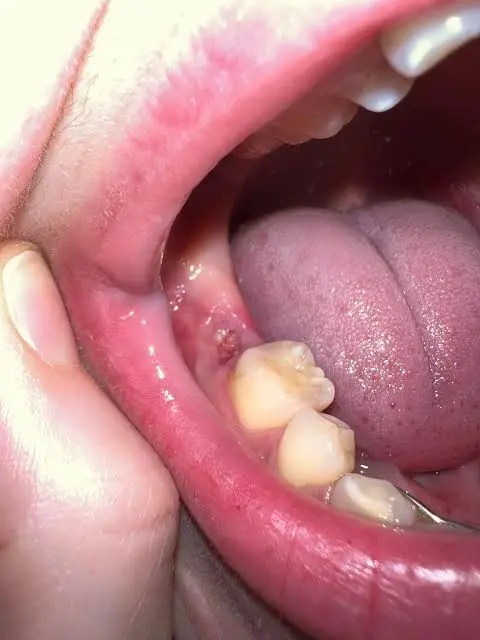
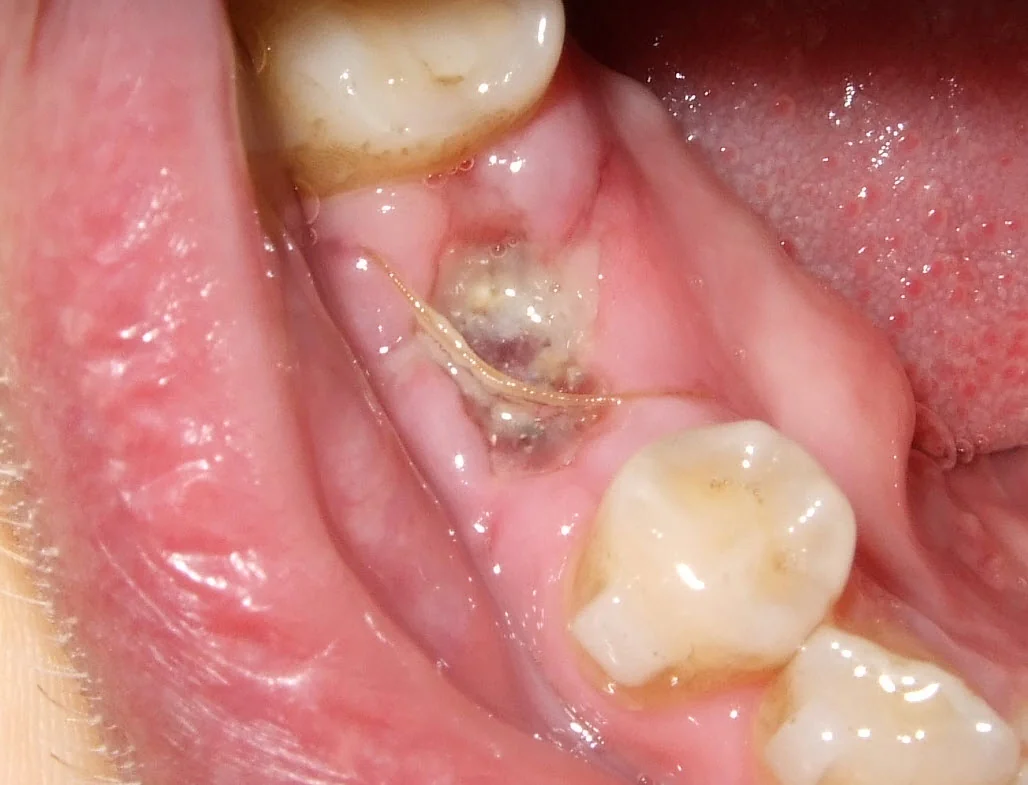
Some discomfort, swelling and light bleeding are expected in the first days after surgery. The signs of a problem are different because they persist, return or become stronger after the first week. Pain that gets worse instead of easing, swelling that increases after day three, a foul taste or smell, pus at the surgical site and a fever are the most common warning signs. Tiny grains of graft material coming out of the gum are common in the first days, but a larger amount of material or an exposed membrane is worth reporting.
Some patients also notice that the gum over the graft has opened, that the area feels loose or that the bone looks smaller on a later X-ray. None of these signs proves failure on its own, because a healing graft can look unusual at times. The important point is that a dentist should look at the area early, since an infection caught in the first weeks can sometimes be treated with a cleaning and antibiotics before the graft is lost.
Normal Healing or Failing Graft?
Telling the two apart is difficult at home, so the table below is only a general guide. Your dentist makes the final judgement after examining the area and, if needed, taking a scan.
| Observation | Usually normal healing | Possible warning sign |
|---|---|---|
| Pain | Eases steadily after the first days | Gets worse after day three or returns |
| Swelling | Peaks around day two or three, then falls | Keeps increasing or returns later |
| Small grains of material | A few in the first week | Large amounts or a visible membrane |
| Taste and smell | Neutral or slightly metallic | Persistent bad taste, pus or odour |
| Gum over the graft | Closed or healing edges | Opening wound that stays open |
What Causes Bone Graft Failure?
Infection is the most common cause. Bacteria can enter through the surgical wound, from nearby teeth with active gum disease or when oral hygiene around the site is poor. Once an infection settles in the graft material, the body treats it as a foreign substance and the integration stops. Early treatment of the infection matters, because a graft that is kept clean and protected usually has a good chance of surviving.
The second group of causes is mechanical. If the graft moves during healing, for example because a temporary denture presses on it or because the patient chews on that side, the new blood vessels that the graft needs cannot grow. Insufficient closure of the gum over the graft also exposes the material to saliva and bacteria. In some cases the issue is the surgical technique, the choice of graft material or an insufficient blood supply in a bone that was already very thin.
Risk Factors That Raise the Chance of Failure
Certain habits and conditions slow healing and make failure more likely. Smoking is the most important one, because it narrows the small blood vessels and reduces the oxygen that reaches the graft. Poorly controlled diabetes, untreated gum disease, some bone and cancer medicines, radiation to the jaw and heavy alcohol use also reduce the ability to heal.
Other factors include grafting a very large defect, grafting in a mouth where the neighbouring teeth are still infected and skipping follow up visits. A careful medical history before the operation helps the dentist choose the right material and timing, and a few weeks of preparation, such as stopping smoking and treating gum disease, can make a real difference to the result.
How Do Dentists Confirm That a Graft Has Failed?
The diagnosis starts with a clinical examination of the gum, the tissue colour, any discharge and how stable the site feels. A dental X-ray or a three dimensional scan then shows how much bone is present and whether the graft material has a normal density. Comparing the new images with the ones taken after surgery helps to see if the volume has shrunk.
In unclear cases the dentist may wait a few weeks and repeat the scan, because early images can be hard to read. If a soft tissue problem or infection is suspected, a small sample may be taken for testing. The aim is to decide whether the graft can be saved, supplemented or has to be removed.
Can a Failed Bone Graft Be Redone?
In most cases yes. The first step is to remove the failed material, clean the area and let the tissue heal, which usually takes about two to three months. During this time the cause of the failure is addressed, whether that means treating an infection, changing a medicine or stopping smoking.
A second graft often has a good chance of success when the original cause has been corrected. Dentists sometimes change the technique or material, for example using a membrane to protect the site better or a different bone source. Patients are generally advised to allow the new graft several months to mature before the implant is placed.
Options After a Failed Graft
A failed graft does not always lead to a repeat of the same operation. When enough bone remains, shorter or narrower implants may be placed without any further grafting. In the upper jaw, a sinus lift can add bone height, and in the lower jaw a block graft or guided bone regeneration can rebuild width.
For patients who cannot have more grafting, other implant solutions exist. Zygomatic implants anchor in the cheekbone, and fixed bridges or implant supported dentures can restore chewing without a large amount of bone. The best option depends on the scan, the general health of the patient and the number of teeth that need to be replaced.
How to Lower the Risk After a Bone Graft
Following the aftercare plan carefully is the most effective step. Patients are usually advised to avoid chewing on the treated side, to rinse gently with a prescribed mouthwash instead of brushing the site for the first week and to take the prescribed medicines on schedule. Sleeping with the head slightly raised and avoiding hot, hard and sticky food in the first days also helps.
It is important to avoid smoking, alcohol, intense exercise and touching the area with the tongue or fingers. Attending all follow up appointments allows the dentist to catch a problem early. Any new pain, swelling or discharge should be reported straight away instead of waiting for the next scheduled visit.
Bone Graft Failure and Dental Implants
The timing of the implant depends on how well the graft has healed. Dentists usually wait between three and nine months, depending on the material and the size of the defect, and confirm the bone volume with a scan before placing the implant. If the graft has failed, the implant is postponed until a stable base has been rebuilt.
Placing an implant into an unhealed or failed graft carries a higher risk of the implant itself failing. This is why a thorough review at the end of the healing period is important, and why a patient should not feel pressured to rush. A well planned sequence leads to a more predictable and longer lasting result.
Planning Bone Graft Treatment Abroad
For patients who travel for dental care, graft treatment needs extra planning because healing takes months and follow up checks matter. Choosing a clinic that offers digital planning, explains the materials used and supports remote follow up makes it easier to deal with a problem if one occurs. Photographs and scans sent from home can often show whether a concern needs an urgent visit.
Before travelling, it is useful to ask what happens if a graft fails, whether a repeat procedure is included in the plan and how the timeline of the implant would change. Clear answers to these questions help patients compare clinics on safety and not only on price.
Frequently Asked Questions
How common is bone graft failure?
Most bone grafts heal successfully, and failure is uncommon when the patient is healthy and follows the aftercare plan. The risk rises with smoking, infection, uncontrolled diabetes and very large defects.
How soon can you tell that a bone graft has failed?
Signs of infection can appear within the first one or two weeks. Loss of volume or poor integration may only become clear on a scan after several weeks or months, which is why follow up appointments are scheduled.
Is a failed bone graft painful?
It can be, especially if an infection is present, but some failed grafts cause little pain. Any swelling, discharge or increasing discomfort after the first week should be checked by a dentist.
Can I still get a dental implant after a failed bone graft?
In most cases yes. The area is allowed to heal, the cause is treated and a new graft or a different implant solution is planned. Your dentist will explain which option suits your bone and health.
Does bone graft rejection happen?
True rejection is rare, particularly with graft material taken from the patient or from purified sources. What is more often described as rejection is an infection or poor healing that stops the graft from integrating.
About the Author