





If you have ever whitened your teeth and then noticed that one crown stayed exactly the same shade, you already know the central problem. Dental crowns are made from materials that are designed to resist stains, and the same quality that keeps them looking clean also means that bleaching gels have almost nothing to work on. A crown that looked perfectly matched when it was fitted can start to look darker or yellower next to natural teeth that have been whitened or have simply aged.
This guide explains whether dental crowns can be whitened, why porcelain, ceramic and zirconia behave differently from enamel, and what you can realistically do when a crown no longer matches your smile. It also covers how to whiten your natural teeth before getting a new crown, so the shade is chosen correctly the first time.
Table Of Contents
- Do Dental Crowns Whiten?
- Why Crown Materials Do Not Respond to Whitening
- Why Does a Crown Look Darker Than Your Natural Teeth?
- Can You Whiten Natural Teeth Around a Crown?
- What You Can Do to Improve How a Crown Looks
- When Replacement Is the Right Choice
- Do Whitening Toothpastes and Home Kits Harm Crowns?
- How to Keep Crowns From Staining
- Replacing a Crown After Whitening: What the Process Looks Like
- Frequently Asked Questions
Do Dental Crowns Whiten?
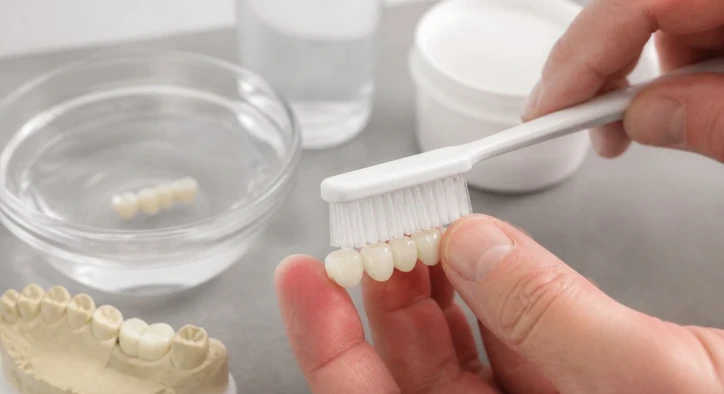
In almost every case, no. Whitening products such as peroxide gels, strips and professional bleaching work by penetrating the microscopic pores of natural enamel and breaking down pigment molecules inside the tooth. A porcelain, ceramic or zirconia crown has a glazed, non-porous surface, so the gel has nothing to penetrate and the colour does not change. The crown keeps the shade it was made in, which is exactly why a laboratory chooses that shade carefully at the start.
This is also why whitening can make a crown look worse. If your natural teeth become lighter while the crown stays the same, the crown suddenly appears dark by comparison, even though nothing about it has changed.
Why Crown Materials Do Not Respond to Whitening?
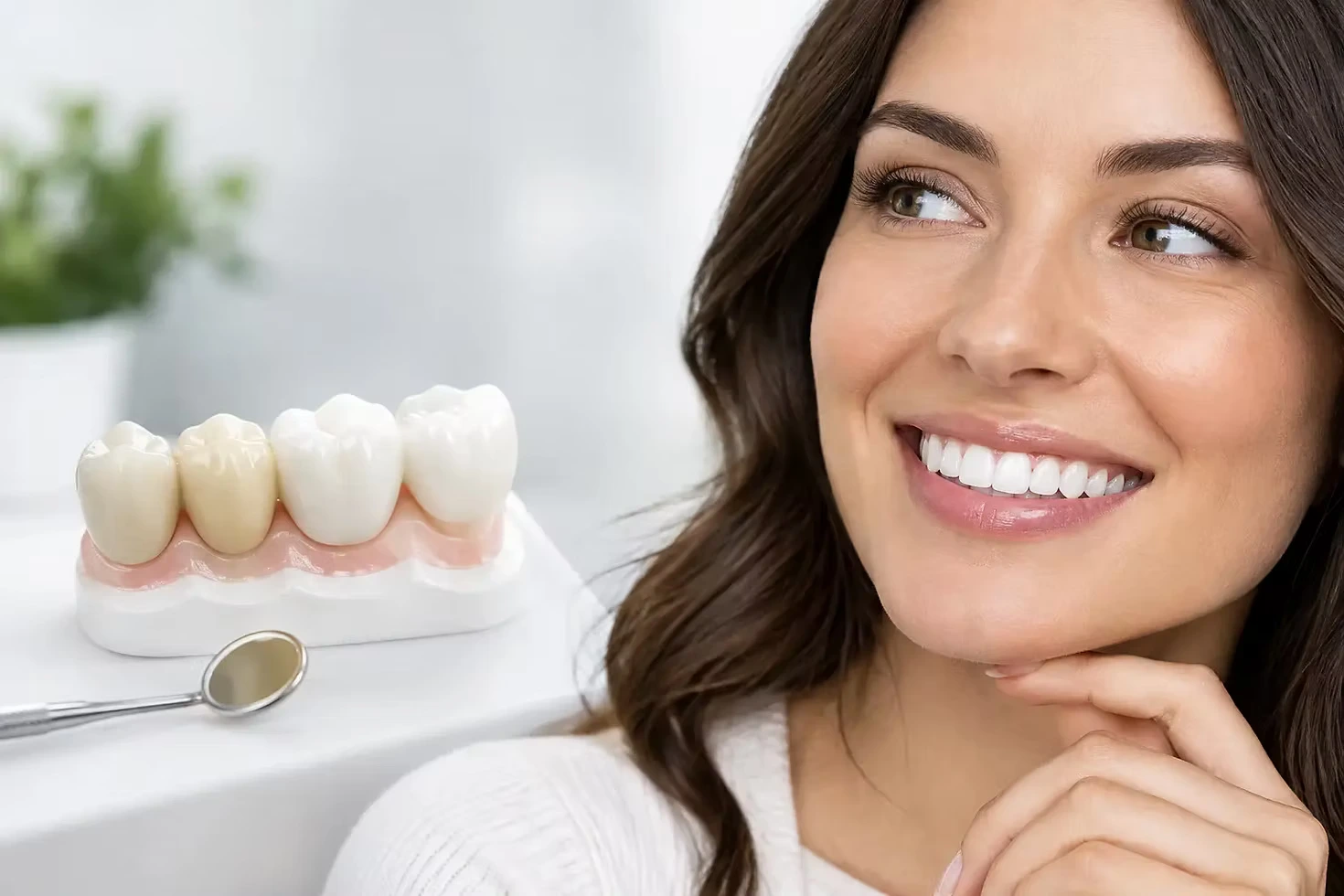
Different materials resist bleaching for slightly different reasons, but the result is the same. The table below shows how common crown materials behave.
| Crown material | Reaction to bleaching | Staining over time |
|---|---|---|
| Porcelain and all-ceramic | No colour change | Very low if the glaze stays intact |
| Zirconia | No colour change | Very low, the colour is built into the material |
| Porcelain fused to metal | No colour change | Low, but a dark metal line can show at the gum |
| Composite resin | Can change slightly | Higher, absorbs pigment more easily |
Zirconia and ceramic crowns carry their colour throughout the material rather than only on the surface, so even polishing will not make them lighter. Composite crowns and temporary crowns are the exception, because resin is slightly porous and can pick up stains or respond mildly to polishing, but the result is limited and unpredictable.
Why Does a Crown Look Darker Than Your Natural Teeth?
A crown that seems to have darkened rarely changed on its own. In most cases the difference comes from the teeth around it. Natural enamel slowly gets thinner and more yellow with age, and coffee, tea, red wine and smoking leave pigment on enamel that the crown does not absorb. After a few years, the crown still has its original shade while the neighbouring teeth have moved away from it.
There are other reasons as well. A crown placed over a dark tooth or a metal post can show a greyish tone through a thin ceramic layer. A receding gum can expose the darker edge of a porcelain fused to metal crown. A worn glaze can hold surface stains in tiny scratches. Looking at the real cause matters, because each one has a different fix.
Can You Whiten Natural Teeth Around a Crown?
Yes, whitening the natural teeth is the usual way to restore balance, and it is safe for existing crowns. Professional whitening does not damage porcelain or zirconia, but it will not lighten them either. The key is the order of treatment. If you plan to whiten, do it first, wait until the shade stabilises, and only then decide whether the crown needs to be replaced to match.
Whitening that is done before a crown is made gives the best result. Your dentist can pick the crown shade from your new tooth colour, so the match lasts longer. Whitening afterwards is possible, but it can leave the crown noticeably darker and force a replacement later.
What You Can Do to Improve How a Crown Looks
Several options help without replacing the crown, and they depend on what is making it look dull. Professional polishing removes surface stains and plaque film that build up on the glaze, and it often restores more brightness than people expect. A thorough cleaning at the dental hygienist also removes the stained layer from the natural teeth next to the crown, which narrows the visible difference.
If the glaze has worn, your dentist can reglaze or polish the surface, which makes it harder for new stains to stick. For a crown that is only slightly darker, whitening the neighbouring teeth by a shade or two is often enough to make the whole smile look even again.
When Replacement Is the Right Choice
If the colour difference is obvious, the crown is chipped, or the gum has receded and a dark edge shows, replacement gives the most reliable result. A new crown can be made in the shade of your whitened teeth, in a more natural layered ceramic, and with better margins. This is also the moment to talk about materials, because modern layered ceramic and high-translucency zirconia reproduce the look of enamel better than older crowns.
Replacement is generally planned after whitening and when the gums are healthy, so the new shade does not need adjusting. Your dentist will also check the tooth underneath for decay or damage before making the new crown.
Do Whitening Toothpastes and Home Kits Harm Crowns?
Most whitening toothpastes are not dangerous for crowns, but they do not work on them either. Very abrasive pastes can slowly dull the glaze over years, which makes stains stick more easily. A low-abrasion toothpaste is a better daily choice for a mouth with crowns and veneers. Home whitening kits will lighten natural teeth but leave crowns untouched, so the same colour mismatch applies as with professional treatment.
How to Keep Crowns From Staining?
Crowns resist stains well, but the edges and the surrounding teeth do not. Rinsing with water after coffee, tea and red wine, brushing twice a day with a soft brush and cleaning between the teeth reduces the build-up that makes a crown look dull. Regular check-ups let your dentist catch worn glaze, a leaking margin or gum recession early, and the dental hygienist can polish the crown each time. If you smoke, stopping makes the biggest single difference to how long a crown and its neighbours keep their colour.
Replacing a Crown After Whitening: What the Process Looks Like
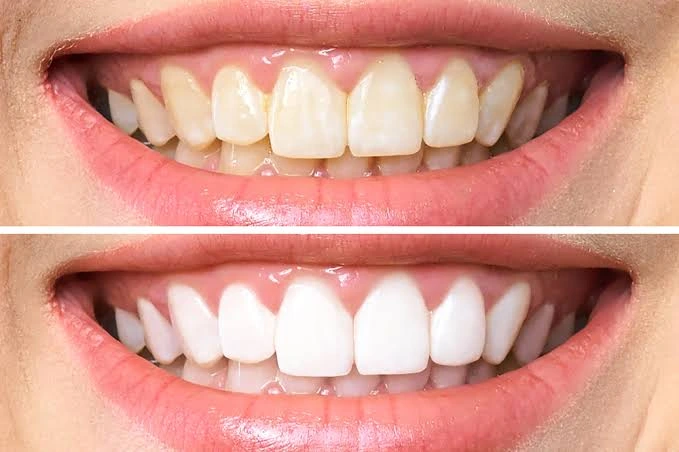
A replacement usually takes two visits, although digital scanning and in-house milling can shorten this. At the first appointment the dentist removes the old crown, checks the prepared tooth, takes a digital scan and records the shade of your whitened teeth with a shade guide and photographs. A temporary crown protects the tooth while the laboratory makes the final restoration, which normally takes one to two weeks. At the second visit the dentist fits the new crown, checks the bite and the colour in natural light, and cements it once you are happy with the match.
Several factors shape the price and the planning, including the crown material, the condition of the tooth underneath, whether a post or build-up is needed and how many crowns must match each other. If more than one front tooth is involved, treating them together usually gives a more even result than replacing a single crown. A consultation with photographs and an X-ray lets the clinic explain the options and give a clear estimate before anything is removed.
For patients who travel for dental care, the sequence matters even more. Whitening, a settling period of about two weeks and shade selection can be planned in the same trip, so the crown is made to the final tooth colour rather than a shade that will change afterwards.
Frequently Asked Questions
Can I use whitening strips on a tooth with a crown?
You can use strips on your natural teeth, but the crown will not lighten. The strip can leave the crown looking darker by comparison, so it is best to whiten before the crown is made or replaced.
Can a porcelain crown be bleached?
No. Porcelain has a glazed, non-porous surface, so bleaching gel cannot change its colour. If the shade no longer suits you, the crown has to be remade.
Why did my crown turn yellow?
Usually the surface has picked up stains or the glaze has worn, or the natural tooth beneath or beside it has changed colour. A professional polish often improves the look, and your dentist can tell you if a remake is needed.
Do zirconia crowns stain?
Zirconia resists staining very well because its colour is built into the material. The gum line and the neighbouring teeth can still stain, which is what usually makes the crown look different.
How long do crowns keep their colour?
A well-made porcelain or zirconia crown can keep its shade for many years. The difference you notice is mostly caused by natural teeth changing around it, so a new crown is only needed when the mismatch bothers you.
About the Author