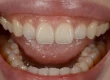







Having Buck Teeth can affect not only the aesthetics of a smile but also influence oral functionality and confidence. Often referred to as overjet in dental terminology, Buck Teeth is a condition where the upper front teeth protrude significantly beyond the lower teeth. This phenomenon can arise from genetic factors, developmental irregularities, or certain environmental influences. Understanding the causes, effects, and treatment options is essential for anyone curious about this condition or considering corrective measures.
What Are Buck Teeth?
Buck Teeth are more than just a cosmetic concern. Medically, they are characterized by an excessive horizontal overlap between the upper and lower front teeth. While a mild degree of overjet is normal, pronounced protrusion can lead to issues such as difficulty biting, speaking, and even increased risk of dental trauma.
From a structural perspective, Buck Teeth may be associated with jaw misalignment, habits like thumb-sucking in childhood, or early loss of primary teeth that disrupt normal dental development. Studies show that approximately 10-15% of children exhibit noticeable protrusion in their upper front teeth, though many cases moderate as they grow older.
Interestingly, the prominence of Buck Teeth can vary between populations due to craniofacial growth patterns, genetics, and lifestyle factors. In some cultures, a slight overjet may even be considered a characteristic smile feature rather than a dental anomaly.
Table Of Contents
Causes of Buck Teeth
The causes of Buck Teeth are diverse and often interconnected. Genetics play a substantial role, as children with a family history of dental protrusion are more likely to develop this condition. Jaw discrepancies, where the upper jaw grows faster or more prominently than the lower jaw, also contribute significantly to Buck Teeth.
Other contributing factors include childhood habits such as prolonged thumb-sucking, pacifier use, or tongue thrusting. These behaviors exert pressure on the front teeth over time, encouraging forward movement and creating the protruded appearance. Additionally, premature loss of baby teeth or delayed eruption of permanent teeth can disrupt normal alignment, paving the way for Buck Teeth.
Environmental influences, such as nutritional deficiencies during key growth periods or trauma to the jaw, can exacerbate the condition. Dental research emphasizes that while genetics set the stage, habits and developmental factors often dictate the severity and persistence of Buck Teeth into adulthood.
Effects of Buck Teeth on Oral Health
The presence of Buck Teeth can have several implications beyond appearance. One common effect is difficulty in biting and chewing properly. When the upper front teeth protrude excessively, they may not meet the lower teeth in a balanced manner, leading to uneven wear, stress on the jaw joints, and even temporomandibular joint (TMJ) discomfort.
Speech can also be impacted. Certain consonant sounds, such as “s” and “th,” require precise tongue placement against the teeth. Buck Teeth can interfere with these movements, resulting in mild speech impediments. In addition, the protrusion increases vulnerability to dental trauma; accidental falls or contact during sports can more easily chip or fracture these teeth.
Psychosocial effects are noteworthy as well. Many individuals with prominent Buck Teeth experience self-consciousness or reduced confidence when smiling, which can influence social interactions and even professional perception.
Diagnosing Buck Teeth
Diagnosing Buck Teeth involves a combination of clinical examination and imaging studies. Dentists typically evaluate the alignment of the teeth, the bite relationship, and the proportionality of the jaw structures. Overjet is measured in millimeters to determine the severity of protrusion.
Advanced imaging, such as panoramic X-rays or CBCT (Cone Beam Computed Tomography), can provide detailed insights into jaw positioning and tooth root alignment. These diagnostics are crucial for planning effective treatment. In pediatric cases, early detection is beneficial, as timely intervention can guide jaw growth and reduce the need for extensive corrective procedures later.
A dentist may also consider the patient’s medical and dental history, habits, and family background. By analyzing these factors, clinicians can distinguish whether the protrusion is primarily skeletal, dental, or a combination of both, which informs the treatment strategy.

Treatment Options for Buck Teeth
Correcting Buck Teeth involves various dental and orthodontic interventions, tailored to the individual’s age, severity, and jaw structure. One of the most common approaches is orthodontic treatment using braces or clear aligners. These devices gradually move the teeth into proper alignment, reducing the protrusion and improving bite function.
For children, interceptive orthodontics can guide jaw growth and prevent worsening of Buck Teeth. In severe skeletal cases, jaw surgery (orthognathic surgery) may be recommended in conjunction with orthodontic treatment. This approach adjusts the position of the upper or lower jaw, addressing both functional and aesthetic concerns.
Other supplementary treatments include dental bonding, veneers, or crowns in cases where the teeth themselves require reshaping. While these methods don’t correct jaw alignment, they can enhance appearance and protect vulnerable teeth.
Costs of Buck Teeth Treatment
The cost of treating Buck Teeth varies widely depending on the selected method, duration of treatment, and geographic location. Orthodontic treatment with braces typically ranges from $3,000 to $7,000, while clear aligners can cost between $4,000 and $8,000.
In cases requiring jaw surgery, expenses are higher, often exceeding $15,000, including hospital fees, anesthesia, and post-operative care. Dental bonding or veneers generally cost $200 to $1,000 per tooth, depending on materials and complexity. Insurance coverage may partially offset costs, particularly if the protrusion affects oral function or leads to complications.
A cost-benefit analysis often considers long-term dental health, reduced trauma risk, and improved self-confidence, making early and effective treatment a worthwhile investment.
Understanding and Managing Buck Teeth
Buck Teeth are a multifaceted dental condition that can influence oral health, appearance, and self-esteem. From genetic predisposition to childhood habits, multiple factors contribute to the development of protruding upper teeth. Understanding the effects and exploring accurate diagnosis allows patients to make informed decisions about treatment.
Whether opting for orthodontic braces, aligners, or surgical intervention, addressing Buck Teeth can enhance both functionality and aesthetics. Regular dental evaluations and early intervention remain key strategies for achieving optimal outcomes. With comprehensive care, individuals with Buck Teeth can enjoy improved oral health and a confident smile.
About the Author