





A bright, confident smile is often one of the first things people notice. Over time, however, daily habits can take a toll on the brilliance of our teeth. Consumption of coffee, tea, red wine, and certain foods, alongside natural aging, inevitably leads to surface dullness and deeper stains. While basic oral hygiene keeps teeth clean, brushing alone cannot alter the intrinsic shade of your enamel once discoloration sets in. This limitation is why millions of people turn to cosmetic dental treatments to restore their smile's youthful radiance.
At DentPrime, we understand that a smile transformation is not just about looks; it is about self-assurance. Modern technology has made teeth bleaching one of the safest, most predictable, and most efficient cosmetic dental procedures available. As we move through 2026, the demand for high-quality, clinical treatments continues to rise, as patients seek long-lasting alternatives to ineffective over-the-counter methods.
Table Of Contents
- What is Teeth Bleaching? Whitening vs. Bleaching Explained
- Teeth Bleaching Options
- How is Professional Teeth Whitening Applied?
- The Benefits of Professional Teeth Bleaching
- Is Teeth Bleaching Safe for Sensitive Teeth?
- Laser Teeth Bleaching in Turkey: 2026 Cost and Package Details
- How to Maintain Your Bleaching Results
- FAQ: Frequently Asked Questions
What is Teeth Bleaching? Whitening vs. Bleaching Explained
Many patients wonder: what is bleaching and how does it differ from traditional teeth whitening? While these terms are frequently used as synonyms, the dental industry makes a distinct technical separation between them based on the chemical processes involved and the results achieved.
To understand how do you whiten teeth, it helps to look at the terminology used by regulatory bodies like the FDA. Teeth whitening refers to restoring a tooth’s surface color by removing dirt, debris, and superficial stains. Anyone can achieve basic whitening using abrasive toothpastes or polishing tools.
Conversely, true teeth bleaching involves the use of peroxide-based chemicals to whiten the teeth beyond their natural baseline shade. This process targets the deeper structure of the tooth, breaking apart the complex molecular bonds of deep stains.
Teeth Bleaching Options
Exploring professional teeth bleaching options allows you to customize your smile makeover based on your personal lifestyle, timeline, and comfort levels. Rather than relying on a one-size-fits-all product, modern cosmetic dentistry offers distinct pathways that utilize different gel concentrations and application methods. Understanding these choices ensures you select a technique that safely delivers maximum results while respecting the sensitive anatomy of your teeth.
In-Office Laser Bleaching
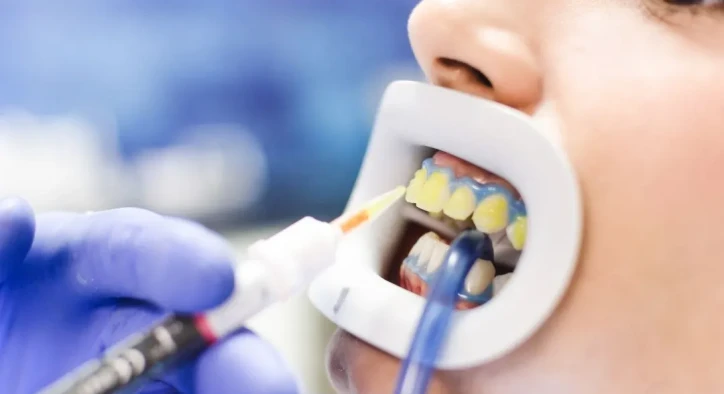
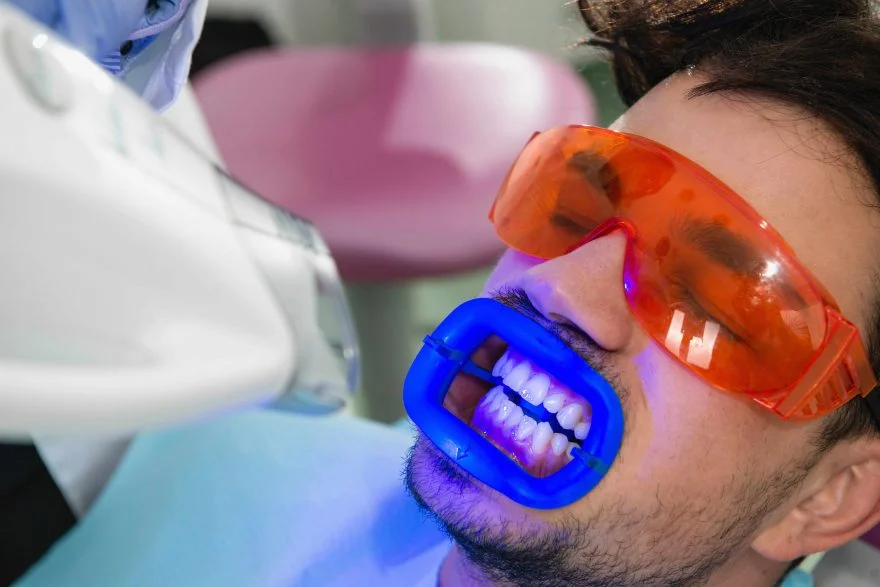
Performed entirely under the direct supervision of a dental professional, in-office bleaching is the fastest and most efficient way to alter the shade of your teeth. This method utilizes a highly concentrated hydrogen peroxide gel that is carefully applied to the enamel and then activated using a specialized laser or plasma light source.
The entire process takes approximately 45 to 60 minutes, delivering an immediate transformation of up to eight shades in a single appointment. For international patients visiting Istanbul with limited time, this clinical approach offers the highest level of safety and immediate gratification.
Custom-Fit Take-Home Trays
This option bridges the gap between clinical precision and home convenience. Your dentist takes a precise digital impression of your mouth to craft customized, clear plastic trays that fit perfectly over your teeth. You are then provided with a professional-grade bleaching gel with a lower concentration than the in-office variety.
You apply the gel inside the trays and wear them for a specified number of hours each day or overnight, as recommended by your clinician. Over the course of one to two weeks, you will see a gradual, highly stable whitening effect. This method is also frequently used as a maintenance step after an in-office laser treatment.
Over-the-Counter Products
This category includes the commercial whitening strips, paint-on gels, and universal-fit trays available at standard pharmacies or online stores. By law, these consumer products contain a very low concentration of active bleaching agents to ensure safety during unmonitored home use.
Consequently, while they can help remove superficial surface stains caused by recent dietary choices, they lack the chemical strength to break down deep, intrinsic discoloration within the dentin. Furthermore, because these trays or strips are not customized to the unique shape of your arch, there is an increased risk of the gel leaking onto your gums, which can cause local chemical irritation and uneven shade distribution.
How is Professional Teeth Whitening Applied?
Understanding how to bleach teeth in a clinical setting reveals why professional supervision provides such consistent results. Professional teeth whitening at a clinic involves a highly controlled, step-by-step process designed to optimize stain removal while protecting the delicate soft tissues of the mouth.
- Preparation and Assessment: The dentist evaluates your current tooth shade using a standard guide and checks for any untreated cavities or gum recession.
- Isolation and Protection: A liquid rubber dam or protective resin gel is applied to your gums. This step isolates the teeth and prevents the chemical bleaching agent from irritating the gum tissue.
- Gel Application: The dentist carefully applies a high-concentration hydrogen peroxide gel to the front surfaces of your teeth.
- Laser Activation: In treatments like zoom bleaching teeth or advanced laser bleaching teeth protocols, a specialized light source activates the gel. This light accelerates the chemical reaction, allowing the oxygen molecules to penetrate the enamel more rapidly.
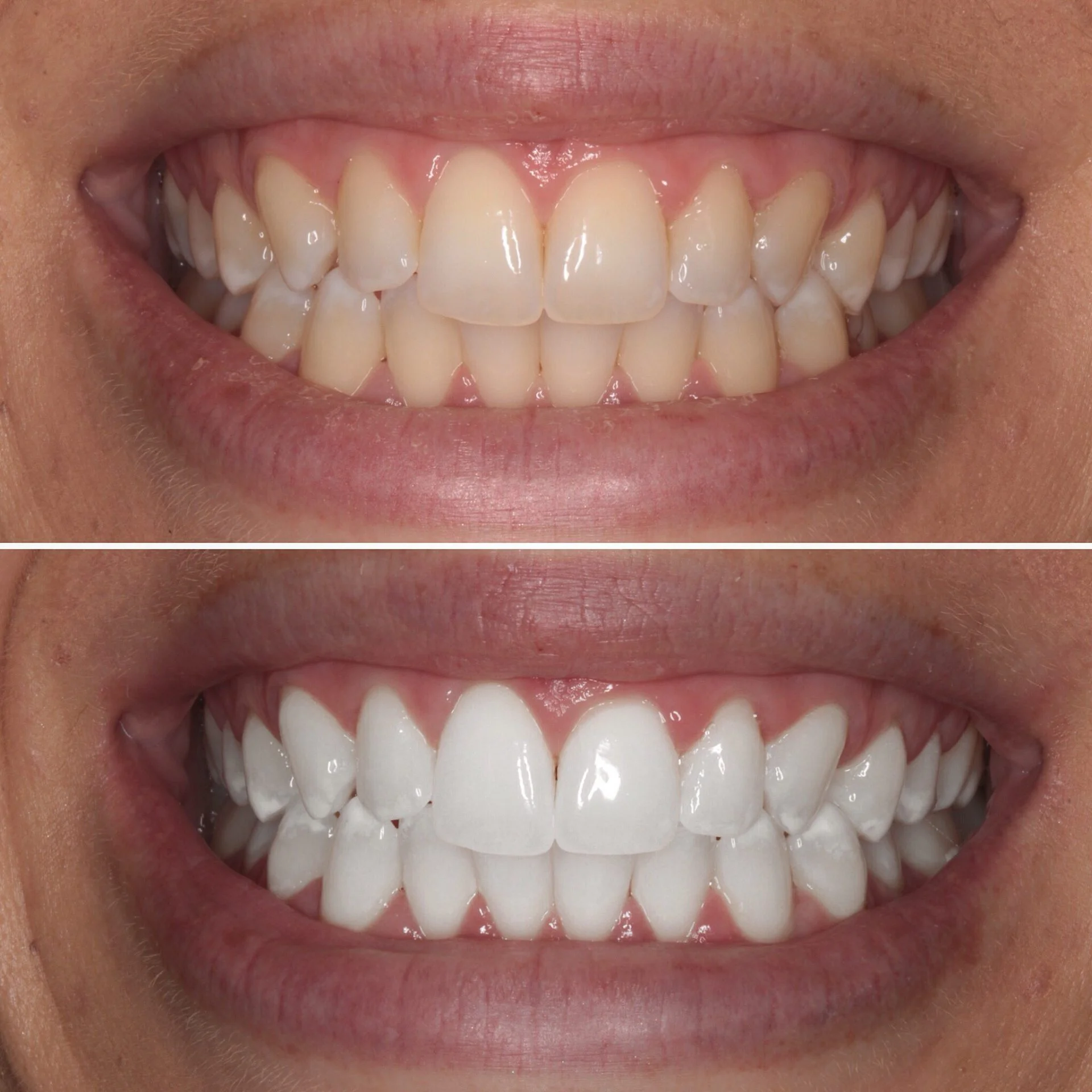
The gel is typically left on the teeth for 15-minute intervals, repeated three to four times within a single session. The entire process takes less than an hour, delivering an immediate transformation that is clearly visible when comparing teeth bleaching before after shade guides.
The Benefits of Professional Teeth Bleaching
When looking for the best way to bleach teeth, comparing laser teeth bleaching vs at-home kits highlights the distinct advantages of clinical treatments. While commercial products promise convenience, they lack the strength and precision of customized medical care.
- Speed and Efficiency: Clinical bleaching can lighten your teeth by up to eight shades in a single, 45-minute appointment. Achieving similar results with home kits could take weeks of daily application.
- Uniform Results: Over-the-counter trays or strips rarely fit the unique contours of your mouth perfectly. This misalignment can lead to uneven whitening or missed spots near the gum line. Custom clinic applications ensure every tooth receives equal exposure.
- Enamel and Gum Safety: Because a professional monitors the entire treatment, the risk of chemical burns on the gums or uneven enamel erosion is minimized.
Is Teeth Bleaching Safe for Sensitive Teeth?
The most common concern patients raise before undergoing a smile makeover is the fear of post-operative pain or permanent structural damage. The question of whether the procedure hurts is especially common among individuals who already experience sensitivity when consuming cold or hot beverages.
Fortunately, modern developments in dental materials mean that finding the best teeth bleaching for sensitive teeth is entirely possible. Clinical gels used in 2026 are frequently formulated with built-in desensitizing agents, such as potassium nitrate and amorphous calcium phosphate. These compounds help seal the microscopic pores in the enamel during the bleaching process, reducing the risk of nerve irritation.
- Enamel Surface Stains: Removed by standard whitening
- Dentin Deep Discoloration: Broken down by professional bleaching i.e. Hydrogen Peroxide
Additionally, if you choose a professional environment, your dentist can adjust the concentration of the gel or modify the duration of the laser exposure based on your comfort levels. This customized approach prevents the painful "zings" often caused by the unmonitored use of over-the-counter best teeth bleaching products.
Laser Teeth Bleaching in Turkey: 2026 Cost and Package Details
For international patients, understanding how much is teeth bleaching globally often leads to considering medical travel. In countries like the UK, Germany, or the USA, the teeth bleaching cost in a premium clinic can be substantial, sometimes turning a straightforward aesthetic update into a major financial consideration.
In 2026, laser teeth whitening in Turkey remains an exceptionally popular option for cosmetic dental tourism. Because of lower local operational overheads and a highly competitive medical market, the teeth bleaching price in cities like Istanbul is remarkably accessible without sacrificing quality.
How to Maintain Your Bleaching Results
A major consideration for anyone investing in their smile is longevity: how long does teeth bleach last? On average, the results of a professional session can endure anywhere from one to three years. However, the exact lifespan of your new shade depends heavily on your post-treatment lifestyle choices.
The first 48 hours after your appointment are the most critical. During this window, the microscopic pores of your teeth remain slightly open, making them highly susceptible to new stains. Dentists recommend adhering to a "white diet" during this brief period, avoiding heavily pigmented items such as coffee, dark berries, soy sauce, and tobacco.
To extend the brilliance of your smile long after your visit, consider the following maintenance strategies:
- Rinse After Meals: If you cannot brush immediately after drinking coffee or tea, rinsing your mouth thoroughly with water can help prevent pigments from settling into the enamel.
- Use a Straw: When consuming iced tea, iced coffee, or dark juices, using a straw minimizes direct contact between the liquid and your front teeth.
- Touch-Up Trays: Your dentist can provide custom take-home trays for minor touch-ups once or twice a year to maintain the baseline shade.
- Avoid Internet Myths: Curiosity about how to bleach teeth naturally often leads patients to try abrasive home remedies like baking soda, charcoal, or lemon juice. These methods can strip away your enamel, exposing the naturally yellow dentin underneath and making your teeth look darker over time.
FAQ: Frequently Asked Questions
How long does teeth bleaching last?
The effects of professional bleaching typically last between 12 to 36 months. This timeline varies based on your dietary habits, oral hygiene routine, and whether you smoke or consume staining beverages regularly.
Is bleaching good for the teeth?
When performed by a dental professional, bleaching is entirely safe for the teeth. The active ingredients temporarily open the enamel pores to dissolve stains but do not cause structural degradation or thinning of the enamel layer.
What is the difference between teeth whitening and teeth bleaching?
Teeth whitening refers to removing surface stains to restore a tooth's original cleanliness. Teeth bleaching uses chemical oxidizers to lighten the actual internal structure of the tooth, moving it beyond its natural color baseline.
Why are my teeth yellow even though I brush them?
Brushing removes external plaque and surface stains, but it cannot change the color of the underlying dentin layer, which naturally becomes more yellow with age or genetic predisposition as the enamel thins.
About the Author