




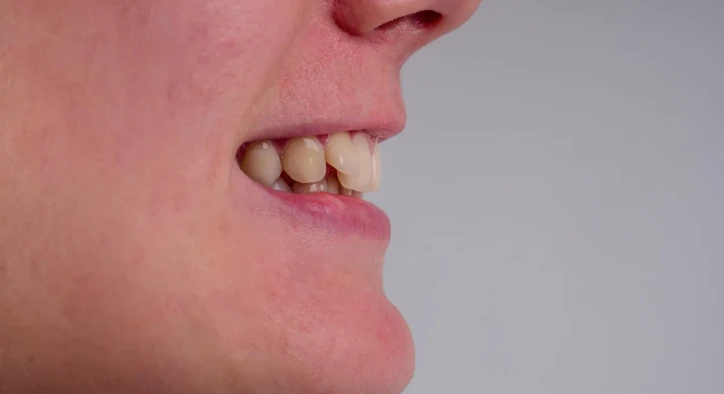

Dental alignment is a fundamental pillar of overall physical health, affecting everything from efficient digestion to clear speech and facial aesthetics. While crowded or crooked teeth are easily noticed when looking in a mirror, structural alignment issues often go undetected until they begin to cause functional complications. One of the most common yet frequently misunderstood structural misalignments is a deep bite. This condition subtly alters the mechanics of the jaw, placing continuous, hidden stress on the teeth, gums, and joints.
At DentPrime, we focus on guiding patients toward a clear understanding of their structural oral health before they choose a treatment pathway. A closed bite is far more than a simple cosmetic variation; it is a complex functional challenge that requires a precise, customized orthodontic or surgical approach.
As medical coordination standards in 2026 prioritize highly digitalized planning and minimally invasive techniques, correcting structural alignment has become a highly predictable and accessible journey for patients worldwide.
Table Of Contents
What is a Deep Bite? The Anatomy of a Closed Malocclusion
To understand how this condition impacts your oral framework, it helps to explore exactly what is a deep bite in a clinical context. In an ideal dental relationship, the upper front teeth act as a protective shield, overlapping the lower front teeth slightly by a distance of roughly two to three millimeters. When a patient presents with this malocclusion, the vertical overlap is severely exaggerated. In moderate to severe cases, the lower front teeth are completely hidden from view when the back molars are biting together.
Patients and educational resources frequently confuse the terms deep bite vs overbite. While they are closely related, they describe two distinct dimensions of jaw alignment:
- Overbite: This term describes the general vertical overlap of the front teeth. Every healthy smile has a minor, normal overbite.
- Deep Bite: This is an excessive, pathological overbite. It indicates that the vertical coverage has progressed to a stage where it threatens the health of the dental tissue and the functionality of the jaw joint.
When diagnosing deep bite teeth, orthodontists often look at the Curve of Spee—the anatomical curve that runs along the chewing surfaces of the lower teeth from front to back. In a closed bite profile, this curve becomes overly steepened, causing the lower front teeth to grow upward excessively while the back molars remain under-erupted.
What Causes a Deep Bite to Develop?
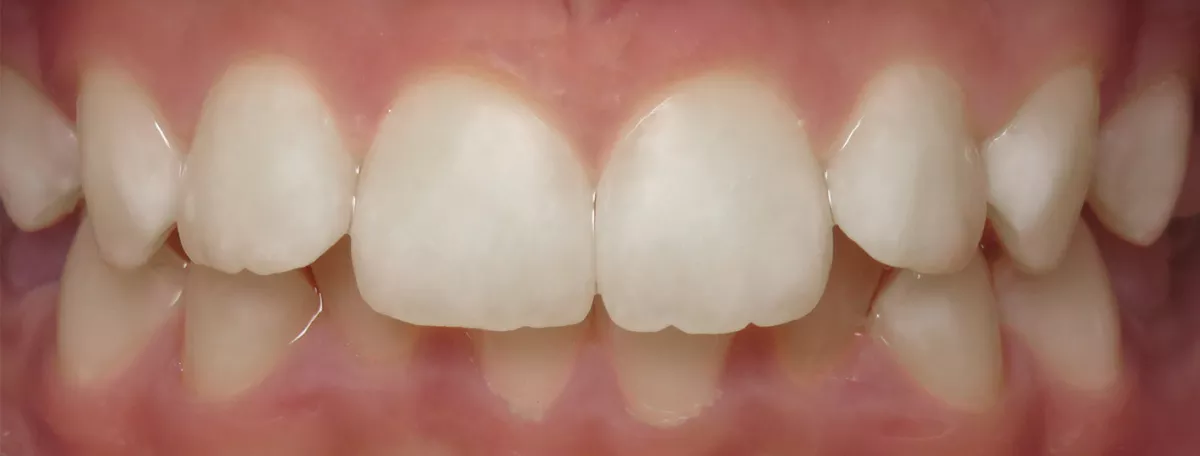
When tracking down the roots of dental misalignments, patients regularly ask: why do i have a deep bite? The development of a closed bite is rarely linked to a single action; it is typically the result of a combination of inherited genetic blueprints and early childhood developmental habits.
- Skeletal Genetics: The most common cause is an inherited structural discrepancy between the upper and lower jawbones. If a patient inherits a significantly smaller or recessed lower jaw (mandible), the upper teeth will naturally overlap the lower arch excessively due to the lack of an opposing skeletal platform.
- Childhood Habits: Extended use of a pacifier, chronic thumb-sucking, or a persistent tongue-thrusting habit during early childhood can disrupt the natural eruption pattern of the permanent teeth, altering the vertical development of the jaw.
- Missing Back Molars: If a patient loses a lower back tooth and does not replace it promptly, the surrounding teeth will naturally tilt into the empty space. This structural collapse causes the back of the jaw to lose its vertical height, allowing the front teeth to deep-dive over each other.
- Hyperactive Jaw Muscles: Strong, overdeveloped biting muscles (masseters) can place a continuous downward force on the dental arches, compressing the vertical height of the bite over time.
Why You Shouldn't Ignore a Deep Bite: Long-Term Oral Health Risks
Because this condition does not always cause immediate, sharp pain in its early stages, many individuals delay looking into a deep bite correction. However, leaving a closed malocclusion untreated can lead to a progressive cycle of structural destruction that becomes increasingly complex to repair later in life.
Premature Tooth Wear and Enamel Destruction
When the teeth do not meet at the correct angles, the natural forces of chewing are distributed unevenly. The lower front teeth continually scrape against the back surfaces of the upper front teeth. Over several years, this friction strips away the protective enamel layer, leading to flattened, chipped, and shortened front teeth. This mechanical wear exposes the sensitive underlying dentin, causing chronic temperature sensitivity and increasing the risk of structural fractures.
TMJ Disorders and Chronic Jaw Clicking
The human jaw joint, or temporomandibular joint (TMJ), relies on a delicate balance of space to glide smoothly. A deep closed bite forces the lower jaw backward into an unnatural, compressed position within the joint socket. This continuous posterior displacement places intense pressure on the sensitive nerves and blood vessels behind the joint disc. Over time, this structural strain can trigger TMJ dysfunction, which frequently manifests as chronic headaches, neck tension, a locked jaw, or a noticeable clicking sound when eating.
Gum Trauma and Soft Tissue Irritation
In severe variations of this malocclusion, the lower front teeth can grow so high that they bypass the upper teeth entirely and bite directly into the soft palatal tissue behind them. This continuous impact causes chronic gum irritation, painful ulcerations, and localized bleeding. Conversely, the upper front teeth can press down hard into the lower gum line, destabilizing the soft tissue attachment around the roots and potentially leading to premature periodontal recession or tooth loosening.
How to Fix a Deep Bite?
Fortunately, modern orthodontic developments mean that patients have access to several reliable pathways to achieve a stable, aligned smile. When researching how to fix a deep bite, the ideal choice depends on the patient's age, structural severity, and whether the issue is primarily dental or skeletal.
1. Clear Aligners and Modern Invisible Braces
For adults looking for a discreet approach, clear aligners have become an incredibly popular tool for treating mild to moderate variations. Modern aligners utilize specific attachments placed on the teeth to exert a continuous, calculated force that intrudes the front teeth back into the bone while slightly extruding the back molars to open up the bite vertically. This dual mechanical action levels out the arch line, providing a highly effective deep bite treatment without the need for traditional metal wires.
2. Traditional Orthodontics and Bite Turbos
When evaluating can a deep bite be fixed with braces, the answer for complex dental cases is overwhelmingly yes. Traditional fixed braces give orthodontists precise, three-dimensional control over tooth movement. To accelerate the opening of the bite, specialists often place temporary composite blocks, known as bite turbos, behind the upper front teeth. These blocks prevent the mouth from closing completely, allowing the back molars to erupt further and lift the bite safely while protecting the lower brackets from being broken by the upper teeth.
3. Surgical Correction (Orthognathic Surgery) for Skeletal Cases
When a severe closed bite is caused by an inherently small or recessed jawbone rather than simple tooth positioning, orthodontic alignment alone may not provide a stable result. In these complex scenarios, a combination of braces and deep bite jaw surgery is required. A maxillofacial surgeon carefully repositions the lower jaw bone forward into a balanced relationship with the upper arch, creating a structural foundation that instantly resolves the deep overlap and eliminates severe TMJ compression.
Method | Best Suited For | Average Duration | Primary Benefit |
Clear Aligners | Mild to moderate dental cases | 12 - 18 Months | Removable, aesthetic, highly comfortable |
Traditional Braces | Severe dental or mixed cases | 18 - 24 Months | Maximum structural control over roots |
Orthognathic Surgery | Severe skeletal jaw discrepancies | 20 - 30 Months (with braces) | Permanently fixes deep skeletal profiles |
Does Correcting a Deep Bite Change Your Facial Profile?
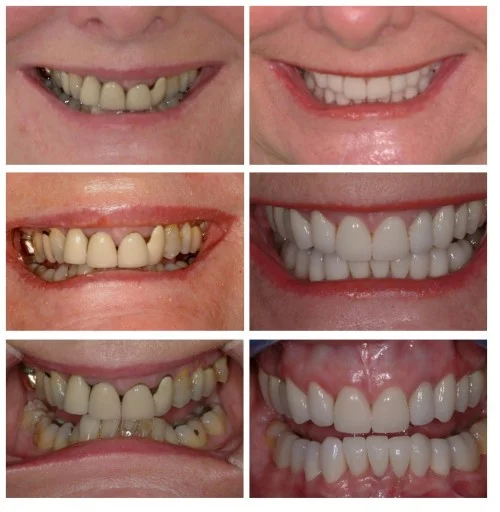
Beyond the vital health benefits of preserving your enamel and protecting your joints, undergoing a corrective procedure can have a noticeable, positive impact on your appearance. Many adult patients are eager to understand the exact deep bite before and after jaw profile changes they might experience.
Because a deep bite forces the lower jaw upward and backward, it significantly shortens the lower third of the face—the distance between the bottom of the nose and the base of the chin. This structural compression can cause the chin to look recessed or weak, while making the upper lip appear unusually prominent or thin. In some cases, this lack of vertical height can cause the soft tissues around the jawline to sag slightly, making an individual look prematurely aged.
FAQ: Frequently Asked Questions
Can a deep bite return after orthodontic treatment?
Yes, a relapse is possible if post-treatment guidelines are not followed diligently. Because jaw muscles and bone structures possess a form of physical memory, wearing your custom retainers exactly as prescribed by your orthodontist is mandatory to keep the teeth in their newly opened, stable positions.
Is deep bite correction more difficult for adults than children?
While correcting a closed bite is often simpler in children because their jawbones are still growing and adapting, advanced modern orthodontic mechanics allow for highly successful adult treatments as well. Adults may require slightly more time for the bone to remodel around the roots, but the final structural results are just as reliable.
How long does it typically take to fix an overbite or deep bite?
The duration of your treatment depends heavily on the severity of the malocclusion and the method used. Mild to moderate cases handled with clear aligners or traditional braces usually take between 12 to 24 months, whereas complex skeletal cases involving jaw surgery can require up to two years or more of combined care.
Can a deep bite cause your jaw to click?
Yes. Because a deep closed bite forces the lower jaw bone too far back into the joint socket, it places unusual pressure on the sensitive temporomandibular joint (TMJ). This constant compression can cause the internal protective disc to slip out of place, leading to a noticeable clicking or popping sound when opening your mouth.
About the Author