
Whatsapp (Online)
Whatsapp (Online) Average response time: 3 minutes

Can I Eat Chicken After Dental Implant Surgery?

Wondering if you can eat chicken after Dental Implant surgery? Learn how food texture, healing stages, and smart preparation affect comfort and recovery.
Dental Clinic in Antalya DentPrime Contact

Undergoing a Dental Implant procedure is often the first step toward restoring comfort, confidence, and full chewing function. Yet once the surgery is over and the anesthesia fades, a surprisingly common question appears at the dinner table: can you safely eat chicken after a Dental Implant placement?

Food choices matter more than many people realize. The tissues around a Dental Implant need time to stabilize, and your daily meals directly influence healing, swelling, and overall comfort. Chicken, a high protein and widely preferred food, seems like a healthy option. But is it suitable immediately, or should you wait?

Why Diet Matters After a Dental Implant Procedure

The hours and days following a Dental Implant surgery are biologically active. Your body begins forming a blood clot at the surgical site, which acts as a protective layer. Beneath that layer, bone cells start the long process of osseointegration, where the implant gradually bonds with the jawbone.

Food texture plays a key role here. Hard or fibrous foods can disturb the area mechanically. Excessive chewing pressure may cause discomfort or irritation, especially during the first week. Even if the implant itself is stable, the surrounding soft tissue remains delicate.

From a nutritional perspective, however, protein, vitamins, and minerals are essential. They support collagen production and tissue repair. This is why balanced meals are encouraged, but texture control becomes just as important as nutrient content.

Understanding Healing Stages Around a Dental Implant

Recovery is not a single moment but a sequence of stages. Knowing these phases makes food decisions easier and more logical.

First 24 to 48 hours
Inflammation is normal. Swelling peaks. Soft and cool foods are typically more comfortable.

Days 3 to 7
Tissues begin closing. Mild chewing may be possible away from the surgical site.

Weeks 2 to 6
Bone remodeling continues. Most daily activities return to normal, though extreme pressure is still avoided.

During the earliest phase, even soft chicken may feel too heavy to chew. Later, shredded or finely cut pieces become easier to tolerate. Timing, therefore, often matters more than the food itself.

Is Chicken Safe After Dental Implant Surgery?

Chicken is not inherently harmful. In fact, nutritionally, it is one of the better options. It is rich in protein, zinc, iron, and B vitamins, all associated with wound healing and immune support.

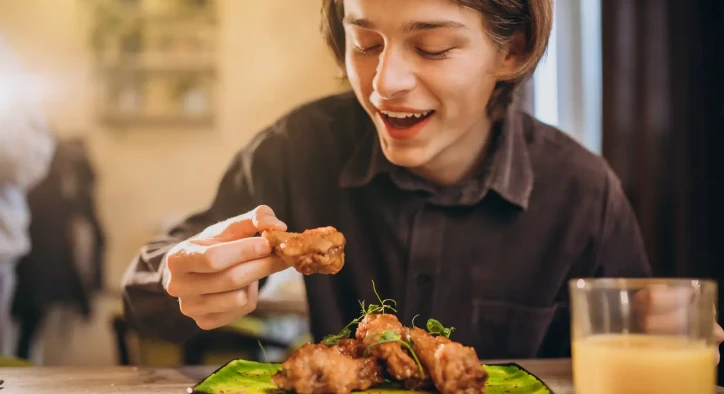
The challenge is texture. Grilled chicken breast can be dry and fibrous. Fried chicken introduces hard coatings and crunchy edges. Both require strong chewing forces, which may stress tissues around the Dental Implant site.

On the other hand, softer preparations change the picture completely. Slow cooked, shredded, or finely chopped chicken is easier to manage. When moisture is retained, chewing becomes gentler and more controlled.

In simple terms, the issue is not chicken itself, but how it is cooked and when it is eaten.

Best Ways to Prepare Chicken During Dental Implant Recovery

Preparation methods can transform chicken from a risky choice into a recovery friendly meal. Texture should always be your first priority.

Here are generally easier options:

  1. Boiled or poached chicken, very tender

  2. Slow cooked shredded chicken

  3. Chicken soup with small pieces

  4. Pureed or finely minced chicken mixed into soft foods

  5. Steamed chicken with extra moisture

These versions reduce chewing force and lower the chance of accidentally biting near the Dental Implant area. Warm, not hot, temperatures are usually more comfortable as well.

In contrast, foods such as fried strips, crispy wings, or heavily grilled portions may feel too tough during early healing.

Protein Intake and Dental Implant Recovery Science

Protein often receives special attention after oral surgery. That attention is supported by research. Proteins provide amino acids that help build new tissue and support immune defense.

After a Dental Implant placement, the body is essentially performing micro reconstruction work. Cells are forming new blood vessels, connective tissue, and bone integration zones. Adequate protein intake may support this process indirectly by providing building blocks.

Chicken is considered a complete protein source. Compared to some red meats, it is also easier to digest and lower in saturated fat. This makes it appealing for many patients seeking lighter meals during recovery.

Still, balance remains important. Yogurt, eggs, fish, legumes, and smoothies can diversify nutrient intake while giving your jaw a rest.

Foods to Prefer and Avoid Near a Dental Implant

A quick comparison often helps visualize safer choices.

Easier Choices

Harder Choices

Soup based meals

Crunchy snacks

Mashed vegetables

Nuts or seeds

Soft scrambled eggs

Tough steak

Shredded chicken

Crispy fried foods

Smoothies

Sticky candy

This table is not a strict rulebook. Instead, think of it as a comfort guide. If a food requires forceful biting, it may not be ideal during early healing around a Dental Implant.

How Soon Can You Reintroduce Normal Chicken Meals After a Dental Implant?

People often expect a single timeline, but recovery varies widely. Some feel comfortable within a few days. Others prefer waiting longer.

Many individuals start with liquids and soft foods, then slowly introduce tender proteins. By the second or third week, normal chewing usually feels easier, especially if the Dental Implant site is not directly used for biting.

Listening to your own comfort signals can be more informative than counting days. If chewing causes strain or soreness, softer alternatives may be more suitable for a little longer.

Gradual reintroduction often works best. Start small, chew slowly, and avoid direct pressure on the surgical area.

Everyday Eating Habits That Support Dental Implant Comfort

Beyond specific foods, eating behavior also influences comfort.

Simple habits can make a difference:

  • Take smaller bites

  • Chew on the opposite side

  • Avoid very hot meals

  • Stay hydrated

  • Maintain gentle oral hygiene

These practices reduce accidental pressure and keep the environment around the Dental Implant cleaner, which may contribute to smoother healing.

Sometimes the way you eat matters more than what you eat.

A Balanced Perspective from DentPrime

At DentPrime, patient questions often revolve around daily life rather than technical surgery details. Meals, social gatherings, and comfort are real world concerns. Chicken is a normal part of many diets, so it makes sense to wonder when it becomes safe again.

Instead of strict restrictions, the focus is usually on understanding texture, timing, and moderation. With thoughtful preparation and gradual progression, chicken can fit comfortably into recovery.

The goal is not to eliminate favorite foods, but to adapt them intelligently while your Dental Implant integrates naturally.

So, can you eat chicken after a Dental Implant surgery?

In many cases, yes, but softness, preparation style, and timing make all the difference. Tender, moist, and easy to chew chicken options generally feel more comfortable than dry or crunchy versions. Paying attention to how your mouth feels helps guide the process better than rigid rules.

Healing is personal. By combining balanced nutrition with gentle chewing habits, you create an environment that supports both comfort and recovery.

DentPrime encourages informed choices and open communication, helping patients return to everyday meals with confidence and ease.


About the Author

DentPrime UK
DentPrime UK DentPrime is a network of dental clinics who specialize in dental treatments and have outstanding qualifications and experience; we have clinics in the top Turkish Tourist Destinations and we look to promote only the best.

Comment

We Searched Most With These Hashtags On Social Media!