





For many people wearing full dentures, the question arises naturally: can Dental Implants replace or improve what they already have? The short answer is often yes, but the real answer depends on bone structure, oral health history, expectations, and treatment goals. At DentPrime, this topic is approached not as a simple yes or no decision, but as a comprehensive restorative journey shaped by biology and technology.
Modern Dental Implants have transformed the way clinicians think about tooth replacement. Instead of resting on the gums like removable dentures, implant-supported solutions integrate with the jawbone, creating a stable foundation that mimics natural tooth roots. For individuals with full dentures, this opens the door to enhanced stability, chewing efficiency, and long term comfort without abandoning safety or predictability.
Table Of Contents
- Understanding Dental Implants for Full Denture Wearers
- Are You a Candidate for Dental Implants with Full Dentures?
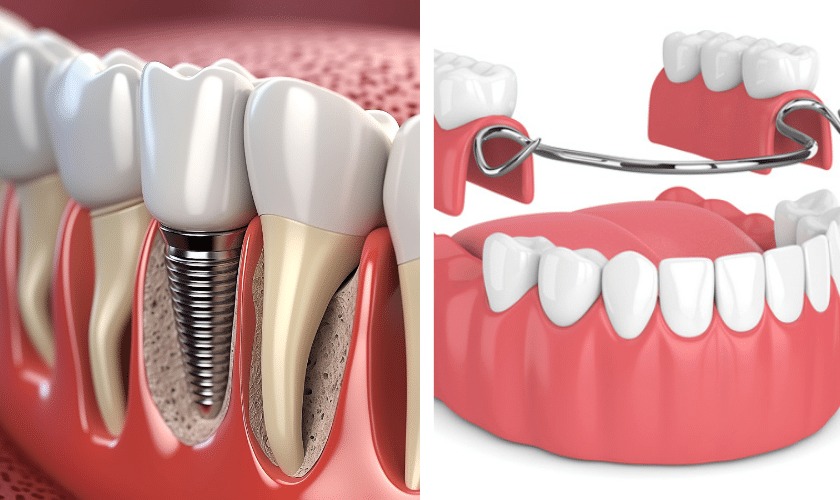
- Types of Dental Implants Solutions for Full Denture Patients
- Benefits of Replacing Full Dentures with Dental Implants
- The Dental Implants Procedure for Full Denture Wearers
- Long Term Maintenance of Dental Implants and Implant Supported Dentures
- Addressing Concerns About Cost and Longevity of Dental Implants
- Can Dental Implants Truly Replace Full Dentures?
Understanding Dental Implants for Full Denture Wearers
When someone has been using full dentures for years, bone resorption is common. The jawbone gradually shrinks because it is no longer stimulated by natural tooth roots. This biological process often leads to loose dentures, reduced facial support, and difficulty eating certain foods.
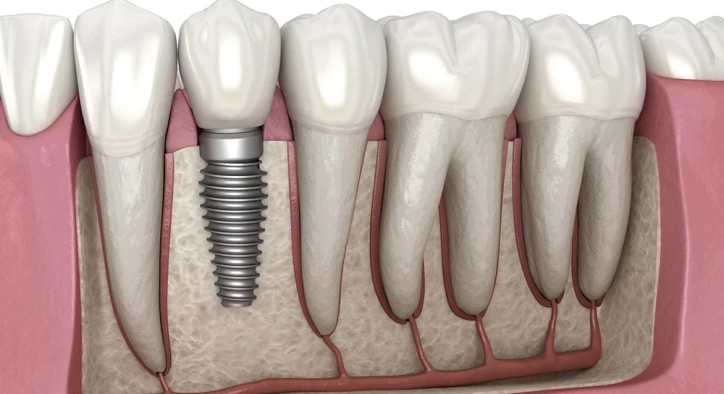
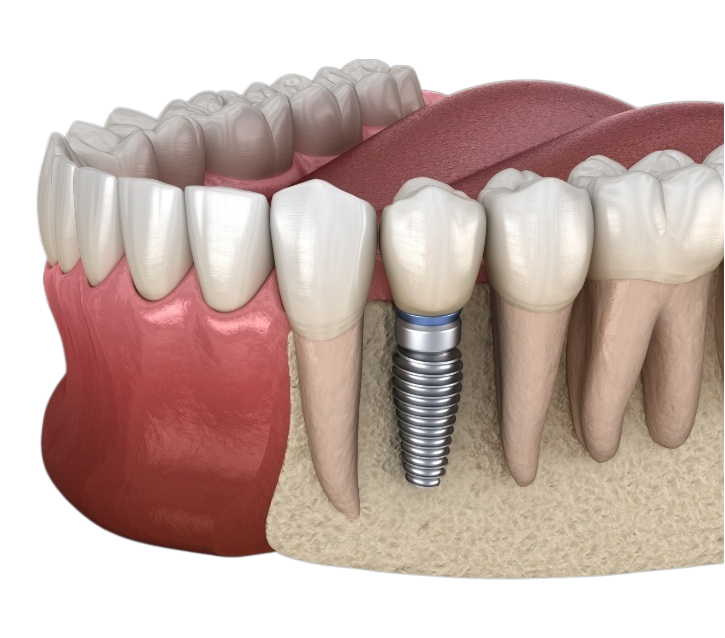
This is where Dental Implants can play a transformative role. Implant posts are typically made of biocompatible titanium or zirconia. Once placed into the jawbone, they undergo a process known as osseointegration. During this phase, the bone gradually bonds to the implant surface, creating a stable anchor for fixed or removable prosthetics.
In patients with full dentures, implants can support:
- Implant retained overdentures
- Fixed full arch restorations
- Hybrid prosthetic bridges
Each solution varies in structure, stability, and maintenance requirements. The appropriate path depends on anatomical conditions and personal expectations rather than a one size fits all formula.
Are You a Candidate for Dental Implants with Full Dentures?
Candidacy for Dental Implants depends on several clinical factors. While age alone is rarely a limiting factor, bone volume and density are critical. After prolonged denture use, the jawbone may have thinned. However, this does not automatically disqualify a patient.
Advanced imaging technologies such as 3D cone beam computed tomography allow clinicians to measure bone thickness and quality precisely. In cases where bone is insufficient, bone grafting or sinus augmentation procedures may be considered to rebuild structural support before implant placement.
General health also plays a role. Conditions affecting healing, such as uncontrolled diabetes or heavy smoking, may influence treatment planning. Rather than providing definitive medical guidance, it is important to recognize that implant suitability is highly individualized and evaluated through comprehensive assessment.
Types of Dental Implants Solutions for Full Denture Patients
Full denture wearers are often surprised to learn that they do not always need one implant per missing tooth. Modern implant dentistry focuses on strategic placement to maximize stability with fewer fixtures.
Below is a simplified comparison of common approaches:
Solution Type | Number of Implants | Removable or Fixed | Stability Level |
Implant Overdenture | 2 to 4 | Removable | Moderate to High |
All on 4 Concept | 4 | Fixed | High |
All on 6 Concept | 6 | Fixed | Very High |
The All on 4 and All on 6 systems rely on angled posterior implants to maximize existing bone support. These approaches allow many patients to transition from removable dentures to fixed prosthetics anchored by Dental Implants.
Each method has advantages in terms of hygiene access, cost efficiency, and chewing strength. The selection process typically balances anatomical realities with lifestyle preferences.
Benefits of Replacing Full Dentures with Dental Implants
One of the most frequently reported benefits of Dental Implants is stability. Traditional dentures rely on suction, adhesives, and gum contact. Implant supported prosthetics anchor directly to the jaw, reducing slipping and movement during speech or meals.
Additional potential benefits include:
- Improved bite force and chewing efficiency
- Enhanced speech clarity
- Reduced bone loss progression
- Greater facial structure support
- Increased confidence in social settings
Scientific literature often highlights improved quality of life metrics among patients transitioning from removable dentures to implant supported solutions. While experiences vary, many individuals describe a renewed sense of normalcy when eating and speaking.
From a biomechanical standpoint, implants distribute forces into the jawbone more naturally than mucosa supported dentures. This may contribute to long term tissue stability, although outcomes depend on maintenance and individual healing patterns.
The Dental Implants Procedure for Full Denture Wearers
The journey toward Dental Implants typically unfolds in stages rather than a single appointment. After diagnostic imaging and planning, implants are surgically placed into predetermined positions within the jawbone.
Healing times differ from patient to patient. Osseointegration may take several weeks to a few months, depending on bone quality and systemic factors. In certain protocols, temporary fixed teeth may be placed shortly after surgery, allowing patients to avoid prolonged periods without function.
Once integration is confirmed, the final prosthetic restoration is attached. For overdentures, attachment systems such as locator abutments provide snap in stability. For fixed bridges, multi unit abutments secure the prosthesis permanently.
At DentPrime, digital workflows often enhance accuracy. Computer guided surgical planning and CAD CAM fabricated prosthetics contribute to precision and consistency. However, every treatment plan is tailored rather than standardized.
Long Term Maintenance of Dental Implants and Implant Supported Dentures
Maintenance remains essential even after successful placement of Dental Implants. Although implants do not decay like natural teeth, surrounding tissues can develop inflammation if hygiene is neglected.
Patients with implant supported overdentures must remove and clean their prosthesis daily. Fixed full arch restorations require meticulous brushing and the use of specialized floss or water irrigation systems to clean beneath the bridge.
Regular professional evaluations help monitor:
- Bone levels around implants
- Integrity of prosthetic components
- Soft tissue health
Long term studies suggest high survival rates for implants, particularly when patients maintain consistent follow up care. Nonetheless, outcomes vary based on biological response and lifestyle habits.
Addressing Concerns About Cost and Longevity of Dental Implants
Financial considerations are often part of the decision making process. While Dental Implants may represent a higher initial investment than traditional dentures, many patients evaluate value through durability and function over time.
Removable dentures may require periodic relining or replacement as bone structure changes. Implant supported restorations aim to provide enhanced structural stability, potentially reducing certain maintenance adjustments. That said, prosthetic components may still require servicing or renewal over the years.
Longevity depends on multiple factors including oral hygiene, systemic health, and mechanical load distribution. Rather than viewing implants as permanent in an absolute sense, they are generally considered long term restorative solutions supported by ongoing care.
Can Dental Implants Truly Replace Full Dentures?
For many individuals, the shift from removable dentures to implant anchored restorations represents both a functional and psychological transformation. Dental Implants do not simply hold replacement teeth in place. They interact with bone biology, restore chewing dynamics, and contribute to facial balance.
However, the suitability of implants is never universal. Some patients may choose to enhance their existing dentures with two stabilizing implants rather than transition to a fully fixed bridge. Others may pursue comprehensive full arch rehabilitation.
What remains consistent is that implant dentistry has expanded the possibilities for those who once believed removable dentures were their only option. Scientific innovation continues to refine materials, surface treatments, and digital planning tools, making outcomes increasingly predictable.
Living with full dentures no longer limits restorative possibilities. Dental Implants offer solutions that range from subtle stability improvements to complete fixed arch transformations. The decision to move forward depends on anatomy, expectations, and collaborative planning with experienced clinicians.
At DentPrime, implant supported treatment pathways are designed around individualized diagnostics and evidence informed protocols. Rather than promising certainty, the focus remains on providing structured options grounded in modern dental science. For full denture wearers exploring their next step, understanding how Dental Implants function within the broader context of oral health can illuminate possibilities that were once unimaginable.
About the Author