





Achieving an aligned, radiant smile line involves selecting the correct restorative material to alter your natural teeth. Modern cosmetic dentistry offers two primary treatments to fix chips, gaps, and structural staining. When evaluating your choices, a thorough composite bonding vs veneers comparison requires exploring chemical composition, enamel modification, and how each material handles daily biting forces.
Traditional porcelain frameworks and high tech dental polymers are designed for completely different clinical goals. While one treatment offers an immediate, additive repair, the other serves as a permanent structural restoration. This clinical guide explores the core properties of each choice, breaks down the overall cost, and helps you decide which option matches your budget and lifestyle.
Table Of Contents
- What Is the Core Composite Bonding vs Veneers Difference?
- Is Composite Bonding as Good as Veneers for Long-Term Strength?
- Should I Do Veneers or Composite Bonding? Assessing Anatomical Needs
- Which Is Better, Veneers or Composite Bonding for Your Budget?
- Understanding the Turkey Composite Bonding vs Veneers Advantage
- Frequently Asked Questions
What Is the Core Composite Bonding vs Veneers Difference?
Understanding the primary composite bonding vs veneers difference involves looking closely at how these materials are made and attached to your teeth. The core variation lies in whether the dental restoration is constructed inside a laboratory or molded directly onto your enamel by the clinician.
- [ COMPOSITE BONDING ] ── Additive Organic Resin ───── Applied directly (No drilling)
- [ PORCELAIN VENEERS ] ── Industrial Ceramic Matrix ── Custom-milled in lab (Maximum durability)
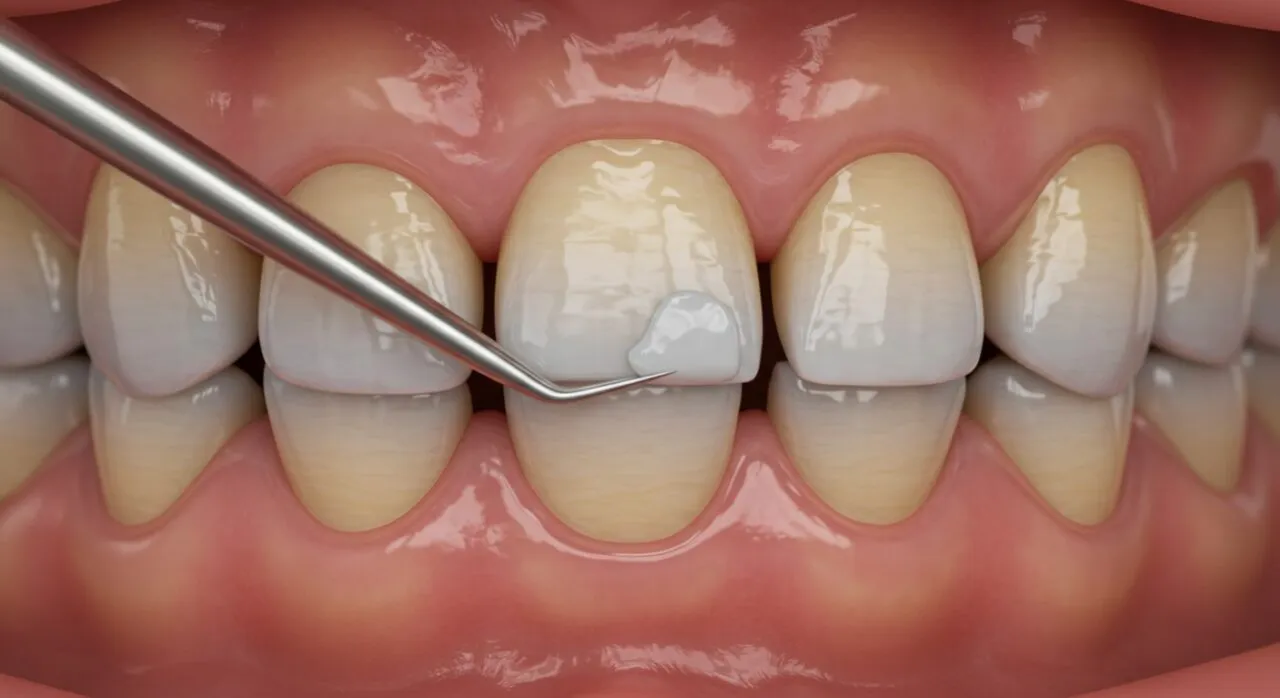
Teeth composite bonding utilizes a blend of organic acrylic resins packed with microscopic glass or silica particles. Your dentist applies this soft paste directly onto your raw enamel, shaping it by hand before curing it with a specialized ultraviolet light.
Conversely, porcelain veneers are custom-milled shells crafted inside a laboratory using monolithic lithium disilicate or feldspathic ceramic blocks. These shells are fired at extremely high temperatures to achieve maximum density before being permanently bonded over the front surface of the teeth.
Is Composite Bonding as Good as Veneers for Long-Term Strength?
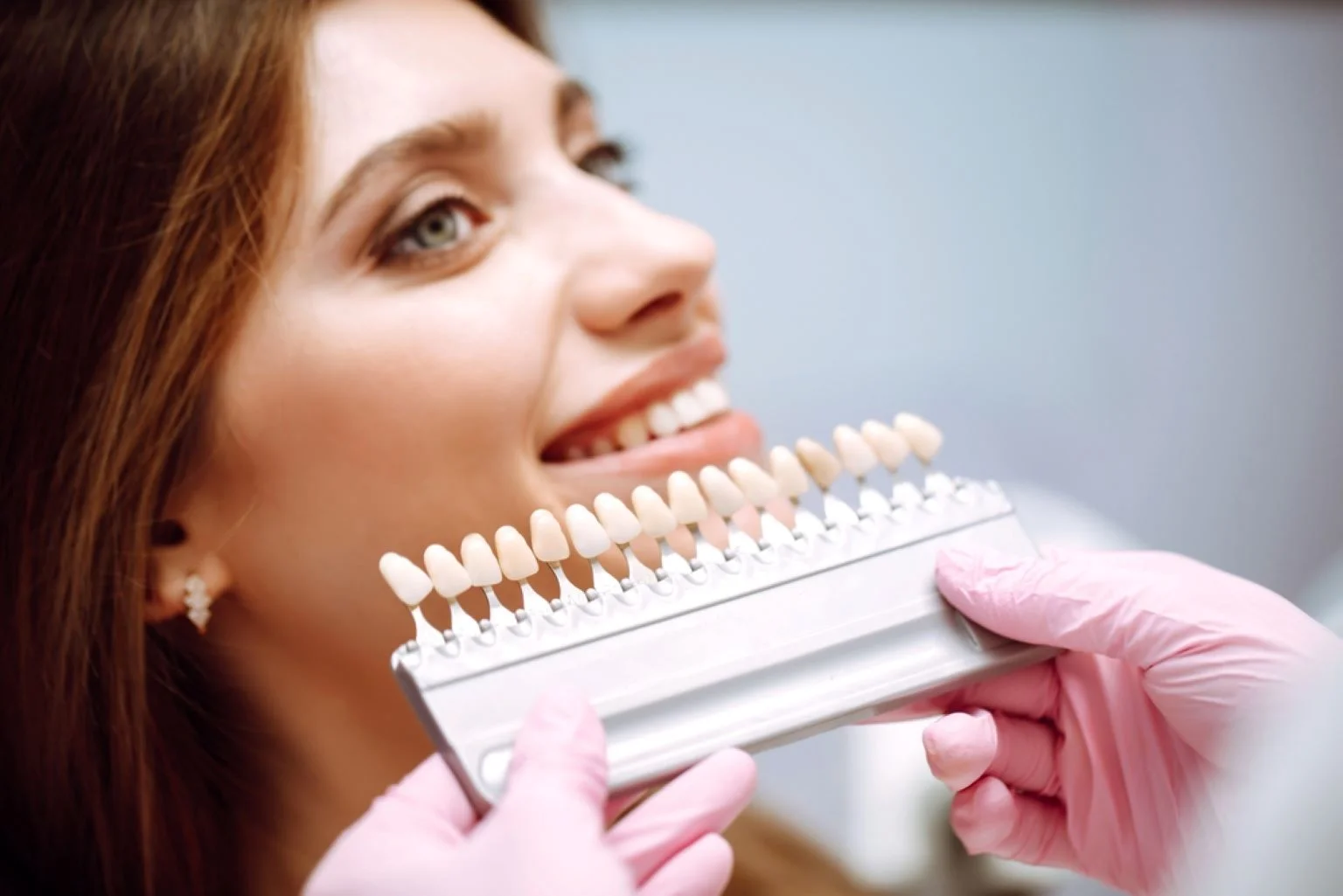
When patients ask, "Is composite bonding as good as veneers?", our clinical specialists evaluate three major material milestones: fracture toughness, color stability, and structural longevity.
- Mechanical Wear and Resistance: Porcelain ceramics are incredibly hard and scratch resistant, easily handling daily chewing forces for fifteen to twenty one years without losing their structural integrity. Composite resins are softer and possess a lower flexural strength, making them more prone to micro chipping or surface wear over time.
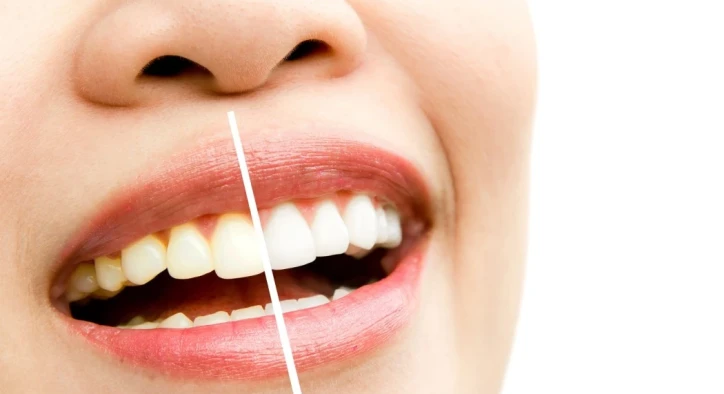
- Surface Porosity and Staining: Glazed ceramic is entirely non porous, meaning it will not absorb dark pigments from black tea, coffee, or smoking. In comparison, dental composites are organic polymers that naturally feature microscopic pores. Even with regular polishing, composite restorations will slowly absorb surface stains over three to five years, requiring professional maintenance to keep their initial shade bright.
Should I Do Veneers or Composite Bonding? Assessing Anatomical Needs
If you find yourself wondering, "Should I do veneers or composite bonding?", the answer depends heavily on your specific tooth alignment and long term smile goals.
- When to Choose Composite Resin: This additive method is an exceptional choice for minor corrections, such as fixing a small edge chip, closing a tiny space between two teeth, or adjusting a single slightly short tooth. Because it requires zero enamel removal, it is completely reversible and preserves your raw tooth structure perfectly.
- When to Choose Custom Porcelain: If your smile line features deep tetracycline stains, severe enamel wear, prominent gaps, or minor crowding, ceramic restorations are required. Porcelain allows your cosmetic team to adjust proportions beautifully, correct color irregularities permanently, and provide a radiant smile that remains structurally stable for decades.
Which Is Better, Veneers or Composite Bonding for Your Budget?
When determining Which is better, veneers or composite bonding for your financial planning, you must look at both the initial investment and the long term maintenance costs. While composite treatments have a lower entry price, they require regular replacement and polishing every few years.
Restoration Parameters (Per Tooth) | Additive Composite Bonding Setup | Premium Custom Porcelain Veneer |
Material Foundation Base | Silica-Packed Acrylic Resin Polymer | Monolithic Lithium Disilicate (E-Max) |
Enamel Preparation Need | Zero drilling required (100% reversible) | Absolute minimal micrometer surface prep |
Average Cost in Western Europe | £250 – £500 | £900 – £1,500 |
DentPrime Turkey Package Price | Optimized Packaged Structures | Accessible Certified Materials |
Understanding the Turkey Composite Bonding vs Veneers Advantage
International patients researching smile makeovers often look closely at the composite bonding vs veneers cost differences found across various countries. Choosing a turkey composite bonding vs veneers treatment package at DentPrime allows you to access elite cosmetic care at an exceptionally affordable rate.
Because our clinic operates with a lower overhead and features an advanced, in-house digital CAD/CAM laboratory, we can deliver genuine Ivoclar E-Max restorations for a fraction of the cost found in the UK or Western Europe.
This financial balance allows international travelers to choose permanent, stain resistant porcelain over temporary resins, avoiding the need for frequent replacement visits back home.
Frequently Asked Questions
Does the porcelain veneer procedure cause permanent changes to my teeth?
Yes, placing traditional porcelain veneers requires a micro-abrasion step where a tiny layer of enamel is polished away to create space for the ceramic shell. Because this process alters the natural shape of the tooth, it is irreversible, meaning the tooth will always need to be protected by a veneer or crown.
Can composite resin materials be whitened in the future?
No, dental composites and porcelain ceramics do not respond to chemical teeth whitening gels. If you plan to brighten your overall smile, you must undergo your professional whitening treatment first. Your dentist can then match the new shade of your bonding paste or ceramic shells to your brighter natural teeth.
What happens if a composite restoration chips after a few years?
If a composite edge chips due to physical stress, it can be easily repaired. Your cosmetic dentist can clean the area and add a fresh layer of composite resin directly over the existing restoration during a single short visit. If a porcelain veneer fractures, the entire shell must be re-milled in the laboratory.
How do I clean and maintain my smile line after treatment?
Caring for your restorations is exactly the same as cleaning real teeth. Brush twice a day with a soft-bristled toothbrush and non-abrasive paste, use a water flosser daily to clean beneath the margins, and avoid biting directly into hard objects like ice cubes, hard candies, or bone matrices.
About the Author