





When navigating the journey of extensive smile rehabilitation, the structural foundation of your jawbone determines the long-term predictability of the treatment. While the lower jaw features dense bone matrix layout, the posterior upper jaw presents unique anatomical challenges.
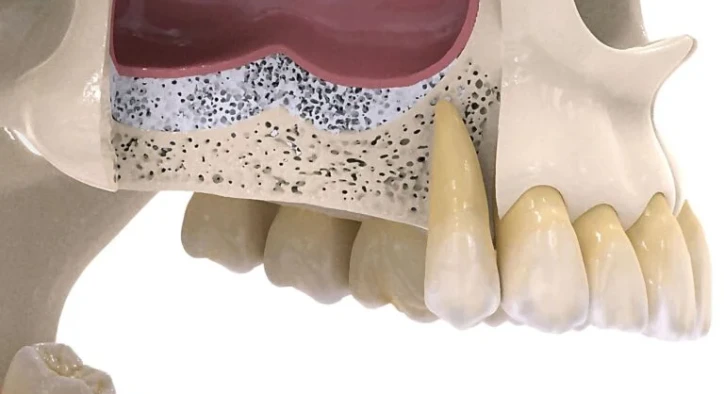
Directly above your upper premolars and molars sit the maxillary sinuses, fluid-filled cavities lined with a delicate membrane. When teeth are lost in this region due to trauma, decay, or chronic periodontal illness, the surrounding alveolar bone begins to resorb rapidly.
Furthermore, the sinus cavity physically expands downward into the empty space left by the roots, leaving behind a thin shell of bone that is structurally incapable of holding an implant securely. To resolve this bone deficit safely, sinus lifting (technically known as maxillary sinus floor augmentation) is required.
But what is sinus lifting exactly from a surgical perspective? It is a specialized oral bone augmentation surgery where a maxillofacial surgeon carefully elevates the internal lining membrane of the sinus floor, creating a safe, enclosed pocket underneath.
This newly formed space is carefully packed with advanced biocompatible bone graft materials. Over a healing period of several months, this material transforms into natural bone tissue, creating the structural depth and density required to support long-term dental implants.
Table Of Contents
- Why Is Sinus Lifting for Dental Implants Required?
- What Is the Dynamic Difference Between Internal and External Techniques?
- What Occurs During the Sinus Lifting Procedure?
- Are There Any Notable Sinus Lifting Complications to Consider?
- Why Choose a Sinus Lifting in Turkey Packaged Concept?
- How Long Is the Complete Healing and Osseointegration Timeline?
- Frequently Asked Questions
Why Is Sinus Lifting for Dental Implants Required?
Dental implants function as artificial tooth roots, relying on a biological process called osseointegration to permanently fuse into your jawbone. To handle daily biting forces without shifting or failing over time, a standard titanium fixture requires a minimum of 8mm to 10mm of stable vertical bone depth.
When a patient presents with advanced bone resorption, the available bone depth can drop to an unstable 2mm or 3mm. Attempting to place an implant in this thin bone layer without structural reinforcement would pierce the sinus membrane, causing immediate structural failure and severe chronic infections.
Therefore, undergoing a sinus lifting for dental implants is an essential medical step to build a safe, strong foundation that fully protects your sinus health while ensuring your new smile remains rock-solid for life.
What Is the Dynamic Difference Between Internal and External Techniques?
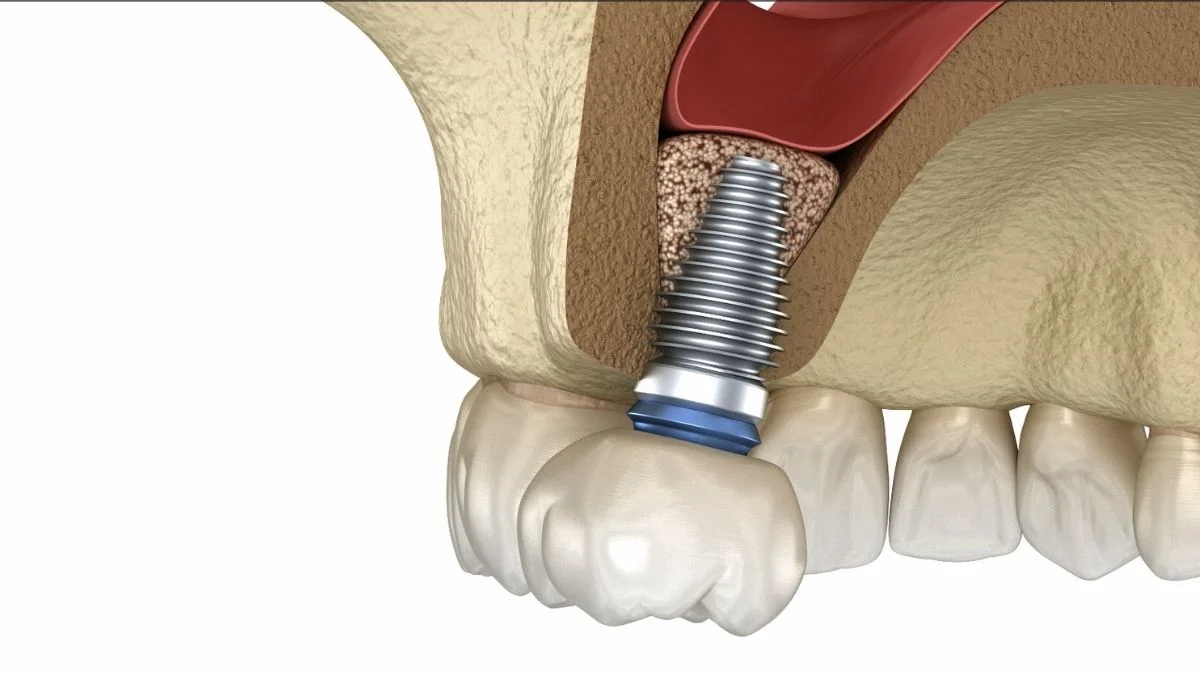
Depending on the exact amount of remaining bone depth under your sinus floor, your surgeon will utilize one of two primary clinical approaches:
When Is Internal Sinus Lifting Utilized?
An internal sinus lifting is a conservative, minimally invasive procedure chosen when a patient still has a moderate amount of existing bone depth, typically between 5mm and 7mm.
During this method, the surgeon accesses the sinus floor vertically through the exact same microscopic channel prepared for the dental implant. Special tactile instruments or hydraulic pressure systems gently tap the bottom of the bone canal, lifting the sinus floor upward without requiring large external incisions.
Bone graft material is then guided up through the channel, and the dental implant can often be placed during the exact same appointment, significantly shortening your overall treatment timeline.
When Is External Lateral Window Surgery Required?
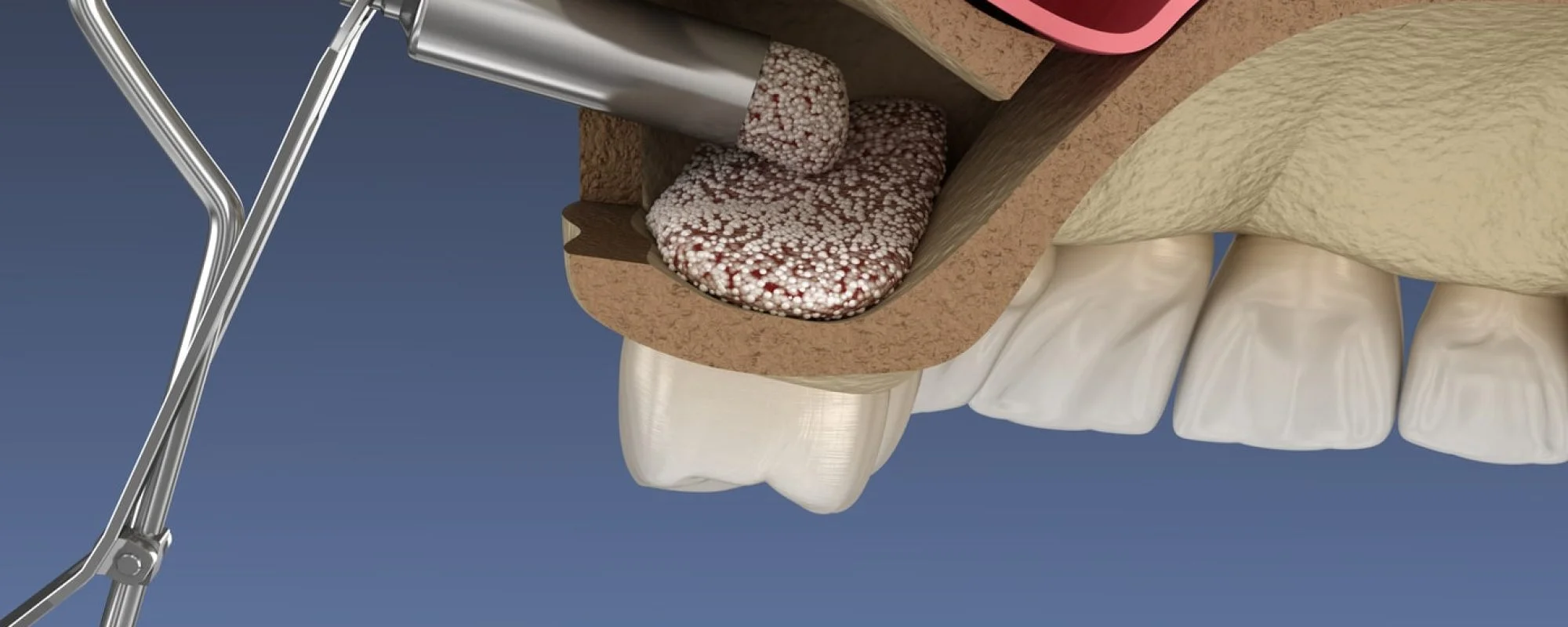
An external or lateral window sinus lifting surgery is a more comprehensive approach required when bone loss is severe and the remaining vertical depth has dropped below 4mm.
The surgeon creates a small, precise opening in the side bone wall of the jaw, directly above the gum line. Working through this small window, the surgeon uses specialized instruments to gently separate and lift the delicate membrane away from the bone floor.
The resulting space is filled with a dense matrix of bone graft material, and the window is covered with a protective collagen membrane before the area is sutured closed. Because the bone volume must increase significantly, this technique requires a healing period of 4 to 6 months before dental implants can be safely introduced.
What Occurs During the Sinus Lifting Procedure?
Undergoing advanced bone modification is a highly coordinated process that relies on detailed digital planning to ensure full safety and precision.
1. Detailed 3D Volumetric Imaging
The sinus lifting procedure always begins with a high-resolution Cone Beam Computed Tomography (CBCT) scan. This 3D imaging allows your oral surgeon to evaluate the internal anatomy of your sinus cavities, verify membrane health, and measure your exact bone depth down to the millimeter.
2. Anesthesia and Micro-Incision Access
To ensure your complete comfort, the surgery is performed under local anesthesia, conscious sedation, or general anesthesia. Once the area is numb, the surgeon prepares a small, precise incision in the gum tissue to gain clear access to the underlying bone surface.
3. Precision Membrane Elevation
Using specialized ultrasonic instruments (such as piezoelectric devices) that cut through hard bone while leaving soft tissues completely unharmed, the surgeon carefully prepares the bone entry point. The lining membrane is gently lifted upward to create the new grafting pocket safely.
4. Packing the Biocompatible Bone Graft Matrix
The surgeon carefully fills the newly created pocket with premium bone graft material. This material can include your own natural bone tissue, sterilized organic material, or synthetic mineral matrices that serve as a scaffold to guide natural bone growth.
5. Stabilization and Advanced Suturing
A protective resorbable collagen membrane is placed directly over the entry point to secure the graft material. The gum tissue is then returned to its original position and closed using micro-sutures, allowing the area to heal safely.
Are There Any Notable Sinus Lifting Complications to Consider?
While this procedure maintains an exceptional clinical success rate exceeding 95%, any advanced surgery carries potential risks. Understanding possible sinus lifting complications allows patients to make well-informed decisions:
- Maxillary Membrane Perforation: The most common risk involves a small tear or puncture in the delicate sinus lining during elevation. If a tear occurs, the surgeon will immediately seal it using specialized collagen patches or sutures before continuing the graft safely.
- Acute or Chronic Sinusitis: If bacteria find their way into the surgical site or if the graft blocks natural fluid drainage, it can trigger localized inflammation. This issue is effectively managed using targeted clinical antibiotics and decongestants.
- Graft Displacement or Loss: If a patient blows their nose aggressively or sneezes hard during the early weeks of healing, the pressure changes can displace the graft material. Following post-operative guidelines carefully fully prevents this issue.
Why Choose a Sinus Lifting in Turkey Packaged Concept?
For patients seeking full-mouth dental implants but facing high treatment costs at home, receiving a sinus lifting in turkey has become a premier choice. Turkey has earned a global reputation for clinical excellence in oral surgery, driven by a combination of advanced technology and highly competitive pricing.
Turkish dental clinics operate under strict regulations from the Ministry of Health, utilizing international hardware brands and sourcing premium certified bone materials.
Furthermore, because operational overhead is lower and currency exchange rates are favorable, top-tier centers like DentPrime can offer advanced surgeries at a fraction of the cost found in Western Europe or the UK. This accessibility allows international patients to combine bone augmentation and implant rehabilitation into a single, seamless, affordable travel experience.
How Long Is the Complete Healing and Osseointegration Timeline?
Recovery and Healing Phase | Approximate Duration | Core Physiological Progression |
Phase 1: Initial Tissue Repair | Days 1 to 14 | Sutures dissolve; swelling decreases; graft matrix stabilizes |
Phase 2: Cellular Ingrowth | Weeks 2 to 12 | Blood vessels grow into the graft, bringing vital nutrients |
Phase 3: Neo-Ossification | Months 3 to 6 | Graft material transforms into strong, living bone matrix |
Phase 4: Loading Readiness | Month 6+ | New bone achieves the optimal density needed to support implants |
Frequently Asked Questions
Does a sinus lifting surgery hurt during or after treatment?
No, the procedure itself is completely painless. The surgery is performed under modern local anesthesia or conscious sedation, meaning you will feel no discomfort during the process. Any mild post-operative soreness, tightness, or bruising can be easily managed with standard prescribed medications and resolves fully within 7 to 10 days.
Can I blow my nose immediately after the procedure?
No, you must absolutely avoid blowing your nose for at least 4 weeks following surgery. Blowing your nose creates pressure changes within your sinus cavities that can dislodge the graft material or tear the delicate healing membrane. If you need to sneeze, keep your mouth open to allow the pressure to escape safely without stressing your sinuses.
How do I know if my sinus lift has developed an infection?
It is completely normal to experience mild swelling and light congestion for the first few days after surgery. However, if you develop a high fever, severe pain that increases over time, throbbing pressure directly under your eyes, or a foul-smelling yellow fluid from your nose after the first week, contact your clinical team immediately to have the area checked.
Can I fly back home immediately after the operation?
Yes, traveling home by plane is safe, but we generally recommend waiting 48 to 72 hours after surgery before flying. This short window allows the initial healing to stabilize. To minimize discomfort from cabin pressure changes, your surgeon will recommend using gentle saline nasal sprays and mild decongestants during your flight.
About the Author