





The human masseter muscle represents one of the strongest motor structures in the human body, capable of exerting significant vertical force during biting and chewing. However, when chronic nighttime grinding (bruxism), involuntary clenching, or structural jaw misalignment causes this muscle to become hyperactive, it undergoes localized work-induced growth (hypertrophy). In modern neuromuscular dentistry and facial cosmetics, utilizing masseter botox offers a micro-invasive protocol that successfully addresses both deep temporomandibular joint (TMJ) discomfort and lower facial widening.
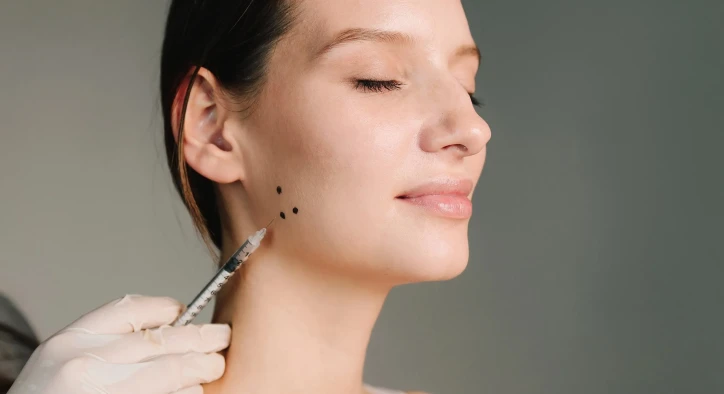
For patients suffering from chronic tension headaches, jaw soreness upon waking, or a widening, square jawline, discovering what is masseter botox provides an effective therapeutic pathway. By injecting targeted doses of botulinum toxin type A directly into the deep belly of the masseter muscle, clinicians temporarily block the release of acetylcholine at the neuromuscular junction. This targeted nerve-signal interruption relaxes hyperactive muscle fibers, relieving painful joint pressure while gradually slimming the lower face. This comprehensive clinical guide explores the primary mechanism behind what does masseter botox do, maps out expected masseter botox results, reviews the biological timeline of how long does masseter botox take to work, details expected longevity explaining how long does masseter botox last, and evaluates global masseter botox cost structures.
Table Of Contents
What Is Masseter Botox and How Does It Function Chemically?
To understand how a therapeutic neurotoxin relieves jaw tension and reshapes the jawline, clinicians examine the chemical interaction between nerve endings and muscle receptors. When explaining what is masseter botox, specialists describe precision micro-injections of purified Botulinum Toxin Type A (such as Botox, Dysport, or Xeomin) into the masseter tissue.
- [ NEUROMUSCULAR JUNCTION ]: Chemical signals (acetylcholine) trigger muscle contractions
- [ INJECTION APPLICATION ]: Botulinum toxin binds directly to presynaptic motor nerve terminals
- [ NEUROTRANSMITTER BLOCK ]: Inhibits acetylcholine release, relaxing hyperactive muscle fibers
- [ GRADUAL ATROPHY ]: Unused muscle mass reduces over 4 to 8 weeks, slimming the jawline
When patients ask what does masseter botox do, the answer is twofold: it provides both functional relief and aesthetic refinement. Functionally, it prevents the severe, involuntary clenching that wears down tooth enamel and damages TMJ cartilage. Aesthetically, because the muscle no longer contracts with excessive force, it undergoes gentle disuse atrophy over several weeks, softening a heavy, square jawline into an elegant V-shape profile.
What Results Can You Expect and How Long Does Masseter Botox Last?
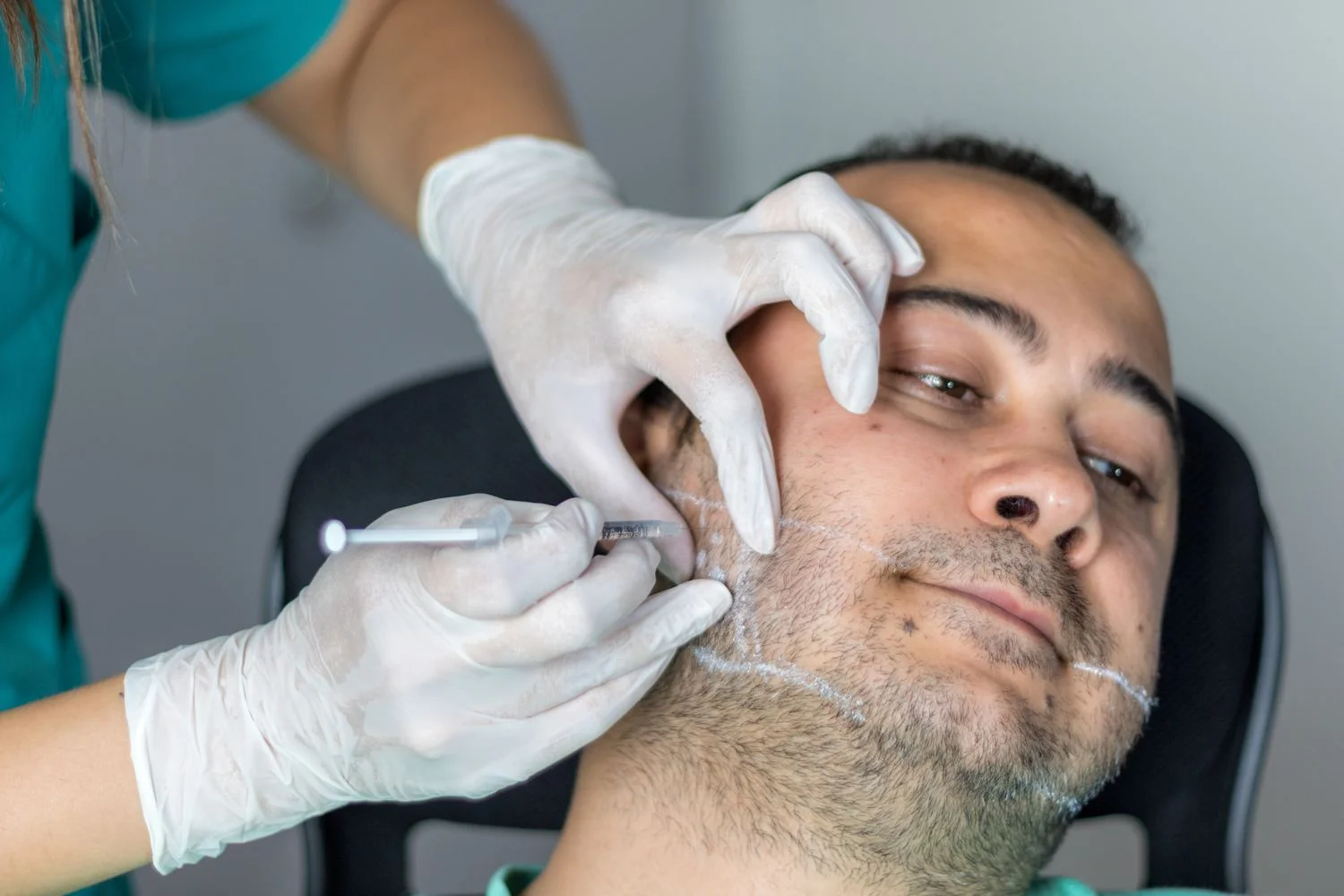
Understanding the biological timeline of neuromuscular relaxation helps set realistic patient expectations regarding therapeutic milestones and aesthetic adjustments.
The recovery and transformation timeline follows a specific physiological sequence:
- Days 1 to 3 (Initial Adaptation): The toxin binds to nerve terminals. Patients may feel a mild sensation of muscle fatigue when chewing tough foods like steak or hard bread, confirming that hyperactive fibers are relaxing.
- Weeks 1 to 2 (Functional TMJ Relief): Peak neuromuscular relaxation occurs. Patients report a dramatic reduction in morning jaw tightness, fewer tension headaches, and less involuntary nighttime clenching.
- Weeks 4 to 8 (Aesthetic Slimming Peak): As the relaxed muscle remains at rest, its overall physical volume shrinks. This is when the most visible masseter botox results appear, creating a noticeably slimmer lower face.
When evaluating how long does masseter botox take to work, functional jaw pain relief begins within 7 to 14 days, whereas visible facial slimming requires 4 to 6 weeks as the muscle volume gradually shrinks. For patients asking how long does masseter botox last, clinical data confirms that therapeutic effects typically endure between 4 and 6 months. Over time, as new nerve terminals sprout, muscle activity slowly returns, making routine maintenance treatments necessary to keep the masseter relaxed.
Structural Evaluation: Masseter Botox Before and After
Analyzing a typical clinical database of masseter botox before and after outcomes illustrates how targeted neurotoxin therapy improves both joint function and lower facial geometry.
Evaluation Metric | Pre-Treatment Hypertrophic State | Post-Treatment Modulated State |
Lower Face Shape | Square, heavy, wide jawline due to enlarged muscle | Softened, tapered V-line contour; balanced lower third |
TMJ Joint Pressure | Severe morning tightness, clicking, and joint pain | Relieved joint tension; significant decrease in pain |
Enamel Wear Rate | High risk of chipping and fracture from nocturnal bruxism | Protected enamel; involuntary biting forces minimized |
Headache Frequency | Frequent tension headaches originating from the temples | Marked reduction or total elimination of tension headaches |
What Is the Average Masseter Botox Cost?
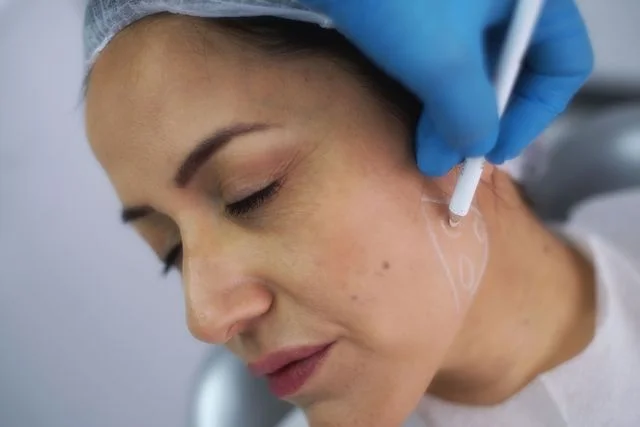
The financial investment required for masseter neurotoxin therapy depends on the total number of units needed, the brand of toxin used, and the geographic location of the clinic. Because the masseter is a large, dense muscle, it typically requires 25 to 50 units per side (50 to 100 total units) for effective therapeutic relaxation.
When reviewing global masseter botox cost structures, seeking treatment at destination clinics like DentPrime in Turkey offers major financial benefits:
- United Kingdom & Western Europe: High-dose masseter treatments range from £400 to £800 per session, making regular maintenance every six months costly.
- United States: $600 to $1,200 per session depending on the total units administered.
- DentPrime Turkey Packages: By utilizing direct manufacturer sourcing and integrated neuromuscular protocols, DentPrime provides the exact same premium neurotoxin therapies for £200 to £350 per full session.
Frequently Asked Questions (FAQ)
Will masseter botox affect my ability to chew food or speak normally?
No. The injection targets specific deep zones within the masseter muscle while leaving surrounding facial muscles untouched. You may experience mild muscle fatigue when chewing very tough or sticky foods during the first two weeks, but normal chewing and speaking remain completely unaffected.
How do I know if my square jawline is caused by bone or muscle?
A simple clinical test can determine the cause: bite down firmly and feel the sides of your jaw near the back teeth. If you feel a hard, bulging flex under your fingers, your jaw shape is driven by masseter muscle hypertrophy. If the area remains flat and hard without flexing, the width is caused by bone structure.
Is masseter botox safe for long-term use?
Yes. Botulinum toxin type A has a decades-long safety record in both medicine and dentistry. When administered by an experienced clinician using precise anatomic placement, long-term use is exceptionally safe and often allows patients to extend the time between touch-up treatments as the muscle adapts to a relaxed state.
Can masseter botox help with teeth grinding (bruxism)?
Yes. It is one of the most effective treatments for severe bruxism. While it does not stop the brain's subconscious impulse to clench, it significantly weakens the muscle's ability to exert destructive force, protecting your teeth, crowns, and jaw joints from damage.
What should I avoid immediately after getting masseter botox injections?
For the first 4 to 6 hours after treatment, avoid lying down, rubbing or massaging the lower face, and engaging in strenuous exercise. These precautions prevent the toxin from diffusing away from the masseter into unintended adjacent facial muscles.
About the Author