





Healthy gums are the foundation of a lasting smile, yet they are often overlooked until a problem arises. When gum tissue begins to pull away from the teeth, it exposes the sensitive roots, leading to discomfort and potential tooth loss. Dental grafting gum is a restorative solution that goes beyond simple aesthetics; it is a critical intervention that acts as a structural shield for your oral health.
Whether you are dealing with minor recession or significant tissue loss, understanding the role of gum grafts can help you take the necessary steps toward a healthier mouth. As we look into 2026, new materials and surgical methods have transformed gingival graft surgery into a streamlined, high-success procedure that provides long-term protection.
Table Of Contents
- What is Dental Grafting for Gums?
- Why Do You Need a Gum Graft? Common Causes of Recession
- Types of Dental Gum Grafting Procedures
- The Benefits of Dental Grafting Gum: Beyond Aesthetics
- Does Gum Grafting Hurt?
- The Recovery Journey: What to Expect After Surgery
- Dental Grafting Gum Cost in Turkey: 2026 Value Guide
- FAQ
What is Dental Grafting for Gums?
To understand what is a dental gum graft, it is helpful to think of your gums as a protective seal. There are two types of gum tissue: the "attached" gingiva, which is firm and bound to the bone, and the "unattached" mucosa, which is loose and flexible. Recession occurs when the firm, protective layer wears thin, allowing the loose tissue to take its place. This leaves the tooth root vulnerable.
Dental grafting gum involves the surgical transfer of healthy tissue to these vulnerable areas. By "thickening" the gum line or covering an exposed root, a periodontist restores the natural barrier that keeps bacteria and plaque away from the tooth's support system. Modern gum grafting is highly customized, with the choice of material and technique tailored to the specific needs of the patient's anatomy.
Why Do You Need a Gum Graft? Common Causes of Recession
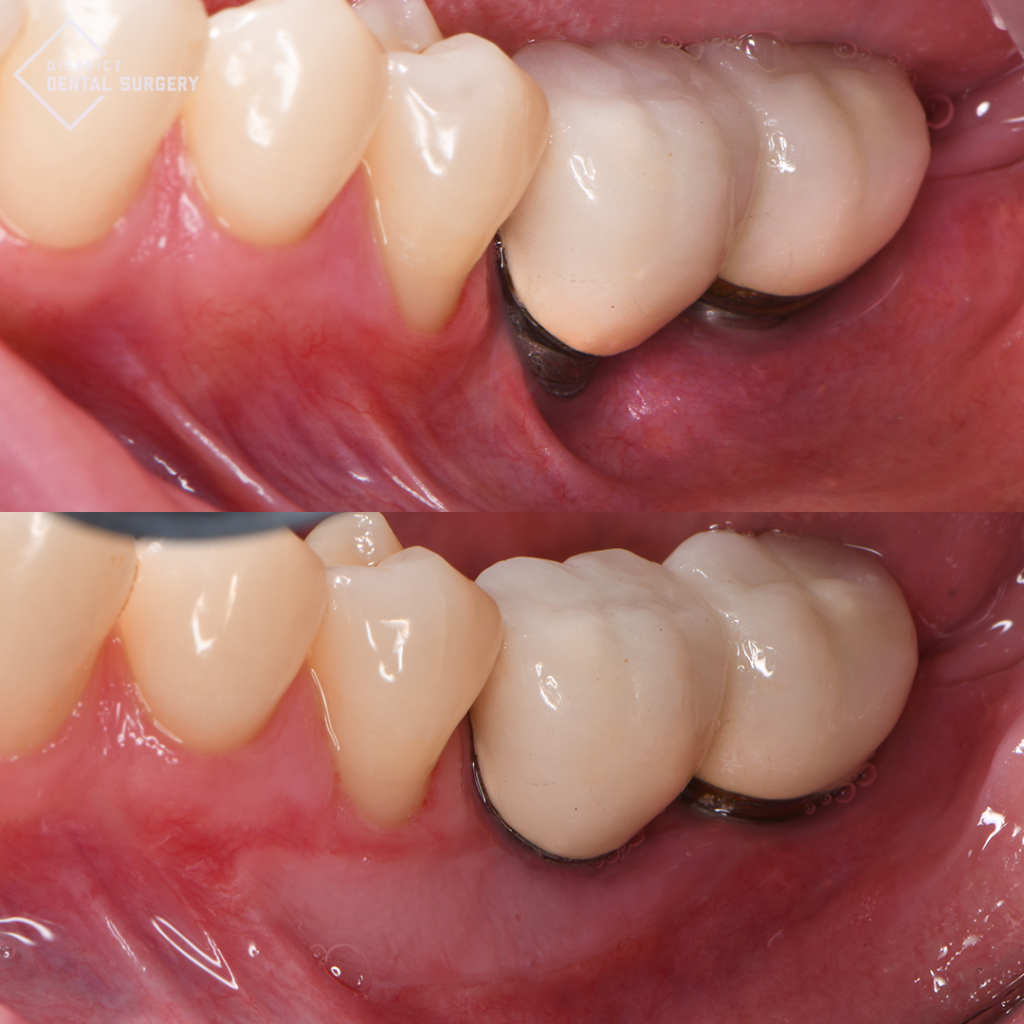
Many patients are surprised to learn they need a gum graft, especially if they maintain a diligent brushing routine. Ironically, aggressive hygiene is one of the leading causes of recession. If you notice signs you need a dental gum graft, such as increased sensitivity to cold or a tooth that suddenly looks "longer," it is time for a professional evaluation.
The most common drivers of gum recession include:
- Aggressive Brushing: Using a hard-bristled brush or applying too much pressure can wear down the delicate gum tissue over time.
- Periodontal Disease: Chronic infection can destroy the gum tissue and the underlying bone.
- Genetics: Some individuals are simply born with thin gum biotypes that are more prone to receding.
- Orthodontic Treatment: Shifting teeth into new positions can sometimes stress the surrounding gum tissue.
- Tobacco Use: Smoking significantly impairs blood flow to the gums, making them more susceptible to recession and slower to heal.
Types of Dental Gum Grafting Procedures
Depending on the severity of the recession and the availability of donor tissue, several methods of gum graft surgery may be used. At DentPrime, our specialists determine the best approach based on a comprehensive 3D scan of your oral structure.
Connective Tissue Grafts: The Gold Standard
This is the most common method for treating root exposure. A small flap is made at the roof of your mouth (the palate), and a layer of connective tissue is removed from under the flap. This tissue is then stitched to the gum area surrounding the exposed root. It provides excellent color matching and high success rates for covering exposed surfaces.
Free Gingival Grafts for Tissue Thickening
Similar to connective tissue grafts, this method involves taking tissue from the palate. However, instead of taking a layer from underneath a flap, a small amount of tissue is taken directly from the surface. This is often used for patients who have very thin gums and need extra tissue to prevent further recession, even if the root isn't fully exposed yet.
Pedicle Grafts: Using Local Tissue
In this procedure, the tissue is grafted from the gums around or near the tooth needing repair. Rather than being moved from another part of the mouth, the gum is partially cut and "stretched" over the exposed root. This is only an option if the patient has plenty of healthy gum tissue in the immediate area.
The Benefits of Dental Grafting Gum: Beyond Aesthetics
While many patients seek gum grafts to fix a "toothy" smile, the clinical benefits are far more profound. Restoring the gum line is an investment in the longevity of your natural teeth.
- Reduced Sensitivity: By covering the exposed root, you eliminate the "zing" felt when consuming hot or cold foods.
- Decay Prevention: Tooth roots are softer than enamel and decay much faster. Dental grafting gum covers these soft areas, preventing "root caries."
- Bone Preservation: Healthy gums support the underlying bone. By stopping recession, you are indirectly protecting the bone that keeps your teeth stable.
- Confidence Boost: A balanced gum line creates a more youthful, symmetrical appearance, allowing you to smile without hesitation.
Benefit | Impact on Oral Health |
Root Coverage | Prevents rapid root decay and tooth loss. |
Increased Tissue Thickness | Prevents future recession in high-stress areas. |
Plaque Control | Makes it easier to clean the teeth without irritating the gums. |
Does Gum Grafting Hurt?
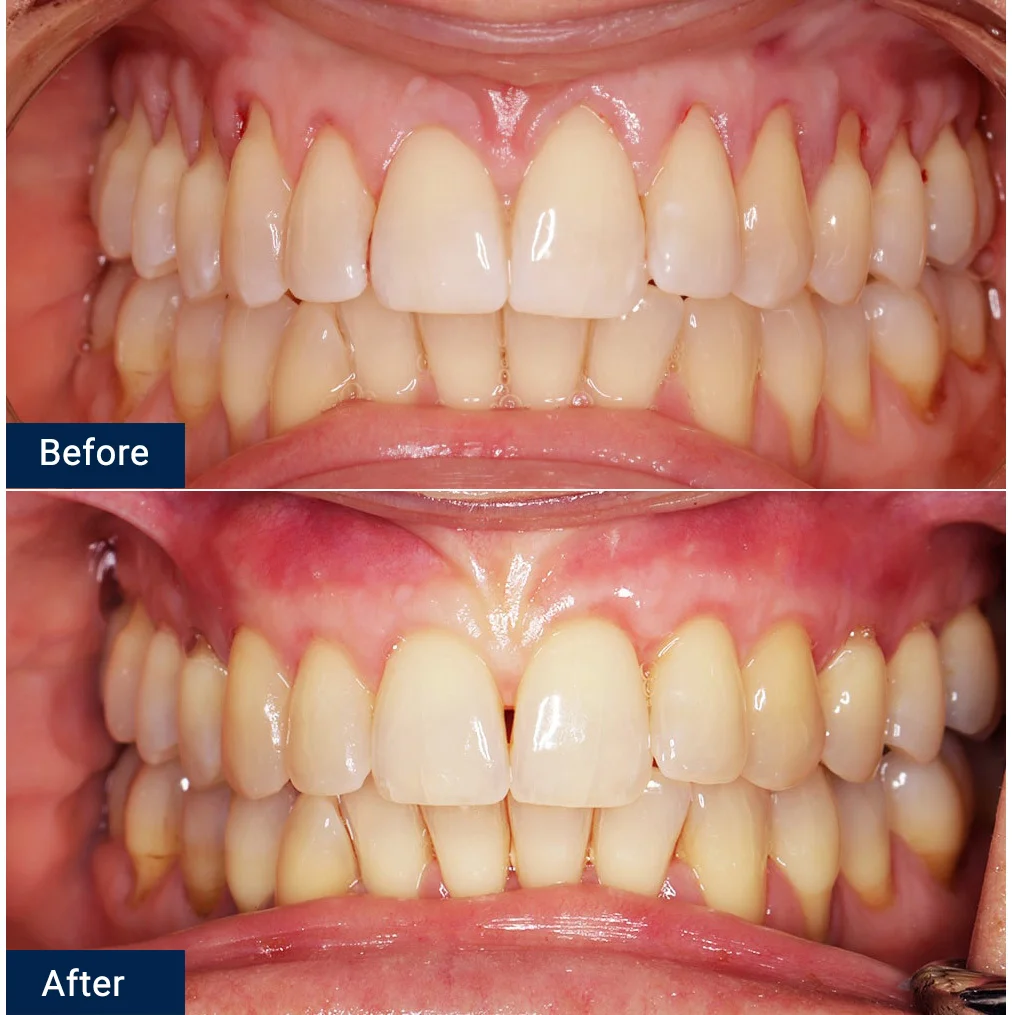
One of the most common questions we hear is, "Is the surgery painful?" Thanks to modern anesthesia and painless gum grafting with laser technology, the procedure itself is typically felt as a sensation of pressure rather than pain.
DentPrime utilizes advanced microsurgical tools that allow for smaller incisions and faster healing. If the idea of a palate graft causes anxiety, we often discuss dental grafting gum vs. pinhole surgical technique. The Pinhole technique is a "no-scalpel, no-suture" alternative for specific cases, though traditional grafting remains the most durable solution for advanced recession. For those who are particularly nervous, we offer various sedation options to ensure a completely stress-free experience.
The Recovery Journey: What to Expect After Surgery
Successful healing depends heavily on following dental gum grafting recovery time and tips. The first 72 hours are the most critical for the "take" of the new tissue.
- Dietary Restrictions: For the first week, stick to soft, cool foods like yogurt, smoothies, and room-temperature soup. Avoid anything crunchy or spicy that could dislodge the graft.
- Activity: Avoid strenuous exercise for at least 3-5 days. Increased blood pressure can lead to bleeding at the surgical site.
- Hygiene: Can I brush the grafted area? No—not for the first 10-14 days. You will be given a specialized antimicrobial mouthwash to keep the area clean without mechanical friction.
- Appearance: Will my gums look "puffy" after the graft? Yes, some swelling and a slightly "thick" appearance are normal in the first two weeks. As the tissue integrates, it will flatten and blend with your natural gums.
Most patients feel back to normal within 10 to 14 days, although it takes about 6 months for the tissue to fully mature and reach its final color and strength.
Dental Grafting Gum Cost in Turkey: 2026 Value Guide
Turkey has solidified its position as a global leader in periodontal surgery, offering world-class expertise at a fraction of the cost found in Western Europe or North America. When considering gum grafting prices, it is important to look at the value of the materials and the technology used.
In 2026, how much does dental grafting gum cost in Turkey? While prices in the UK or USA can range from $2,500 to $4,000 per tooth, a high-end clinic like DentPrime offers premium gum graft surgery for approximately $350 to $650 per site. These savings allow patients to address multiple areas of recession in one visit, often combining the treatment with a dental holiday in Istanbul.
FAQ
How long does a dental gum graft last?
With proper oral hygiene and regular dental check-ups, a gum graft can last a lifetime. However, success depends on eliminating the initial cause of recession, such as aggressive brushing.
Can I smoke after a gum graft?
No. Smoking is the leading cause of graft failure. Nicotine constricts blood vessels, preventing the new tissue from receiving the blood supply it needs to heal. You should avoid smoking for at least two weeks post-surgery.
Can I brush the grafted area?
No. You must avoid brushing or flossing the surgical site for the first 10 to 14 days to prevent dislodging the graft. Your dentist will provide a specialized antimicrobial mouthwash to keep the area clean.
Is gum grafting permanent?
Yes, it is a permanent procedure. The new tissue integrates with your existing gums and bone. However, it does not prevent new recession if you continue poor habits or develop periodontal disease.
Will my gums look "puffy" after the graft?
Yes, initially. Swelling and a "bulky" appearance are normal during the first few weeks of healing. As the tissue matures over 3 to 6 months, it will flatten out and blend naturally with your surrounding gum line.
About the Author