





The long-term success of permanent tooth replacement depends on a highly coordinated biological process where living tissue integrates with medical grade titanium hardware. Unlike temporary cosmetic alterations, full mouth reconstruction requires your jawbone to physically grow around the microscopic valleys of the implant surface. Understanding the different dental implant healing stages allows international patients to approach their recovery journey with complete peace of mind and realistic clinical expectations.
From the initial surgical incision to the final attachment of a custom zirconia bridge, your mouth goes through several distinct healing phases. Each stage requires precise cellular progression and dedicated care at home to prevent complications and ensure the implant framework stabilizes correctly. This comprehensive clinical guide explores the biology of tissue repair, outlines exact recovery timelines, and provides professional metrics to evaluate your progress.
Table Of Contents
- What Occurs During the First Stage Dental Implant Healing Stages?
- How Does a Bone Graft Alter the Dental Implant Healing Stages?
- What Is the Biological Timeline for the Healing Process Dental Implant Healing Stages?
- How Long Do the Full Mouth Dental Implant Healing Stages Take?
- What Adjustments Occur During the Dental Implant Healing Stages Gum Phase?
- How Do I Know if My Dental Implant Is Healing Correctly?
- Frequently Asked Questions
What Occurs During the First Stage Dental Implant Healing Stages?
The surgical placement of a titanium fixture initiates an immediate healing response within the surrounding oral tissues. Navigating the first stage dental implant healing stages involves managing immediate cellular changes that occur during the initial hours and days following your procedure.
- Hour 1: Blood Clot Matrix Forms: Secures the implant post
- Days 1-3: Immune Cells Activate: Normal swelling and repair begin
- Day 7: Microscopic Collagen Network: Foundations for bone growth form
During the first twenty four hours, a stable blood clot matrix forms inside the prepared bone canal, surrounding the titanium post. This clot acts as a biological scaffold, bringing vital growth factors and specialized cells to the surgical site to begin repairing the area.
Over the next three days, patients experience a normal inflammatory phase where the body increases blood flow to deliver protective white blood cells. By the end of the first week, a soft network of collagen fibers begins replacing the blood clot, creating the structural foundation needed for natural bone growth.
How Does a Bone Graft Alter the Dental Implant Healing Stages?
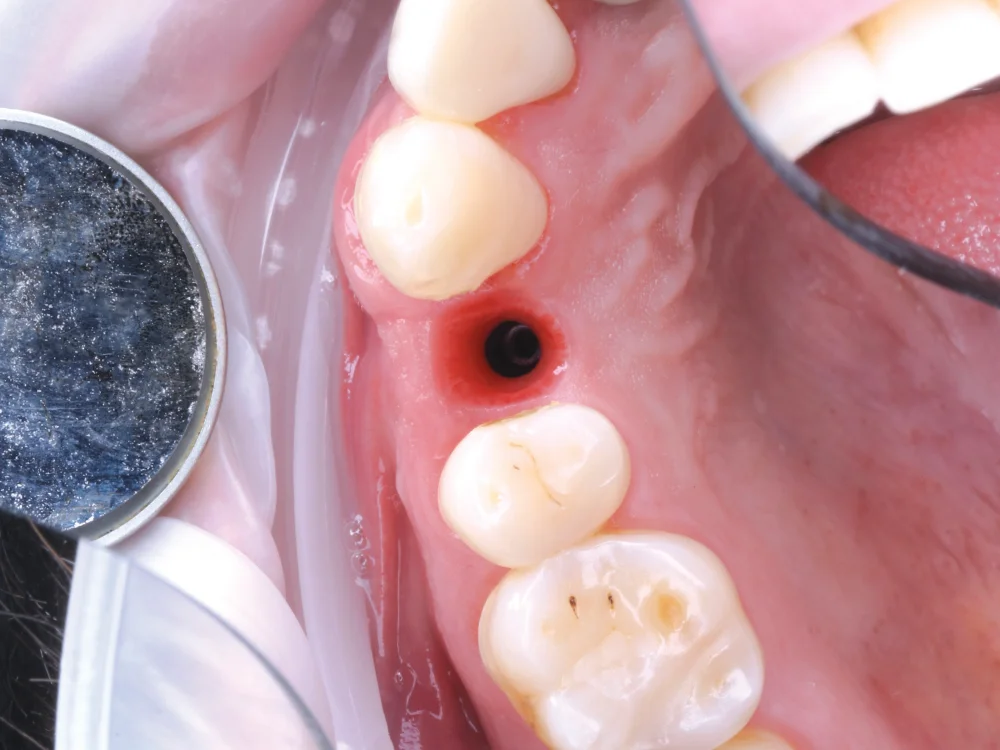
When a patient has suffered significant bone loss due to long term tooth absence or severe periodontal disease, your surgeon must place a bone graft during the initial surgical appointment. Undergoing a bone graft dental implant healing stages adjustment modifies the biological timeline required before your final teeth can be safely attached.
The bone graft material serves as a specialized scaffold that guides and supports natural bone regeneration. Because your body must dissolve the graft minerals and slowly replace them with living bone matrix, this dual integration process adds an extra layer of complexity to your recovery.
When a bone graft is placed, the timeline needed for the titanium post to achieve optimal stability increases by an additional two to three months, ensuring the underlying foundation is strong enough to handle daily biting forces safely.
What Is the Biological Timeline for the Healing Process Dental Implant Healing Stages?
The deep cellular transformation that permanently anchors a titanium fixture into your jaw is known as osseointegration. The healing process dental implant healing stages timeline can be broken down into three major physiological periods:
- The Cellular Ingrowth Phase (Weeks 1 to 4): During the early weeks of dental implant recovery, new blood vessels weave through the surgical area, delivering vital oxygen and nutrients. Specialized bone building cells called osteoblasts attach to the titanium oxide layer, laying down soft, unmineralized bone tissue directly against the implant surface.
- The Structural Mineralization Phase (Weeks 4 to 12): The soft tissue matrix undergoes continuous mineralization, transforming into strong, solid lamellar bone. This phase represents the most critical period for stability, as the initial mechanical hold of the screw transitions into a permanent biological bond with your jawbone.
- The Maturation and Loading Readiness Phase (Months 3 to 6): The newly formed bone achieves its maximum density and reshapes itself to handle structural stress efficiently. Once this phase is complete, the bone foundation is fully ready to receive a permanent zirconia crown or full arch bridge.
How Long Do the Full Mouth Dental Implant Healing Stages Take?
When a patient undergoes total oral rehabilitation, such as an All on 4 or All on 6 fixed bridge setup, managing the full mouth dental implant healing stages requires a structured, multi step approach. Because multiple fixtures are placed across different zones of the mouth during a single appointment, your body balances several healing sites simultaneously.
Recovery Phase | Typical Duration | Core Physiological Progression & Care Guidelines |
Phase 1: Initial Soft Tissue Close | Days 1 to 14 | Sutures dissolve, swelling goes down, and gum tissue edges close safely |
Phase 2: Deep Osseointegration | Months 3 to 6 | Titanium fixtures permanently fuse with the upper or lower jawbone matrix |
Phase 3: Prosthetic Attachment | Week 2 (Post Healing) | Temporary bridges are replaced with custom, permanent zirconia restorations |
For full mouth cases, the upper jaw naturally consists of softer, more porous bone than the lower jaw. Consequently, implants placed in the upper jaw typically require a full five to six months of healing, while lower jaw fixtures often achieve optimal stability within three to four months.
What Adjustments Occur During the Dental Implant Healing Stages Gum Phase?
While bone integration provides structural stability, the repair of the surrounding soft tissue creates the vital protective seal for your restoration. The dental implant healing stages gum phase focuses on how your soft tissues recover and shape themselves around the top of the implant connection.
- Day 1: Incision edges are sutured loosely over the healing cap
- Day 14: New gum cells form a tight, collar like seal around the post
- Month 3: Gums form a firm, pink barrier that protects the bone matrix
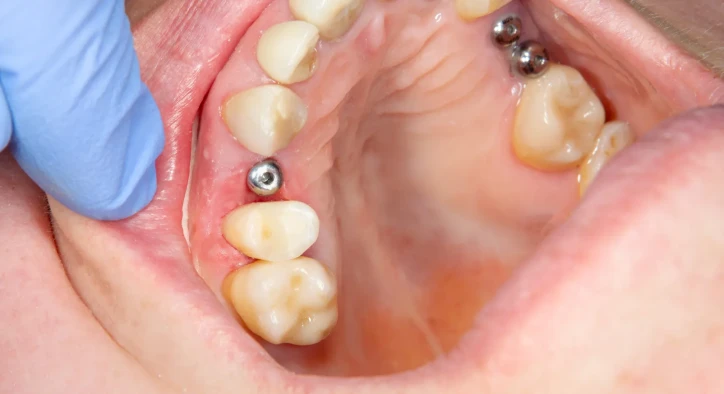
Once the initial two week healing period is complete and the surgical sutures dissolve, your dentist will attach a smooth metallic cylinder called a healing abutment. Over the next several weeks, your gum tissue naturally shapes itself around this round collar, forming a tight, healthy ring of pink tissue. This soft tissue seal is essential because it blocks food particles and bacteria from traveling down into the deeper bone structures, keeping the area healthy for life.
How Do I Know if My Dental Implant Is Healing Correctly?
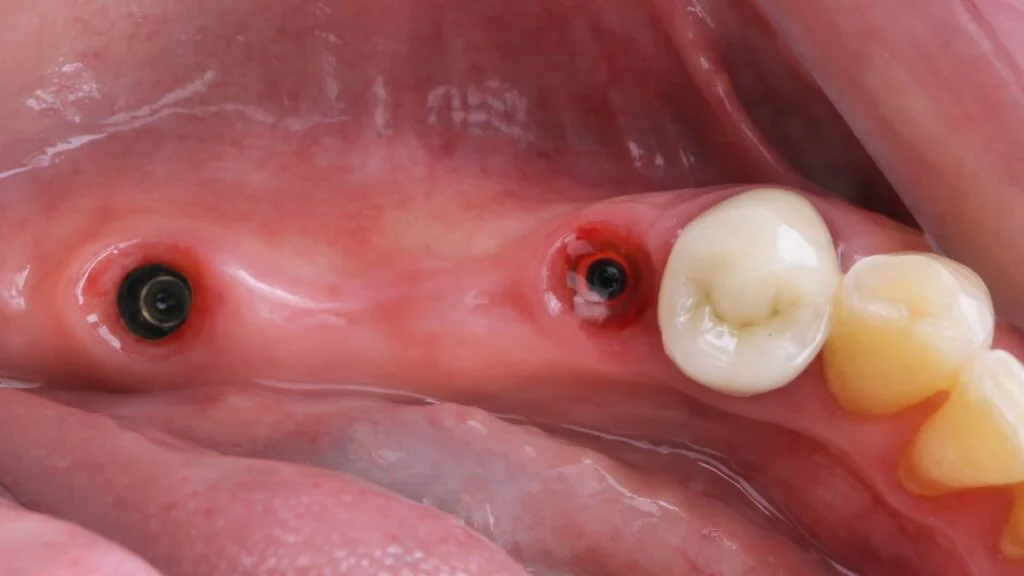
During your recovery journey, it is entirely normal to monitor your progress closely and wonder, "how do i know if my dental implant is healing correctly?" Our clinical team evaluates your recovery using specific positive signs and warning indicators:
- Signs of Ideal Healthy Healing: Your recovery is progressing beautifully if your initial post operative swelling completely goes down within seven to ten days, your gum tissue returns to a healthy pink color, and you can chew soft foods comfortably without any deep ache or mobility in the temporary bridge.
- Warning Signs That Require a Checkup: If you experience a high fever, visible swelling that suddenly returns after the first week, a foul taste or discharge near the surgical site, or a persistent, throbbing pain that standard over the counter medications cannot relieve, contact your clinic immediately. These symptoms can indicate a localized infection or a lack of bone integration, requiring prompt professional attention to protect your investment.
Frequently Asked Questions
Is severe throbbing pain normal during the late stages of implant healing?
No, severe throbbing pain is not normal after the first ten days of recovery. While mild soreness or a tight sensation is common during the initial week as tissues heal, a sudden increase in deep, throbbing pain during the second or third month indicates a potential issue, such as a localized infection, and should be checked by your dentist immediately.
Can I smoke during my dental implant recovery timeline?
No, you must absolutely avoid smoking for at least several weeks before and after your surgery. Nicotine constricts localized blood vessels, significantly reducing the vital oxygen and nutrient supply traveling to your healing bone and gum tissues. Smoking during recovery is one of the leading causes of implant failure, as it disrupts the delicate process of osseointegration.
What foods can I safely eat while my implants are healing?
During the first two weeks, stick to a very soft or liquid diet, including nutritional smoothies, warm broths, mashed potatoes, and yogurt. Avoid hot liquids, spicy seasonings, and foods with small seeds that can get trapped under your gums. As your tissues heal over the next few months, you can gradually return to a regular diet, but avoid biting directly into hard candies, tough meats, or raw apples with your temporary teeth.
What happens if an implant fails to integrate with the jawbone correctly?
If an implant fails to fuse with the bone, it will become slightly loose and can cause mild discomfort during chewing. If this occurs, your surgeon can gently remove the loose fixture, thoroughly clean the area, and place a localized bone graft. Once the bone tissue fully recovers and strengthens over a few months, a new implant can be safely and successfully placed.
Об авторе