



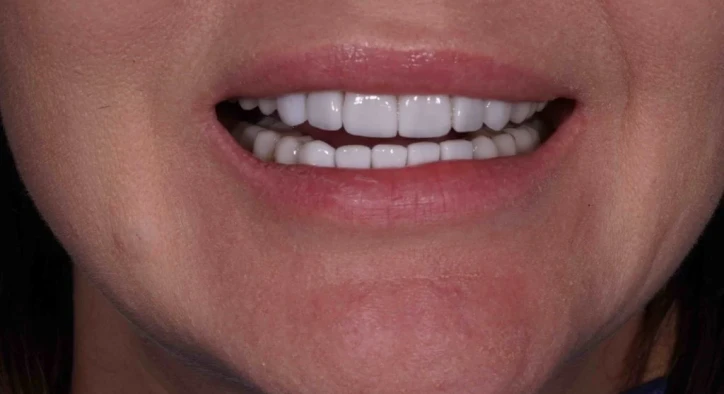

The development of advanced industrial ceramics has completely transformed modern reconstructive dentistry, allowing clinicians to repair heavily damaged teeth without losing aesthetic vitality. When evaluating high-strength material bases, understanding what is monolithic zirconia represents a massive milestone in prosthodontic engineering. Unlike historical dental restorations that required layering weak porcelain over dark metallic alloys, these modern configurations are carved out of a single, solid block of medical-grade zirconium dioxide, offering unparalleled fracture resistance and structural uniformity.
For patients requiring comprehensive oral rehabilitation, selecting a material that balances mechanical strength with biocompatibility is crucial. Choosing single-block dental prosthetics ensures that the teeth can withstand significant chewing pressures over decades. This comprehensive clinical guide explores the biomechanics of a monolithic zirconia crown, compares its density to layered alternatives, breaks down the global parameters of a monolithic zirconia bridge layout, and evaluates the financial investments required to secure these restorations abroad.
Table Of Contents
- What Is Monolithic Zirconia and How Is It Manufactured?
- What Are the Functional Differences Monolithic Zirconia vs Zirconia?
- The Ultimate Mechanical Showdown: Monolithic Zirconia vs E-Max
- Can You Use Monolithic Zirconia Bridges and Veneers Everywhere?
- What Is the Global Monolithic Zirconia Crown Cost?
- Frequently Asked Questions
- What is monolithic zirconia made of primarily?
- How long does a monolithic zirconia crown last in the mouth?
- Will a monolithic zirconia crown discolor over time from coffee or smoking?
- Is monolithic zirconia safe for patients with metal allergies?
- Why is the tooth preparation thinner for monolithic crowns?
What Is Monolithic Zirconia and How Is It Manufactured?
To understand why this material performs so exceptionally well in the posterior zones of the mouth, we must look closely at its structural mineral composition. When answering what is monolithic zirconia, dentists describe an absolute solid polycrystalline ceramic matrix that contains zero glass components.
The manufacturing process follows a precise computer-guided sequence to eliminate human error:
- [ DIGITAL INTRAORAL SCANNING ] ── High-resolution 3D capture of the prepared tooth tissue
- [ CAD/CAM SOFTWARE DESIGN ] ───── Virtual sculpting of the crown anatomy matching the bite
- [ ROBOTIC BLOCK MILLING ] ────── Carving the restoration out of a single solid ceramic block
- [ HIGH-HEAT SINTERING ] ──────── Sintering at 1450°C to shrink the matrix and lock in 1200+ MPa strength
By carving the monolithic zirconia crown directly from a solid, pre-shaded industrial block, the final restoration maintains a perfectly uniform density throughout its entire body. The complete absence of interfacial bonding areas prevents the chipping issues commonly seen in older layered crowns, making it the premier choice for back chewing teeth.
What Are the Functional Differences Monolithic Zirconia vs Zirconia?
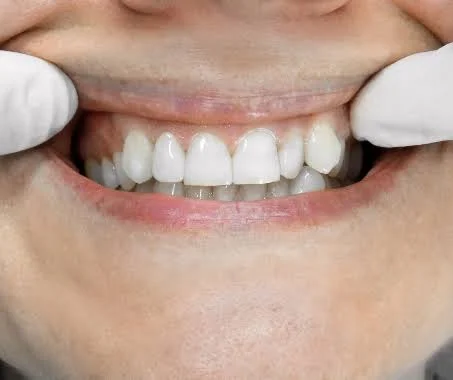
When patients begin researching full-mouth reconstructions, they often get confused by the terminology used in lab charts. Evaluating the core differences of monolithic zirconia vs zirconia highlights an important technological shift from layered styles to single-block structures.
- Layered Zirconia Frameworks: Traditional zirconia restorations utilize a strong zirconium dioxide core covered by a manually painted layer of feldspathic porcelain. While this method creates beautiful shade variations, the outer porcelain layer has a low flexural strength (around 100 MPa) and can easily chip off under heavy biting pressures.
- Monolithic Single-Block Restoration: In contrast, true monolithic zirconia crowns do not use any fragile outer porcelain coatings. The entire crown is made of a single solid material block. This configuration extends the full mechanical strength of the ceramic directly to the outer surface, ensuring long-term structural integrity.
The Ultimate Mechanical Showdown: Monolithic Zirconia vs E-Max
Choosing the right material base depends entirely on where the tooth is located in the mouth and how much biting pressure it needs to handle daily.
The comparison of monolithic zirconia vs emax highlights the clear trade-offs between extreme durability and ultimate cosmetic beauty:
Material Property Index | Monolithic Zirconia Restorations | E-Max (Lithium Disilicate) Ceramics |
Flexural Strength Rating | 1200 to 1400+ MPa (Ultra-High) | 400 to 500 MPa (Moderate) |
Primary Clinical Indication | Posterior molars, bridges, heavy bruxism | Anterior incisors, premium veneers, single crowns |
Enamel Translucency Index | Medium to High (Modern multi-layer blocks) | Very High (Matches natural enamel depth perfectly) |
Minimum Prep Thickness | 0.5 mm to 1.0 mm (Saves natural enamel) | 1.0 mm to 1.5 mm (Requires more tooth reduction) |
While E-Max is outstanding for front teeth due to its lifelike translucency, it lacks the raw strength needed for multi-unit bridges or back molars. For long-term posterior support, monolithic zirconia remains the industry gold standard.
Can You Use Monolithic Zirconia Bridges and Veneers Everywhere?
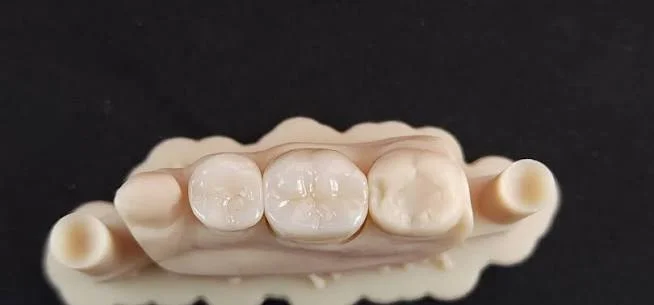
Because of its incredible load-bearing capacity, executing a monolithic zirconia bridge is the safest way to replace multiple missing teeth in a row without using dental implants. The solid ceramic spans the empty spaces effortlessly, distributing chewing forces evenly across the supporting teeth without any risk of bending or fracturing.
However, using monolithic zirconia veneers in the front cosmetic zone requires careful clinical evaluation. Because solid zirconia is naturally more opaque than glass-ceramics, placing it over front teeth can sometimes create a slightly flat appearance under direct light. To fix this, modern labs use multi-layered translucent blocks that feature gradual color shifts from the root to the tip, allowing dentists to safely place these high-strength restorations in the smile line when needed.
What Is the Global Monolithic Zirconia Crown Cost?
The financial investment required to receive premium dental care depends heavily on the laboratory technologies used and the geographical location of the clinic. When reviewing the average monolithic zirconia crown cost, choosing overseas treatment in elite centers like Turkey offers significant savings:
- United Kingdom & Western Europe: A single high-quality crown can range from £800 to £1,200, making full-mouth cases financially difficult for many patients.
- DentPrime Turkey Packages: By utilizing our in-house CAD/CAM laboratory networks and direct material sourcing, we provide the exact same premium monolithic materials for a fraction of the cost, usually ranging from £200 to £350 per crown unit.
Frequently Asked Questions
What is monolithic zirconia made of primarily?
It is a sophisticated metal-free dental ceramic made of yttria-stabilized zirconium dioxide. The addition of small amounts of yttrium oxide stabilizes the crystal structure during heating, giving the material its signature toughness and preventing cracks from spreading through the crown.
How long does a monolithic zirconia crown last in the mouth?
With excellent oral hygiene, these restorations are designed to last between fifteen and twenty-five plus years. Because the single-block structure cannot chip or crack under daily chewing forces, their long-term survival depends entirely on keeping the underlying natural tooth and gum tissue healthy.
Will a monolithic zirconia crown discolor over time from coffee or smoking?
No, the glazed surface of high-density zirconia is completely non-porous. It is highly resistant to external stains from coffee, tea, red wine, or tobacco. However, your surrounding natural teeth can still discolor over time, so regular cleanings are essential to keep your smile uniform.
Is monolithic zirconia safe for patients with metal allergies?
Yes, it is 100% biocompatible and completely metal-free. It does not cause any allergic reactions or soft-tissue irritation, and it completely eliminates the ugly gray metal lines often seen near the gums with older metal-ceramic crowns.
Why is the tooth preparation thinner for monolithic crowns?
Because monolithic ceramic is structurally incredibly strong even at minimal thicknesses, dentists only need to remove 0.5 mm to 1.0 mm of natural enamel to fit the crown safely. This conservative preparation preserves your natural tooth structure, keeping the tooth roots far stronger underneath.
About the Author