





Veneers are a considerable investment of time, money and natural tooth structure, so it is no surprise that the first question many patients ask is how long they will last. The honest answer is that there is no single number. Some veneers stay in good shape for fifteen years or more, while others need attention after five or six. The difference usually comes down to the material, the quality of the work, the condition of the teeth underneath and the habits of the person wearing them.
This guide explains how long veneers last in realistic terms. It compares the main materials, describes what shortens or extends their life, lists the warning signs that something needs attention and offers practical care advice. The figures are general averages and not promises, and your own dentist can give a more personal estimate after examining your teeth.
Table Of Contents
- How Long Do Veneers Last on Average?
- Veneer Lifespan by Material
- How Long Do Porcelain Veneers Last?
- How Long Do Composite Veneers Last?
- What Affects How Long Veneers Last?
- Habits That Shorten the Life of Veneers
- How to Make Veneers Last Longer
- Signs Your Veneers May Need Attention
- Can Veneers Be Repaired or Replaced?
- Do Veneers Affect the Natural Teeth Underneath?
- Choosing the Right Clinic for Long Lasting Results
- Frequently Asked Questions
How Long Do Veneers Last on Average?
Most dentists quote a range rather than a fixed figure. Porcelain veneers commonly last between ten and fifteen years, and many are still in good condition after twenty years when the bonding is sound and the patient takes care of them. Composite veneers usually last a shorter time, often between four and eight years, because the material wears and stains more easily.
These numbers describe typical results, not guarantees. A veneer is a bonded restoration, which means its life depends on the strength of the bond to the tooth as much as on the shell itself. When the bond stays intact and the tooth beneath remains healthy, a veneer can serve for a very long time. When either of those fails, the lifespan shortens, whatever the material.
Veneer Lifespan by Material
The material is the first factor that sets the expected lifespan. The table below gives a general comparison, and individual results vary from person to person.
| Material | Typical lifespan | Main strengths | Main limitations |
|---|---|---|---|
| Porcelain or ceramic | 10 to 15 years or more | Natural look, stain resistance, durability | Higher cost, cannot be undone after enamel removal |
| Zirconia | 10 to 15 years or more | Very strong, good for heavy bite | Slightly less translucent in some cases |
| Composite resin | 4 to 8 years | Lower cost, often one visit | Stains and wears faster, may need polishing or repair |
| Ultra thin ceramic | 10 years or more in suitable cases | Minimal tooth preparation | Suits only selected teeth and bites |
How Long Do Porcelain Veneers Last?
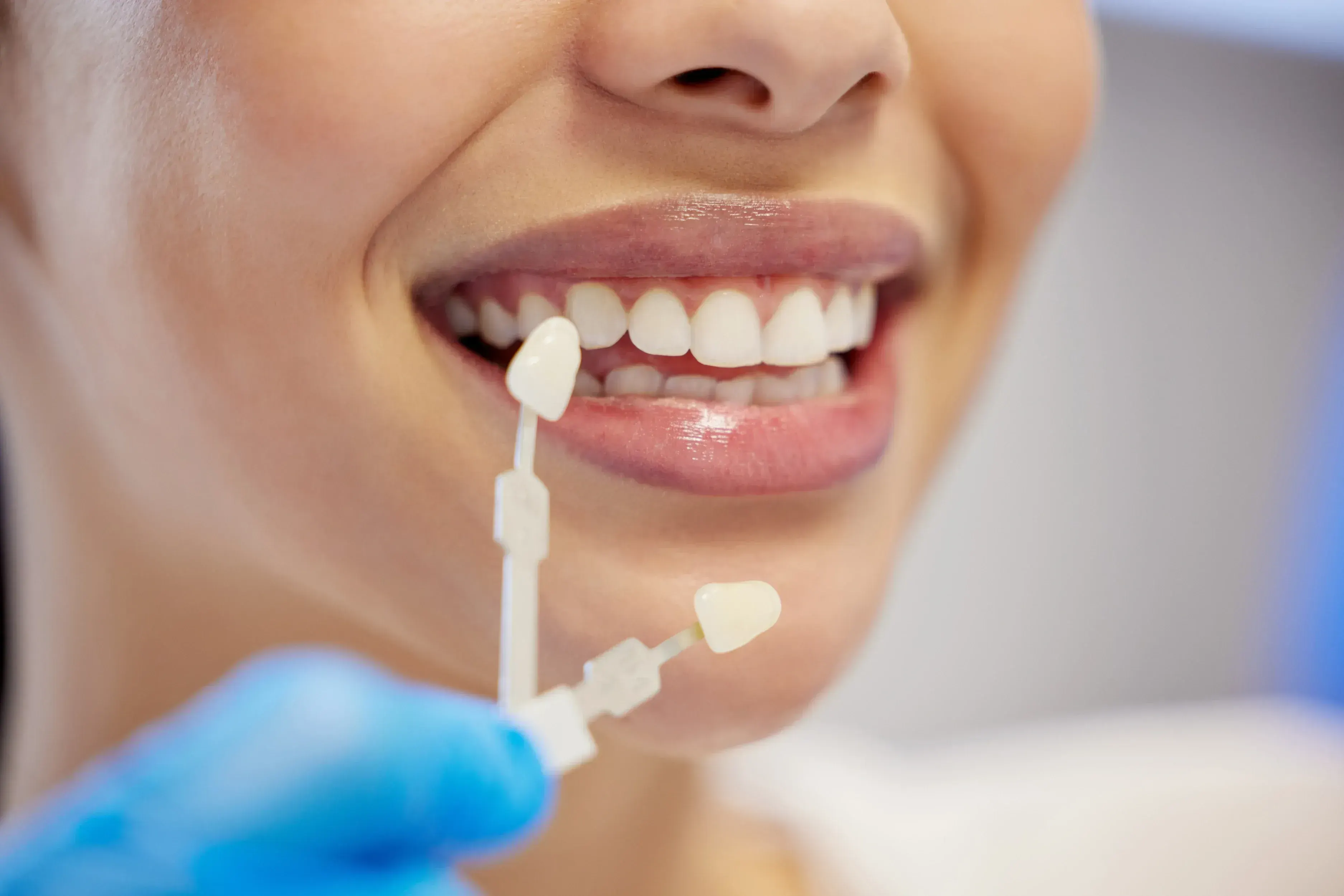
Porcelain veneers are the most popular choice for long term results. Dental ceramic is hard, resists staining from coffee, tea and red wine, and reflects light in a way that looks very similar to natural enamel. Because they are made in a laboratory from a precise impression or digital scan, they also fit closely and seal the edge of the tooth well.
With good planning and regular care, porcelain veneers frequently reach the ten to fifteen year mark, and many last longer. They are not indestructible, though. Porcelain is strong under pressure but can chip if the bite is uneven or if the teeth are used to open packaging or crack hard objects. A veneer that chips can often be repaired, but a large fracture usually means replacement.
How Long Do Composite Veneers Last?
Composite veneers are built directly on the tooth in layers of tooth coloured resin. They are quicker and less expensive, and they usually need less removal of enamel. The trade off is durability. The resin absorbs pigment over time, loses its polish and can chip at the edges, so many patients need touch ups or replacement after a few years.
Composite can still be a sensible choice for a younger patient, for a trial of a new smile shape or for a budget that does not allow porcelain. Regular polishing and careful habits help extend its life, and small repairs are easier than with porcelain because the dentist can simply add more material.
What Affects How Long Veneers Last?
Several factors work together to decide the outcome. The most important ones include:
- The quality of the dentist's planning, preparation and bonding technique.
- The health of the enamel and the gums supporting the veneer.
- The way you bite, including any grinding or clenching.
- Your oral hygiene routine and the regularity of check ups.
- Dietary habits such as frequent hard food, acidic drinks or sugary snacks.
- Whether the teeth are used as tools, for example to bite nails or open bottles.
None of these works in isolation. A patient with excellent hygiene but heavy night grinding may still see chips, while a patient with a gentle bite but poor gum care may face problems at the edge of the veneer. This is why a full assessment before treatment matters so much.
Habits That Shorten the Life of Veneers
Everyday habits can be harder on veneers than people expect. Teeth grinding, known as bruxism, places repeated heavy loads on ceramic and is one of the most common reasons for chips and cracks. Biting fingernails, chewing pens, crunching ice and tearing packaging with the teeth all create sudden forces that thin shells handle poorly.
Smoking and heavy coffee or tea intake do not damage porcelain directly, but they stain the natural tooth and the margin around the veneer, which can make the edge visible over time. Contact sports without a mouthguard also carry a clear risk of fracture. Most of these habits can be changed, and a custom night guard is a simple way to protect veneers if you grind in your sleep.
How to Make Veneers Last Longer
Good aftercare does not need to be complicated. A practical routine looks like this:
- Brush twice a day with a soft toothbrush and a non abrasive fluoride toothpaste.
- Clean between the teeth every day with floss or interdental brushes.
- Wear a custom night guard if you grind or clench.
- Attend a dental check up and professional cleaning every six months.
- Avoid biting hard objects, ice or packaging with the veneered teeth.
- Wear a sports mouthguard for contact activities.
Keeping gums healthy is just as important as caring for the veneers themselves. Inflamed or receding gums can expose the edge of the veneer and the natural tooth beneath it, which affects both appearance and the strength of the bond.
Signs Your Veneers May Need Attention
Veneers rarely fail suddenly. In most cases there are early signals, and acting on them can save the restoration. Contact your dentist if you notice any of the following:
- A visible chip, crack or rough edge on a veneer.
- A veneer that feels loose or has a gap along the gum line.
- Sensitivity or pain in a veneered tooth.
- A dark line at the edge of the veneer.
- Persistent bad breath or bleeding gums around the veneer.
- A change in how your bite feels.
Small problems can often be corrected with polishing, repair or rebonding. Waiting usually makes the problem larger, because bacteria can enter through a failing edge and affect the tooth beneath.
Can Veneers Be Repaired or Replaced?
Many minor problems can be solved without starting again. A small chip on porcelain can sometimes be smoothed or repaired with bonding material, and composite veneers can be rebuilt or polished. A veneer that has come loose may be rebonded if both the veneer and the tooth are in good condition.
When a veneer is badly cracked, stained at the margin or no longer matches the other teeth, replacement is the usual solution. The dentist removes the old shell, checks the tooth and fits a new one. Because the tooth was already prepared, the replacement is generally possible, though each cycle depends on how much healthy enamel remains. This is one reason why careful planning at the start is so valuable.
Do Veneers Affect the Natural Teeth Underneath?
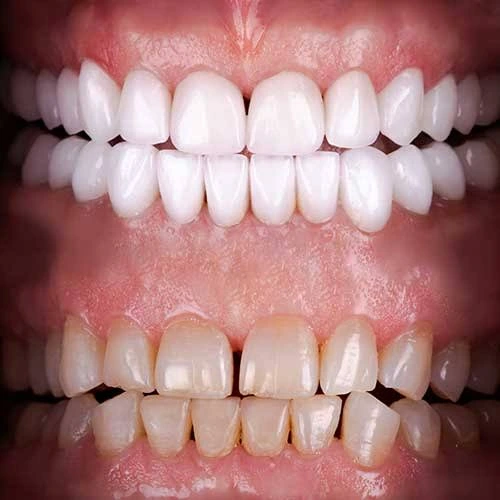
Veneers protect the front surface of a tooth, but they do not make it immune to decay or gum disease. The edge of the veneer, where it meets the natural tooth, is the area most at risk, because plaque collects there if cleaning is poor. A cavity forming under a veneer is harder to spot and can weaken the bond, so regular examinations and X rays are an important part of long term success.
Most patients keep their veneers healthy by treating them as part of the tooth. That means the same careful brushing, daily interdental cleaning and routine professional care that any natural tooth needs. When the tooth beneath stays healthy, the veneer has a firm foundation, and this is the single best predictor of a long lifespan.
Frequently Asked Questions
How many years do porcelain veneers usually last?
Porcelain veneers commonly last ten to fifteen years, and many remain in good condition for longer with proper care. This is an average, not a promise, and the real figure depends on your bite, hygiene and the quality of the work.
Do veneers need to be replaced?
Most veneers will eventually need replacement, because even strong materials wear over many years. The timing varies widely, and regular check ups help the dentist repair small problems before a full replacement becomes necessary.
Can I eat normally with veneers?
Yes, most people eat normally once the veneers are fitted and have settled. It is wise to avoid biting directly into very hard foods such as ice or hard candy, and to cut tough items like crusty bread or raw carrots into smaller pieces.
Do veneers stain over time?
Porcelain resists staining very well, but the natural tooth around the veneer can still discolour. Composite is more likely to absorb pigment from coffee, tea and red wine. Professional cleaning and good hygiene keep both looking fresher.
What happens when a veneer comes off?
Keep the veneer if you can, avoid using the tooth to chew and contact your dentist as soon as possible. If the veneer and the tooth are undamaged, it can often be bonded back in place, and if not, a replacement can be made.
About the Author