






Acid Erosion is a silent yet fascinating process that affects teeth in ways many people do not immediately notice. From the foods we enjoy to the drinks we casually sip, everyday habits can interact with tooth enamel in complex chemical and biological ways. Understanding Acid Erosion is not about fear or strict rules, but about curiosity, awareness, and informed choices.
Table Of Contents
- What Is Acid Erosion and Why It Matters for Teeth
- Common Sources of Acid Erosion in Daily Life
- How Acid Erosion Affects Tooth Structure Over Time
- Scientific Insights into Acid Erosion and Enamel Resistance
- Behavioral Patterns Linked to Acid Erosion Exposure
- Modern Approaches to Understanding Acid Erosion Risk
- The Role of Awareness and Information in Acid Erosion Prevention
What Is Acid Erosion and Why It Matters for Teeth
Acid Erosion refers to the gradual loss of tooth enamel caused by repeated contact with acids. Enamel is the hardest substance in the human body, yet it is not indestructible. When exposed to acidic environments, its mineral structure can soften and thin over time. This does not happen instantly, which is why Acid Erosion often progresses unnoticed.
Researchers often describe Acid Erosion as a chemical process rather than a bacterial one. Unlike cavities, it does not require plaque bacteria to initiate enamel loss. Instead, acids directly interact with the enamel surface. These acids may originate from dietary sources or from internal biological processes. This distinction makes Acid Erosion particularly interesting from a scientific and preventive perspective.
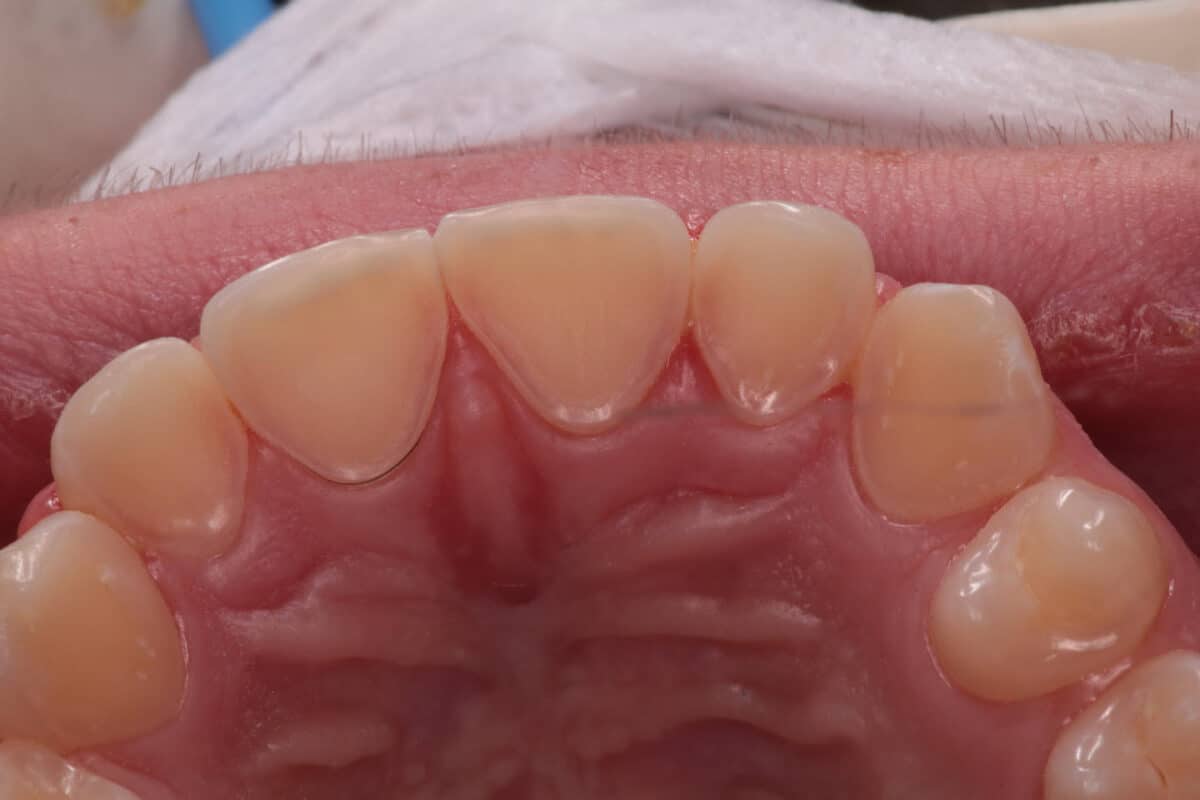
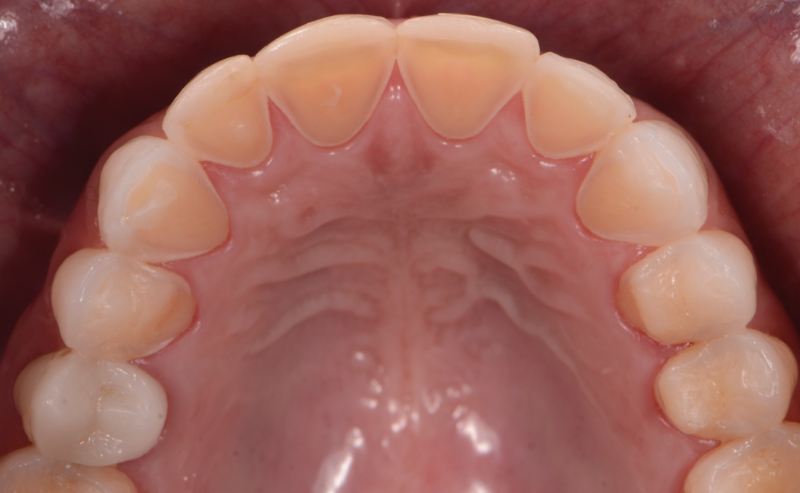
From an observational standpoint, enamel affected by Acid Erosion may appear smoother, shinier, or more translucent. These subtle changes highlight why awareness matters. When enamel thins, the tooth becomes more vulnerable to sensitivity, color changes, and structural alterations.
Common Sources of Acid Erosion in Daily Life
When examining Acid Erosion, researchers often focus on exposure patterns rather than single events. Acids are present in many foods and beverages that are widely consumed across cultures. Citrus fruits, carbonated drinks, flavored waters, and even certain herbal teas have been studied for their acidic properties in relation to Acid Erosion.
Another frequently discussed source of Acid Erosion involves intrinsic acids. These acids originate within the body and may come into contact with teeth under certain physiological conditions. Scientific literature often highlights that repeated exposure, rather than occasional contact, plays a key role in how Acid Erosion develops over time.
Lifestyle trends also influence Acid Erosion patterns. Increased consumption of sports drinks, plant based diets rich in acidic fruits, and frequent snacking can change how often teeth are exposed to acids. From an analytical viewpoint, it is not the presence of acid alone, but the frequency, duration, and oral environment that shape the erosion process.
How Acid Erosion Affects Tooth Structure Over Time
The progression of Acid Erosion typically follows a gradual and layered pattern. Initial stages involve softening of the enamel surface. At this phase, the enamel may still appear intact but is chemically altered. Studies suggest that saliva plays a crucial role in buffering acids and supporting remineralization during this stage.
As Acid Erosion advances, enamel thickness may reduce. This can influence how light reflects from the tooth surface, leading to subtle visual changes. Some analyses note that teeth affected by Acid Erosion may look slightly yellow as the underlying dentin becomes more visible.
Long term observations indicate that Acid Erosion does not occur uniformly across all teeth. Front teeth and chewing surfaces often show different patterns based on how acids contact them. This uneven progression makes Acid Erosion a subject of interest in dental research and material science, especially when examining enamel resilience and wear patterns.
Scientific Insights into Acid Erosion and Enamel Resistance
Modern research into Acid Erosion goes beyond surface level explanations. Laboratory studies often simulate acidic challenges to enamel samples to understand mineral loss and recovery dynamics. These experiments highlight how enamel composition, saliva chemistry, and exposure timing interact in complex ways.
One intriguing finding in Acid Erosion research is the role of saliva as a natural protective system. Saliva contains minerals such as calcium and phosphate, which can contribute to enamel stability. The balance between acid attacks and salivary recovery phases is often described as a dynamic cycle rather than a one way process.
Material science also contributes valuable insights. Enamel affected by Acid Erosion shows different microstructural changes compared to enamel worn by mechanical forces. This distinction helps researchers develop better diagnostic approaches and raises awareness that not all enamel loss follows the same biological pathway.
Behavioral Patterns Linked to Acid Erosion Exposure
Behavioral studies examining Acid Erosion focus on how habits shape exposure. Timing, frequency, and combinations of foods and drinks all influence the acidic environment in the mouth. For example, sipping acidic beverages slowly over extended periods has been associated with prolonged acid contact.
Another interesting behavioral factor linked to Acid Erosion is temperature. Some analyses suggest that colder acidic drinks may feel less aggressive, leading to longer consumption times. This indirectly increases exposure duration, a key variable in Acid Erosion dynamics.
Social and cultural habits also play a role. In some regions, acidic foods are consumed alongside meals, while in others they are enjoyed as standalone snacks. These patterns affect how saliva is stimulated and how quickly acids are neutralized, offering further insight into population based Acid Erosion trends.
Modern Approaches to Understanding Acid Erosion Risk
Risk assessment related to Acid Erosion has evolved significantly in recent years. Instead of focusing on isolated factors, researchers now consider cumulative exposure models. These models examine how diet, hydration, oral environment, and lifestyle interact over time.
Digital dentistry and imaging technologies have enhanced how Acid Erosion is observed and documented. High resolution scans allow subtle enamel changes to be tracked, offering a clearer picture of progression without relying solely on visible symptoms.
From an educational perspective, understanding Acid Erosion risk is increasingly framed as a spectrum rather than a binary condition. This approach encourages informed awareness rather than alarm, aligning with DentPrime’s emphasis on clarity, transparency, and patient centered information.
The Role of Awareness and Information in Acid Erosion Prevention
While Acid Erosion is a chemical process, knowledge remains one of the most powerful tools in addressing it. Awareness helps individuals recognize patterns, ask informed questions, and understand how everyday choices interact with dental biology.
Educational research suggests that people who understand Acid Erosion tend to view oral health as a long term system rather than a series of isolated events. This mindset supports more consistent attention to habits, timing, and overall oral balance.
DentPrime emphasizes that reliable information should empower curiosity rather than impose rigid instructions. By presenting Acid Erosion as a topic rooted in science, observation, and ongoing research, the conversation becomes accessible, engaging, and relevant to real life experiences.
Acid Erosion represents a compelling intersection of chemistry, biology, and lifestyle. It highlights how teeth interact with the environment every day in subtle yet meaningful ways. Rather than being a sudden or dramatic condition, Acid Erosion develops gradually, shaped by repeated exposures and natural protective mechanisms.
By exploring how Acid Erosion works, where it originates, and how it progresses, this article aims to provide genuine value beyond surface level explanations. DentPrime believes that well informed readers are better equipped to understand their oral environment and engage confidently with dental knowledge.
This content is designed to be the kind you would bookmark, share, or expect to find referenced in a trusted health publication. Clear, balanced, and grounded in scientific thinking, it reflects DentPrime’s commitment to authoritative and transparent dental education.
About the Author