




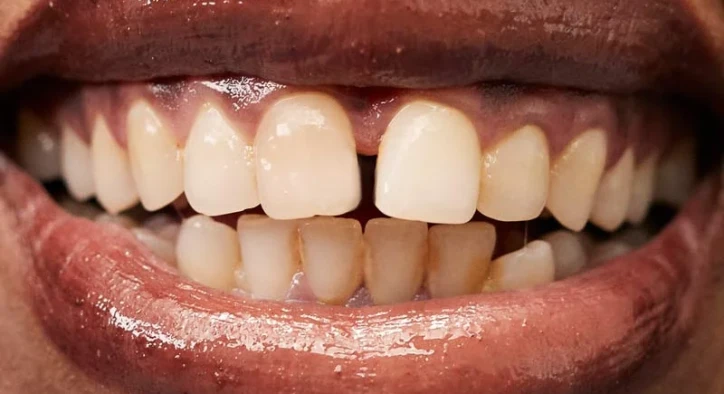

A smile is often the first thing people notice, and its symmetry plays a significant role in facial harmony. However, for many individuals, a front tooth gap (diastema) becomes a defining feature of their appearance. While some embrace this space as a sign of character, others seek professional help to close the gap for aesthetic or functional reasons.
At DentPrime, we view diastema teeth through both a clinical and an artistic lens. Whether you are dealing with a small midline diastema or multiple gaps across your dental arch, understanding the underlying cause is the first step toward a healthier bite.
In 2026, the field of cosmetic dentistry Turkey offers more sophisticated, minimally invasive ways to achieve a seamless smile than ever before. This guide explores everything from the biological origins of tooth gaps to the latest in diastema treatment.
Table Of Contents
- What is Diastema?
- What Causes a Diastema to Develop?
- Is a Diastema Harmful? Beyond Aesthetics
- How to Fix Diastema: Advanced Treatment Options
- Frenectomy: When a Simple Procedure Saves Your Smile
- Why Choose Turkey for Diastema Treatment in 2026?
- Life After Diastema Closure
- FAQ
- What are the symptoms of diastema?
What is Diastema?
When patients ask, "what is diastema?" they are usually referring to a space that exceeds 0.5 millimeters between adjacent teeth. This condition is not limited to the front of the mouth; a diastema canine or gaps between molars are also common, though less visible.
In many cases, the median diastema (the gap between the two upper front teeth) is the primary concern for patients. It is important to distinguish between primary diastema, which appears in children as their jaws grow to accommodate adult teeth, and permanent diastema, which persists after all permanent teeth have erupted. While the former often closes naturally, the latter usually requires professional diastema closure if the patient desires a change.
What Causes a Diastema to Develop?
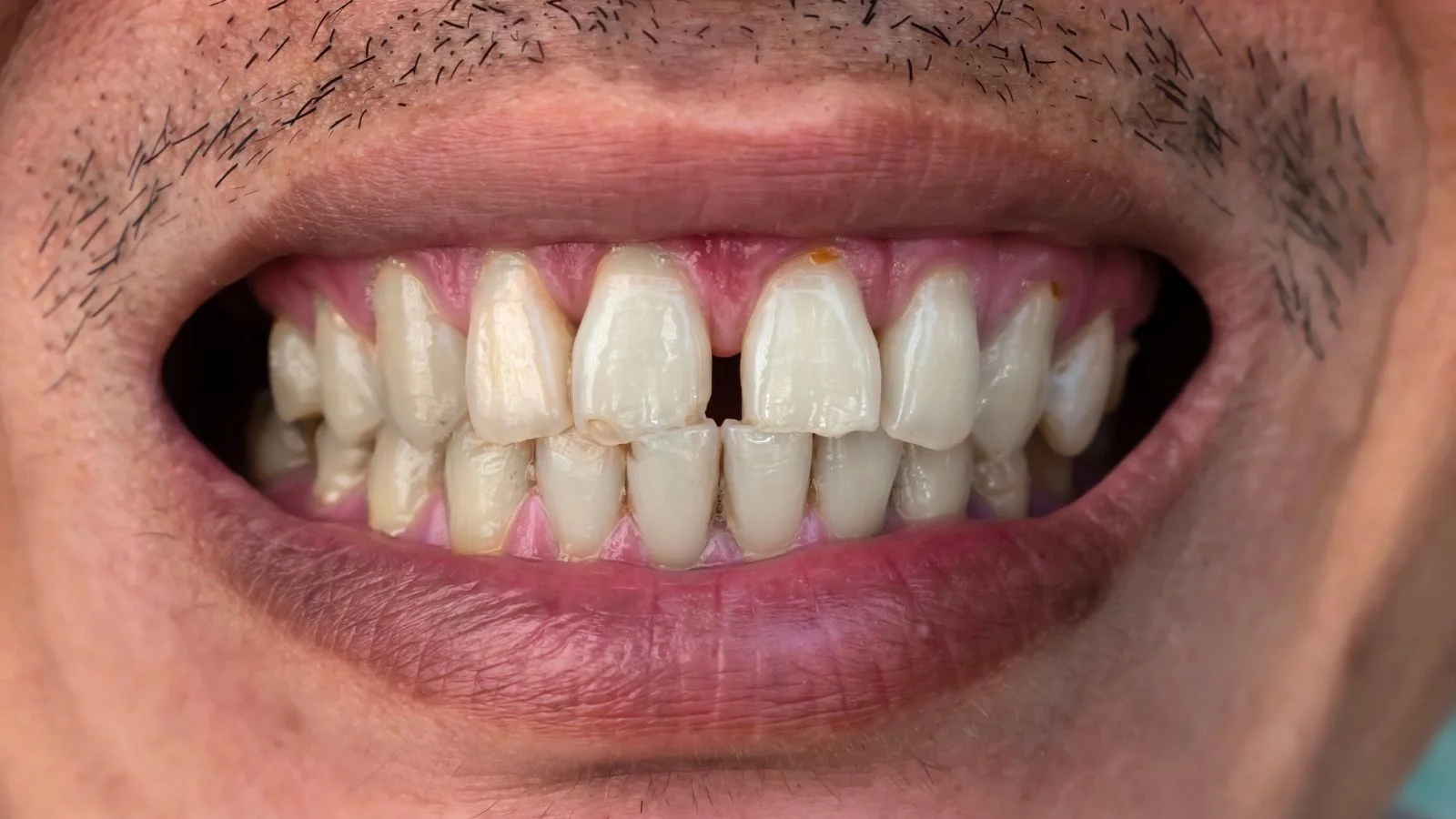
A gap between teeth does not appear without a reason. The development of your dental arch is a complex process influenced by the size of your jaw, the size of your teeth, and the surrounding soft tissues.
Genetic Factors and Tooth Size Mismatch
Genetics are the most frequent culprit. A diastema often occurs when there is a mismatch between the size of the jawbone and the size of the teeth. If the jaw is too large or the teeth are too small, they cannot fill the space comfortably, leading to gaps. This is particularly common in the midline diastema, where the two central teeth simply do not meet in the middle.
The Role of the Labial Frenum (Tissue Attachment)
The labial frenum is the small piece of tissue that connects the inside of your upper lip to the gum tissue above your two front teeth. In some people, this tissue is unusually thick or attached too low on the gum line. When this happens, it acts as a physical barrier, pushing the teeth apart and preventing a natural diastema closure.
Childhood Habits and Thumb Sucking
Environmental factors during formative years also play a role. Habitual thumb sucking puts consistent forward pressure on the front teeth, tilting them outward and creating a gap. Similarly, "tongue thrusting” can gradually widen a front tooth gap over time.
Is a Diastema Harmful? Beyond Aesthetics
For many, a diastema is purely a cosmetic preference. However, from a clinical perspective, gaps between teeth can sometimes lead to functional and health-related issues.
- Gum Health: Gaps can act as "food traps." When food debris remains lodged between teeth, it promotes the growth of bacteria, potentially leading to localized gingivitis or periodontal pockets.
- Speech Clarity: A large front tooth gap can cause a lisp or whistling sound during speech, as air escapes through the space when pronouncing certain consonants.
- Tooth Shifting: Because the teeth are not supporting one another side-by-side, adjacent teeth may gradually shift into the open space, leading to a misaligned bite (malocclusion).
How to Fix Diastema: Advanced Treatment Options
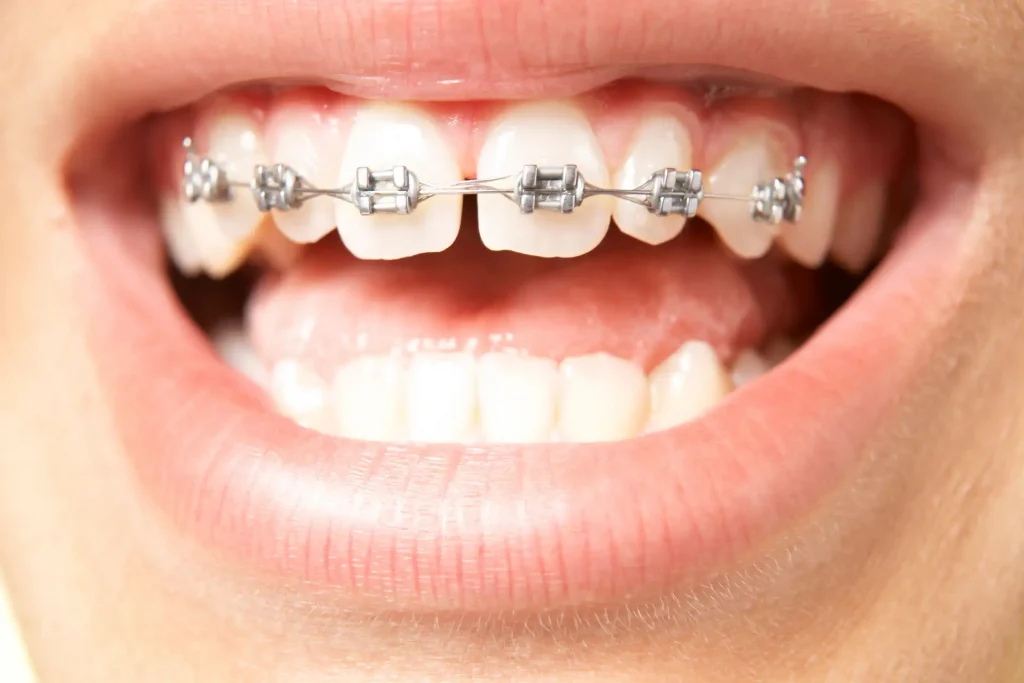
If you have decided that you want to close the gap, 2026 offers a variety of paths. The right diastema treatment depends on the size of the gap, the health of your gums, and your desired timeline.
Clear Aligners and Braces for Permanent Closure
Orthodontic treatment remains the gold standard for closing gaps while ensuring a functional bite. Clear aligners, such as Invisalign, are highly effective for diastema closure. They use controlled force to move the natural teeth closer together over several months. This method is ideal because it treats the root cause of the spacing without altering the tooth structure.
Composite Bonding for Instant Results
For those looking for a "one-day" solution for a small gap between teeth, composite bonding is an excellent choice. A tooth-colored resin is meticulously sculpted onto the sides of the teeth to fill the space. It is a painless, non-invasive procedure that provides immediate results, though it may require touch-ups every few years.
Porcelain Veneers and Lumineers
Veneers are thin, custom-made shells that cover the front surface of the teeth. They are a staple of cosmetic dentistry Turkey, offering a way to not only close a diastema but also improve the color and shape of the teeth simultaneously. Veneers are more durable than bonding and provide a permanent aesthetic transformation.
Frenectomy: When a Simple Procedure Saves Your Smile
If your midline diastema is caused by a low-seated labial frenum, closing the gap with braces or bonding may not be enough. Without addressing the tissue, the teeth may simply drift apart again once treatment ends.
A frenectomy for tooth gap is a minor surgical procedure where the excess tissue is removed or repositioned. In modern clinics, this is often performed using a laser, which minimizes bleeding and accelerates healing. Performing a frenectomy before or during orthodontic treatment ensures that the gap stays closed permanently.
Why Choose Turkey for Diastema Treatment in 2026?
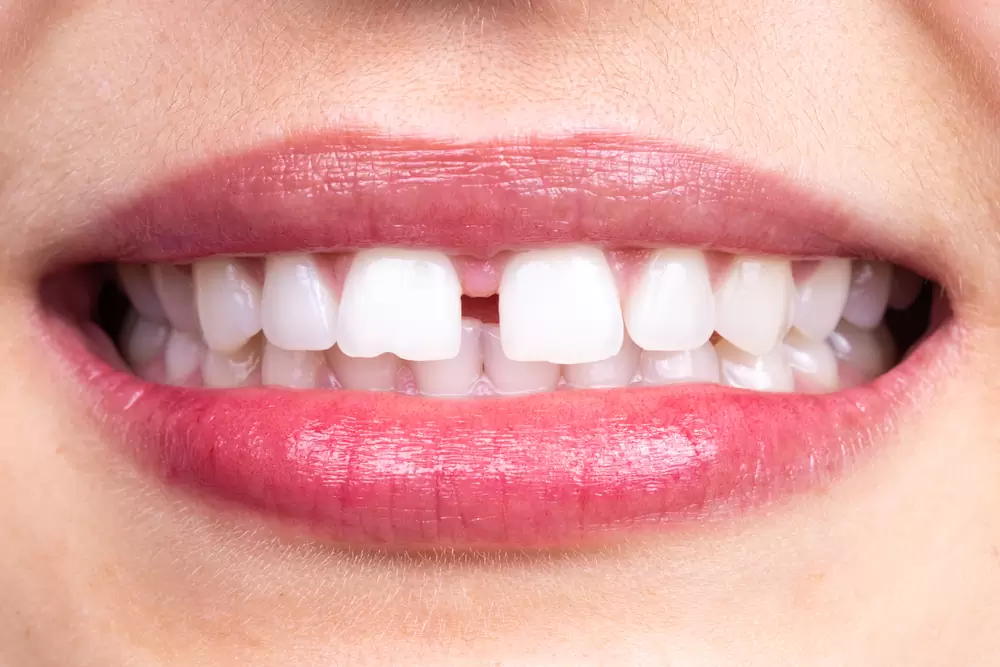
Turkey has become a global hub for dental excellence, and diastema treatment Turkey is one of the most sought-after procedures. But why fly to Istanbul or Antalya for a tooth gap?
- Technological Integration: Turkish clinics utilize the latest 3D imaging and digital smile design software to show you your results before the treatment even begins.
- Cost-Efficiency: The cost of cosmetic dentistry Turkey remains significantly lower than in the UK or the US, even for premium materials like E-max veneers.
- Experienced Specialists: Due to the high volume of international patients, Turkish dentists have extensive experience in full-mouth rehabilitations and complex gap closures.
Life After Diastema Closure
Closing a diastema is a significant milestone, but maintenance is key to long-term success. If you chose orthodontic treatment, wearing a retainer is mandatory to prevent the teeth from "relapsing" to their original positions. For those who chose veneers or bonding, maintaining excellent oral hygiene and avoiding habits like biting your nails or chewing on pens will keep your new smile intact for years.
The psychological impact of diastema closure is often profound. Patients report feeling more willing to smile in photos and more confident in social interactions. Whether you choose to keep your gap or close it, the most important thing is that your smile is healthy and makes you feel like the best version of yourself.
Method | Duration | Best For | Longevity |
Invisalign | 6–12 Months | Natural tooth movement | Permanent (with retainer) |
Composite Bonding | 1 Hour | Small, localized gaps | 5–7 Years |
Porcelain Veneers | 1 Week | Aesthetic transformation | 10–15 Years |
Frenectomy | 30 Minutes | Tissue-related gaps | Permanent |
FAQ
Does a diastema cause speech problems?
In some cases, yes. A large front tooth gap can allow air to pass through in a way that creates a lisp or makes certain sounds, like "s" and "f," difficult to pronounce clearly. Closing the gap often resolves these minor speech impediments.
Can a diastema be fixed in one day?
Absolutely. Through composite bonding, a dentist can sculpt resin to fill the gap in a single appointment. However, for a more permanent or natural movement of the teeth, orthodontic treatment is required.
What are the symptoms of diastema?
The primary symptom is a visible gap between teeth. Beyond the visual aspect, some patients may experience food impaction in the gap or a feeling of "looseness" in the adjacent teeth if the gap is caused by gum disease.
Can I prevent diastema?
While you cannot prevent genetically determined tooth sizes, you can prevent gaps caused by habits. Discouraging thumb sucking in children and seeking early treatment for tongue thrusting or gum disease can help maintain tight tooth alignment.
About the Author