




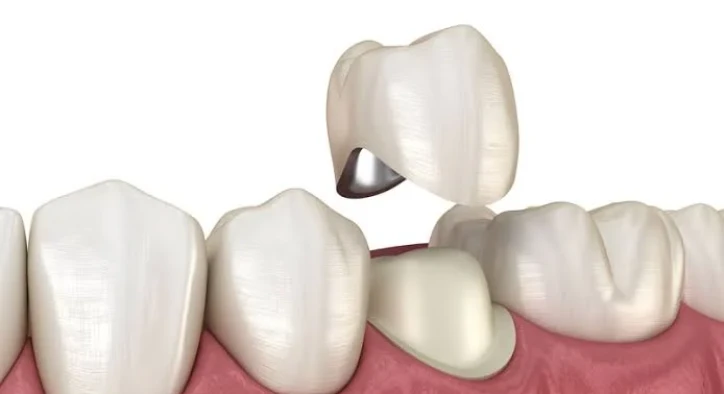

Undergoing fixed prosthodontic therapy involves precise clinical stages where the natural tooth structure is recontoured to receive a permanent aesthetic restoration. During the interim laboratory fabrication phase, placing a high-quality temporary crown is an essential medical necessity that safeguards patient comfort and long-term treatment success. Far from being a cosmetic placeholder, this interim restoration preserves the delicate biological seal over exposed dentin tubules, stabilizes the gingival margin, maintains the bite relationship, and prevents adjacent teeth from drifting into the newly created space.
Many patients undergoing restorative procedures wonder what is a temporary crown and why their dentist cannot bond the permanent ceramic crown immediately. Understanding the biomechanics of a temporary crown tooth preparation helps ease dental anxiety and prevents common post-operative complications. Whether a patient is concerned about the strength of their temporary crown material, experiences unexpected temporary crown pain while drinking cold beverages, wonders how long does a temporary crown last before the permanent fitting, or wakes up finding that their temporary crown fell off overnight, this clinical guide delivers comprehensive answers for safe oral care.
Table Of Contents
- What Is a Temporary Crown and Why Is It Clinically Essential?
- Material Science: What Is a Temporary Crown Material Made Of?
- What to Do If Your Temporary Crown Fell Off: Immediate Emergency Steps
- Understanding Temporary Crown Pain and Post-Operative Tooth Sensitivity
- How Long Does a Temporary Crown Last in Modern Restorative Dentistry?
- Comprehensive Comparison: Temporary vs. Permanent Restorations
- Frequently Asked Questions
- What should I do immediately after my temporary crown fell off?
- What is the primary temporary crown material used by modern dentists?
- How long does a temporary crown last before it needs to be replaced?
- Why am I experiencing sharp temporary crown pain when drinking cold liquids?
- What foods should I avoid while wearing a temporary crown tooth?
What Is a Temporary Crown and Why Is It Clinically Essential?
When understanding restorative protocols, patients frequently ask: what is a temporary crown? A provisional crown is a custom-fitted cap placed over a prepared tooth while a dental laboratory crafts the permanent restoration from zirconia, porcelain, or lithium disilicate. The natural enamel that once shielded the inner nerve has been reduced during preparation, exposing thousands of microscopic dentin tubules that communicate directly with the dental pulp.
- [ TOOTH REDUCTION STAGE ]: Exposes microscopic dentin tubules and sensitive pulp tissue
- [ PROVISIONAL STABILITY ]: Seals dentin, prevents bacterial leakage, guards gingival margin
Without an interim restoration, the exposed dentin remains highly susceptible to bacterial contamination, microleakage, and intense thermal sensitivity from hot and cold foods. A well-crafted provisional restoration acts as a biological shield. Furthermore, teeth possess a natural physiological tendency to shift; without an interim cap holding the perimeter, the adjacent teeth tilt inward and the opposing tooth over-erupts into the open space. This drifting can prevent the permanent laboratory crown from seating properly without extensive bite adjustments.
Material Science: What Is a Temporary Crown Material Made Of?
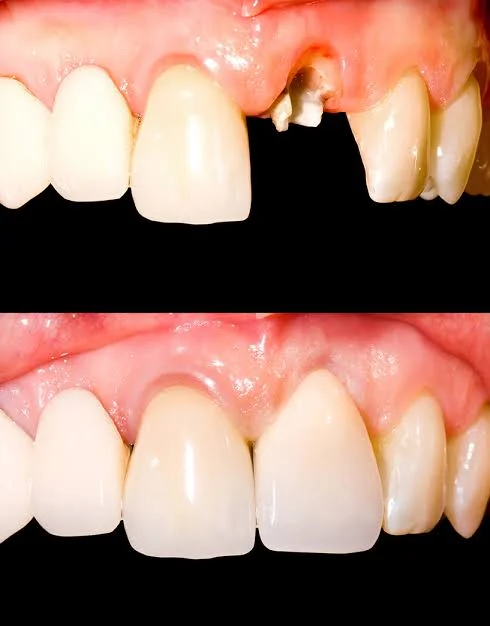
The functional durability of an interim restoration depends directly on the dental chemistry of the chosen temporary crown material. Dentists select specialized materials that balance ease of intraoral sculpting with adequate fracture resistance for daily chewing forces.
- Bis-Acryl Composite Resins: Currently the gold standard for clinical chairside fabrication, bis-acryl composites provide low polymerisation shrinkage, minimal heat generation during curing, superior edge adaptation, and polishable aesthetics that blend naturally with adjacent teeth.
- Polymethyl Methacrylate (PMMA): Widely utilized for long-span restorations and laboratory-milled computer-aided designs, PMMA provides high flexural strength and surface hardness, making it ideal when a patient requires extended provisional wear over several months.
- Polycarbonate and Aluminum Shells: Prefabricated crowns often selected for quick emergency restorations or pediatric dentistry, requiring careful chairside trimming and relining to match individual tooth margins.
Because provisional restorations are deliberately secured using temporary cements designed for easy removal, their chemical bond is fundamentally distinct from the permanent adhesive resins utilized during final cementation.
What to Do If Your Temporary Crown Fell Off: Immediate Emergency Steps
Discovering that your temporary crown fell off while eating or flossing can be an alarming experience, but knowing the correct immediate response prevents damage to the exposed tooth structure.
- [ CROWN DISLODGEMENT ]: Locate the crown, rinse gently, and inspect the underlying abutment
- [ CLINICAL APPOINTMENT ]: Visit the dental practice within 24 to 48 hours for professional recementation
- Locate and Clean the Restoration: Immediately retrieve the dislodged cap from your mouth so you do not swallow or bite down on it. Rinse it under lukewarm water to remove food particles and saliva.
- Inspect the Prepared Tooth: Look into a mirror to evaluate the exposed abutment. If the tooth appears intact without sharp fractures, the dislodgement is almost certainly caused by temporary cement washout rather than structural breakage.
- Emergency Home Stabilization: If you cannot visit your dentist immediately, purchase an over-the-counter dental emergency repair kit from a local pharmacy. Clean the hollow inside of the crown, place a tiny dab of temporary dental cement or petroleum jelly inside, and gently press it back onto the tooth. Bite down softly on a clean cotton roll to confirm that your bite feels natural and not elevated.
- Never Use Household Glues: Under no circumstances should you ever use superglue, craft adhesives, or standard household glues. These chemicals cause toxic pulp necrosis, severely irritate gum tissue, and permanently ruin the tooth surface, making permanent crown bonding impossible.
- Contact Your Dental Practice: Call your dental clinic promptly to schedule a re-cementation visit within 24 to 48 hours. Even if the crown feels stable with temporary pharmacy paste, professional evaluation is vital to ensure an airtight bacterial seal.
Understanding Temporary Crown Pain and Post-Operative Tooth Sensitivity
Experiencing mild discomfort or localized sensitivity around a temporary crown tooth is relatively common, but distinguishing normal postoperative healing from acute pulpal inflammation is essential for timely intervention.
Mild temporary crown pain during the first 48 hours usually arises from localized gum irritation caused by retraction cords, impression materials, or mechanical crown finishing near the gingival margin. Rinsing gently with warm salt water effectively soothes inflamed gum tissue. However, sharp throbbing pain, pain when biting down firmly, or lingering sensitivity to temperature often indicates that the provisional crown is sitting slightly too high on the bite. When a crown hits prematurely during chewing, the surrounding periodontal ligament becomes inflamed. A brief two-minute bite adjustment by your dentist quickly relieves this pressure.
How Long Does a Temporary Crown Last in Modern Restorative Dentistry?
A central question for patients planning their treatment schedule is: how long does a temporary crown last safely in the mouth? Under standard clinical protocols, an interim restoration is engineered to function predictably for two to four weeks while the dental laboratory crafts the definitive crown.
In complex restorative treatments involving full-mouth rehabilitation, bone grafting, or staged dental implant integration, specialized milled PMMA temporary crowns can function reliably for three to six months. However, leaving an interim cap in place longer than directed by your dentist carries significant biological risks. Temporary cements slowly dissolve in saliva over time, allowing oral bacteria and sugars to seep under the restoration. Because the patient cannot see this microleakage, aggressive recurrent decay can develop rapidly on the underlying prepared tooth without early warning signs.
Comprehensive Comparison: Temporary vs. Permanent Restorations
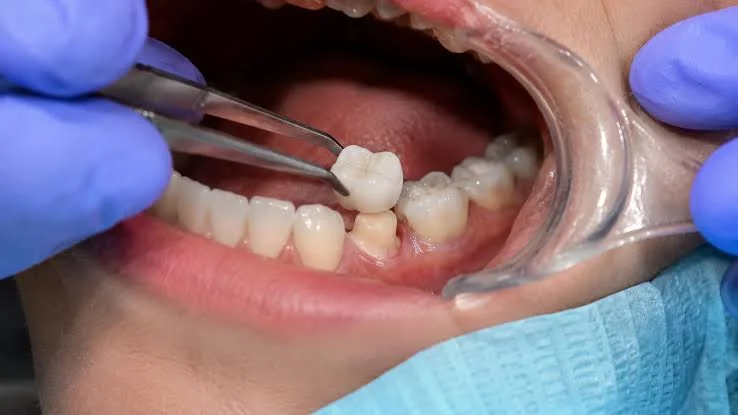
Evaluating the functional differences between interim protection and definitive prosthetics underscores why completing the treatment timeline remains vital.
Clinical Parameter | Temporary Crown Restoration | Permanent Ceramic Restoration |
Material Composition | Bis-acryl resin, PMMA, or polycarbonate | Zirconia, E-max lithium disilicate, porcelain |
Fixation Agent | Soluble zinc oxide temporary cement | Insoluble resin-modified glass ionomer or adhesive resin |
Occlusal Durability | Designed for light chewing over 2 to 4 weeks | Engineered to withstand heavy bite forces for 15+ years |
Stain Resistance | Porous surface prone to coffee and tea staining | Glazed, non-porous ceramic impervious to staining |
Biological Margin | Hand-trimmed chairside margin | Digitally milled micron-precise margin fit |
Frequently Asked Questions
What should I do immediately after my temporary crown fell off?
Retrieve the crown, clean it gently with warm water, and inspect the tooth. Contact your dental practice right away to schedule a re-cementation visit. In the meantime, you can temporarily protect the tooth by lining the clean inside of the crown with temporary pharmacy dental paste or a tiny dab of toothpaste and gently seating it back over the tooth.
What is the primary temporary crown material used by modern dentists?
Modern dentists primarily use bis-acryl composite resins or laboratory-milled PMMA acrylics. These materials provide low shrinkage, smooth surface finishes, and natural tooth-colored aesthetics while protecting the sensitive underlying tooth structure.
How long does a temporary crown last before it needs to be replaced?
A temporary crown is typically designed to last between two and four weeks while the permanent dental crown is being manufactured. In specialized orthodontic, periodontal, or implant cases, reinforced milled temporaries can safely remain in place for up to six months under regular clinical monitoring.
Why am I experiencing sharp temporary crown pain when drinking cold liquids?
Temporary crown pain upon exposure to cold liquids occurs because the interim restoration and temporary cement are slightly porous, allowing thermal changes to reach the exposed dentin tubules. If the pain is severe or lingers for minutes, your temporary seal may have loosened, or the underlying nerve may be irritated, requiring an evaluation by your dentist.
What foods should I avoid while wearing a temporary crown tooth?
You should avoid sticky foods such as chewing gum, caramel, toffee, and gummy candies that can pull the crown off the tooth. You should also avoid biting directly into hard foods such as ice cubes, raw carrots, nuts, and crusty bread, and avoid chewing aggressively on the side of the mouth where the provisional restoration is located.
About the Author