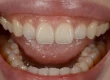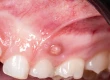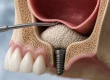







Tooth remineralization is a fascinating process that is gaining attention among dental researchers and enthusiasts alike. In essence, it is the natural repair mechanism of teeth, where minerals lost due to acids or decay are restored to maintain tooth strength and integrity. Unlike simple preventive measures, tooth remineralization dives into the molecular level, showing how saliva, minerals, and innovative dental treatments interact to rebuild enamel.
Table Of Contents
- How Does Tooth Remineralization Work?
- The Role of Fluoride in Tooth Remineralization
- Natural Agents That Promote Tooth Remineralization
- Advanced Dental Treatments for Tooth Remineralization
- Diet and Lifestyle Factors Influencing Tooth Remineralization
- The Future of Tooth Remineralization: Research and Innovations
- Understanding Tooth Remineralization for Better Oral Health

How Does Tooth Remineralization Work?
Tooth remineralization occurs when minerals such as calcium, phosphate, and fluoride are redeposited into demineralized enamel. This process is crucial because enamel, once lost, cannot naturally regenerate entirely. Saliva plays a pivotal role as it acts as a buffer against acids and carries minerals to the enamel surface.
When enamel begins to weaken, microscopic pores appear. Here, minerals in saliva and dental products penetrate these tiny gaps, gradually restoring strength. Research indicates that consistent mineral availability can reverse early-stage decay, making tooth remineralization a vital part of preventive dentistry.
The Role of Fluoride in Tooth Remineralization
Fluoride is widely recognized for its ability to enhance tooth remineralization. It integrates into the enamel structure, forming fluoroapatite, which is more resistant to acid attacks. Studies suggest that low-level, regular exposure to fluoride can significantly reduce cavities and enamel erosion.
In addition to toothpaste and mouth rinses, professional fluoride treatments provide concentrated doses to areas most at risk. This combination of daily care and targeted intervention ensures that tooth remineralization is optimized for long-term oral health.
Natural Agents That Promote Tooth Remineralization
While fluoride is a well-known player, nature offers several agents that contribute to tooth remineralization:
- Calcium and Phosphate: Found in dairy products, these minerals support enamel restoration. Casein phosphopeptides (CPP) can enhance their absorption.
- Xylitol: A sugar alcohol that inhibits harmful bacteria and indirectly boosts remineralization.
- Green Tea Polyphenols: Emerging research shows antioxidant properties that help maintain enamel integrity.
Incorporating these elements through diet or dental products can complement professional treatments, forming a holistic approach to tooth remineralization.

Advanced Dental Treatments for Tooth Remineralization
Modern dentistry offers several innovative solutions to accelerate tooth remineralization:
- Topical Fluoride Varnishes: Concentrated fluoride applied directly to the teeth.
- Casein Phosphopeptide-Amorphous Calcium Phosphate (CPP-ACP): Dental creams or chewing gums that enhance mineral deposition.
- Laser-Assisted Remineralization: A newer technology that stimulates enamel repair using specific light wavelengths.
These treatments can be particularly effective for patients with early enamel lesions, offering a non-invasive method to strengthen teeth without drilling or fillings.
Diet and Lifestyle Factors Influencing Tooth Remineralization
Your daily habits significantly affect tooth remineralization:
- Sugar Intake: Frequent consumption of sugary foods increases acid production, accelerating demineralization.
- Hydration and Saliva: Adequate water intake promotes saliva flow, which is essential for natural remineralization.
- Acidic Beverages: Limiting soda and fruit juices helps prevent enamel erosion.
Adopting mindful eating habits, alongside targeted dental care, reinforces the body’s natural ability for tooth remineralization.
The Future of Tooth Remineralization: Research and Innovations
Scientific advancements continue to expand our understanding of tooth remineralization. Researchers are exploring bioactive peptides, nanomaterials, and 3D enamel scaffolds to mimic natural mineralization. Early studies suggest these innovations could one day repair teeth at a cellular level, potentially reducing the need for fillings or crowns.
Additionally, AI-driven dental diagnostics are being integrated to detect early demineralization, allowing tailored remineralization strategies. This intersection of technology and biology signals a promising era for oral health.
Understanding Tooth Remineralization for Better Oral Health
Tooth remineralization represents a critical component of modern dentistry. By understanding the mechanisms, natural supports, and advanced treatments, individuals can appreciate how minerals and care strategies work together to protect teeth. While enamel loss cannot always be reversed completely, enhancing remineralization can significantly reduce decay, improve enamel strength, and maintain overall dental integrity.
DentPrime emphasizes that knowledge about tooth remineralization empowers patients and dental professionals alike to make informed choices in maintaining strong, healthy smiles.
About the Author