




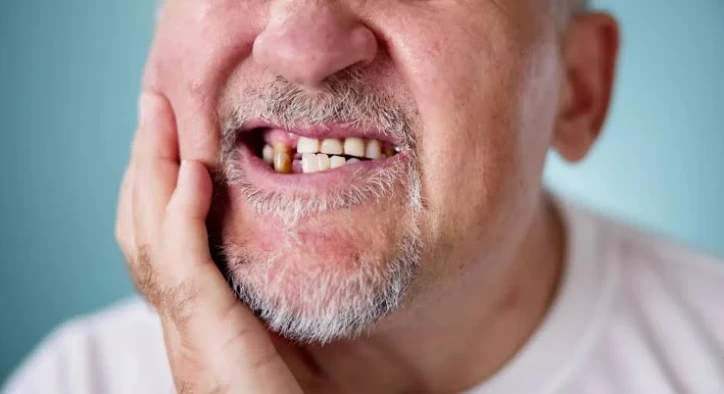

Severe, rapid soft-tissue destruction accompanied by acute pain and spontaneous hemorrhage represents one of the most urgent periodontal emergencies in dentistry. When evaluating painful, rapidly sloughing gingival tissues, answering what is trench mouth provides the diagnostic foundation for preventing permanent structural bone and gum loss. Clinically designated as Acute Necrotizing Ulcerative Gingivitis (ANUG) or Vincent's stomatitis, trench mouth is a non-contagious, aggressive bacterial infection characterized by the rapid necrosis and ulceration of interdental papillae.
Historically recognized among soldiers enduring chronic psychological distress, severe sleep deprivation, and poor oral hygiene in World War I battlefield trenches, this condition continues to occur in civilian populations under intense stress. Recognizing early trench mouth manifestations is critical for preventing the destruction of deeper periodontal tissues. Patients experiencing sudden bleeding and oral pain frequently ask how do you get trench mouth, research the specific microbial factors behind what causes trench mouth, evaluate distinctive trench mouth symptoms, and seek immediate trench mouth treatment protocols. This comprehensive clinical guide explores anaerobic fuso-spirochetal pathogenesis, clinical staging, emergency ultrasonic debridement, and long-term tissue maintenance.
Table Of Contents
- What Is Trench Mouth and How Does the Pathological Destruction Progress?
- Etiological Factors: What Causes Trench Mouth and How Do You Get It?
- Diagnostic Presentation: Early Trench Mouth and Distinctive Clinical Symptoms
- Emergency Management and Modern Trench Mouth Treatment
- Clinical Comparison: Standard Gingivitis vs Trench Mouth (ANUG)
- Frequently Asked Questions
What Is Trench Mouth and How Does the Pathological Destruction Progress?
To understand how this condition differs from standard plaque-induced gingivitis, answering what is trench mouth requires examining acute tissue necrosis. While chronic gingivitis involves reversible inflammation without permanent tissue loss, necrotizing periodontal disease destroys the tips of the interdental papillae, creating irreversible crater-like defects.
The biological and microbiological progression follows a structured sequence:
- [ HOST IMMUNOSUPPRESSION ]: Severe emotional stress, chronic fatigue, or systemic compromise
- [ FUSO-SPIROCHETAL BLOOM ]: Anaerobes (Treponema denticola & Prevotella intermedia) proliferate
- [ MICROVASCULAR THROMBOSIS ]: Bacterial endotoxins trigger localized ischemia in gingival papillae
- [ NECROTIC CRATER ULCERATION ]: Interdental papillae slough off, leaving cratered tissue margins
- [ PSEUDOMEMBRANE FORMATION ]: Grayish-yellow fibrinous slough covers exposed ulcerated connective tissue
The infection is primarily driven by an opportunistic fuso-spirochetal complex consisting of anaerobic microorganisms, notably Treponema denticola, Prevotella intermedia, Fusobacterium nucleatum, and Porphyromonas gingivalis. Under conditions of compromised host immunity, these opportunistic bacteria invade non-keratinized papillary tissue, producing cytotoxic enzymes that destroy microvasculature, leading to localized ischemic necrosis.
Etiological Factors: What Causes Trench Mouth and How Do You Get It?
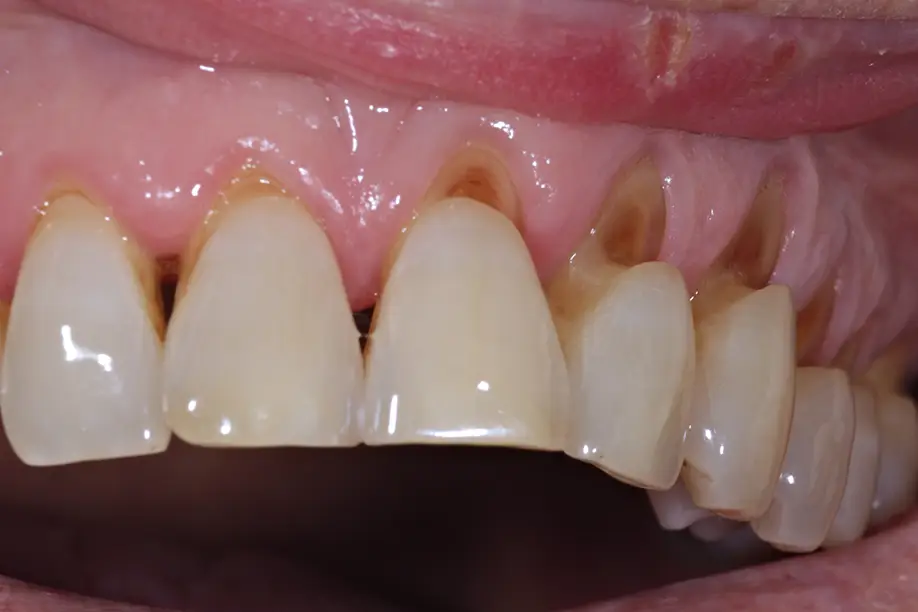
Patients alarmed by the sudden onset of symptoms frequently ask what causes trench mouth and wonder how do you get trench mouth. Unlike viral or contagious bacterial illnesses, ANUG cannot be transmitted through saliva, kissing, or sharing drinking glasses. It is an endogenous, opportunistic infection triggered when the oral immune defense collapses.
The primary predisposing factors include:
- Severe Psychological Stress and Sleep Deprivation: Elevated systemic cortisol and catecholamines suppress circulating neutrophil function and induce microvascular constriction in gingival tissues.
- Poor Oral Hygiene and Pre-Existing Gingivitis: Accumulation of mature subgingival bacterial biofilm creates an oxygen-deprived environment ideal for anaerobic proliferation.
- Heavy Tobacco Smoking: Nicotine causes peripheral vasoconstriction in oral mucosa, reducing local blood flow and depriving defensive immune cells of oxygen.
- Nutritional Deficiencies and Malnutrition: Inadequate intake of essential proteins, vitamins, and minerals (specifically Vitamin C and B-complex vitamins) impairs epithelial repair.
- Systemic Immunosuppression: Underlying conditions such as HIV infection, leukemia, neutropenia, or immunosuppressive chemotherapy drastically elevate the risk of aggressive necrotizing ulceration.
Diagnostic Presentation: Early Trench Mouth and Distinctive Clinical Symptoms
Identifying the transition from early inflammation to full necrosis is essential for rapid intervention. Spotting early trench mouth begins with recognizing intense, localized interdental discomfort that feels significantly more severe than standard plaque gingivitis.
Distinctive trench mouth symptoms include:
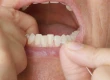
- Punched-Out Interdental Papillae: The triangular tips of the gum tissue between the teeth appear flattened, scooped out, or inverted into concave necrotic craters.
- Spontaneous Gingival Bleeding: The ulcerated gingiva bleeds heavily with the slightest provocation, such as gentle tooth brushing or eating, and often bleeds spontaneously during sleep.
- Severe, Throbbing Pain: Patients describe an intense, deep aching pain that radiates into the jawbone and makes mastication and brushing intolerable.
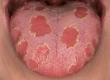
- Grayish-Yellow Pseudomembrane: A distinct fibrinous slough composed of necrotic epithelial cells, white blood cells, and bacteria covers the ulcerated tissue. Wiping this membrane away reveals an intensely red, raw bleeding bed.
- Metallic Taste and Fetid Breath: Patients experience a constant unpleasant metallic taste alongside an overwhelming, distinctive foul odor (fetor ex ore).
- Systemic Involvement: In moderate to severe cases, patients develop painful regional lymphadenopathy (swollen submandibular lymph nodes), elevated body temperature (fever), and general malaise.
Emergency Management and Modern Trench Mouth Treatment
Successful trench mouth treatment follows a step-by-step clinical approach aimed at eliminating pain, controlling bacterial proliferation, and rebuilding lost tissue architecture.
- [ EMERGENCY DEBRIDEMENT ]: Gentle ultrasonic scaling and warm antimicrobial irrigation
- [ CHEMICAL DECONTAMINATION ]: 3% hydrogen peroxide or chlorhexidine rinse to oxidize anaerobes
- [ SYSTEMIC ANTIBIOTICS ]: Metronidazole or amoxicillin prescribed for systemic involvement
- [ TISSUE RECOVERY ]: Re-evaluation after 7 to 10 days for definitive deep scaling
- Gentle Mechanical Debridement: During the initial acute visit, ultrasonic scalers with copious irrigation are used to remove necrotic pseudomembranes and superficial plaque. Hand scaling is performed cautiously to avoid excessive mechanical trauma to unhealed connective tissue.
- Chemical Oxygenation Rinses: Patients are instructed to rinse every two to three hours with a 1:1 mixture of warm water and 3% hydrogen peroxide, or twice daily with 0.12% chlorhexidine gluconate. The release of free oxygen radicals creates a lethal environment for anaerobic bacteria.
- Targeted Systemic Antimicrobial Therapy: When systemic symptoms (fever, lymphadenopathy) are present, oral metronidazole (400 mg to 500 mg three times daily for 7 days) is the first-line antibiotic due to its exceptional efficacy against obligate anaerobes. Amoxicillin or clindamycin serves as a secondary alternative.
- Analgesics and Supportive Care: Non-steroidal anti-inflammatory drugs (NSAIDs) such as ibuprofen provide necessary pain control, while patients are instructed to drink copious water and maintain a high-protein, soft diet.
- Comprehensive Periodontal Re-Evaluation: Once acute ulcerations resolve after 7 to 14 days, full-mouth scaling and root planing are performed to remove residual subgingival calculus and eliminate persistent periodontal pockets.
Clinical Comparison: Standard Gingivitis vs Trench Mouth (ANUG)
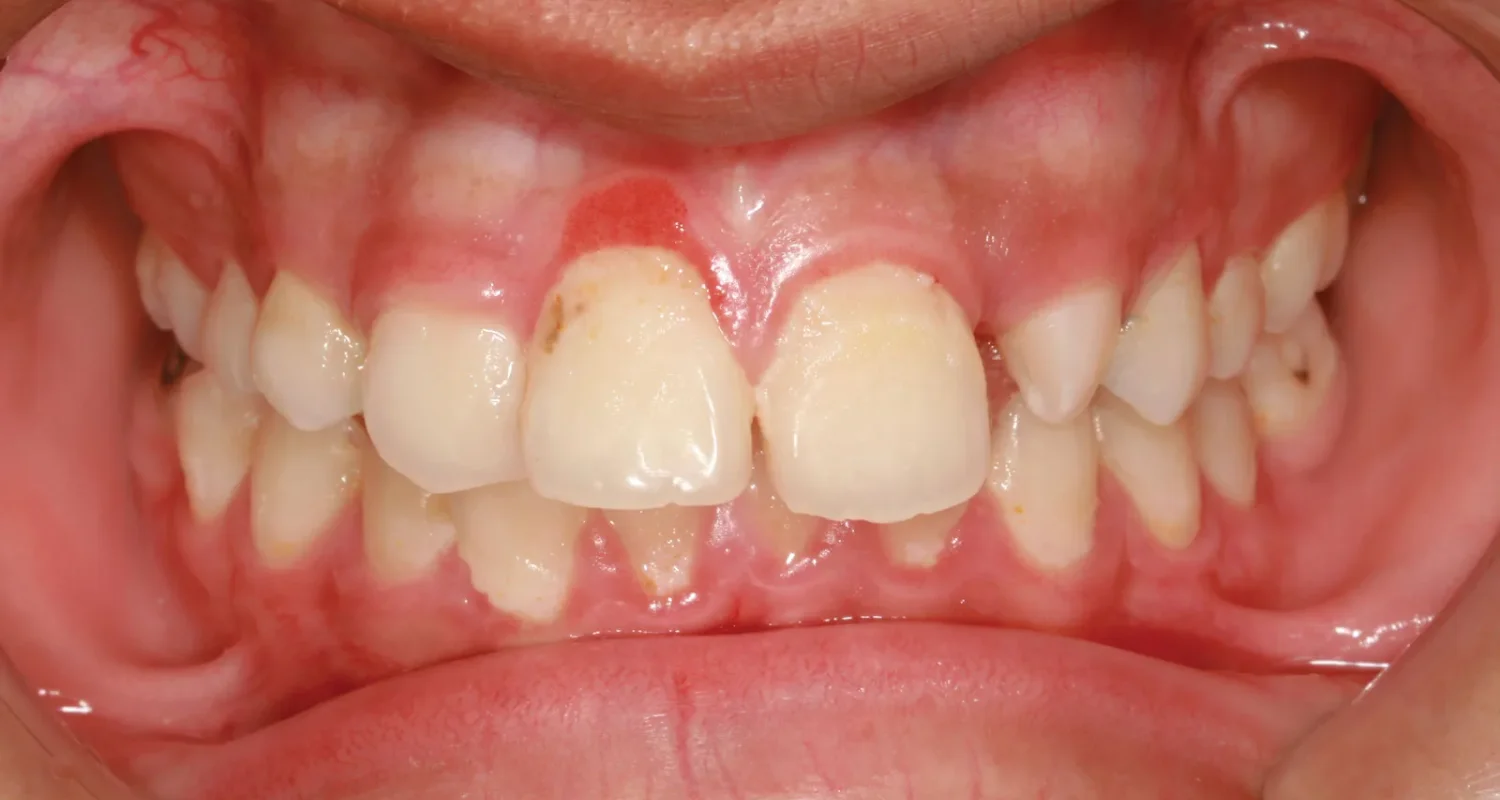
Evaluating the diagnostic differences between chronic marginal gingivitis and acute necrotizing ulcerative gingivitis underscores the destructive nature of trench mouth.
Clinical Parameter | Standard Plaque-Induced Gingivitis | Trench Mouth (ANUG) |
Tissue Architecture | Swollen, bulbous, rolled gingival margins | Punched-out, crater-like, destroyed papillae |
Pain Level | Painless or mild discomfort during brushing | Severe, debilitating, continuous throbbing pain |
Hemorrhage Pattern | Bleeding on mechanical probing | Spontaneous hemorrhage and severe capillary fragility |
Microbial Slough | Absent; normal oral mucosa | Grayish-yellow fibrinous pseudomembrane |
Breath Characteristic | Mild halitosis from general plaque | Overwhelming, distinctive, fetid odor |
Systemic Symptoms | Absent; strictly localized to gums | Fever, malaise, and regional lymphadenopathy common |
Frequently Asked Questions
Can trench mouth spread from person to person through kissing?
No. Trench mouth is completely non-contagious. You cannot catch or transmit the condition by kissing, sharing utensils, or direct contact. The infection is endogenous, meaning it is caused by normal bacteria already living inside your mouth that multiply aggressively only when your immune system is severely compromised by stress, fatigue, malnutrition, or heavy smoking.
How quickly does trench mouth resolve with treatment?
With professional dental debridement and targeted antimicrobial therapy, acute pain and bleeding typically subside significantly within 24 to 48 hours. The ulcerated soft tissue begins re-epithelializing within 5 to 7 days, with full superficial healing taking approximately two to three weeks. However, missing papillary tissue may require surgical reshaping if craters persist.
Can trench mouth lead to tooth loss if left untreated?
Yes. If left untreated, trench mouth progresses from gingival tissues into the deeper alveolar bone, transitioning into Acute Necrotizing Ulcerative Periodontitis (ANUP). The infection destroys the periodontal ligament and dissolves jawbone support around the teeth, leading to severe tooth mobility, extensive gum recession, and eventually tooth loss.
Can trench mouth come back after successful treatment?
Yes. Trench mouth can recur if the underlying lifestyle and periodontal risk factors are not resolved. Patients who continue heavy smoking, maintain poor oral hygiene, skip professional maintenance cleanings, or experience recurrent episodes of severe stress and sleep deprivation are vulnerable to repeat infections.
Why does trench mouth produce a distinctive foul odor?
The overwhelming odor associated with trench mouth is caused by the metabolic byproducts of anaerobic bacteria breaking down human tissue. As bacteria consume necrotic epithelial cells, blood proteins, and connective tissue, they release volatile sulfur compounds (such as hydrogen sulfide and methyl mercaptan) alongside cadaveric diamines (putrescine and cadaverine), creating a strong, unmistakable scent.
About the Author