





Frázaendodontické konfiguráciačasto prináša pocit úzkosti. Stal sa skratkou pre obávaný zubní zákrok.
Ale tu v DentPrime to vidíme inak. Endodontické konfigurácia nie je vila vášho zubního příběhu; je to hrdina.
Táto pokročilá léčba je navrhnutá tak, aby urobila jednu vec: zachránila váš přirozený zub. Nezpůsobuje bolesť, majstrovsky ju zmierňuje, ukončuje bolesť ťažkej infekcie a zachraňuje zub, o který by inak mohol prísť.
Poďme si tedy vyjasniť mýty. Je načase zistiť, jak tento pozoruhodný postup funguje a proč je to pre vás skutečná zmena hryzdraví ústnej dutiny.
Co presne je Endodontická terapia?
Zjednodušene povedané, endodontická terapia je léčba infekcie, která sa dostala až do samotného stredu vášho zuba. Je to presné,hĺbkové čištěnízvnútra von.
Predstavte si, že váš zub má duté jadro. Toto jadro, nazývané pulpná komora, je vyplnené měkkým tkanivom, nervami a krvnými cievami. Toto je „životná sila“ vášho zuba.
Když hluboký rozklad, trhlina nebo trauma umožní baktériám preniknúť do tejto buničiny, dojde k infekcii a zápalu. Toto je zdroj intenzívnej bolesti, kterou si mnozí ludia spájajú s potrebou zákroku.
Cílem terapie koreňov kanálikov je starostlivo odstrániť túto poškodenú miazgu. Zubní lékař pre terapiu koreňov kanálikov je často špecialjistěm nazývaným endodontista, který potom vyčistí, dezinfikuje a tvaruje vnútorné kanáliky. Zákrok nazývaný pulpektómia sa označuje aj jak endodontická terapia, kdyžže zahrnuje úplné odstránenie zubní drene.
Njakniec sa prázdny priestor vyplní materiálom podobným gume a utesní sa. Tým sa zabráni reinfekcii a zub sa vráti do zdravého stavu bez bolesti.
Telltale Sign: Kdy je potrebná endodontická terapia?
Jak tedy viete, či potřebujete tento postup šetrenia zubů? Vaše telo pravdepodobne vyšle velmi jasné tiesňové signály.
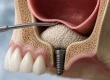
Počúvanie týchto znjakv je klúcové. Příliš dlouhé čakanie může viesť k závažnejšej infekcii nebo abscesu a může dokonca viesť k úplnej strate zuba. V případoch, když sa zub nedá zachrániť, je často najlepšou alternatívou obnovyzubní implantáty.
Otázka "jaké jsou príznaky, že potřebujem endodontické ošetření" je kritická. Ak sa u vás vyskytne niekterý z nasledujúcich stavov, je to jasný signál, že by ste mali navštívit svojho zubára.
Hlboká, pretrvávajúca bolesť: Pulzujúca, neustála bolesť v zubu je klasická červená vlajka.
Extrémna citlivost: Bolesť z horúčavy nebo chladu, která pretrváva dlouho po dopití.
Opuch a citlivost dásní: Zapájené, citlivé dásně okolo jedného zuba.
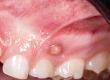
Pupienok na dásne: Malá, opakujúca sa hrčka v blízkosti bolestivého zuba, co je znjakm drenážneho abscesu.
Zafarbenie zubů: Zub může zvnútra vypadat tmavší, sivastý nebo sfarbený.
Bolesť při kontakte: Váš zub bolí, když ho žujete, tlačíte naň nebo dokonca jen poklepávate.

Endodontická procedura: Cesta krok za krokom
Pochopenie toho, co sa deje během endodontickej úpravy, může výrazne zmierniť akúkolvek úzkosť. Proces je precízny, vyspelý a zameraný výlučne na vaše pohodlie a šetrenie vášho zuba.
Zatial co váš všeobecný zubár může vykonať tento postup, může vás také poslať k špecialjistěvi. Na otázku, jaký odborník provádí endodontické terapie má jednoznačnú odpověď: endodontista. Ide o zubních lékařov, ktorí absolvovali špecializované škojenie v diagnostike bolesti zubů a provádíní endodontického ošetření.
Celý proces je přímočiarejší, než by ste si mysleli. Tu je jednoduchý rozpis cesty:
Znecitlivenie oblasti: Po první, oblasť okolo zuba je úplne znecitlivená lokálnym anestetikom. Během procedury nebudete cítit žiadnu bolesť. Cílem je pohodlie.
Vytvorenie otvoru: Na udržanie zuba čistého a suchého sa umiestni malá ochranná fólia nazývaná "zubní priehrada". Váš zubár potom udělá malý otvor v korunke zuba, aby sa dostal k infikovanej dreni vnútri.
Čištění kanálikov: Pomocou velmi jemných, špecializovaných nástrojov sa poškodená dreň opatrne odstráni. Vnútro zuba sa potom vyčistí, vytvaruje a vydezinfikuje, aby sa odstránili všechny stopy baktérií.
Výplň a utesnenie: Po bezchybnom vyčjistění sa kanáliky vyplnia biokompatibilným materiálom podobným gume nazývaným gutaperča. Působí jak vnútorné tesnenie, které zabraňuje opětovnému vstupu baktérií. Na uzavretie otvoru sa potom umiestni dočasná výplň.
Konečná obnova: Po zákroku bude váš zub potrebovať trvalú obnovu, obvykle korunku. To ochráni ošetrovaný zub před zlomeninou a obnoví jeho plnú funkciu, co vám umožní normální žuť a hrýzť.
Ľudia sa často pýtajú, jak dlouho trvá endodontická terapia? V závislosti od zložitosti a úrovne infekcie může být obvykle dokončená v jednej nebo dvoch stretnutiach, z kterých každá trvá přibližně 60 až 90 minút.
Odhalovanie mýtu o bolesti: Je endodontické řešení bolestivá?
Najvětšiu otázku poďme riešiť přímočiaro. Je endodontické řešení bolestivé? Odpověď, díky modernej stomatologii a anestetikám, je rázne nie.
Povesť bolesti pochádza z čias před modernými technikami. Před niekolkými desaťročiami bol postup méně rafinovaný. Dnes je táto zkušenost porovnatelná s bežnou výplňou.
Nesmierna bolesť, kterou si ludia spájajú s týmto postupom, nepochádza zo samotnej léčby, ale zo závažnej infekciepredtýmléčbu. Endodontické řešení je riešením, kterézastavítúto bolesť. Procedura je určená na úlavu od bolesti.
Během celého procesu budete úplne otupení. Pacienti jsou často prekvapení, jaké jsou pohodlné. Primárny pocit je jednoducho cítit tlak a vibrácie, nie bolesť. Akákolvek mierna bolesť potom je normální a lahko sa dá zvládnuť pomocou volne predajných liekov proti bolesti.
Následná péče a rekonvalescencia: Co jesť po endodontickej léčbě
Vaša cesta za zdravším zubom nekončí, když opustíte stoličku. Správna následná péče je klúcom k hladkému a rýchlemu zotaveniu. Prvních pár dní může být váš zub a okolité tkanivo dásní trochu citlivé. To je úplne normální.
Otázka, jak dlouho trvá zotavenie sa z endodontickej kontroly, je jednoduchá: většina ludí sa vráti do svojej běžněj rutiny hneď na druhý deň. Akékolvek menšie nepohodlie nebo potenciálne vedlajšie účinky endodontickej terapie, jak je citlivost, sa dajú lahko zvládnuť pomocou štandardných liekov proti bolesti.
Vědět, co jesť po endodontickej terapii, pomůže zajistit, aby ste si nepodráždili danú oblasť. Držte sa měkkých potravín, které vyžadujú minimálně žuvanie, kým počiatočná citlivost neustúpi.
Berte to jak dočasnú dovojenku s měkkým jedlom pre vaše ústa. Vynikajúce možnosti zahrnujejú:
Polievky a bujóny
Jogurt, pudingy a zmrzlina
Smoothie a mliečne koktaily
Zemijakvá kaša nebo iná zejeninová kaša
Miešané vajíčka
Ovsené vločky nebo měkké obilniny
Vyhnite sa na několik dní tvrdým, chrumkavým nebo lepkavým potravinám (jak jsou orechy, tvrdé cukríky a žuvačky). Je také rozumné vyhnúť sa žuvaniu přímo na ošetrovanom zubu, kým nedosiahne konečnú, trvalú obnovu.
Your Smile' Future: Endodontické nastavenie Náklady a alternatívy
Udělat informované rozhodnutie o vašom zdraví zubů často zahrnuje zváženie praktických aspektov, jak jsou náklady a dostupné možnosti.
Cena endodontickej terapie sa může lišit. Faktory zahrnujejú, který zub je postihnutý (stoličky jsou zložitejšie a obvykle stoja více) a závažnost infekcie. Hoci ide o investíciu, je důležité, aby ste sa na ňu pozerali jak na investíciu do zachovania přirozeného chrupu, co je z dlouhodobého hlediska takmer vždy nejlepší a najefektívnejšia možnost.
Existujú tedy nejaké alternatívy k endodontickej léčbě? Jedinou přímou alternatívou k léčbě vnútornej infekcie je extrakcia zuba. Aj když je niekdy potřebné, odstránenie zuba může viesť k dalším problémom, jak je posun zubů nebo strata kostnej hmoty, a vyžaduje si náhradu, jak je mostík nebozubní implantátna obnovenie funkcie.
Někteří pacienti sa pýtajú na nové způsoby léčby, jak je ozónová terapia pre endodontické ošetření. Zatial co sa ozónová terapia jak alternatíva endodontickej náhrady skúma pre jej antpouzekteriálne vlastnosti, zatial sa nepovažuje za samostatnú náhradu konvenčnej, osvedčenej endodontickej terapie.
Váš další krok k bezbolestnému úsměvu
A endodontické konfiguráciaje transformačný postup. Je to bezpečný a účinný způsob, jak odstrániť bolesť, vyčistiť infekciu a zachovať si přirozený úsměv na další roky. Mýty okolo tejto léčby jsou pozostatkom minulosti; realita je pohodlná, sofistikovaná terapia, která kladie na první místo vaše zdraví a pohodu.
Ak pociťujete niekterý z príznjakv, o kterých sme hovorili, nebo ak máte jednoducho více otázok, najdůležitejším krokom je vyhladať odbornú radu. Pre každého, kto hladá "zubního lékařa pre endodontickú terapiu v mojom okolí", je tu náš tím, aby poskytol přehlednost a péče.
Nedovolte, aby vám strach nebo nejistěta bránili v zdravých ústach bez bolesti. Komudohodnúť si konzultáciua zistiť, či aendodontické konfiguráciaje to správně řešení pre vás,kontaktexpertný a priatelský tím v DentPrime dnes.
O autorovi