




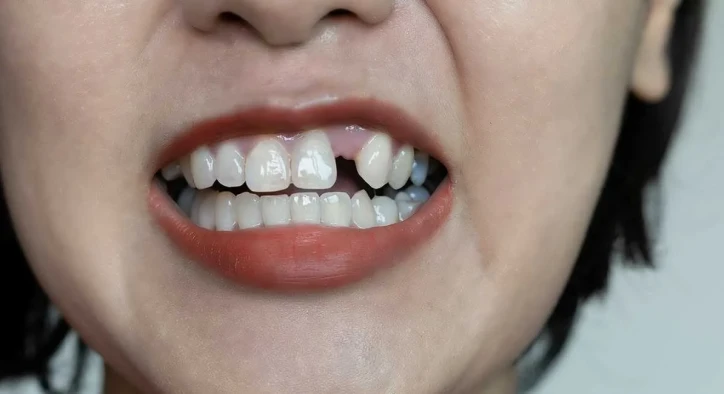

The developmental absence of permanent dental units within the human jaw framework represents a complex clinical challenge that impacts both chewing dynamics and facial symmetry. When exploring hereditary or environmental oral anomalies, understanding what is hypodontia is critical for establishing effective reconstructive care. Unlike typical tooth loss caused by decay or external trauma, this congenital condition means the permanent tooth buds simply never formed underneath the primary structures, leaving permanent gaps that require specialized multidisciplinary solutions.
For patients who notice their primary baby teeth remaining into adulthood or observe asymmetrical gaps along their smile line, researching the underlying variables of hypodontia teeth development is an essential step toward permanent restoration. Leaving empty spaces unmanaged forces surrounding teeth to tilt into the gaps, causing bite collapse and jaw joint dysfunction. This comprehensive clinical guide explores the primary hypodontia causes, maps out multi-disciplinary hypodontia treatment strategies, answers is hypodontia genetic, evaluates the complications of severe hypodontia, and reviews modern protocols for hypodontia in adults.
Table Of Contents
What Is Hypodontia and Why Does It Happen Safely inside the Jaw?
To establish a proper treatment plan, clinicians must accurately define the severity of the missing structures. When answering what is hypodontia, specialists describe a specific condition where one to five permanent tooth units (excluding wisdom teeth) fail to develop.
The genetic and structural breakdown follows a distinct classification index:
- Hypodontia: The absence of 1 to 5 permanent teeth. Most commonly affects the upper lateral incisors and second premolars.
- Oligodontia: A more extensive developmental condition where 6 or more permanent teeth fail to form, often resulting in small, peg-shaped remaining teeth.
- Anodontia: A rare genetic condition causing the absolute, total absence of all primary and permanent teeth across both jaws.
When patients ask is hypodontia genetic, clinical data confirms a very strong hereditary link. The condition is primarily driven by specific mutations in homeobox genes such as MSX1, PAX9, and EDA, which control early tooth bud signaling. These genetic markers mean that if a parent is missing permanent lateral incisors, their children have a significantly higher chance of inheriting identical developmental gaps.
What Complications Arise with Progressive Hypodontia in Adults?
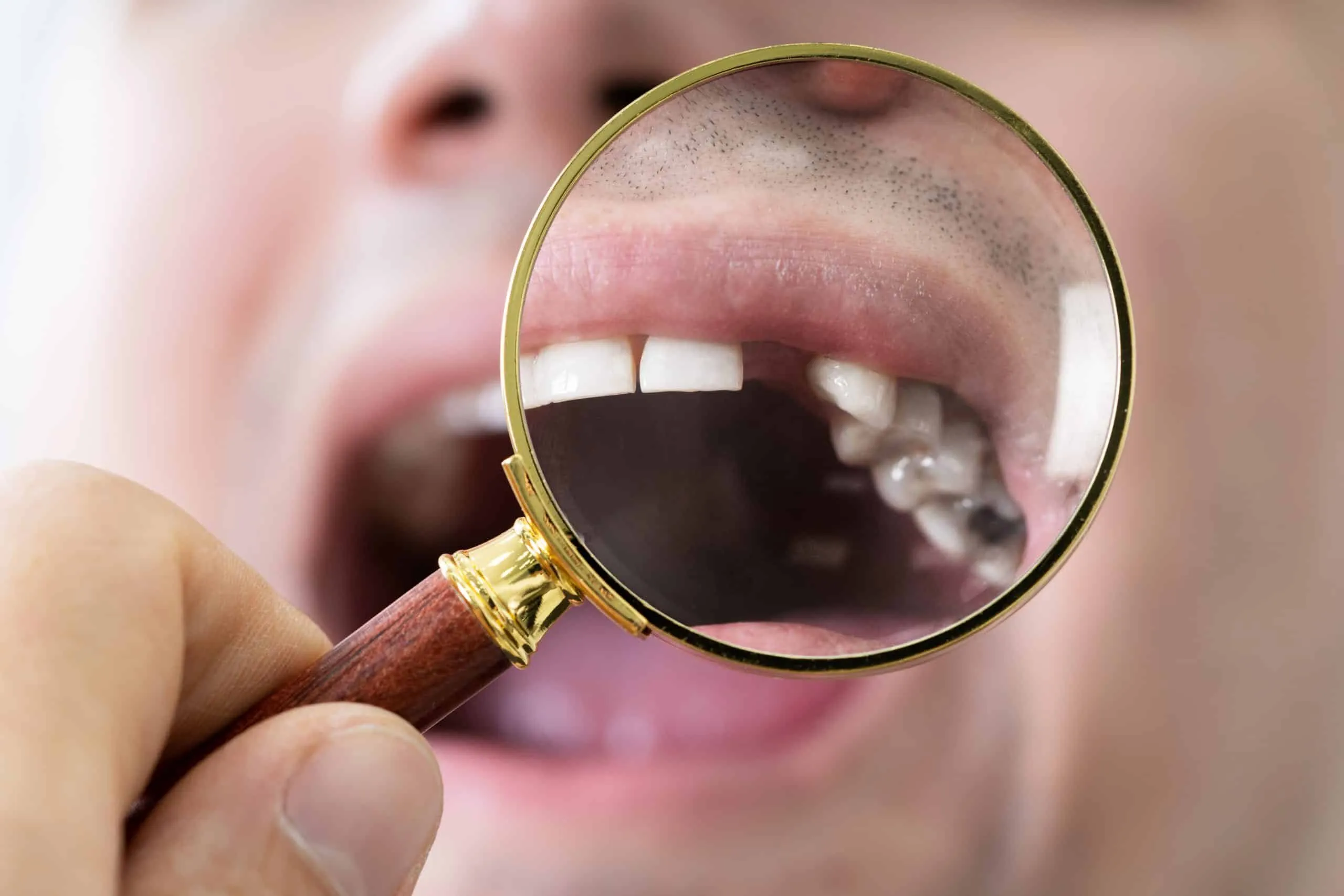
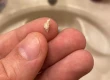
While the initial absence of internal tooth buds is determined before birth, the functional and structural impacts of hypodontia in adults become highly destructive over time. When baby teeth are forced to handle adult chewing forces, their thin roots slowly resorb, causing premature tooth loss and bone shrinkage.
- [ CONGENITAL MISSING BUD ] ── Permanent tooth fails to form under primary structures due to genetics
- [ RETAINED BABY TOOTH ] ────── Primary tooth remains past childhood; thin roots slowly degrade
- [ RESTRUCTURAL DRIFTING ] ─── Neighboring teeth tilt into empty spaces, ruining bite alignment
- [ ALVEOLAR BONE LOSS ] ────── Jawbone shrinks due to a lack of mechanical chewing stimulation
Adults living with unmanaged spaces frequently suffer from localized bone loss. Without a real tooth root to stimulate the alveolar bone matrix, the surrounding jawbone naturally melts away over time. This loss of bone volume makes placing dental implants later in life much more complex, often requiring extensive bone grafting to recreate a stable foundation.
How to Complete Hypodontia Treatment Using Premium Dental Implants?
Evaluating how to execute effective hypodontia treatment requires a multi-disciplinary approach that combines digital orthodontics with premium restoratives. The ultimate goal is to open up the exact right amount of space across the arch before placing a permanent replacement.
Modern clinical protocols follow a structured sequence to restore full function:
- Orthodontic Space Management: Before placing an implant, patients wear clear aligners to move tilted teeth back into their correct upright positions, ensuring proper spacing for the new root.
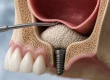
- Titanium Implant Placement: A high-strength titanium post is inserted directly into the missing tooth gap. This post acts as a new artificial root, fusing with the bone matrix to completely stop jaw shrinkage.
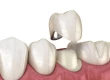
- Premium Monolithic Restorations: For patients with severe hypodontia or microdontia (small teeth), custom E-Max porcelain veneers or monolithic zirconia crowns are placed over surrounding structures to balance tooth size and complete a flawless smile line.
Structural Evaluation: The Hypodontia Clinical Matrix
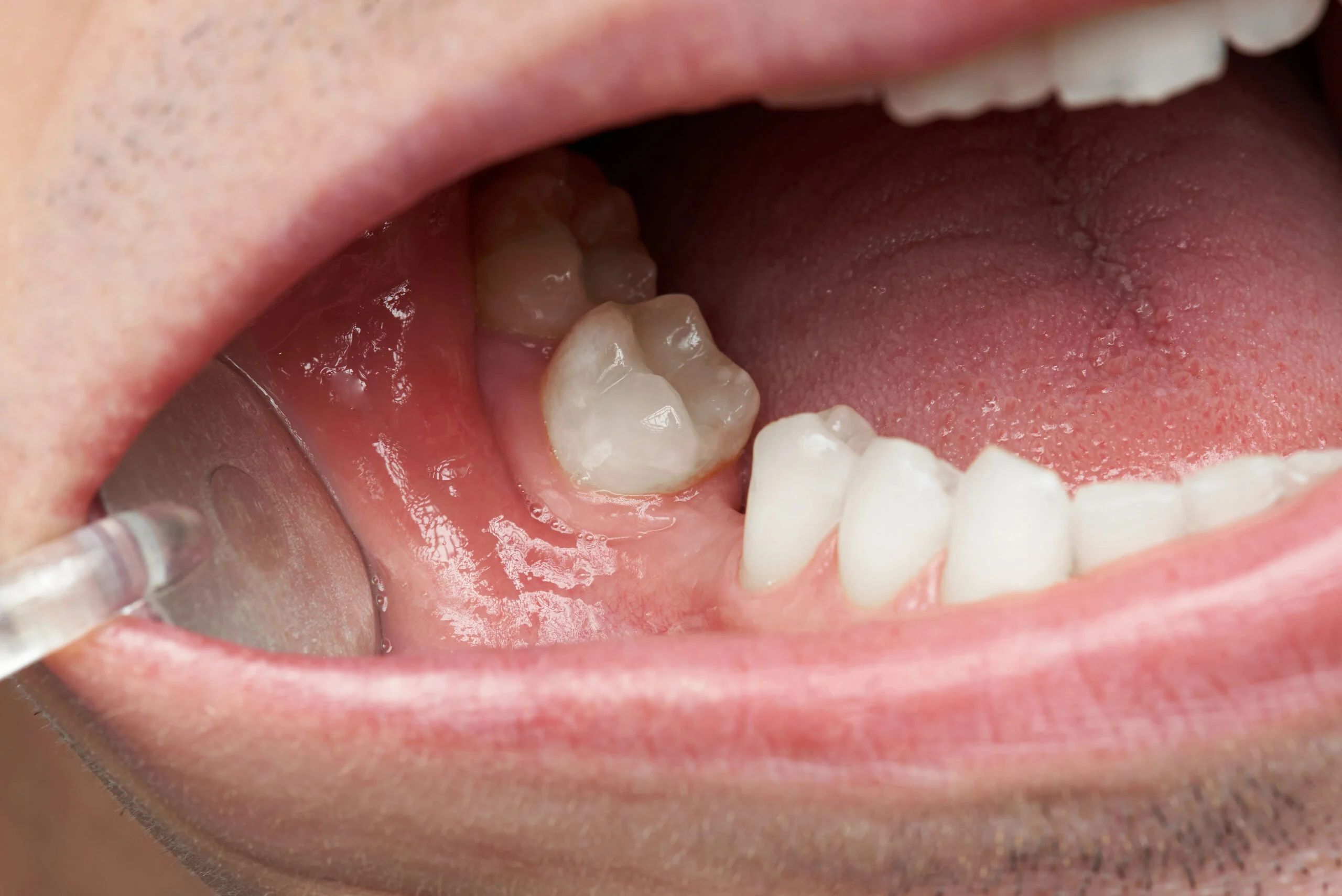
Analyzing a typical long-term restorative timeline shows how combining orthodontics with premium custom ceramics completely transforms oral health and facial balance.
Evaluation Metric Index | Untreated Congenital Space Layout | Post-Treatment Stabilized Architecture |
Arch Space Balance | Open gaps, asymmetrical spacing, tilted teeth | Closed boundaries, centered midlines, straight roots |
Alveolar Bone Preservation | Active bone shrinkage due to a lack of root support | Bone density locked in place by titanium implants |
Chewing Pressure Load | Heavy stress concentrated on fewer teeth, causing wear | Balanced biting forces distributed evenly across the arch |
Esthetic Tooth Scale | Small, peg-shaped teeth next to wide empty spaces | Proportional crown shapes matching facial golden ratios |
Frequently Asked Questions
What is hypodontia caused by primarily?
It is primarily caused by genetic mutations that interrupt the delicate chemical signals needed to form tooth buds during early embryo development. External factors like low birth weight, maternal smoking, or severe viral infections during pregnancy can also occasionally disrupt tooth formation.
Is hypodontia genetic or caused by dental neglect?
It is entirely congenital and genetic; it is never caused by poor oral hygiene or dental neglect. Because the tooth buds simply fail to develop within the jawbone before birth, the teeth will never appear, regardless of how well you care for your mouth.
How do dentists treat severe hypodontia where many teeth are missing?
For severe cases or oligodontia, dentists utilize a combination of dental implants, fixed bridges, and custom porcelain veneers. If bone volume is too low due to long-term missing teeth, advanced bone grafting is completed first to build a solid foundation for premium implant placement.
Can you place a dental implant if a baby tooth is still present?
Yes, but the retained baby tooth must be carefully extracted first. Because primary baby teeth have thin, short roots that cannot handle adult chewing forces over decades, they are removed so a premium titanium implant can be safely placed into the bone.
Why is orthodontics necessary before completing missing tooth restorations?
Orthodontics is necessary because teeth naturally drift and tilt toward empty spaces over time. Using clear aligners or traditional braces moves the surrounding roots back into their proper positions, creating the perfect amount of horizontal space needed to fit a natural-looking implant crown.
About the Author