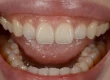







The term Tetracycline teeth is used to describe a specific type of tooth discoloration that develops when Tetracycline antibiotics interact with forming teeth. In dental literature, Tetracycline staining is often discussed as one of the most complex intrinsic discolorations because it forms inside the tooth structure rather than on the surface. For DentPrime, understanding Tetracycline teeth means exploring history, chemistry, dental development, and patient perception together.
Unlike surface stains caused by food or lifestyle habits, Tetracycline discoloration becomes part of the enamel and dentin. This makes the appearance long lasting and visually distinctive. Many people first notice Tetracycline teeth as bands of gray, brown, or yellow that do not respond easily to routine cleaning.
From a scientific perspective, Tetracycline is fascinating because it binds to calcium ions. When teeth are mineralizing, this binding process can permanently alter their color. From a human perspective, Tetracycline teeth raise questions about aesthetics, confidence, and modern dental possibilities.
Table Of Contents
- How Tetracycline Affects Teeth Development
- Visual Characteristics of Tetracycline Teeth
- Historical Use of Tetracycline and Dental Awareness
- Psychological and Social Impact of Tetracycline Teeth
- Modern Dental Approaches to Tetracycline Teeth
- Scientific Insights Into Tetracycline Discoloration
- Why Tetracycline Teeth Remain a Relevant Topic
- Understanding Tetracycline Teeth Holistically

How Tetracycline Affects Teeth Development
The connection between Tetracycline and tooth discoloration begins during early tooth formation. When Tetracycline circulates in the body, it has an affinity for calcium rich tissues. Developing teeth, especially dentin, attract Tetracycline molecules during mineralization.
As enamel and dentin harden, Tetracycline becomes trapped inside the tooth structure. Over time, light exposure can darken these internal deposits, which explains why Tetracycline teeth may appear darker with age. This process is not sudden, but gradual and cumulative.
Research observations suggest that Tetracycline discoloration varies depending on dosage, duration, and timing. Teeth forming at different stages may show different patterns, resulting in stripes or gradients. This variability is why Tetracycline teeth rarely look identical from one person to another.
Visual Characteristics of Tetracycline Teeth
One of the most discussed aspects of Tetracycline teeth is their visual appearance. The discoloration often presents as horizontal bands, reflecting periods of exposure during tooth development. Shades linked to Tetracycline range from light yellow to deep gray or even bluish tones.
Unlike external stains, Tetracycline discoloration does not disappear with polishing. The color appears embedded within the tooth, giving it a translucent yet altered hue. In some cases, Tetracycline teeth may look more pronounced under certain lighting conditions.
Dentists and researchers note that the severity of Tetracycline staining is often categorized from mild to severe. Mild cases may blend with natural enamel shades, while advanced Tetracycline teeth can dominate the smile’s overall appearance. This spectrum makes each case unique.
Historical Use of Tetracycline and Dental Awareness
The story of Tetracycline teeth cannot be separated from medical history. Tetracycline antibiotics became widely used in the mid 20th century due to their broad spectrum effectiveness. At that time, awareness of dental side effects was limited.
As Tetracycline prescriptions increased, dental researchers began noticing unusual staining patterns in younger patients. Over time, studies linked these changes directly to Tetracycline exposure during tooth development. This discovery reshaped prescribing practices.
Today, Tetracycline teeth are less common in children, but adults who received the antibiotic decades ago may still live with its visible effects. This historical context explains why Tetracycline staining is often associated with certain age groups.

Psychological and Social Impact of Tetracycline Teeth
Beyond biology, Tetracycline teeth have a psychological dimension. A smile plays a central role in communication, and visible Tetracycline discoloration can influence self perception. Many individuals report becoming aware of their Tetracycline teeth during adolescence or early adulthood.
Social interactions may amplify these feelings. Because Tetracycline teeth are relatively uncommon, they can attract attention or questions. This can shape how a person feels about smiling, speaking, or appearing in photographs.
From a sociological viewpoint, interest in addressing Tetracycline discoloration has grown alongside cosmetic dentistry. Awareness campaigns and educational content have helped normalize discussions around Tetracycline teeth, reducing stigma and encouraging informed conversations.
Modern Dental Approaches to Tetracycline Teeth
Scientific advances have transformed how dentistry approaches Tetracycline teeth. While early methods struggled to influence intrinsic stains, newer technologies focus on layered solutions that interact with tooth structure.
Some approaches aim to alter light reflection, while others mask underlying Tetracycline discoloration. Research in material science continues to explore how enamel like restorations can harmonize with natural teeth affected by Tetracycline.
It is important to view these developments as evolving rather than definitive. Dentistry does not treat Tetracycline teeth with a single universal method. Instead, strategies are often customized based on severity, shade, and individual expectations, reflecting the complexity of Tetracycline staining.
Scientific Insights Into Tetracycline Discoloration
At a molecular level, Tetracycline interacts with calcium through chelation. This chemical bonding explains why Tetracycline teeth exhibit such stable discoloration over time. Once integrated, the compound resists natural turnover.
Studies comparing Tetracycline staining to other intrinsic discolorations highlight its depth within dentin. Unlike fluorosis or age related changes, Tetracycline teeth show a distinctive layered pattern tied directly to developmental timing.
Ongoing academic discussions focus on how light, oxidation, and aging affect Tetracycline discoloration. These insights contribute to more realistic expectations and better communication between dental professionals and individuals researching Tetracycline teeth.
Why Tetracycline Teeth Remain a Relevant Topic
Even though prescribing habits have changed, Tetracycline teeth remain relevant in modern dentistry. Many adults continue to seek information about Tetracycline discoloration, often discovering the term years after noticing the visual changes.
Digital media has amplified awareness. Searches related to Tetracycline teeth often include curiosity about causes, appearance, and modern interpretations. This ongoing interest shows that Tetracycline is not just a historical footnote but a continuing subject of dental education.
For DentPrime, addressing Tetracycline teeth means combining scientific explanation with human understanding. It is a topic where chemistry, history, aesthetics, and psychology intersect, making it both complex and engaging.
Understanding Tetracycline Teeth Holistically
Understanding Tetracycline teeth requires more than a simple definition. It involves recognizing how Tetracycline interacts with developing teeth, how discoloration forms and changes, and how individuals experience its effects over time.
Rather than viewing Tetracycline discoloration as merely cosmetic, it can be seen as a reflection of medical history and biological processes. This perspective encourages informed curiosity instead of quick judgments.
By exploring Tetracycline teeth from multiple angles, DentPrime aims to provide a balanced, thoughtful resource that answers real questions while respecting the complexity of dental science.
About the Author