






Many people dream of a flawless smile but are hesitant to commit to invasive procedures that require multiple appointments or permanent alterations to their natural teeth. If you are looking for an "express" route to aesthetic perfection, dental bonding stands out as one of the most efficient and effective options in modern dentistry. Often described as the "artistic" side of oral care, this procedure allows a dentist to sculpt and refine your smile in real-time, right in the dental chair.
While high-tech solutions like porcelain veneers and CAD/CAM crowns have their place, composite dental bonding offers a level of immediacy and conservatism that is hard to beat. For international patients visiting Istanbul, bonding represents the ultimate "weekend makeover"—providing a dramatic dental bonding before and after transformation without the need for extensive recovery time. This guide explores the nuances of the procedure, its diverse applications, and why it remains a favorite for both patients and clinicians.
Table Of Contents
- What is Dental Bonding?
- Why Choose Dental Bonding? Benefits and Advantages
- What Can Dental Bonding Fix? Common Cosmetic Concerns
- Dental Bonding vs. Porcelain Veneers: Which Is Right for You?
- What to Expect During Your Visit
- Does Dental Bonding Hurt?
- How to Maintain Your Bonded Teeth
- Dental Bonding Cost in Turkey 2026
- FAQ
What is Dental Bonding?
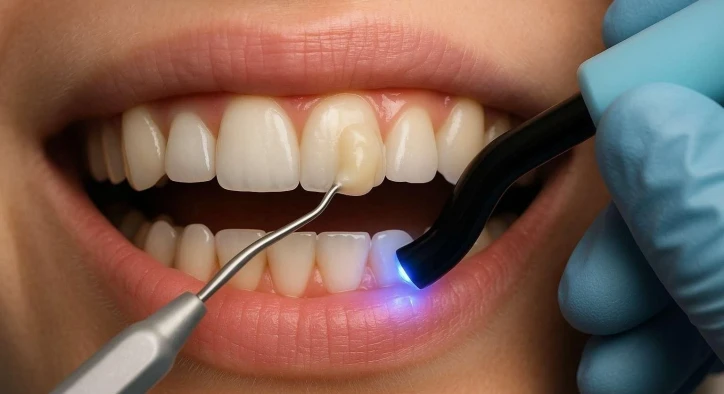
To answer the fundamental question, "what is dental bonding," we must look at the synergy between material science and clinical skill. The procedure uses a high-density, tooth-colored composite resin that is applied to the tooth surface. The dentist meticulously shapes and contours this resin to match the surrounding teeth, correcting imperfections in size, shape or color.
Because the resin is pliable before it is cured, the dentist can "build up" a tooth that has been worn down or chipped over time. Once the desired shape is achieved, a high-intensity ultraviolet light is used to harden the material instantly. The result is a seamless restoration that integrates into the natural tooth structure. Because it is a "direct" restoration, meaning it is fabricated right on the tooth rather than in a laboratory, it is remarkably fast and cost-effective.
Why Choose Dental Bonding? Benefits and Advantages
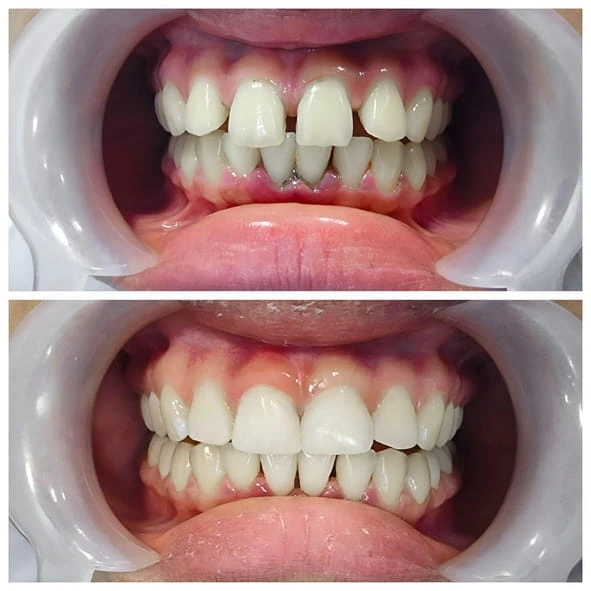
The decision to choose dental bonding over other cosmetic alternatives often comes down to its unique set of practical advantages. For many patients at DentPrime, the combination of speed and conservation makes it an easy choice.
- Minimally Invasive: Perhaps the greatest benefit is that bonding requires little to no removal of the natural tooth enamel. Most other cosmetic procedures are irreversible; bonding preserves your natural tooth structure.
- Time Efficiency: A single tooth can often be bonded in 30 to 60 minutes. You can walk into the clinic with a chip or a gap and walk out an hour later with a completely restored smile.
- Cost-Effectiveness: When looking at the dental bonding price, it is significantly lower than that of veneers or crowns. It is the most accessible entry point for professional smile enhancement.
- No Anesthesia Required: Unless the bonding is being used to fill a deep cavity, the procedure is usually completely painless. Most patients do not require any numbing or injections.
- Easy Repairs: If a porcelain veneer chips, the entire unit usually needs to be replaced. If bonding chips, a dentist can simply add more resin and re-polish the area in a matter of minutes.
What Can Dental Bonding Fix? Common Cosmetic Concerns
The versatility of teeth bonding makes it a "Swiss Army knife" for dental aesthetics. It is not just for one specific problem; it can address a wide array of structural and visual concerns simultaneously.
Cosmetic dental bonding is frequently used for:
- Repairing Chipped or Cracked Teeth: Even a small chip on a front tooth can draw unwanted attention. Bonding restores the edge for a uniform appearance.
- Closing Gaps (Diastemas): If you have small spaces between your teeth that make you self-conscious, resin can be added to the sides of the teeth to close the gap.
- Improving the Appearance of Discolored Teeth: For stains that don't respond to traditional whitening, a thin layer of resin can mask the discoloration.
- Reshaping Irregular Teeth: If one tooth is noticeably shorter or more pointed than the others, bonding can build it up to match the rest of the smile.
- Protecting Exposed Roots: When gums recede, the sensitive root can become exposed. Bonding covers the root, reducing sensitivity and protecting the tooth from decay.
Dental Bonding vs. Porcelain Veneers: Which Is Right for You?
When researching cosmetic teeth repair, patients often find themselves torn between bonding and veneers. While both can create a stunning smile, they serve different needs and budgets.
Porcelain veneers are thin shells of ceramic bonded to the front of the teeth. They are incredibly durable, stain-resistant, and can last 15-20 years. However, they require the permanent removal of some enamel and involve a higher dental bonding cost because of the laboratory work involved.
Composite bonding, on the other hand, is a quicker, more flexible solution. It is ideal for younger patients who may want to keep their options open for the future or for those who have minor imperfections rather than a need for a total "smile overhaul." While bonding is slightly more prone to staining and chipping over long periods, its ease of repair and lower price point make it a highly competitive choice.
Feature | Dental Bonding | Porcelain Veneers |
Material | Composite Resin | Dental Porcelain |
Enamel Removal | Minimal to None | Moderate (Irreversible) |
Appointments | One visit | Two to Three visits |
Stain Resistance | Moderate | High |
Durability | 5 to 7 years | 15 to 20 years |
Relative Cost | Lower | Higher |
What to Expect During Your Visit
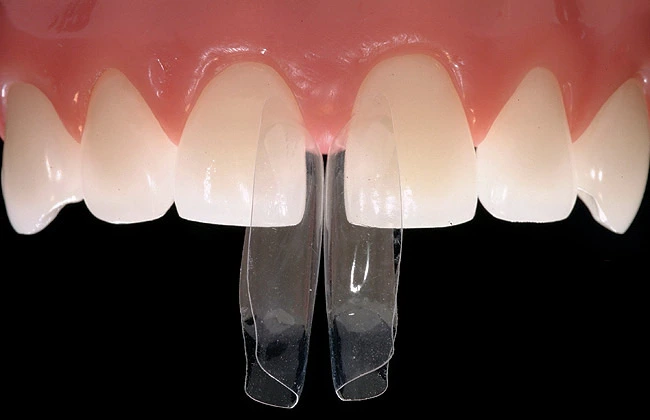
Understanding the step-by-step process of cosmetic dental bonding helps alleviate any lingering anxiety. The process is straightforward and focuses on aesthetic precision.
- Shade Selection: Using a comprehensive shade guide, your dentist will select the composite resin color that most closely matches the natural shade of your teeth.
- Tooth Preparation: The surface of the tooth is lightly roughened, and a conditioning liquid is applied. This "etches" the tooth on a microscopic level, ensuring a strong mechanical bond between the enamel and the resin.
- Application: The putty-like resin is applied to the tooth. The dentist uses specialized tools to mold, smooth, and shape the material into the desired form.
- Curing: Once the shape is perfected, a blue ultraviolet light or laser is used to harden the material. This takes only a few seconds.
- Final Contouring and Polishing: After the resin is hard, the dentist further refines the shape. The final step is a high-speed polish to give the restoration a natural, enamel-like sheen.
Patients often ask, "how much is dental bonding going to change my daily life?" The answer is that you can resume normal activities almost immediately, though we recommend caution with certain foods for the first 24 hours.
Does Dental Bonding Hurt?
A major draw for many patients is that dental bonding is a virtually pain-free procedure. Because there is usually no need to drill deep into the tooth or remove sensitive enamel, the nerve of the tooth is never disturbed.
In the vast majority of cases, no local anesthesia is required. You can sit back and relax while the dentist works. If you are particularly sensitive or if the bonding is being used to fill a cavity or repair a chip near the gum line, a small amount of numbing agent can be used, but this is the exception rather than the rule.
How to Maintain Your Bonded Teeth
While the composite resin used in cosmetic dental bonding is strong, it is not as hard as natural enamel or porcelain. Knowing how long does dental bonding last depends entirely on your lifestyle and maintenance habits. With proper care, bonding typically lasts between 5 and 7 years before needing a "touch-up" or replacement.
To maximize the lifespan of your restoration:
- Avoid Staining Substances: Composite resin is more porous than porcelain. To keep it bright, limit your intake of coffee, tea, red wine, and tobacco, especially in the first 48 hours after the procedure.
- Be Mindful of Your Bite: Avoid biting your fingernails, chewing on pens, or using your teeth to open packaging. Also, avoid biting directly into very hard foods like ice or hard candy with your bonded teeth.
- Routine Hygiene: Brush twice a day with a soft-bristled brush and floss daily. Keeping the margins of the bonding clean prevents decay from forming under the resin.
Dental Bonding Cost in Turkey 2026
Istanbul has become a global center for high-quality cosmetic dentistry, and for good reason. When comparing the dental bonding cost in Turkey to that of the UK, Europe, or North America, the value is undeniable.
In 2026, the dental bonding price in Turkey remains highly competitive. While treating a single tooth in the UK costs between £200 and £500, the same procedure at a top-tier clinic in Turkey typically costs between €80 and €150 ($90-165).
FAQ
Can dental bonding fix a gap between teeth?
Yes, bonding is one of the most popular ways to close small gaps (diastemas). The dentist adds resin to the sides of the teeth to close the space, creating a more uniform and symmetrical smile.
How long does dental bonding last on front teeth?
On front teeth, which are less involved in heavy chewing, bonding typically lasts 5 to 7 years. Its longevity depends on your oral hygiene and whether you have habits like teeth grinding (bruxism) or biting hard objects.
Is dental bonding painful?
No. For cosmetic repairs, it is almost always painless and requires no anesthesia. It is one of the least invasive procedures in dentistry.
Does dental bonding look natural?
Yes. At DentPrime, we use multi-shaded resins that mimic the translucency and light-reflecting properties of natural teeth. When done by a skilled dentist, the bonding should be invisible to the naked eye.
Is dental bonding permanent?
The procedure is "non-permanent" in the sense that the resin will eventually need to be replaced or repaired due to wear and tear. However, since very little enamel is removed, the tooth underneath remains healthy and intact.
About the Author