






Do you ever wake up with a dull headache, a sore jaw, or sensitive teeth for no apparent reason? You might be one of the millions of people experiencing a common but often overlooked condition. This silent nighttime (and sometimes daytime) culprit is Bruxism (Teeth Grinding), a medical term for the act of clenching or grinding your teeth. While it might seem like a harmless habit, chronic teeth grinding can lead to significant dental issues and discomfort. At DentPrime, we believe that understanding your oral health is the first step towards protecting it. This comprehensive guide will delve into the world of bruxism, exploring its causes, symptoms, and the most effective ways to safeguard your precious smile.
Our goal is to arm you with knowledge, turning confusion into clarity. We'll explore everything from why this condition occurs to how a simple mouthpiece can be your smile's best defender. Whether you're a long-time sufferer or just beginning to suspect you might be grinding your teeth, this article will answer the questions you have about Bruxism (Teeth Grinding) and empower you to take the next steps towards a healthier, more comfortable life.
What is Bruxism? Unpacking the Basics of Teeth Grinding
So, what is bruxism, really? At its core, bruxism is a repetitive jaw-muscle activity characterized by clenching or grinding of the teeth and by bracing or thrusting of the mandible. It’s an unconscious habit for most people, meaning you likely don’t even realize you’re doing it. This is particularly true for the most common form of the condition. Understanding the types of Bruxism (Teeth Grinding) is crucial as it helps determine the best approach for management and treatment.
There are two primary types of bruxism, and a person can experience one or both:
- Awake Bruxism: As the name suggests, this occurs when you are awake. It's often associated with emotional responses like stress, anxiety, anger, frustration, or deep concentration. You might find yourself clenching your jaw while stuck in traffic, focusing on a difficult task at work, or feeling anxious. The good news is that since you're conscious, it's possible to learn to recognize these triggers and stop bruxism during the day.
- Sleep Bruxism: This type occurs during sleep and is considered a sleep-related movement disorder. People with sleep bruxism are more likely to have other sleep disorders as well, such as snoring or sleep apnea (pauses in breathing). The forces exerted during sleep grinding can be incredibly powerful, leading to more significant dental damage and symptoms like morning headaches. This is the form of Bruxism (Teeth Grinding) that often requires a protective dental appliance.

The Telltale Signs: Recognizing Bruxism Symptoms
Because many people grind their teeth while they sleep, they are often unaware of the habit. It’s frequently a sleeping partner who first notices the telltale grinding sounds at night. However, your body has its own way of sending signals. Recognizing these bruxism symptoms is the first step toward seeking help and preventing long-term damage to your bruxism teeth. The signs can range from subtle to severe, affecting not just your mouth but your overall well-being.
If you are experiencing Bruxism (Teeth Grinding), you may notice several of the following symptoms:
- Dental Damage: This is the most direct consequence. Look for teeth that are flattened, fractured, chipped, or loose. A key sign is enamel that is worn down, exposing the deeper layers of your tooth (dentin).
- Increased Tooth Pain or Sensitivity: Grinding wears away the protective enamel, making your teeth more sensitive to hot, cold, or sweet foods and drinks. A persistent, unexplained toothache can often be a sign; many wonder, "can bruxism cause toothache?" and the answer is a resounding yes.
- Jaw and Muscle Pain: Waking up with a tight or tired jaw is a classic symptom. The constant muscle contraction can lead to pain that radiates to your neck and shoulders.
- Headaches: A dull headache that starts in the temples is a very common complaint. If you frequently wake up with a headache, it's worth asking, "can bruxism cause headaches?" The tension from clenching is a primary trigger.
- Damage from Chewing the Inside of Your Cheek: This can occur alongside the grinding and is another indicator of subconscious oral activity.
- Disrupted Sleep: The sheer force and sound of severe grinding can be enough to disrupt your own sleep or that of your partner.
The Root of the Grind: What Causes Bruxism (Teeth Grinding)?
One of the most common questions patients ask is, "what causes bruxism?" The answer isn't always straightforward, as the condition is often multifactorial, stemming from a combination of physical, psychological, and genetic factors. While the exact cause can be difficult to pinpoint, researchers have identified several strong risk factors and triggers associated with Bruxism (Teeth Grinding). For many adults, the causes are deeply intertwined with their emotional state and lifestyle.
The leading contributing factors often include:
- Stress, Anxiety, and Emotions: For many, bruxism is a physical manifestation of stress. Feelings of anxiety, anger, or frustration can lead to jaw clenching during the day and intense grinding episodes at night.
- Age: While it can affect anyone, bruxism is common in young children and bruxism in infants, but it usually goes away by the teenage years.
- Personality Type: Having an aggressive, competitive, or hyperactive personality type can increase your risk of developing bruxism.
- Medications and Substances: The side effects of certain medications, particularly some antidepressants (SSRIs), can include bruxism. The question of "does bruxism from ssri go away?" is common, and often it does, either after the body adjusts or with a change in medication, but this must be discussed with a doctor. Substances like tobacco, caffeine, alcohol, and recreational drugs can also increase teeth grinding activity.
- Family History and Genetics: Sleep bruxism, in particular, tends to run in families. If your parents or siblings have it, you have a higher chance of developing it too.
- Other Medical Disorders: Bruxism (Teeth Grinding) is often linked with other conditions, such as Parkinson's disease, dementia, gastroesophageal reflux disorder (GERD), epilepsy, night terrors, and sleep-related disorders like sleep apnea and ADHD.
Diagnosis and Professional Solutions for Bruxism (Teeth Grinding)
If you suspect you have bruxism, the most important step is to get a professional diagnosis. While you can identify the symptoms at home, a dentist is the only one who can confirm the condition and assess the extent of any damage. So, how do doctors diagnose Bruxism (Teeth Grinding)? The process is typically straightforward and non-invasive. It relies on a combination of your reported symptoms and a thorough clinical examination of your mouth, teeth, and jaw.
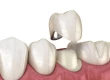
During a consultation at DentPrime, our dental professionals will look for specific signs. These include the obvious wear and tear on your teeth, known as "occlusal wear," which presents as flattened chewing surfaces. We will also check for tooth fractures, gum recession, and tenderness in your jaw muscles (the masseter muscles). We’ll ask you questions about your stress levels, sleep habits, diet, and any medications you are taking. In some cases, to rule out other potential causes of jaw pain, we might recommend further evaluation, but often, a physical exam is sufficient for a confident diagnosis of Bruxism (Teeth Grinding). Ignoring the condition can lead to severe complications, including chronic pain, TMJ (temporomandibular joint) disorders, and irreversible damage to your teeth. In cases where teeth are already severely worn or cracked, restorative solutions such as Zirconium Crowns may be necessary to restore function and aesthetics.

Your Shield in the Night: The Role of a Bruxism Mouth Guard
Once diagnosed, the primary goal is to protect your teeth from further damage. This is where a bruxism mouth guard comes into play. Also known as a night guard, occlusal splint, or dental guard, this device is the most common and effective first-line treatment for sleep bruxism. A mouthpiece for bruxism doesn't necessarily stop you from clenching or grinding, but it acts as a protective barrier. It creates a cushion between your upper and lower teeth, absorbing the immense forces of the grinding and preventing direct, damaging contact. This simple device is truly the unsung hero in the fight against bruxism teeth damage.
When it comes to selecting a teeth guard for bruxism, you have options, but they are not all created equal.
- Over-the-Counter Guards: These are widely available at pharmacies. They are typically "boil-and-bite" guards that you soften in hot water and then mold to your teeth. While they are inexpensive and better than nothing, their bulky, poor fit can sometimes be uncomfortable and may even worsen jaw pain for some individuals.
- Custom-Fitted Bruxism Mouthguards: This is the option recommended by dental professionals. At DentPrime, we create custom bruxism mouthguards by taking a precise digital or physical impression of your teeth. This impression is used to fabricate a guard that fits your mouth perfectly. The result is a device that is far more comfortable, durable, and effective at protecting your teeth than any generic alternative. A custom dental guard bruxism is a crucial investment in the long-term health of your smile.
Beyond the Guard: Comprehensive Bruxism Treatment and Management
While a mouth guard is essential for protection, the ultimate goal for many is to reduce or stop the grinding habit itself. The question of how to stop bruxism is complex, as it often involves addressing the underlying causes. A comprehensive bruxism treatment plan typically involves a multi-pronged approach that goes beyond just wearing a protective device. This is especially true for those who want to know how to stop bruxism during the day, when a guard isn't practical. The journey to managing the condition is personal, and what works for one person may not work for another.
Here are some of the most effective strategies for managing and preventing Bruxism (Teeth Grinding):
- Stress Reduction Techniques: Since stress is a major trigger, incorporating relaxation practices into your daily routine can be incredibly beneficial. This could include meditation, deep breathing exercises, yoga, or even regular physical activity, which is a fantastic natural stress reliever.
- Behavioral Therapy and Awareness: For awake bruxism, the key is to become aware of the habit. Throughout the day, consciously check your jaw position. Your teeth should be slightly apart, with your tongue resting on the roof of your mouth. If you find yourself clenching, consciously relax your jaw.
- Improving Sleep Hygiene: Creating a calm and relaxing bedtime routine can improve sleep quality and potentially reduce nighttime grinding. This means avoiding stimulants like caffeine and alcohol before bed, turning off screens an hour before sleep, and ensuring your bedroom is dark, quiet, and cool. This is a primary strategy for how to stop sleep bruxism.
- Jaw Exercises and Stretches: Gentle stretches can help relax the jaw muscles and relieve tension. Your dentist or a physical therapist can recommend specific exercises to help restore normal muscle function.
- Addressing Dental Issues: In some cases, bruxism can be exacerbated by a misaligned bite. Corrective dental procedures may be recommended to improve how your teeth come together. For those whose smiles have been impacted cosmetically by years of grinding, a comprehensive Smile Design can help restore confidence and beauty after the bruxism is managed.
Many people search for "how I cured my bruxism," hoping for a magic bullet. The reality is that for most, it's about successful long-term management rather than an outright "cure." By combining protective measures like a mouth guard with proactive lifestyle changes, you can reduce the frequency and intensity of grinding, alleviate painful symptoms, and protect your smile for years to come.
Outlook / Prognosis for Bruxism (Teeth Grinding)
For those living with the daily reality of jaw pain and headaches, it's natural to wonder about the long-term outlook. So, what is the prognosis for people who grind their teeth? The great news is that the outlook is overwhelmingly positive. While Bruxism (Teeth Grinding) can be a persistent condition, especially when linked to stress or sleep architecture, it is highly manageable. With the right combination of professional guidance, protective appliances, and lifestyle adjustments, you can effectively control your symptoms and prevent significant long-term damage to your oral health.
The key is early intervention. The sooner bruxism is diagnosed and managed, the less likely you are to experience severe complications like cracked teeth, chronic pain, or TMJ disorders. For children, the condition often resolves on its own as they enter their teenage years. For adults, consistency is crucial. Diligently wearing your custom mouth guard every night and actively working to manage stress can transform Bruxism (Teeth Grinding) from a damaging condition into a minor, well-controlled inconvenience. The goal is to live comfortably and keep your natural teeth healthy for a lifetime, and that is a very achievable outcome.
Prevention and Living With The Condition
A common question is, "Can bruxism be prevented entirely?" Given that the root causes are often complex and tied to factors like genetics and subconscious stress responses, preventing the habit from ever starting may not be realistic for everyone. However, you can absolutely prevent the negative consequences. In this sense, preventing the damage of Bruxism (Teeth Grinding) is not only possible but is the primary goal of treatment. By managing risk factors within your control such as stress, alcohol, and caffeine intakeyou can significantly reduce the frequency and severity of grinding episodes.
Living with this condition means being proactive about your oral health. This brings up the most important question: when should you see your healthcare provider? You don't have to wait until you have a chipped tooth or unbearable jaw pain. If you experience any of the following, it's a clear sign that it's time to schedule a dental consultation:
- You experience persistent pain or tenderness in your jaw, face, or neck.
- Your partner complains about the grinding noises you make while sleeping.
- Your teeth look worn down, flat, or feel more sensitive than usual.
- You frequently wake up with a dull headache centered in your temples.
- You have difficulty opening or closing your mouth completely.
- You notice any chips or fractures on your teeth without a clear cause.
Your Path to Relief Starts at DentPrime
Bruxism (Teeth Grinding) is more than just a minor annoyance; it’s a condition that can impact your comfort, your sleep, and the long-term health of your smile. But it's not something you have to endure alone. Understanding the signs, causes, and the wealth of effective management strategies available is the first and most powerful step you can take. From custom-fitted mouthguards that shield your teeth from harm to comprehensive solutions that restore a smile damaged by years of grinding, professional help is the key to finding lasting relief.
If any of the symptoms discussed in this guide sound familiar, we encourage you to take action. Don't wait for the problem to worsen. The dedicated team at DentPrime is here to provide a thorough evaluation, answer all of your questions, and create a personalized plan to protect your teeth and improve your quality of life. Take control of your oral health today. Please do not hesitate to contact us to schedule your consultation and start your journey towards a pain-free, healthy smile.
About the Author