




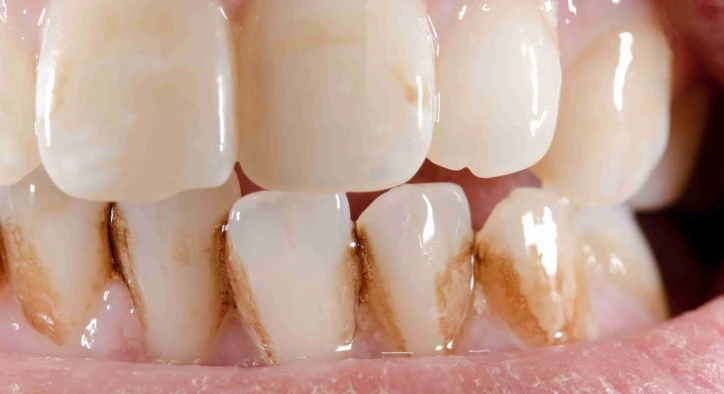

Waking up to notice a new discoloration on your smile can be alarming. Whether it is a tiny speck or a noticeable line along your enamel, a brown stain on teeth is one of the most common reasons patients visit our clinic. These marks can range from harmless surface discoloration caused by your morning espresso to deeper structural warnings like active tooth decay.
The good news is that modern cosmetic and restorative dentistry offers highly effective solutions to reverse these issues. This guide will explore what causes these imperfections, how to identify dangerous decay from surface stains, and the safest professional methods to restore a bright, healthy smile.
Table Of Contents
What Is a Brown Stain on Teeth?
In clinical terms, a brown stain on teeth represents a localized area of tooth discoloration that alters the natural shade of your enamel. Enamel is the semi-translucent outer layer of your teeth. Beneath it lies dentin, which has a naturally yellowish hue.
When foreign substances build up on the enamel surface, or when the structural integrity of the tooth is compromised, dark blemishes begin to form. These markings can appear as isolated spots, diffuse streaks, or dark lines tracing your anatomy.
Common Causes of Brown Tooth Discoloration
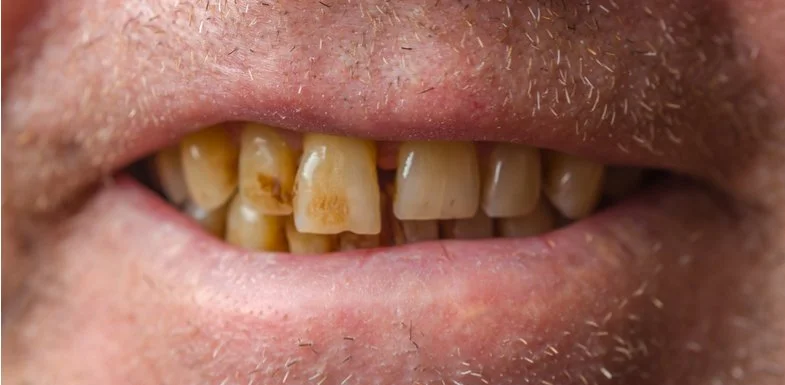
Understanding why these spots develop is the first step toward effective removal. Discoloration is broadly categorized into two types based on where the stain originates.
1. Extrinsic Staining (Surface Level)
Extrinsic stains affect only the outer enamel layer. They are usually caused by lifestyle choices and daily habits:
- Dietary Pigments: Frequent consumption of dark liquids like black coffee, red wine, cola, and dark teas.
- Tobacco Products: Nicotine and tar from smoking or chewing tobacco penetrate the microscopic pores of your enamel, leaving sticky, stubborn dark spots.
- Poor Oral Hygiene: Inadequate brushing allows plaque to harden into tartar, which absorbs pigments easily.
2. Intrinsic Staining and Structural Damage (Deep Level)
Intrinsic issues originate inside the tooth structure and cannot be brushed away:
- Active Tooth Decay: When acids from bacteria erode the enamel, they create a soft, demineralized zone that presents as a tooth decay brown stain on teeth.
- Dental Fluorosis: Excessive fluoride intake during early childhood tooth development can cause inner structural changes, leaving mottled brown lines.
- Enamel Hypoplasia: A developmental condition where enamel is thin or structurally weak, making it highly susceptible to deep staining.
The Danger Zone: Brown Stain on Teeth Near Gum Lines
When a patient notices a brown stain on teeth near gum margins, it requires immediate professional attention. This specific anatomical zone is a primary hotspot for two severe dental issues.
- [Tooth Crown] ────── Extrinsic Stains (Coffee, Tobacco) ────── Easily polished away
- [Gum Line Zone] ──── Tartar Accumulation / Active Decay ────── Requires urgent treatment
First, plaque accumulates rapidly along the gum line. If not removed, it minerals into a rock hard deposit called tartar (calculus). Tartar naturally has a yellowish brown shade and creates a rough surface where more bacteria can grow, leading to gum inflammation.
Second, the enamel near the gums is thinner, making it easier for bacteria to create root cavities. A brown patch here often indicates an active lesion that is undermining the root structure.
Is It a Stain or Tooth Decay?
It is difficult to determine the exact nature of a blemish simply by looking in a mirror. However, certain physical characteristics can provide clues while you wait for a dental examination.
Feature | Superficial Stain | Active Tooth Decay |
Surface Texture | Smooth, hard, level with the rest of the tooth | Soft, sticky, sticky when touched with a tool |
Pain Sensitivity | None | Sensitivity to hot, cold, or sugary foods |
Physical Shape | Diffuse lines or broad spots over the surface | Pit, hole, or a distinct crater in the tooth |
Progression | Grows slowly over months of habit | Can expand rapidly, leading to structural pain |
How to Remove Brown Stain on Teeth Safely?
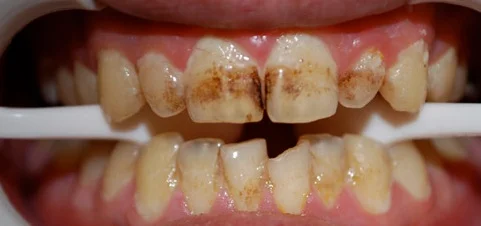
If you are wondering how to remove brown stain on teeth, the answer depends entirely on the root cause. Attempting aggressive home remedies can do more harm than good.
Professional Cleaning and Scaling
For extrinsic surface markings and hard tartar buildup, a routine professional scale and polish is the most effective approach. Dental hygienists use ultrasonic scalers to vibrate away the tartar and air polishing systems to lift stubborn tobacco and coffee spots without scratching your enamel.
Professional Dental Bleaching
When stains have seeped deeper into the enamel matrix, an over the counter toothpaste will not suffice. Professional in office teeth whitening utilizes high concentration hydrogen peroxide gels activated by specialized light systems. This treatment can safely break down deep organic pigments, whitening your smile by several shades in a single session.
Restorative Fillings and Bonding
If your dentist confirms a dark brown stain on teeth is actually a cavity, the damaged tissue must be removed. The surgeon will clean out the decay and restore the tooth structure using a tooth colored composite resin filling, ensuring both health and aesthetics are restored.
Porcelain Veneers
For severe intrinsic discoloration that does not respond to traditional whitening, custom porcelain veneers are an ideal solution. These ultra thin shells are bonded to the front of your teeth, completely masking severe discoloration while providing a natural look.
Can You Remove Brown Stains From Teeth Naturally at Home?
Many patients look for ways how to remove brown stains from teeth naturally using household ingredients. While online blogs often praise remedies like baking soda, activated charcoal, or lemon juice, dental professionals urge extreme caution.
- Baking Soda: Mildly abrasive and can help remove very superficial surface spots, but using it too often can wear down your enamel over time.
- Activated Charcoal: Highly abrasive. It may temporarily make teeth look cleaner, but it risks scratching the enamel, revealing the yellow dentin underneath and making your teeth look darker in the long run.
- Acidic Rinses (Lemon/Apple Cider Vinegar): Highly dangerous. Acid dissolves enamel minerals, leading to hypersensitivity and making your teeth more vulnerable to decay.
The safest natural method is preventive care: drinking water after coffee, chewing sugar-free gum to stimulate saliva, and maintaining an immaculate brushing routine.
Frequently Asked Questions
Are brown stains on teeth harmful?
Surface discolorations from food or drinks are purely cosmetic and not harmful to your health. However, if the mark is caused by hardened tartar or active tooth decay, it is harmful because it can lead to gum disease, structural damage, and infections if left untreated.
Can brown teeth become white again?
Yes. Virtually all brown spots can be corrected. Extrinsic surface spots are removed with cleanings or professional whitening, while deeper structural cavities are beautifully restored using white composite fillings or porcelain veneers.
Why did a sudden brown stain appear on my teeth?
A sudden brown stain on teeth is usually a sign of rapid tartar buildup after skipping dental cleanings, or it could be a fast-progressing cavity. It can also happen if you frequently consume high-pigment items like red wine or berries without rinsing afterward.
Can a child get brown spots on their teeth?
Yes, children can develop these spots due to early childhood cavities, poor brushing habits, or a condition called fluorosis, which happens from swallowing too much fluoride toothpaste during early development.
About the Author