




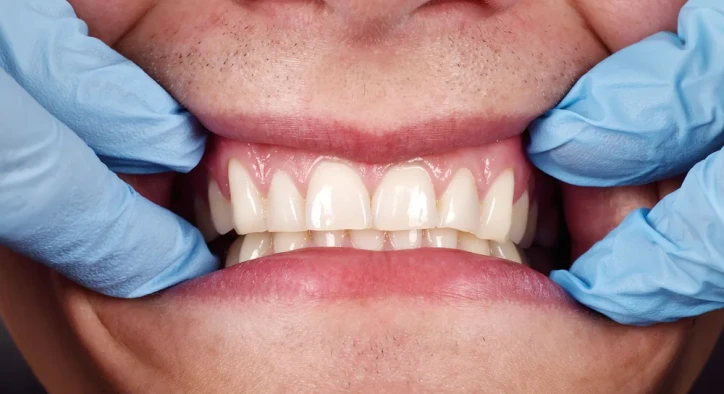

The long-term success of an aesthetic smile transformation relies on a delicate balance between premium dental materials and living tissue. While modern restorations provide an immediate cosmetic upgrade, the health of the surrounding periodontal tissue determines how long your new smile will function beautifully. Maintaining optimal gum health after veneers is a vital clinical requirement to prevent future structural failure and marginal defects.
When dental ceramics are bonded to the front teeth, they sit very close to the soft tissue borders. If the restoration margins are not placed correctly, or if daily oral hygiene is neglected, microscopic plaque can easily accumulate along these boundaries. This guide explores the biology of tissue integration, details how to prevent common issues, and outlines professional maintenance strategies.
Table Of Contents
- Can Veneers Cause Gum Disease? Understanding the Biological Width
- Why Do My Gums Hurt After Veneers? Post-Procedural Recovery
- Identifying Complications: Porcelain Veneers Gum Recession and Bleeding
- How Do You Keep Gums Healthy with Veneers? Daily Maintenance Protocols
- Professional Scaling and Prophylaxis Intervals
- Frequently Asked Questions
Can Veneers Cause Gum Disease? Understanding the Biological Width
When evaluating soft tissue responses, patients frequently ask: "Can veneers cause gum disease?" From a clinical standpoint, high-quality glazed porselen is non-porous and highly biocompatible, meaning it does not cause inflammation on its own.
Periodontal issues usually arise if the physical boundary known as the biological width is compromised during treatment. The biological width is the natural band of gum tissue that tightly seals and protects the underlying jawbone structure from bacterial exposure.
If a restoration margin is placed too deep beneath the gum line, it directly crowds this protective tissue seal. The body responds to this constant structural irritation by triggering a localized inflammatory response, which can lead to chronic swelling, redness, and pocket infections.
Why Do My Gums Hurt After Veneers? Post-Procedural Recovery
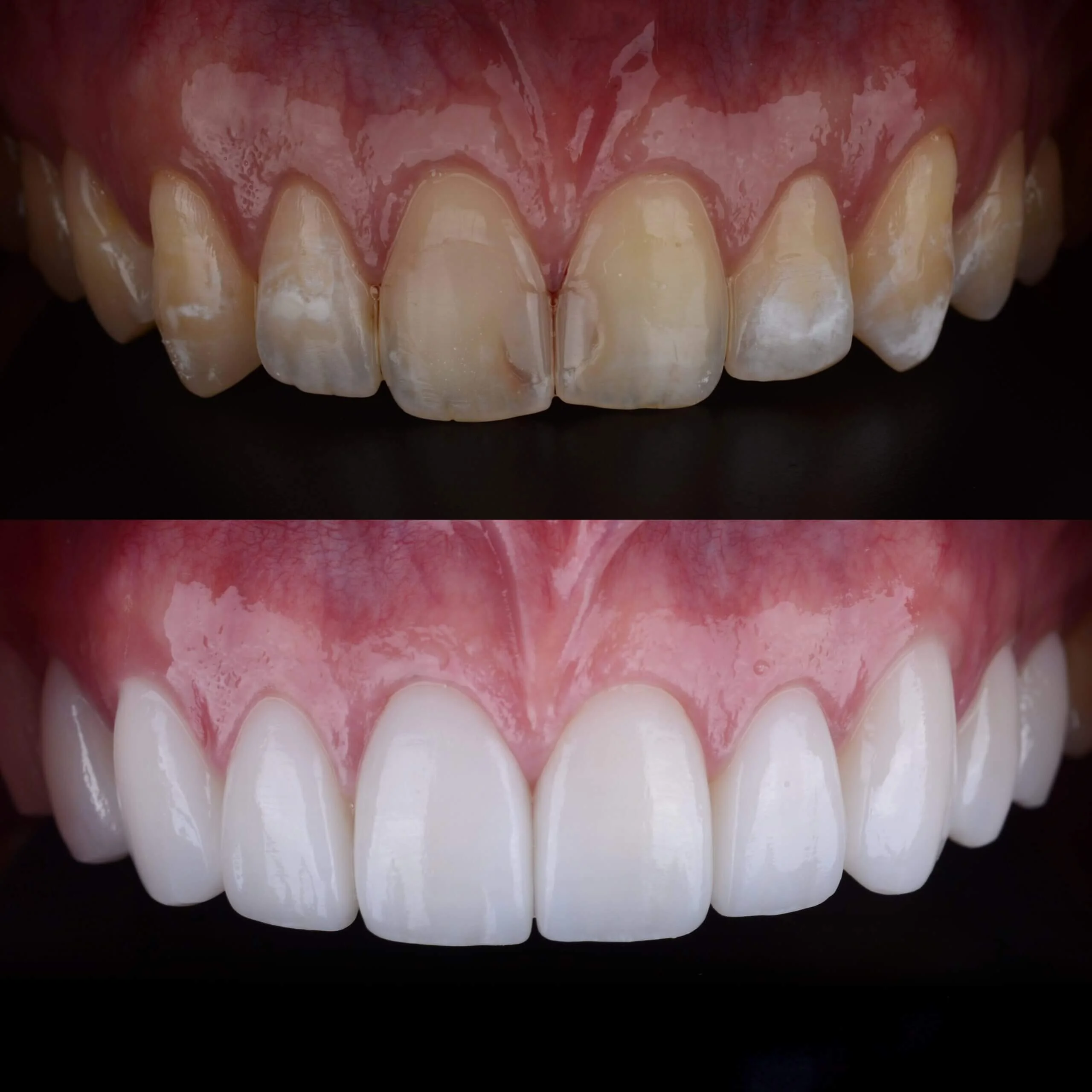
It is entirely common to experience mild, temporary sensitivity immediately following your final cementation visit. If you are wondering, "why do my gums hurt after veneers?", the discomfort is usually linked to the detailed steps of the preparation phase.
During your treatment, your cosmetic dentist may use retraction cords, matrix bands, or ultra-fine polishing burs to shape the tooth surfaces near the gum line. This micro-mechanical placement can cause temporary irritation to the delicate edges of your gums. This post-procedural soreness is normal and typically resolves on its own within 3 to 7 days as the soft tissues naturally heal.
Identifying Complications: Porcelain Veneers Gum Recession and Bleeding
If tissue irritation persists beyond the initial healing window, it often points to an underlying issue that requires targeted care:
- Veneers Bleeding Gums: Gums that bleed during brushing or flossing are a clear sign of localized inflammation, known as veneers bleeding gums or gingivitis. This condition happens when plaque biofilm is left sitting along the restoration margins for too long. If you notice bleeding, do not stop cleaning the area; instead, continue brushing gently and flossing thoroughly to clear the bacteria.
- Porcelain Veneers Gum Recession: If chronic inflammation goes untreated, it can eventually lead to porcelain veneers gum recession. As the gums shrink and pull back, they expose the natural tooth root underneath. This exposure creates an uneven appearance and can leave a dark line or shadow visible at the base of the tooth, undermining the cosmetic results of your makeover.
- Gingivitis After Veneers: Chronic gingivitis after veneers can develop if the final porselen edges feature microscopic ledges or rough spots that trap plaque. Smooth, perfectly flush margins are essential to keep the surrounding tissue completely healthy and comfortable.
How Do You Keep Gums Healthy with Veneers? Daily Maintenance Protocols
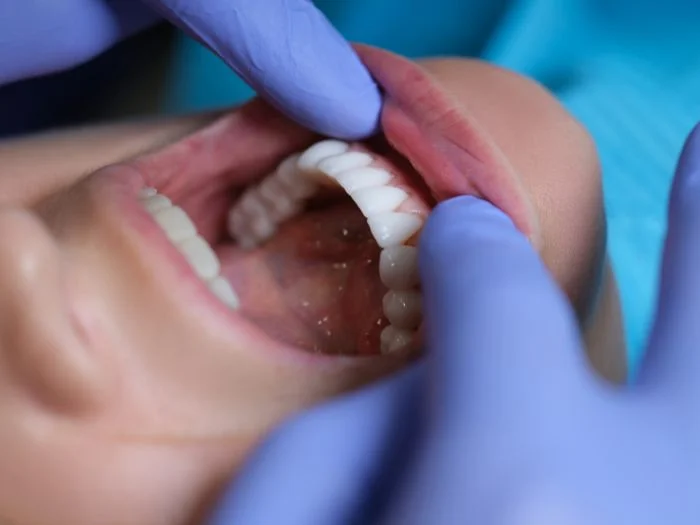
To ensure the long-term success of your restorations, you must adopt a dedicated, thorough daily routine. Learning how to maintain gum health after veneers involves using specialized tools to clean the margins perfectly without scratching the glazed ceramic.
1. Impeccable Non-Abrasive Brushing
Brush your teeth at least twice a day using an ultra-soft manual or electric toothbrush. Avoid coarse charcoal or harsh whitening toothpastes, as their abrasive particles can micro-scratch the glazed surface of the ceramic, creating a rough texture where plaque bacteria can attach more easily.
2. Daily Interdental Access
Standard toothbrush bristles cannot reach the tight contact points between your teeth. Use premium dental floss or specialized floss threaders every evening to clean beneath the gum line thoroughly. Curve the thread gently around each tooth to remove trapped plaque biomass safely without cutting the gums.
3. High-Pressure Hydro-Cleaning
Integrating a water flosser into your daily routine is an absolute game-changer for periodontal health. Use the device on a medium setting to flush out food residues and soft plaque from underneath the restoration boundaries, ensuring the gum line remains perfectly clean.
Professional Scaling and Prophylaxis Intervals
Care Configuration | Recommended Frequency | Clinical Purpose & Soft Tissue Protection |
Home Oral Care | Twice daily (minimum) | Disrups fresh plaque biofilm; maintains fresh breath |
Professional Scaling | Every 6 months | Removes hard tartar; monitors margin stability |
3D Radiography Check | Annually | Evaluates underlying bone health and root structural security |
Frequently Asked Questions
Is it normal for gums to bleed after veneers are placed?
Mild bleeding can occur during the first few days after placement as your gums heal from the retraction cords and bonding adhesives. However, if your gums continue to bleed after a week, it indicates plaque buildup along the margins, requiring improved home hygiene or a checkup.
How do you keep gums healthy with veneers long-term?
The secret to How do you keep gums healthy with veneers lies in consistent care: brush gently twice a day with non-abrasive paste, use a water flosser daily to clean the margins, and visit your dental hygienist every 6 months for professional cleanings.
Can a mouthwash protect my gum health after treatment?
Yes, using an alcohol-free antimicrobial or fluoride mouthwash helps reduce bacteria around the margins without drying out your oral tissues, supporting long-term tissue health.
What should I do if my gums start receding?
If you notice your gums pulling back, visit your dentist immediately. Early intervention allows your team to identify the cause intercept the issue before it affects the longevity of your smile.
About the Author